'Never Use My Music Again': Ariana Grande Condemns Trump Over Viral TikTok
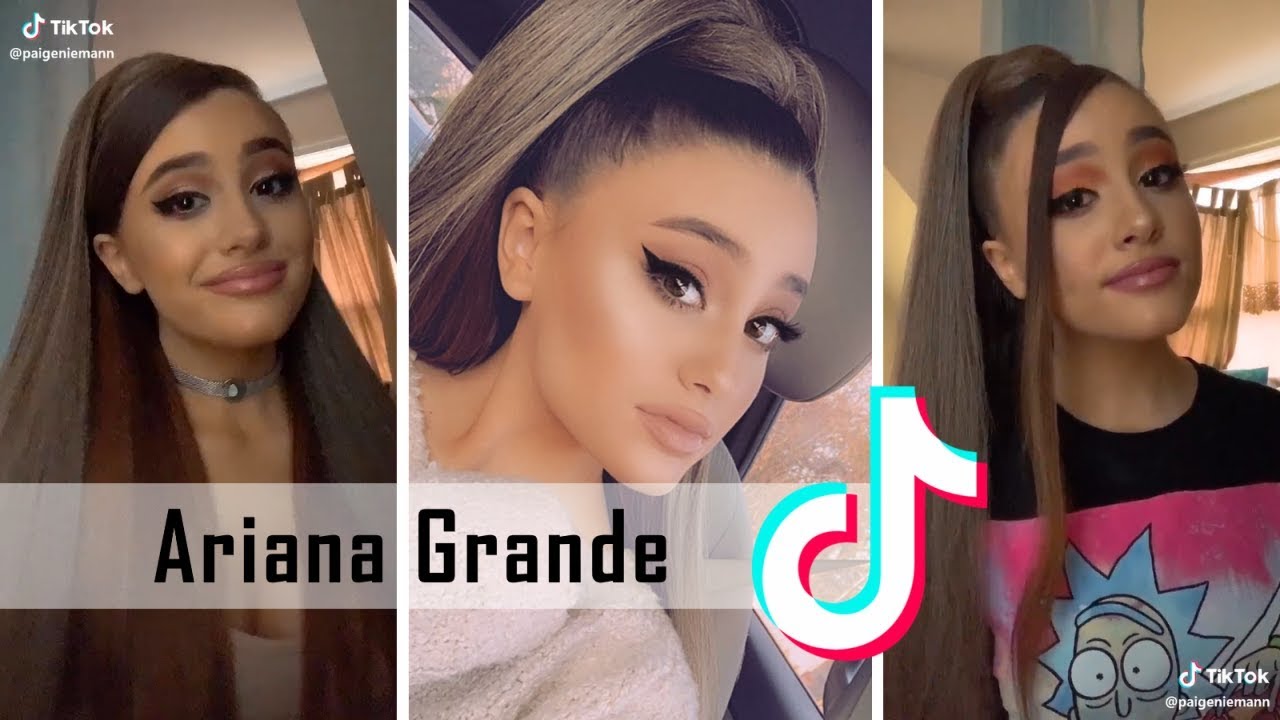
Pop superstar Ariana Grande publicly confronted Donald Trump and his media team after an official campaign account posted a TikTok video featuring her chart-topping single "We Can't Be Friends (Wait for Your Love)." The short-form video paired the emotional pop ballad from her 2024 album Eternal Sunshine with political rhetoric targeting transgender rights, sparking swift condemnation across social networks. Grande issued an unambiguous demand across her platforms: "Never use my music again."
The rebuke escalated rapidly when Grande followed up with a four-word dismissal targeting the administration's messaging: "Your truth is false." As confirmed by a Billboard Report on the incident, the clash marks one of the most direct artist interventions yet against political campaign song controversy on ByteDance's platform, re-igniting legal debates over social media copyright enforcement.
📌 Key Takeaways:
- The Spark: Donald Trump's digital team paired Grande’s single "We Can't Be Friends" with anti-trans commentary on TikTok without artist consent.
- The Statement: Grande issued a public demand to "Never use my music again," explicitly telling Trump's camp that "Your truth is false."
- The Structural Problem: Blanket social media licensing agreements often leave artists powerless to stop political accounts from using their catalog unless platforms intervene manually.
The Video That Sparked the Online Backlash
The controversy started when Trump’s campaign operatives capitalized on viral TikTok audio trends to distribute a clip attacking gender-affirming care policies. Instead of using standard voiceover audio or public domain music, the clip featured the melancholic synth hook from "We Can't Be Friends (Wait for Your Love)." The song had spent weeks at No. 1 on the Billboard Hot 100 and amassed over 1.2 billion streams globally.
The audio selection triggered immediate outrage among Grande’s fan base, long known for its vocal support of LGBTQ+ advocacy. Within hours, screen captures of the video flooded X and Reddit, accompanied by calls for Universal Music Group and Republic Records to file immediate copyright strikes. Online communities condemned the video as a deliberate provocation, noting the stark contrast between Grande's outspoken allyship and the transphobic TikTok controversy engineered by the campaign's social team.
Grande has consistently directed touring revenue and personal donations toward transgender defense funds, including raising over $1.5 million through her Protect & Defend Trans Youth Fund. Seeing her signature track repurposed to attack the very demographic she champions transformed a routine copyright dispute into a high-profile cultural clash.
"Your Truth Is False": Deconstructing Grande's Rebuttal
Rather than funneling her displeasure entirely through entertainment lawyers, Grande addressed the post directly on her public channels. The singer shared a screenshot of the video with two concise phrases that trended worldwide: "Your truth is false" and "Never use my music again."
Her language hit directly at the administration's rhetorical playbook. Political strategists often rely on populist slogans and subjective framing to sway voters on social media. Grande's response bypassed polite corporate neutrality, aligning her with an escalating roster of musicians who reject the normalization of unauthorized music usage by political candidates.
Industry observers pointed out the intentional economy of her statement. Grande avoided protracted arguments or hyperbole. She drew a firm boundary around her intellectual property and personal values. The response drew supportive reposts from fellow artists, civil rights advocates, and millions of social media users, effectively turning the Trump campaign's viral stunt into a public relations liability.
The Legal Gray Zone of TikTok Campaign Audio
Political rallies face well-established licensing frameworks through performance rights organizations like ASCAP and BMI. Social media platforms, however, operate in a contentious gray zone. TikTok maintains blanket synchronization and distribution licenses with major record labels, allowing ordinary users to attach licensed music to short clips. When political campaigns enter that ecosystem, the rules turn murky.
| Licensing Context | Governing Framework | Artist Recourse & Enforcement |
|---|---|---|
| In-Person Political Rallies | ASCAP / BMI Venue Licenses (Political Campaign Licenses) | Artists can exclude specific tracks via formal opt-out clauses; Lanham Act false endorsement claims. |
| Organic TikTok Audio Posts | Platform Blanket Label Deals (Universal, Sony, Warner) | Limited individual artist control; manual DMCA takedown requests or platform community standard strikes required. |
| Paid Political Campaign Ads | Commercial Synchronization (Direct Master & Publishing Licenses) | Direct statutory copyright infringement claims; immediate statutory damages up to $150,000 per willful violation. |
The Trump campaign frequently claims that posting a standard video with platform-provided audio does not constitute a formal commercial advertisement, shielding them from traditional synchronization licensing requirements. Intellectual property attorneys reject this defense. When an official campaign apparatus uses copyrighted music to advance a political candidate, it risks violating common-law rights of publicity and false endorsement provisions under the Lanham Act of 1946.
Because the song was selected directly from TikTok's in-app sound library, the platform initially left the video up. Only after widespread public backlash and formal interventions from Grande’s management did platforms reassess the content under their political advertisement and harassment guidelines.
A Long Record of Campaign Clashes Over Pop Catalogs
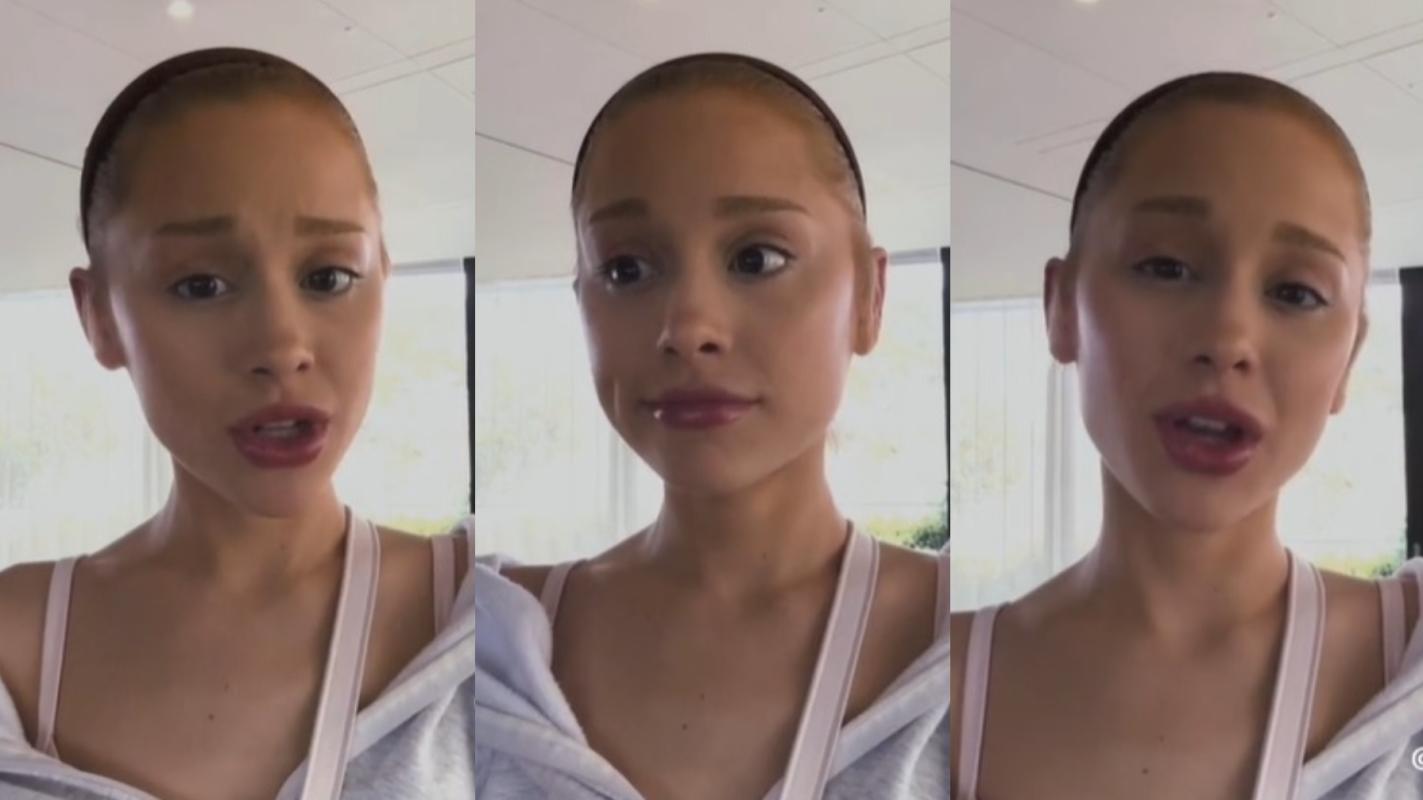
Grande is far from the first musician to demand that Trump pull unauthorized music from his campaign assets. Over the past decade, dozens of high-profile creators have issued cease-and-desist letters to Trump’s operation.
During the 2024 campaign cycle alone, the estates of Sinéad O'Connor and Isaac Hayes, alongside artists including Céline Dion, Beyoncé, and the Foo Fighters, condemned the unauthorized use of their work. The Isaac Hayes estate secured a notable victory in federal court when an Atlanta judge ordered the campaign to halt its unapproved use of "Hold On, I'm Comin'."
What sets Grande’s clash apart is its native digital origin. Previous conflicts centered primarily on arena sound systems, stadium loudspeakers, and television broadcast ad spots. The dispute over "We Can't Be Friends" shows how political battles have migrated directly into algorithmic feeds, where short-form audio clips serve as emotional shorthand for ideological warfare.
Platform Audio Licensing Needs Structural Reform
The dispute exposes the fragility of current digital music distribution. Major record companies negotiated massive royalties with ByteDance to reinstate their catalogs following the high-stakes Universal Music Group licensing blackout in early 2024. Those broad agreements treated all algorithmic platform engagement as identical commercial activity.
They overlooked how political campaigns weaponize sound. When an artist licenses a song for social consumption, they expect choreographies, viral lip-sync trends, and user-generated humor. They do not anticipate that political groups will repurpose vulnerable vocal tracks as musical backing for polarizing legislative agendas.
Artists bear the burden of monitoring feeds, enduring audience confusion, and filing reactive takedowns. Without distinct platform policies that forbid verified political campaign accounts from using commercial music catalogs without written synchronization clearance, these collisions will only multiply.
Frequently Asked Questions (FAQ)
Q1: Why was Donald Trump's team able to use Ariana Grande's song on TikTok in the first place?
TikTok maintains blanket licensing agreements with major music labels, which allow accounts to pick tracks directly from the app's sound library. Political accounts exploit this setup to treat candidate content like ordinary user clips, skirting standard commercial sync licenses.
Q2: What exact song was used, and from which album?
The campaign used "We Can't Be Friends (Wait for Your Love)," the hit single from Grande's seventh studio album, Eternal Sunshine, released in March 2024.
Q3: Can musicians legally stop political candidates from using their music on social media?
Yes. While blanket platform licenses create ambiguity, artists can pursue claims under the Lanham Act for false endorsement, invoke their Right of Publicity, or direct their publishers to issue direct DMCA takedown requests for political campaign materials.
Q4: How did Ariana Grande respond to the campaign's video?
Grande issued a sharp rebuke across her channels, writing "Your truth is false" and telling the campaign directly to "Never use my music again."
The Evolving Rules of Digital Campaign Anthems
Campaign music has ceased to be just a background track for convention halls and arena victory laps. In a fragmented media ecosystem, political strategists hunt for viral hooks that piggyback on mainstream pop popularity to bypass algorithmic filters and reach disaffected young voters.
Ariana Grande's decisive pushback shows that contemporary artists will not sit by quietly while their creative output is repurposed for hostile political agendas. By addressing the post directly, Grande made sure her stance was impossible to misrepresent: her music will not serve as a backdrop for attacks on the communities she defends.