'None of It Is Me': Doja Cat Blasts Viral Song Leaks as Disappointing AI Scams
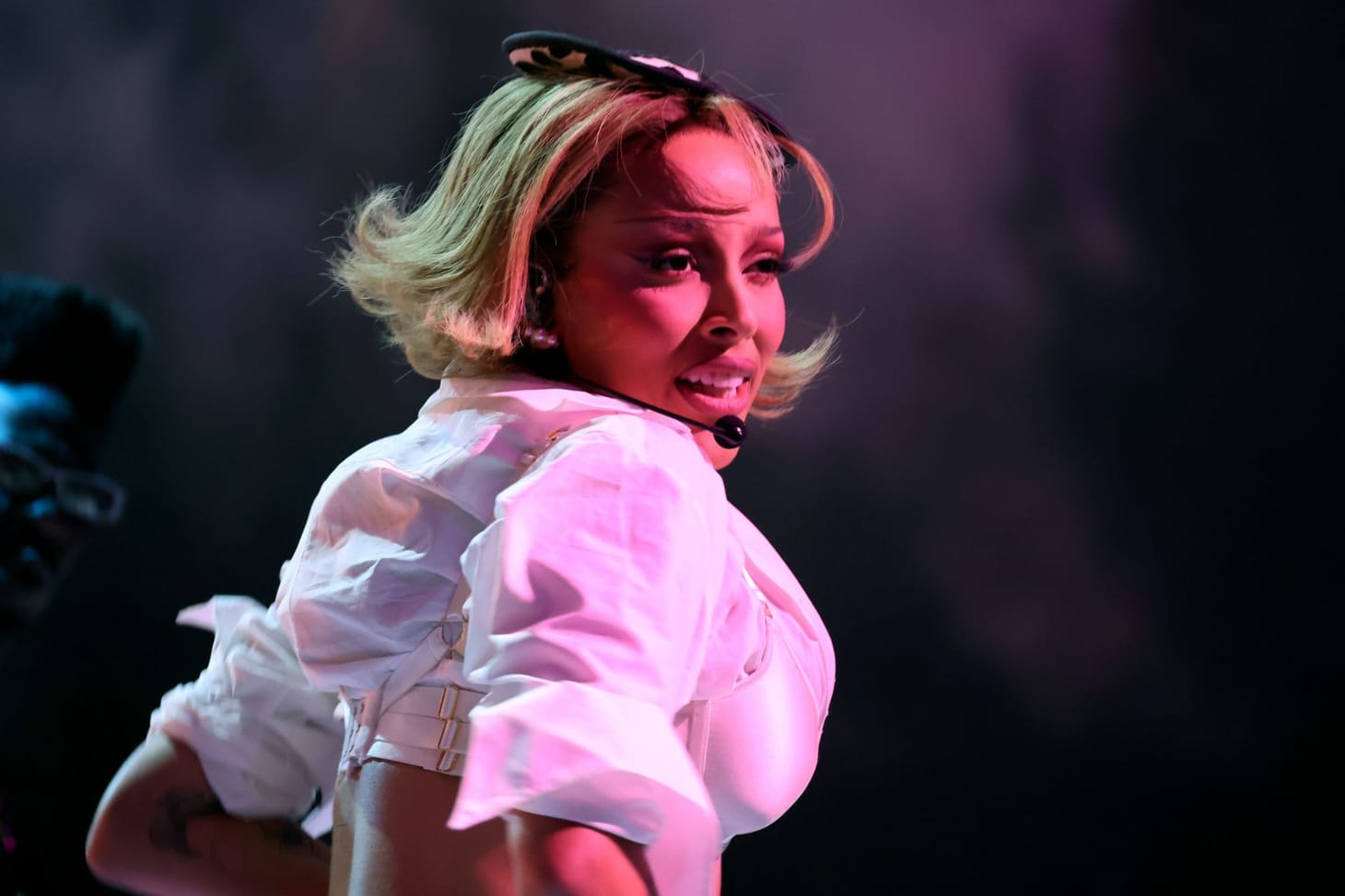
Doja Cat has taken direct aim at circulating snippets claiming to be her unreleased music, confirming that the wave of viral leaks flooding social platforms is entirely computer-generated. Across early summer 2026, TikTok feeds and Discord servers filled with pitched-up vocals, trap-heavy percussion, and supposed cuts claiming to be authentic unreleased snippets or outtakes. Instead of quietly ignoring the material, the Grammy-winning rapper delivered a blunt, unfiltered reality check to her fanbase, declaring on social media: "None of it is me. F*ck AI." The controversy escalated as outlined in a complex.com report, which followed related debates after Doja publicly criticized Tyga for releasing an AI-assisted album project.
The swift public rebuttal highlighted growing friction between commercial artists and synthetic voice cloning technology. For weeks, listeners traded tracks purported to be vault recordings from the Scarlet sessions and preview demos of upcoming studio albums. Fans dissected the lyrics, shared download links, and analyzed production nuances on Reddit forums. Yet beneath the enthusiasm lay a complete fabrication: synthetic audio generated using voice-conversion models trained on Doja Cat's vocal stems without her authorization.
📌 Key Takeaways:
- The Official Denial: Doja Cat confirmed that every single viral unreleased track circulating online under her name in recent weeks is a synthetic audio deepfake, expressing severe disappointment in listeners who fell for them.
- Vocal Cloning Mechanics: The tracks utilized high-fidelity acoustic voice-conversion models trained on isolated acapellas from her back catalog, masking robotic artifacts under heavy auto-tune and low-bitrate compression.
- Legal and Industry Pushback: The incident amplifies calls across the recording industry for stricter copyright enforcement against generative voice cloning models and unauthorized voice scraping.
How Synthetic Audio Hijacked Doja Cat's Unreleased Music Pipeline
Unreleased music trades have long driven underground hip-hop culture. Historically, leaked files came from stolen hard drives, compromised producer emails, or unauthorized studio engineers. But the files circulating in 2026 reflect an entirely different process. Creators feed isolated vocal stems into machine-learning audio converters, write makeshift lyric guides, record reference vocals, and map the artist's timbre onto the performance. The resulting tracks bypass traditional vault security because there was never an actual leak to begin with.
Online forums and private Discord groups capitalized on the vacuum left between official album cycles. By labeling synthetic files as "scrapped Scarlet deluxe demos" or "unreleased 2024 sessions," uploaders pulled in millions of impressions across TikTok and X. Many casual listeners could not discern the synthetic tonal flattening buried beneath distortion and studio compression. By the time Doja intervened, several tracks had already spawned full lyric videos and streaming re-uploads across secondary platforms.
The Direct Response: 'Really Disappointed' in Fans Believing the Scams
Industry outlets including Rolling Stone, Billboard, and XXL Mag reported that Doja Cat did not mince words when addressing the synthetic material. She expressed genuine disbelief that her own listeners could mistake algorithmic voice models for her distinct cadence, phrasing, and breath control. Her reaction cut through conventional public-relations caution, directly calling out both the creators of the files and the gullibility of consumers sharing them.
"None of it is me," she stated plainly across her channels, adding that she felt "really disappointed" that listeners who claim to study her music could not tell the difference between her authentic vocals and an algorithm. The blunt condemnation struck a nerve among listeners who had defended the tracks as authentic studio outtakes, forcing music communities to re-examine how easily algorithmic impostors spread.
Timeline of the Fake Music Wave and Industry Clashes
The incident is part of a larger ongoing conflict over vocal synthesis and identity theft in mainstream music. As commercial AI vocal software became widespread between 2023 and 2026, artists faced waves of counterfeit releases that confused streaming algorithms and distorted artistic catalogs.
| Date / Timeframe | Incident / Development | Industry Impact & Artist Stance |
|---|---|---|
| April 2023 | Ghostwriter977 releases "Heart on My Sleeve" using cloned voices of Drake and The Weeknd. | Universal Music Group initiates widespread copyright takedowns, launching the modern debate over voice copyright. |
| June 2026 | Dozens of synthetic Doja Cat snippets go viral across short-form video platforms as "authentic leaks." | Doja Cat publicly denounces the tracks as AI scams, stating "None of it is me" and criticizing fan gullibility. |
| August 2026 | Tyga releases an AI-assisted album, receiving critical backlash across hip-hop media. | Doja Cat publicly scoffs at the release, calling the rapper "a penis" for relying on generative production shortcuts. |

Why Synthetic Voice Models Fool Casual Listeners
Spotting a fake vocal track used to be simple. Early voice synthesis sounded mechanical, dry, and flat. Modern RVC (Retrieval-based Voice Conversion) pipelines, however, work by mapping pitch, vibrato, and dynamic expression from a human guide singer onto a trained timbre profile. When uploaders deliberately layer these results with lofi EQ, fake phone speaker distortion, and reverb, the telltale metallic glitches blend into the background.
The deception also exploits consumer listening habits. Most music discovery on TikTok and Reels happens through low-fidelity phone speakers at low volumes while users scroll through visual stimuli. In that environment, a track only needs to capture an artist's approximate tone and rhythmic delivery to pass as authentic. Fans looking for unreleased snippets from album sessions naturally overlook awkward syllable transitions, mispronunciations, and unnatural breathing gaps.
Legal Battlegrounds Over Voice Scraping and Name Rights
The viral spread of fake Doja Cat songs exposes ongoing gaps in intellectual property law. While written compositions, sound recordings, and cover artwork carry federal copyright protection, vocal timbre itself lacks comprehensive statutory protection under federal US copyright law. Instead, artists must rely on state-level right-of-publicity statutes, common-law misappropriation, and the Lanham Act's false endorsement clauses to police digital impersonation.
Major labels have responded with automated digital fingerprinting tools, but creators continuously adjust pitch profiles and tempos to evade detection. The US Copyright Office and federal lawmakers have examined potential federal right-of-publicity legislation, such as the proposed NO FAKES Act, to establish uniform penalties for unauthorized voice cloning. Until national legislation sets uniform standards, artists like Doja Cat must actively police their digital likenesses, publicly clarifying what is real and what is synthetic fraud.
Frequently Asked Questions (FAQ)
Q1: Are any of the recent Doja Cat unreleased leaks authentic recordings?
A1: No. Doja Cat explicitly confirmed that all of the recently circulating viral snippets are synthetic fakes generated through audio voice cloning, stating directly: "None of it is me."
Q2: How are creators making these fake Doja Cat songs?
A2: Creators take a human guide vocal recorded by another singer and run it through trained voice-conversion models (such as RVC) using datasets of isolated acapellas from Doja Cat's official catalog. They then apply reverb, autotune, and distortion to simulate genuine studio outtakes.
Q3: How can fans identify synthetic AI songs from real leaks?
A3: Listen closely for unnatural breathing patterns, metallic phasing in the upper frequencies, slurred consonants, and unnatural vocal transitions. Real leaks typically surface through established leaker networks with verified metadata, whereas AI fakes frequently appear out of nowhere on TikTok and Discord with heavy compression.
The Reality of Music Authentication in 2026
The controversy surrounding Doja Cat's alleged leaks marks a clear shift in how artists manage unreleased material. Studio leaks used to signal an operational security breach in a producer's workflow. Today, they signal a public-relations game of synthetic whack-a-mole. As voice-synthesis software becomes faster and cheaper to run on consumer hardware, the burden of proof has shifted entirely onto listeners and performers.
Doja Cat's aggressive response sets a practical precedent for mainstream artists dealing with synthetic impostors. Ignoring deepfakes allows algorithmic clones to muddy an artist's discography and mislead casual fans. Calling them out directly, dismantling their credibility, and publicly setting the record straight remains the most effective defense an artist has against synthetic mimicry.


