Olivia Wilde on 'The O.C.': Full Timeline of Her Rise, Memorable Costars, and Resurfaced Memories
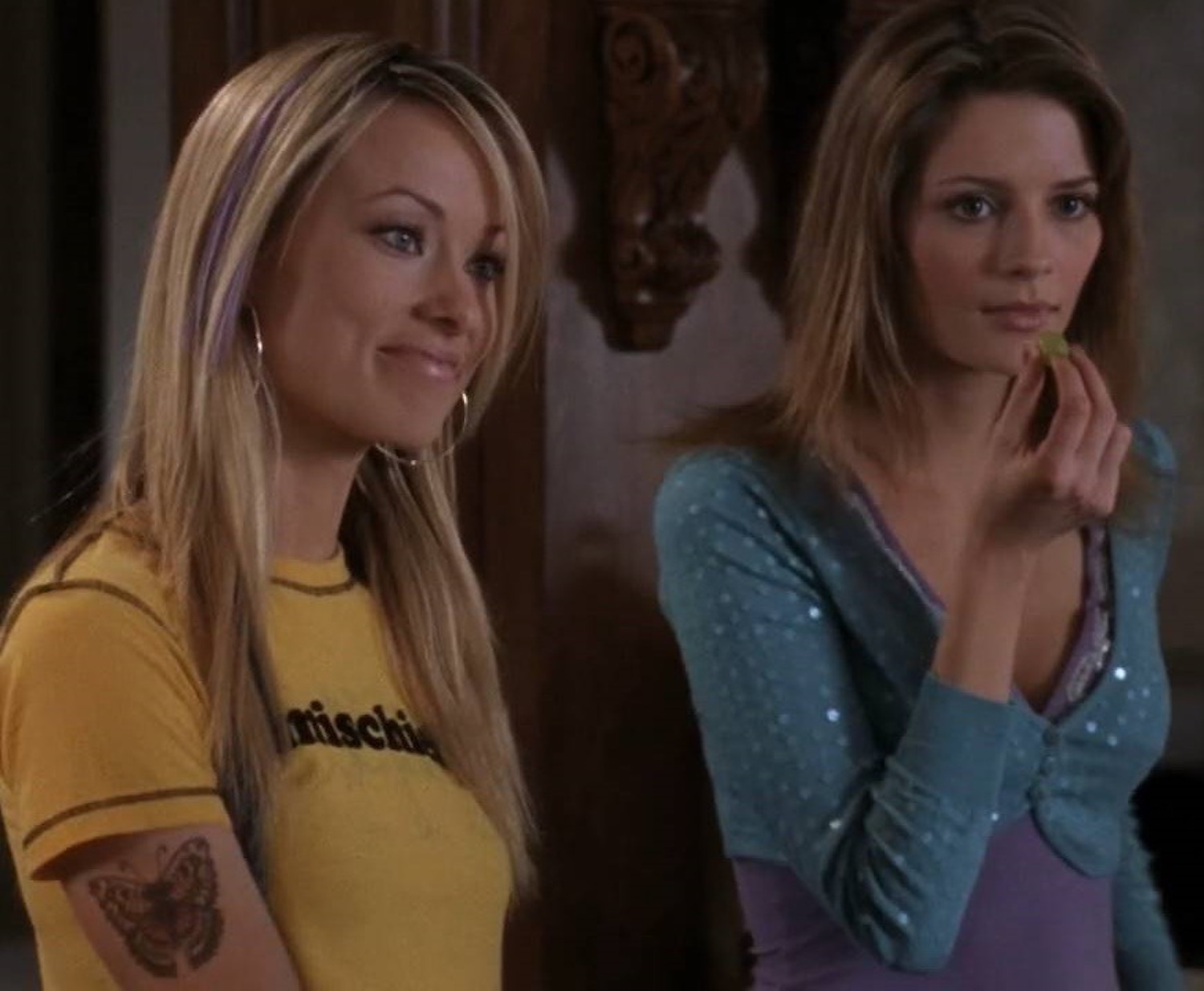
In the autumn of 2004, Fox’s flagship teen drama The O.C. was operating at the absolute peak of its pop-culture saturation. Ratings were soaring, indie rock bands were vying to perform at the fictional Bait Shop, and the show’s young cast dominated tabloid headlines. Onto this sun-drenched, high-stakes stage walked a twenty-year-old Olivia Wilde, cast as Alex Kelly, an edgy, tattoo-sporting outsider who managed the Newport Beach music venue. What began as a brief recurring guest stint turned into a defining milestone for early-2000s network television, as chronicled in career retrospectives like the Hollywood Insider Report tracking her ascent from indie actress to major filmmaker.
Wilde brought a grounded, sharp gravitas to the Fox drama that immediately set her apart from the melodrama of Orange County’s gated communities. Her character served two critical functions in Season 2: she pulled Seth Cohen out of his neurotic shell and subsequently initiated a romantic relationship with Marissa Cooper that ignited national conversation. Two decades later, the role remains a fascinating time capsule of network television navigating teen sexuality, industry casting politics, and the launching pad of one of modern Hollywood's most versatile creators.
📌 Key Takeaways:
- The Breakthrough Role: Olivia Wilde entered *The O.C.* in Season 2 (2004, 2005) for a 13-episode run as Alex Kelly, the fiercely independent manager of The Bait Shop.
- The Marissa Cooper Dynamic: Her mid-season romance with Mischa Barton's Marissa became a landmark moment for LGBTQ representation on mid-2000s primetime television, drawing intense media scrutiny during February 2005 sweeps.
- The Casting Origin: Wilde originally tested for the lead role of Marissa Cooper; creator Josh Schwartz noted her presence was too self-assured and formidable for the fragile socialite, leading him to construct Alex specifically with her in mind.
Casting Alex Kelly: How The Bait Shop Changed Olivia Wilde's Trajectory
Before arriving in Newport Beach, Olivia Wilde had accumulated only a handful of screen credits, most notably a short-lived role on the 2003 television series Skin. When The O.C. held auditions for its debut season, Wilde was one of the final contenders to play Marissa Cooper. Series creator Josh Schwartz later revealed that while Wilde gave a commanding audition, she projected too much strength. Marissa needed an innate, tragic fragility, a quality Mischa Barton effortlessly inhabited.
Schwartz did not forget Wilde. When the writers expanded the universe in Season 2 to include The Bait Shop, a gritty live-music venue designed to host touring bands, they conceived Alex Kelly. Alex was everything Newport society was not: she lived alone as an emancipated minor, wore combat boots, kept late hours, and had no interest in country club pleasantries.
Wilde played Alex with a weary cool that gave the show instant countercultural credibility. When she first hired Seth Cohen (Adam Brody) as a bouncer, the dynamic sparked immediate interest from viewers. Wilde offered a performance stripped of soapy theatrics, delivering dialogue with a dry, knowing realism that balanced the heightened drama around her.
The Seth Cohen Romance and the Shift Toward Marissa Cooper
Alex Kelly's initial narrative trajectory placed her directly into Seth Cohen's orbit. Coming off the tumultuous love triangle of Season 1, Seth was desperate to reinvent himself as an edgy non-conformist. Dating the manager of the local rock venue was his ticket to reinvention.
The pairing provided sharp comedic contrast. Wilde played the deadpan straight woman to Brody’s hyperverbal neuroticism. Yet the writers quickly recognized that Alex’s edge made her too mature for Seth’s adolescent anxieties. Their breakup felt earned, natural, and refreshingly devoid of spite.
What followed altered the season entirely. As Marissa Cooper’s life spiraled following family financial ruins and emotional isolation, she gravitated toward Alex’s independence. Alex provided a sanctuary away from the suffocating expectations of the Newport Beach elite. The emotional bond gradually morphed into romantic intimacy, culminating in a seaside romance that caught the media's full attention in early 2005.
Breaking 2000s TV Conventions: The Alex-Marissa Relationship
In 2005, network television handled same-sex relationships among teenagers with immense hesitation. While shows like Buffy the Vampire Slayer had broken ground years earlier, primetime teen soaps on broadcast networks were still bound by restrictive executive standards. Fox aggressively promoted the February 2005 sweeps episodes featuring Alex and Marissa, emphasizing the sensational aspects to chase ratings.
Beneath the network’s promotional hype, the creative execution told a more nuanced story. Wilde and Barton played the relationship with tenderness and emotional honesty. Alex was openly bisexual, treated by the writers not as an anomaly or a spectacle, but as a young woman comfortable with her desires.
The storyline faced immediate pushback from broadcast watchdog groups, and network executives restricted how physical the characters could be on screen. Cameras pulled back during intimate moments where heterosexual couples on the show were granted explicit passion. Despite these constraints, the arc marked a pivotal shift for high-school-aged viewers who rarely saw bisexual identity acknowledged on primetime network television.

Evolution of Olivia Wilde's Television Breakthrough
Wilde's 13-episode run on The O.C. served as an inflection point, launching her from a working television actress into high-profile film and prestige television casting rooms.
| Phase & Timeline | Character / Role | Cultural & Industry Impact |
|---|---|---|
| Fall 2004Episodes 2.03, 2.09 | Alex Kelly (Club Manager) | Introduced as Seth Cohen’s love interest; positioned The Bait Shop as the musical hub of mid-2000s indie culture. |
| Winter 2005Episodes 2.10, 2.16 | Alex Kelly (Marissa's Partner) | Landmark bisexual storyline during February sweeps; generated intense media debates on network standards and censorship. |
| 2007, 2012Prestige TV Era | Dr. Remy "Thirteen" Hadley (*House*) | Cemented leading television status; continued complex exploration of bisexuality and chronic illness across 81 episodes. |
| 2019, PresentAuteur Filmmaking | Director / Producer (*Booksmart*) | Transitioned behind the camera; directed acclaimed coming-of-age narratives informed by her early television roots. |
Resurfaced Reflections: What Wilde, Barton, and Brody Have Shared
In recent years, the cast and creators have spoken openly about the pressures surrounding Season 2. During anniversary retrospectives and podcast discussions, both Mischa Barton and Olivia Wilde recalled the intense paparazzi glare that shadowed the production in Manhattan Beach and Hermosa Beach, where exterior scenes were filmed.
Wilde has repeatedly expressed gratitude for how the role shaped her work ethic. Working alongside Adam Brody gave her an education in comedic timing, while her scenes with Barton required emotional vulnerability under heavy network scrutiny. Brody has praised Wilde’s presence, remarking that everyone on set immediately understood she possessed a talent far larger than the teen soap genre.
Schwartz pointed out in retrospective interviews that Alex was never intended to be a villain. Even when the relationship ended because Marissa was not fully prepared for the realities of the romance, Alex left with her dignity intact. That departure preserved the character’s integrity, a rare feat for guest stars on high-turnover teen dramas.
From Newport Beach Outsider to Acclaimed Hollywood Director
The trajectory from Alex Kelly to critically acclaimed filmmaker highlights Wilde’s sharp eye for storytelling. Rather than allowing Hollywood to box her into the "rebellious girlfriend" archetype, she used the visibility from The O.C. to transition into diverse roles, from blockbuster sci-fi (Tron: Legacy) to high-concept indie cinema.
Her breakthrough as a director with 2019’s Booksmart demonstrated a clear thematic lineage back to her early acting days. The film explored adolescent identity, female friendship, and queer high-school romance with warmth, precision, and humor. Wilde brought the same authenticity to her characters that she fought to instill in Alex Kelly fifteen years earlier.
By directing projects that center complex young women without treating their sexuality as a ratings gimmick, Wilde effectively corrected the very industry tropes that defined early-2000s network television. Her lived experience inside the teen soap machine gave her an insider's understanding of how to craft youth-driven stories that respect the intelligence of their audience.
Frequently Asked Questions (FAQ)
Q1: Did Olivia Wilde audition for Marissa Cooper before being cast as Alex Kelly?
A1: Yes. Wilde made it to the final screen tests alongside Mischa Barton for the role of Marissa. Josh Schwartz opted for Barton because she brought a tragic vulnerability, while Wilde projected an innate, self-assured strength that was later channeled into the role of Alex.
Q2: How many episodes was Olivia Wilde in on The O.C.?
A2: Wilde appeared in 13 episodes during the second season, running from late 2004 through early 2005. Her arc concluded when Alex realized Marissa was still emotionally entangled with Ryan Atwood.
Q3: Why was the Alex and Marissa storyline controversial in 2005?
A3: During that era, primetime broadcast networks faced strict oversight from the Federal Communications Commission and conservative media watchdog groups. Fox heavily marketed the romance during February sweeps, but network censors restricted physical intimacy between the actresses on screen.
The Lasting Cultural Footprint of Alex Kelly
Looking back at The O.C. from a contemporary perspective, Olivia Wilde’s portrayal of Alex Kelly remains an essential chapter in the show’s legacy. She disrupted the country-club insularity of Newport Beach with dry humor, leather jackets, and emotional transparency. While network executives treated the relationship as a provocative ratings play, Wilde and Barton infused the material with genuine heart.
That brief stay in Orange County did more than elevate a second-season subplot. It established Wilde as a formidable screen presence capable of anchoring complex narratives, a skill that ultimately defined her path from primetime recurring player to visionary Hollywood director.


