Piedmont Moscato Vintages Arrive: What Wine Critics Are Praising This Year

Italian vintage evaluations are officially rolling in from Asti, Canelli, and Castiglione Tinella, shining an intense spotlight on Northwest Italy's most celebrated frizzante sparkling wine. After navigating irregular seasonal temperatures documented across recent harvest cycles, Piedmont winemakers have delivered aromatic, razor-sharp bottlings that challenge outdated supermarket reputations.
As newly detailed in the comprehensive Falstaff Report covering Piedmont's latest vintage evaluations, top-tier Moscato d'Asti DOCG producers are setting fresh benchmarks for precision. The top scores praise bottles that strike an exacting equilibrium, matching natural grape sugars with electric acidity and clean mineral finishes.
📌 Key Takeaways:
- Regional Evolution: Northern Italian estates have repositioned Moscato d'Asti DOCG as a terroir-driven wine rather than a high-volume sweet commodity.
- Critical Consensus: Premier European panels, including Falstaff wine ratings, are awarding 92 to 95 points to single-vineyard bottlings with lower yields and high natural tartaric acidity.
- Buyer Advantage: Bottled at an approachable 5%, 5.5% ABV, authentic Piedmont releases deliver an expressive combination of stone fruit and orange blossom aromas at accessible price points ($18, $30).
Shifting Perspectives on Piedmont's Sweet Heritage
For decades, international retail shelves painted Moscato with an overly broad brush. Mass-market brands flooded distribution channels with sticky, cloying formulations that obscured the grape's ancient ancestry. In Piedmont, however, cultivation of Muscat Blanc à Petits Grains, known locally as Moscato Bianco, dates back to the 13th century.
The steep calcareous hillsides of Langhe, Monferrato, and Roero present grueling farming conditions. Vines dig deep into limestone-rich white marl, restricting yields and concentrating delicate floral precursors within the grape skins. The recent Italian wine vintage report highlights how modern canopy management and earlier morning harvests have countered summer heat spikes. By sheltering the fruit from solar sunburn, growers in villages like Mango and Santo Stefano Belbo preserved natural freshness, rescuing the grape from the flabby, syrupy profiles that plagued bulk iterations of the past.
Growers operate under stringent yield limits mandated by the Consorzio di Tutela dell'Asti DOCG. This discipline ensures that the harvest enters the cellar with an intricate balance of natural sugar and vivid organic acids.
Decoding the Bottles Leading the Critics' Lists
When critics evaluate high-scoring Moscato, they look for tension. A wine that registers only sweetness wears on the palate after two sips. Outstanding examples from benchmark estates like Paolo Saracco, Vietti, and La Spinetta showcase how residual sugar balance can elevate a drink into fine wine territory.
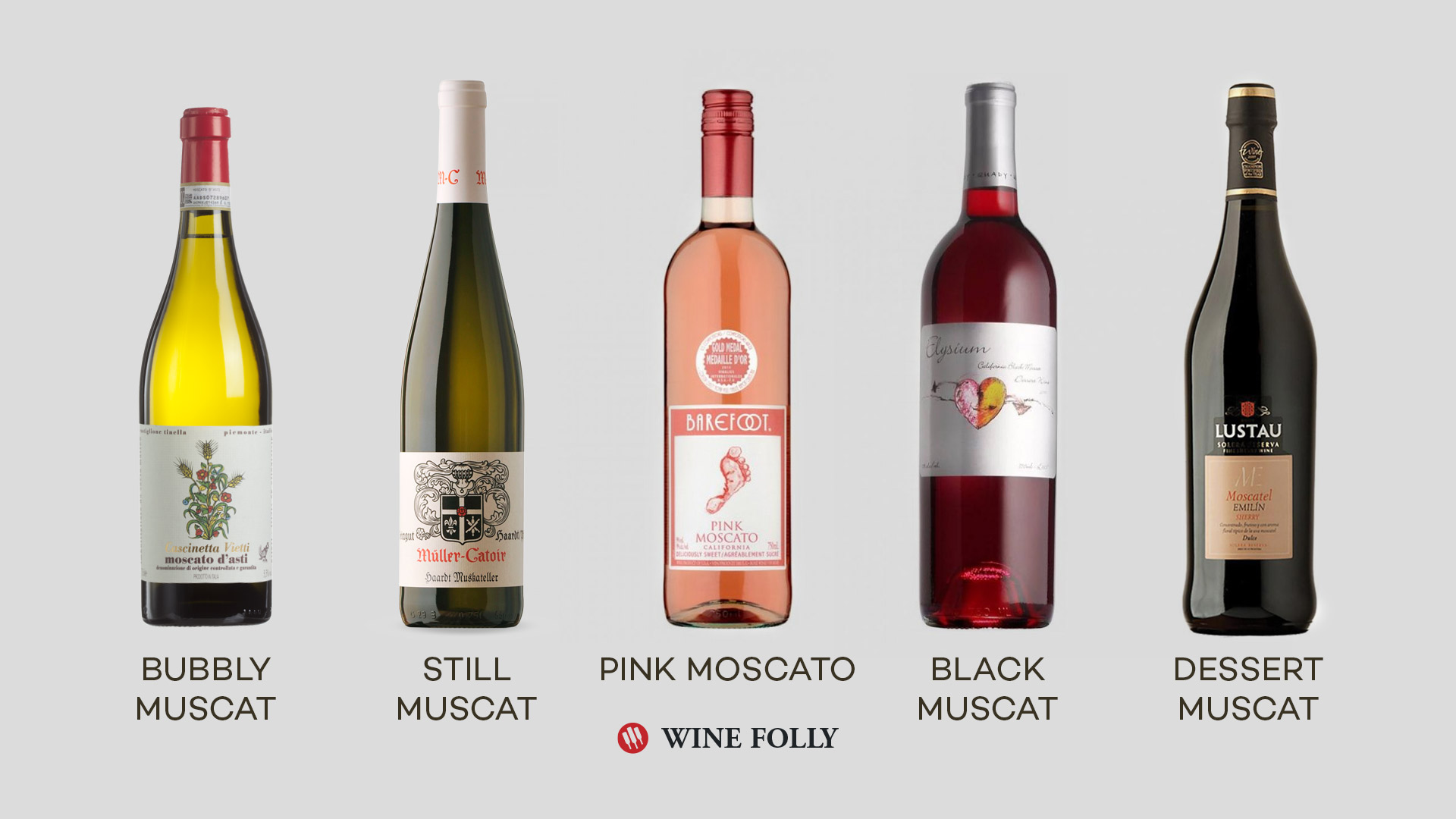
Saracco’s Moscato d’Asti remains a reference point for the region. Sourced from limestone-sand soils around Castiglione Tinella, it features a creamy, persistent mousse that lifts honeysuckle and white peach without overwhelming the palate. Vietti’s "Cascinetta" bottling leans toward savory complexity, pairing candied lime zest with a distinct wet-stone undertone that cuts through fruit sugars.
La Spinetta produces single-cru expressions, notably "Bricco Quaglia" and "Biancospino," demonstrating how elevation directly influences aromatics. "Bricco Quaglia" delivers immediate stone fruit and orange blossom aromas, while "Biancospino" carries herbal hints of sage and thyme. These bottlings prove that the best moscato wine commands the same critical rigor and respect as the region's structured red counterparts.
Vintage Profiles and Benchmarks: The Data Behind the Pour
Assessing quality requires analyzing sugar content, alcohol preservation, and pressure levels alongside critical scores. While Asti Spumante is fully sparkling at 5 to 6 bars of atmospheric pressure, Moscato d'Asti is bottled strictly as a frizzante sparkling wine at roughly 1.5 to 2.5 bars.
The following matrix compares primary market frontrunners across verified tasting panels and technical profiles:
| Producer & Bottling | Vintage & Rating | Chemistry (ABV / Sugar) | US Retail Range |
|---|---|---|---|
| Paolo SaraccoMoscato d'Asti DOCG | 2024, 202594 pts (Falstaff) | 5.5% ABV110, 120 g/L | $20, $24 |
| Vietti"Cascinetta" Moscato d'Asti | 2024, 202593 pts (Falstaff) | 5.0% ABV125, 130 g/L | $22, $27 |
| La Spinetta"Bricco Quaglia" | 2024, 202594 pts (Falstaff) | 5.5% ABV115, 125 g/L | $24, $29 |
| MassolinoMoscato d'Asti DOCG | 2024, 202592 pts (Falstaff) | 5.0% ABV110, 118 g/L | $23, $28 |
| Marchesi di Barolo"Zagara" Moscato d'Asti | 2024, 202591 pts (Falstaff) | 5.5% ABV120, 130 g/L | $18, $22 |
These ratings reflect clean, temperature-controlled fermentation practices that trap carbon dioxide naturally produced during alcoholic fermentation, eliminating the harsh, artificial carbonation found in generic sparkling beverages.
The Chemistry of Balance: Acidity, Sugar, and Low Alcohol
Winemakers craft this low alcohol sweet wine through a specialized adaptation of the Martinotti-Charmat method. Harvested Muscat Blanc à Petits Grains grapes undergo gentle pressing immediately upon arrival at the press house. The must is chilled down to 0°C (32°F) in refrigerated tanks to prevent wild yeasts from kickstarting early spontaneous fermentation.
When cellar masters prepare a release batch, they raise the must temperature to allow yeasts to convert grape sugars into alcohol inside pressurized stainless-steel autoclaves. The moment the wine hits around 5.0% to 5.5% ABV, cellar technicians flash-chill the tank back to sub-freezing levels. This thermal shock halts yeast activity permanently.
What remains in the pressurized tank is natural grape sweetness, usually between 100 and 130 grams per liter of residual sugar. Because no industrial cane sugar is added, the remaining liquid preserves pure fruit terpenes: linalool, geraniol, and nerol. These chemical compounds generate the wine's characteristic jasmine, linden leaf, and ripe apricot aromas. A brisk total acidity running between 5.5 and 6.8 grams per liter prevents the profile from lingering heavily on the palate, ensuring every sip concludes with a clean, dry impression.
Gastronomy Beyond the Dessert Cart
Consumer guides routinely designate Moscato as the best moscato for beginners due to its fragrant accessibility and modest alcohol levels. Yet limiting these bottles to casual introductory drinks overlooks their culinary versatility.
A classic dessert wine pairing leans on traditional regional combinations: hazelnut torte (torta di nocciole), panettone, almond biscotti, or seasonal fruit tarts. The gentle effervescence scrubs the palate between bites of dense pastry without exhausting the diner.
The wine shines brightest, however, when paired with high-contrast savory foods. Salt and pungent fat respond well to sweetness and effervescence. Blue-veined cheeses, particularly Gorgonzola Dolce and Roquefort, create a rich savory-sweet balance alongside a chilled glass of Asti.
Spicy regional cuisines offer another compelling culinary match. Sichuan chili oils, fiery Thai green curries, and Mexican habanero marinades easily strip dry, high-alcohol wines of their fruit, turning tannic reds bitter and astringent. Moscato operates on entirely different mechanics. Its 5% alcohol volume does not inflame the mouth's heat receptors, while residual sweetness coats the palate, buffering intense capsicum heat and cleansing the tongue with fine bubbles.
Frequently Asked Questions (FAQ)
Q1: What is the primary difference between Moscato d'Asti DOCG and Asti Spumante?
A1: Both wines hail from Piedmont and use Muscat Blanc à Petits Grains, but they differ in alcohol level and carbonation pressure. Moscato d'Asti is a frizzante (gently sparkling) wine sealed with a standard wine cork, carrying 1.5 to 2.5 atmospheres of pressure and roughly 4.5% to 5.5% ABV. Asti Spumante is a fully sparkling wine under 5 to 6 atmospheres of pressure, sealed with a champagne wire cage and mushroom cork, typically reaching 7% to 9% ABV.
Q2: How long can a fresh bottle of Piedmont Moscato age?
A2: Unlike Barolo or Barbaresco, Moscato d'Asti is crafted to be enjoyed young when primary floral aromatics and fruit acids are at their peak. Most bottles should be consumed within 12 to 24 months of release. While certain rare single-vineyard examples develop intriguing petrol and dried apricot notes after three years, freshness remains the style's defining quality.
Q3: What makes authentic Italian Moscato superior for entry-level wine drinkers?
A3: Its low alcohol content prevents palate burn, while the delicate sweetness and low astringency make it approachable for new wine drinkers. Authentic DOCG bottlings offer complex orange blossom, peach, and citrus aromas derived naturally from the grapes, avoiding the synthetic flavors found in mass-market commercial blends.
Q4: What is the ideal serving temperature for Moscato d'Asti?
A4: Serve chilled between 6°C and 8°C (43°F to 46°F). Serving it too warm overemphasizes sweetness and dampens the carbonation. Over-chilling below 4°C (39°F) locks down its delicate floral perfumes.
Navigating the New Standards of Italian Frizzante
The latest vintage releases from Piedmont confirm that sweet wine does not need to abandon complexity or structural balance to remain delicious. By honoring historical terroir along the Tanaro river valley, Northern Italy's top producers continue to establish clear distinctions between industrial mass production and authentic artisanal viticulture.
For collectors, adventurous dinner hosts, and entry-level enthusiasts exploring the shelves, navigating this space simply requires checking the back label. Look for the physical pink DOCG government seal across the neck, check for an estate-bottled address within Asti, Cuneo, or Alessandria, and seek out fresh vintage dates. Finding a bottle with that balance delivers one of the most vibrant, expressive drinking experiences the Italian peninsula has to offer.


