Pokémon Cards Inside Baseball Gloves? Inside MLB's Wildest Custom Gear Trend
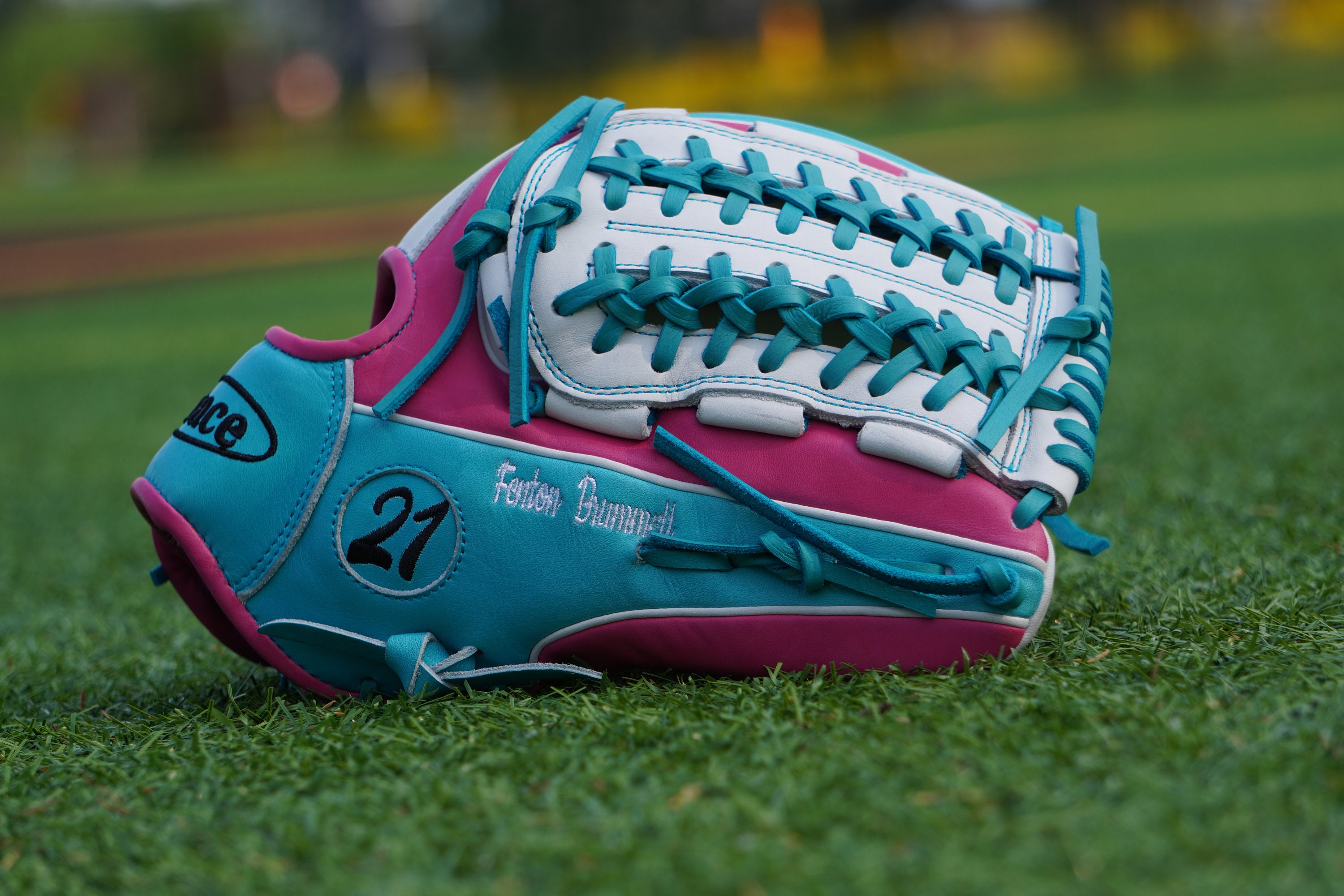
When Milwaukee Brewers fireballer Jacob Misiorowski took the mound during the 2026 All-Star festivities, spectators expected triple-digit fastballs. They did not expect a blazing Base Set Charizard staring back at them from behind the pitcher's fingers. Custom leather has been a staple of clubhouse locker stalls for decades, but the sight of high-grade trading cards physically built into the palm and web construction of professional mitts marks an unprecedented shift in on-field gear. As highlighted in a breaking ESPN Report covering the showcase, this collision of card collecting and dugout hardware is no longer an internet novelty; it is an active phenomenon inside major league clubhouses.
The movement caught fire early in the 2026 season when reliever Will Klein surfaced with an encapsulated pocket insert embedded directly into the leather of his mitt. Within months, boutique leatherworkers began fielding frantic requests from both minor league prospects and established bullpen arms. The trend bridges 1990s millennial nostalgia, modern sports memorabilia valuation, and extreme glove craftsmanship, turning standard defensive tools into wearable display cases.
📌 Key Takeaways:
- The Phenomenon: Pitchers Will Klein and Jacob Misiorowski brought trading card leather embeds to professional mounds, encasing authentic Pokémon cards within custom baseball gloves.
- The Engineering: Independent boutique workshop Special Made Gloves solved the structural hurdles of moisture, dirt, and repetitive catch impact using clear impact-resistant acrylic layers stitched into pro stock leather.
- The Regulatory Line: Pitcher glove customization faces strict MLB equipment regulations under Rule 3.07, which bars distracting colors, reflective surfaces, and foreign attachments that could confuse batters.
From Sleeves to Bullpens: How Will Klein and Jacob Misiorowski Started the Craze
Personalized baseball mitts typically feature embroidered initials, country flags, Bible verses, or family tributes stitched across the thumb bridge. That standard changed in April 2026 when Will Klein showed off a custom glove featuring an embedded trading card window. The baseball internet immediately erupted. Within days, MLB.com and the New York Post verified that the piece was completely playable, built to withstand daily bullpen sessions rather than sit on an office shelf.
Brewers top pitching prospect Jacob Misiorowski pushed the trend onto baseball's biggest stage three months later. Selected for the All-Star showcase in July, Misiorowski unveiled a glove sporting an iconic Charizard Pokémon card implant set deep into the leather backing. The high-energy visual matched his blistering pitch arsenal. Photographers in the photo well quickly traded long-distance telephoto shots of grips for macro close-ups of Misiorowski's pocket.
The visual resonated deeply with a generation of ballplayers who grew up trading cards in elementary school hallways before grading them through third-party authenticators as young adults. For relievers and starters who spend hours studying analytics in quiet bullpens, the glove became a canvas of individuality that went far beyond color-blocked lacing or custom stamps.
Engineering the Embed: Leather Crafting Meets Card Preservation
Sewing a 2.5-by-3.5-inch piece of fragile cardstock into a piece of professional sports equipment presents obvious mechanical challenges. Baseball gloves undergo brutal treatment. Players slam them against dirt, soak them in sweat, condition them with petroleum-based balms, and subject them to the blunt force of 95 mph returns. Standard trading card plastics would crack under that pressure, while unsealed cardstock would rot from moisture within three innings.
The breakthrough came courtesy of independent custom glove manufacturer Special Made Gloves, the creative outfit behind both Klein's and Misiorowski's models. Rather than simply gluing an enclosure onto pre-cut steerhide, craftspeople rebuilt the shell pattern entirely:
The construction uses thick, pre-conditioned pro stock leather, often Japanese kip or top-grade American steerhide, cut to accommodate a recessed pocket on the back of the web or wrist panel. Over the card, makers install a non-yellowing, scratch-resistant polycarbonate barrier. This shield prevents impact trauma while maintaining a tight perimeter seal to lock out moisture, field chalk, and dirt. Leather binding is then hand-stitched along the border with reinforced Kevlar-blend threading to prevent the enclosure from pulling away during deep glove flexes.
Custom Glove Web Styles Built for the Mound
Pitchers operate under unique physical constraints when picking a custom baseball glove. Infielders need shallow pockets for lightning-fast transfers, but pitchers prioritize total ball concealment to prevent pitch-tipping. Glove web design directly dictates where and how an embedded card can rest safely.
| Glove Tier / Era | Primary Shell Materials | Customization Capabilities | Average Price Range | MLB Mound Status |
|---|---|---|---|---|
| Standard Pro Stock (2018, 2022) | US Steerhide, Standard Kip | Direct embroidery, custom lace colors, stamped names | $280, $400 | Fully Approved |
| Artisan Custom (2022, 2025) | Japanese Kip, Snakeskin/Exotic welting | Multi-tone leathers, custom web engravings, foil stamps | $450, $650 | Approved (Subject to Color Limits) |
| TCG Collectible Embed (2026, Present) | High-Tensile Kip, Polycarbonate window | Sealed card enclosures, reinforced backings, custom frames | $750, $1,200+ | Conditional / Exhibition Use |
Most pitchers choosing this design favor closed web structures, such as a solid two-piece web, a closed basket, or a modified trapeze. These styles offer flat surface real estate on the glove back or thumb reinforcement. Placing the transparent capsule on the glove shell rather than inside the catching pocket avoids interfering with the natural break-in process. The palm retains its standard shape, ensuring that catching a line drive will not shatter the internal encasement or crush the card inside.
Charizard Under Scrutiny: Navigating MLB Equipment Regulations
The viral popularity of the design quickly triggered internal reviews by league officials and equipment managers. Professional baseball protects its rulebook rigorously, and pitchers face stricter gear standards than any other position on the field.
Official Major League Baseball Rule 3.07 strictly regulates pitcher equipment. Under these guidelines, a pitcher's glove cannot feature white, gray, or distracting color combinations that might obscure a batter's sightline to the ball. Umpires hold unilateral authority to remove any glove they deem reflective or visually disruptive. Holographic foil cards, like a vintage Charizard, naturally shimmer in sunlight or under high-powered stadium floodlights.
Because of this, players have navigated the trend strategically. Misiorowski showcased his Pokémon glove during All-Star warmups and batting practice exhibitions where equipment regulations loosen significantly. During competitive regular-season play, pitchers opting for trading card leather embeds must choose matte-finish cards, non-glare protective lenses, and leather backings that match league-approved color schemes. If an opposing manager complains that a holographic sheen distorts the pitcher's release point, the home plate umpire will order an immediate equipment change.
Collector Culture Invades the Professional Dugout
The custom glove market is experiencing a profound generational transition. For decades, traditional equipment manufacturers pushed uniformity. Pitchers received black, tan, or deep cordovan gloves from legacy brands, personalized with nothing more than their roster number and clean cursive stitching. But the current generation of athletes treats on-field equipment with the same creative freedom seen in sneaker collaborations.
Trading card culture exploded in value and mainstream visibility during the early 2020s. Today, athletes regularly buy, trade, and invest in sports cards and pop culture TCG franchises. Embedding a rare card into a work tool turns a piece of functional leather into a trophy piece. Some collectors outside the sport initially shuddered at the idea of exposing cards worth hundreds, sometimes thousands of dollars to athletic punishment. Yet players view this as the ultimate flex: displaying genuine rarity right on the field of play rather than tucking it away inside a safe-deposit box.
Independent glove makers have capitalized on this momentum. Boutique leather shops report surging waitlists, with amateur travel ball players and college arms clamoring for personalized baseball mitts configured to hold their favorite childhood cards, gaming memorabilia, or rookie cards of their pitching idols.
Frequently Asked Questions (FAQ)
Can amateur and high school pitchers use card-embedded gloves in official games?
Generally no. Organizations like NFHS and the NCAA maintain strict regulations prohibiting distracting attachments, foreign materials, and multi-colored inserts on pitcher gloves. While position players may occasionally pass gear checks depending on the umpire crew, pitchers will almost certainly be ordered to swap gloves before throwing a pitch.
Does catching a hard-hit baseball ruin the embedded card?
No, provided the glove was built by an experienced custom glove manufacturer. Craftsmen install the card compartment into the outer shell, thumb bolster, or wrist panel rather than inside the strike face of the palm. The impact of catching the ball is absorbed by the padding and palm leather, leaving the isolated, polycarbonate-protected card housing undisturbed.
How much does a bespoke custom glove with a card embed cost?
While baseline pro stock leather gloves retail between $300 and $400, bespoke creations with built-in card enclosures, specialized acrylic lenses, and custom weltings generally start around $750 and can exceed $1,200. This price does not include the market value of the trading card provided by the athlete.
Are players embedding authentic original cards or replicas?
Both Klein and Misiorowski used authentic cards in their viral gloves. However, many players who order these builds choose mid-grade original cards or high-definition custom art prints to avoid destroying museum-grade assets through daily sweat and ultraviolet exposure.
Where Dugout Individuality Meets Baseball Tradition
Baseball has spent over a century balancing strict traditional decorum against the organic self-expression of its players. Decades ago, brightly colored wristbands and non-black cleats sparked fierce clubhouse arguments. Today, creative expression is celebrated as an essential vehicle for athlete branding and fan engagement.
The emergence of trading card custom gloves highlights how deeply modern athlete hobbies intersect with professional performance. Whether the league formalizes strict parameters for transparent pocket inserts or keeps them limited to showcase exhibitions, the barrier has broken. Pitchers will continue exploring custom glove web styles and specialized leathercraft to project their personalities, proving that even a century-old leather mitt still has room for reinvention.


