Proof of the Rift: Social Media Posts, Diss Bars, and 50 Cent's Threatened T.I. Doc
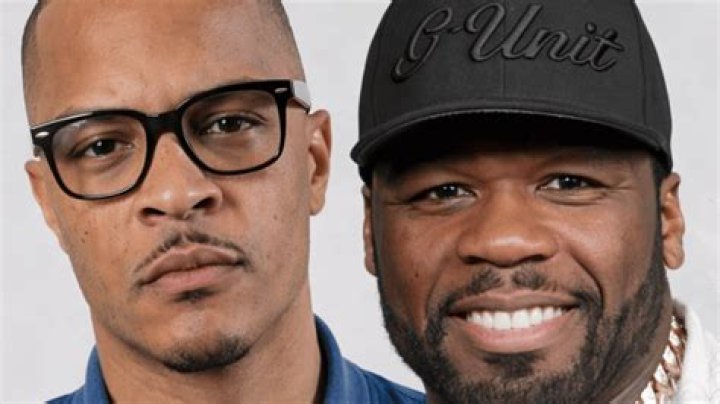
Curtis Jackson and Clifford Harris have officially traded the comment section for the recording booth and the production studio. What began as years of low-stakes sparring over who ruled 2000s commercial rap erupted into an all-out media blitz in early 2026. The tension crossed a point of no return when Harris released his sharpest musical attack yet, an escalation detailed in an XXL Mag Report covering his fourth consecutive targeted record.
Rather than quietly absorbing the records, 50 Cent deployed his signature dual-front playbook: firing back on the official theme track for his upcoming Starz prequel series and publicly floating plans for an investigative docuseries digging into the Harris family's past. With T.I.'s wife, Tameka "Tiny" Harris, breaking her silence to challenge Jackson's motives, this high-profile rap beef timeline has mutated from lighthearted competitive banter into a multi-platform media war spanning broadcast television, streaming music, and federal legal history.
📌 Key Takeaways:
- Musical Escalation: Clifford Harris released four distinct diss records within weeks, culminating in "I Don't Do Memes, I Do Music," attacking Curtis Jackson's pivot from musician to internet troll.
- Television Counterpunch: Jackson answered on wax using the official theme song for his upcoming series Power Origins, enlisting singer-producer Leon Thomas to drop subliminal warnings.
- Documentary Threats: Jackson signaled plans to produce an investigative G-Unit Film & Television documentary scrutinizing the Harris family, drawing sharp public pushback from both T.I. and Tiny Harris.
How an Instagram Spat Spiraled Into Full-Scale Wax Warfare
The friction between Curtis "50 Cent" Jackson and Clifford "T.I." Harris simmered quietly for over half a decade before detonating. In 2020, Harris challenged Jackson to a Verzuz battle during an Instagram Live broadcast on Jackson's birthday, claiming his catalog could go toe-to-toe with Get Rich or Die Tryin' and The Massacre. Jackson dismissed the challenge with trademark ridicule, posting comedic memes mocking Harris’s vocabulary, his past run-ins with federal law enforcement, and his legal entanglements.
For years, the exchange stayed confined to the digital court of public opinion. Jackson treated Harris as another target in his daily social media rotation, while Harris maintained that Jackson was hiding behind viral jokes to avoid an onstage musical duel. By early 2026, the dynamic hardened. Harris grew weary of being the punchline on Jackson's 33-million-follower Instagram feed and shifted his strategy entirely, pulling the conflict out of the comment section and forcing it back into the studio.
T.I. Pours Fuel on the Fire: 'I Don't Do Memes, I Do Music'
Harris took aim directly at Jackson's creative transition. In his late-February release, "I Don't Do Memes, I Do Music," the Atlanta native laid down technical, dense diss bars dissecting Jackson's reliance on social media algorithm bait over authentic hip hop rivalry. Across four separate tracks released in rapid succession, Harris drew a distinct line: while Jackson spent his days managing television slates and trolling peers online, Harris presented himself as an active, razor-sharp lyricist who never abandoned the craft.
The record hit a nerve across the hip hop landscape. Community commentary on Reddit's r/hiphopheads and hip-hop forums noted that Harris had outmaneuvered Jackson tactically by refusing to play into Instagram theatrics. Harris explicitly challenged Jackson to drop sixteen bars instead of sixteen memes, betting that the television executive had grown too rusty to compete on lyrical merits alone.
The 'Power Origins' Theme Song and the Leon Thomas Retaliation
Jackson refused to let Harris control the narrative. On March 6, 2026, reports confirmed that 50 Cent fired back inside the music itself, embedding pointed verses into the theme song for his upcoming Starz prequel series, Power Origins. Teaming up with Grammy-winning singer and producer Leon Thomas, Jackson delivered a track that balanced gritty street-level hooks with direct warnings aimed at the Atlanta kingpin.
Rather than engaging in an underground mixtape exchange, Jackson leveraged his sprawling entertainment empire to distribute his rebuttal. The track juxtaposes Leon Thomas’s smooth melodic chorus against Jackson’s trademark menacing cadence. Listeners immediately isolated Jackson’s bars, which ridiculed Harris for burning studio time while Jackson quietly built out television syndication deals and multi-million-dollar production slates. The move proved that Jackson could still craft high-impact music when provoked, using a flagship television property as his primary battleground.
The Feud Escalation: Key Developments Across Early 2026
The conflict moved rapidly from individual social posts to commercial releases and broadcast threats. The following breakdown captures how the rivalry shifted between February and March 2026:
| Date | Primary Actor | Medium / Platform | Tactical Impact |
|---|---|---|---|
| Feb 26, 2026 | Clifford "T.I." Harris | Digital Single | Drops "I Don't Do Memes, I Do Music," marking his fourth consecutive diss track aimed at Jackson. |
| March 5, 2026 | Curtis "50 Cent" Jackson | Social Media / G-Unit Film | Teases an unscripted investigative documentary digging into Harris's past legal entanglements and allegations. |
| March 6, 2026 | Curtis "50 Cent" Jackson | Starz Soundtrack Single | Releases the Power Origins theme song featuring Leon Thomas, delivering lyrical shots aimed at Harris. |
| March 6, 2026 | Clifford & Tiny Harris | HOT 97 & Social Statements | Harris dismisses Jackson's doc threats on radio; Tiny Harris issues a public response calling out harassment tactics. |
The G-Unit Documentary Threat and Tiny Harris’s Response
Jackson did not restrict his strategy to music. Mirroring his multi-part docuseries targeting Sean "Diddy" Combs that sold to Netflix, Jackson used his social accounts on March 5, 2026, to hint that G-Unit Film & Television had entered pre-production on an investigative docuseries focusing on T.I. and Tiny. The premise promised a deep dive into the couple's historical legal battles, civil lawsuits, and past controversies, turning unscripted investigative television into an attack dog.
The gambit escalated the situation into personal territory. Speaking on HOT 97, Harris addressed the documentary chatter with cool disdain, telling hosts that Jackson was behaving like an internet blogger desperate for relevance rather than an accomplished mogul. Harris warned that trying to monetize his family’s private legal history would carry severe reputational consequences.
Shortly after, Tameka "Tiny" Harris broke her silence online. Tiny addressed Jackson directly, criticizing him for attacking families and turning sensitive legal matters into marketing tools for his entertainment company. She highlighted Jackson’s pattern of targeting women and family dynamics whenever male peers challenged his catalog. The response shifted public perception, drawing support from observers who felt Jackson’s television threats crossed an ethical line that had separated professional rap rivalry from predatory content generation.
Industry Fallout and Public Debate
The standoff divides rap fans into two distinct camps. On one side, purists celebrate Harris for pulling the genre back to traditional fundamentals: dropping records, stacking rhyme schemes, and confronting an opponent purely through microphone skill. Harris's four diss records demonstrated that his delivery remains sharp, earning organic praise from radio stations across Atlanta and New York.
On the other side, Jackson’s supporters point out his structural leverage. As head of G-Unit Film & Television, Jackson commands distribution channels that dwarf traditional music rollouts. By putting his response on the Power Origins theme song, he ensured millions of Starz viewers would hear his lyrical counterpunch without spending a single dollar on conventional music marketing. Yet, Jackson's documentary threats sparked criticism even among his long-term fans, with commentators warning that weaponizing true-crime formats against personal rivals devalues investigative journalism.
Frequently Asked Questions (FAQ)
Q1: Why did T.I. drop four diss tracks against 50 Cent in 2026?
A1: Clifford Harris grew frustrated with Curtis Jackson’s relentless social media memes and dismissive attitude toward a potential Verzuz battle. Harris released multiple tracks, including "I Don't Do Memes, I Do Music", to force Jackson into a lyrical contest rather than an internet popularity match.
Q2: What is 50 Cent's track with Leon Thomas, and does it diss T.I.?
A2: The song is the official theme track for Power Origins, the upcoming prequel series in Jackson's expanding Starz franchise. Premiered in early March 2026 and featuring vocals from Leon Thomas, Jackson's verses contain direct subliminal jabs mocking Harris for releasing unprompted diss tracks while Jackson secures major corporate entertainment deals.
Q3: Is 50 Cent actually producing a documentary about T.I. and Tiny Harris?
A3: Jackson publicly teased an unscripted docuseries through G-Unit Film & Television exploring the legal disputes and controversies surrounding T.I. and Tiny. While Jackson has made similar moves against other industry rivals, no streaming network or formal distribution partner has confirmed an official broadcast commitment for the project.
What Clifford Harris and Curtis Jackson Risk Next
This battle highlights how modern hip-hop rivalries operate across disconnected mediums. Clifford Harris proved that pure rap mechanics still command cultural attention; his records forced a billionaire entertainment mogul back onto the microphone. Curtis Jackson demonstrated that controlling television platforms provides a defense mechanism that traditional record labels cannot match.
Yet the stakes carry real liabilities for both sides. If Harris continues releasing tracks that Jackson answers only with television themes and production threats, the Atlanta artist risks burning creative energy against an opponent who will not play by traditional battle-rap rules. If Jackson proceeds with a full-scale investigative docuseries aimed at the Harris family, he risks transforming a revered competitive hip-hop legacy into a bitter legal brawl that alienated peers, corporate sponsors, and longtime fans alike.