Revisiting the Matheny Manifesto: How Parents and Leagues Can Curb Toxic Dugout Rage

A ten-year-old steps out of the batter's box after striking out looking, his shoulders slumped as he retreats toward the third-base bench. Instead of receiving mechanical instruction or a reassuring pat on the helmet, he is blindsided by a red-faced adult bellowing four inches from his face guard, barking that he just cost the entire roster their tournament seed. What suburban diamonds long excused as "old-school intensity" is facing an unprecedented institutional reckoning. As highlighted by an ongoing ProPublica Report investigating abusive coaches across American youth sports, unchecked verbal aggression on municipal diamonds is no longer treated as a harmless relic of competitive passion.
The culture of the screaming adult has collided directly with evolving child safeguarding protocols and parent revolts. For decades, recreational boards dismissed screaming as passionate mentorship, forcing hesitant parents into silence out of fear that speaking up would bench their children. Today, national governing bodies, legal authorities, and reform-minded directors are establishing strict boundaries, converting classic philosophical treatises into enforceable sideline regulations.
📌 Key Takeaways:
- The Boundary Line: Decibel-heavy dugout berating has shifted from an accepted cultural quirk to an actionable violation under modern Little League code of conduct rules.
- Systemic Risks: Unchecked emotional abuse often masks wider governance failures, which recent investigations in Texas and Illinois show can escalate into profound safeguarding breakdowns.
- The Matheny Standard: Mike Matheny's classic youth manifesto offers a practical blueprint for parents to reclaim youth sports by enforcing silent sidelines and strict coach accountability.
The Escalation Ladder from Dugout Tirades to Systemic Abuse
Verbal abuse in youth sports does not occur in a vacuum. Sports psychologists and compliance officers consistently identify a clear trajectory: volunteer coaches who normalize public humiliation, derogatory name-calling, and prolonged shouting frequently cultivate environments where all boundaries erode. When adults view child athletes as instruments for their own vicarious validation, player well-being deteriorates rapidly.
That breakdown can produce catastrophic outcomes. In 2026, criminal cases across the country underscored the urgent need for stringent vetting and zero-tolerance policies. Vernon Hills police issued arrest warrants for volunteer softball coach Eduardo "Eddie" Acosta-Gonzalez of Hoffman Estates following felony sexual abuse allegations involving a player under his direction. Weeks later, parents in North Texas expressed outrage after law enforcement arrested a Johnson County youth baseball coach for child sexual abuse. In both instances, community members pointed to initial boundary blurrings, excessive private messaging, unchecked dugout isolation, and extreme emotional leverage, that went unaddressed by local league administrators.
Toxic youth baseball coaches frequently exploit the emotional investment of players and parents. When a manager uses screaming to establish unchecked dominance, they establish an insular culture where questioning authority is framed as disloyalty to the team. Recognizing these emotional abuse red flags early, such as singling out players for group mockery, using conditioning as punitive humiliation, or barring parents from practices, is the first line of defense in child protection.
Deconstructing the Matheny Manifesto in Modern Youth Ball
Long before federal compliance standards reached youth fields, former St. Louis Cardinals manager Mike Matheny articulated the gold standard for sideline sanity. When approached to coach a youth baseball team in the early 2000s, Matheny penned an uncompromising five-page letter to the parents. Known universally as the Matheny Manifesto principles, the document established terms that reversed standard youth baseball dynamics: the coaches would coach without parental second-guessing, but in return, the coach swore absolute allegiance to character development over winning.
Matheny barred sideline coaching from parents and eliminated screaming from his own dugout. His philosophy rested on a simple developmental reality: baseball is a game of failure where a hitter failing seven out of ten times is deemed exceptional. Subjecting an eight-year-old or twelve-year-old to aggressive berating after an error paralyzes muscle memory, accelerates burnout, and induces chronic athletic anxiety. Leagues today are formally transcribing these principles into their seasonal registration forms, demanding that volunteer coaches sign covenants promising quiet, composed instruction during live gameplay.
Differentiating Constructive Feedback from Actionable Misconduct
Distinguishing between firm coaching and actionable abuse requires clear benchmarks. The table below outlines how modern youth sports organizations delineate developmental correction from prohibited conduct under contemporary safeguarding standards.
| Game Situation | Constructive Athletic Instruction | Actionable Misconduct (SafeSport / Code of Conduct) |
|---|---|---|
| Routine Fielding Error | "Stay down on the hop next time. Keep your glove out in front." | Screaming across the infield: "Are you blind? You're costing us this tournament!" |
| Strikeout with Bases Loaded | Calm bench debrief reviewing swing mechanics and strike-zone discipline. | Throwing clipboards, slamming bats against dugout fences, or public shaming in front of peers. |
| Physical Conditioning | Base-running fundamentals tailored to the age bracket with adequate hydration breaks. | Running sprints until physical vomiting as punishment for blown plays; withholding water. |
| Player Disagreements | Facilitated bench conversation focused on mutual sportsmanship and shared goals. | Directing personal insults, curse words, or derogatory slurs at an athlete. |
Navigating Parental Intervention When Boundaries Are Crossed
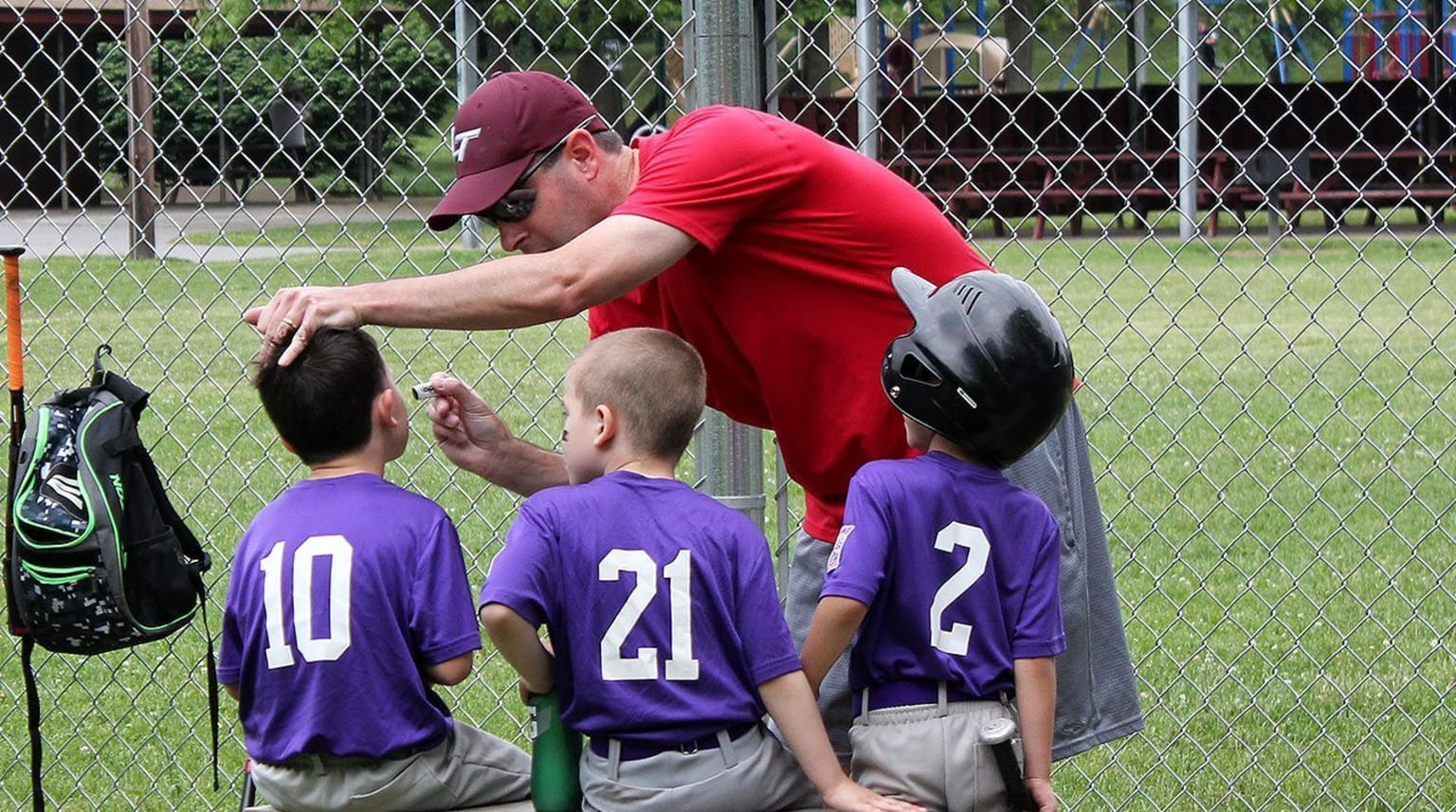
When a volunteer coach loses composure, parents frequently feel trapped. Confronting an agitated adult on the field risks triggering an embarrassing scene, while remaining silent makes a child feel abandoned in a hostile setting. Handling these scenarios requires calculated, structured intervention.
If physical safety is compromised or a coach corners a child in a verbally violent manner, immediate youth sports parental intervention is justified. A parent should calmly step to the dugout gate, call their child by name, and remove them from the immediate vicinity without engaging in a shouting match with the bench staff. De-escalation protects the child from secondary trauma while denying the abusive coach an audience.
For non-emergency instances, such as chronic degrading sarcasm or elevated decibel dressing-downs, parents should bypass the traditional "wait 24 hours and talk to the coach" recommendation if the coach has exhibited erratic behavior. Instead, document the exact date, inning, words spoken, and nearby witnesses. Submit written athletic director complaints directly to the league’s safety officer and board president, explicitly citing breaches of the Little League code of conduct or club bylaws.
Closing Governance Gaps: SafeSport Compliance and Vetting
Grassroots athletic leagues often operate on shoestring budgets powered by well-meaning volunteers. This operational informality has historically left massive gaps in oversight. Comprehensive SafeSport compliance, mandated by federal legislation under the Protecting Young Victims from Sexual Abuse and Safe Sport Authorization Act, applies directly to organizations affiliated with national governing bodies like USA Baseball.
Compliance cannot end with automated online slide decks. Effective safeguarding requires rigorous volunteer coach background checks that search multi-jurisdiction criminal databases, sex offender registries, and reference checks. Far too many leagues approve volunteers simply because someone stepped forward to take an unpaid post.
Moreover, local boards must enforce transparent dugout behavior guidelines. Establishing clear dugout boundaries, such as requiring open dugouts visible to spectators, mandating two background-checked adults present at all times, and prohibiting one-on-one electronic messaging with minors, removes the privacy that abusive figures rely upon. Reporting coach misconduct must also feature anonymous reporting mechanisms so families can lodge formal safety complaints without fearing immediate athletic retribution against their children.
Frequently Asked Questions (FAQ)
Q1: At what point does intense sports coaching become actionable emotional abuse?
A1: Coaching crosses the legal and ethical line into abuse when it ceases to be instructional and becomes personally derogatory, intimidating, or continuous. Using profanity, threatening physical harm, mocking an athlete's physical characteristics, and punitive conditioning that ignores weather or hydration limits are universal red flags that violate national coaching codes.
Q2: Can a municipal league protect an abusive coach if the coach is a prominent board member?
A2: While local board nepotism remains a persistent issue, parents have external escalation pathways. If the league operates under national charters like Little League International, Babe Ruth League, or USA Baseball, complaints can be filed directly with district administrators or the national governing body. If the conduct involves physical threats or boundary grooming, reports should be made directly to local child protective agencies and law enforcement.
Q3: Does federal SafeSport legislation apply to independent travel ball clubs?
A3: If an independent travel organization operates outside the umbrella of a national governing body (such as USA Baseball), it may not be legally mandated to report through the U.S. Center for SafeSport. However, private travel clubs remain bound by state child endangerment statutes and municipal facility permits, which increasingly require commercial insurance policies with strict safeguarding riders.
Reclaiming the Diamond for the Next Generation
The image of an adult barking fury at an elementary school child on a dirt diamond is rapidly losing its cultural pass. Youth sports exist primarily to instill athletic resilience, physical literacy, and a lifelong appreciation for team play. When dugout dynamics mirror hostile work environments, the entire framework fails the very children it was designed to serve.
Reversing this dynamic does not mean eliminating competitive standards or shielding young athletes from the reality of hard work. It means holding adults to the standard expected of educators. League boards, volunteer coordinators, and parents hold the leverage: by enforcing rigorous vetting, reporting misconduct without hesitation, and upholding zero-tolerance dugout policies, communities can ensure that the baseball diamond remains a proving ground for character rather than an outlet for adult rage.