Rick Rubin's Polymarket Commercial: Everything You Need to Know
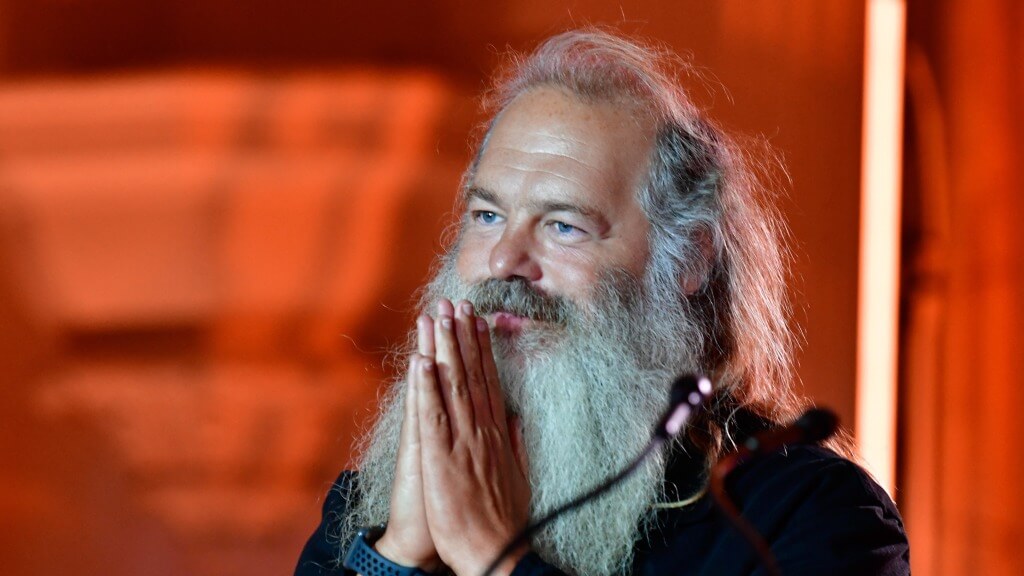
Television audiences tuning into the opening stages of the 2026 FIFA World Cup expected beer commercials, athletic apparel showcases, and automotive spots. Instead, they were greeted by the unhurried, bearded presence of Rick Rubin pitching a decentralized prediction market. As detailed by a Consequence of Sound Report, the legendary producer has stepped squarely into mainstream advertising as the face of Polymarket's aggressive global tournament campaign.
The spot arrived without prior teaser campaigns, landing mid-broadcast during prime-time group fixtures. Social media feeds immediately fractured into amused disbelief and sharp creative criticism. For decades, Rubin carefully manicured an aura of minimalist artistic purity, guiding everyone from Run-D.M.C. and Slayer to Johnny Cash and Adele from sunlit Malibu studios. Watching that same ascetic figure champion a crypto betting platform during sports broadcasts instantly ignited a fierce debate about celebrity brand endorsements and the normalization of event contracts trading.
📌 Key Takeaways:
- The Campaign: Def Jam Recordings founder Rick Rubin stars in a high-profile television ad for Polymarket airing globally throughout the summer 2026 World Cup broadcasts.
- The Strategy: Polymarket is using Rubin's philosophical, anti-hype persona to rebrand decentralized prediction markets as sober, consensus-driven information markets rather than speculative gambling apps.
- The Reaction: Critical outlets, led by Paste Magazine, voiced immediate skepticism over the counterculture producer shilling Web3 speculative products to soccer fans.
The Barefoot Guru Enters the World Cup Broadcast
The commercial opens on total silence, a striking audio choice amid the blaring stadium horns and hyperkinetic montages of typical soccer commercial breaks. Rubin sits cross-legged, barefoot on a plain studio floor, gazing directly into the lens. He does not yell about deposit bonuses. He does not mention parlay boosts. Instead, he speaks in his trademark meditative cadence about collective human intuition, probability, and the search for truth amid noise.
The visual minimalism directly mirrors Rubin’s 2023 bestselling book on creativity, translating his zen aesthetic into high-stakes corporate messaging. Visual cues flash subtly in the margins: shifting percentage tickers tracking World Cup match outcomes, international political developments, and cultural milestones. By the time the closing card reveals the Polymarket logo, Rubin has delivered a philosophical defense of crowdsourced probability without uttering standard crypto jargon.
The placement during the largest sporting spectacle on earth represents an unprecedented media buy for a decentralized prediction market. Industry estimates place the initial tournament ad rollout well into eight figures, signaling Polymarket’s determination to capture everyday sports viewers who typically default to traditional operators like DraftKings or FanDuel.
Why Polymarket Bet on Music's Most Enigmatic Producer
Tech companies routinely hire marquee athletes or comic actors to push speculative finance products. Crypto exchanges flooded the 2022 Super Bowl with Matt Damon and Larry David, a marketing blitz that aged poorly during the subsequent market downturn. Polymarket took a calculated detour by choosing an elder statesman of music production rather than an active sports star.
Rubin carries singular cultural equity. As the co-founder of Def Jam Recordings in his NYU dorm room in 1984, he engineered the sonic blueprint of modern hip-hop before stripping rock and country icons down to their rawest emotional cores. He is viewed by the public not as a corporate pitchman, but as an oracle who detects signals long before the general public notices them. That precise reputation makes him valuable to a platform trying to reframe speculative betting as an intellectual pursuit.
Polymarket does not want to be categorized alongside offshore sportsbooks. Company messaging frames the platform as a real-time forecasting engine powered by economic incentives. Enlisting Rubin serves that exact narrative: it tells the viewer that reading market probabilities is an exercise in perception and clarity, rather than a frantic wager on a corner kick.
Prediction Markets vs. Traditional Sportsbooks: The 2026 Landscape
The World Cup advertising push underlines a structural transformation in how digital audiences interact with live events. Polymarket operates on order books where participants trade binary shares reflecting real-world outcomes, contrasting sharply with the house-banked odds of legacy sportsbooks.
| Operational Metric | Legacy Sportsbooks (DraftKings, BetMGM) | Decentralized Markets (Polymarket) |
|---|---|---|
| Counterparty Risk | The house sets the line and takes the opposing position. | Peer-to-peer liquidity pools; trades execute against other users. |
| Fee Structure (Vigorish) | 4.5%, 10% built into unbalanced pricing spreads. | Dynamic maker-taker trading fees (often under 1.5%). |
| Contract Scope | Restricted strictly to sanctioned athletic contests. | Sports, macroeconomic indicators, elections, and cultural milestones. |
| Pricing Discovery | Algorithms adjust odds to balance corporate liability. | Free-floating market prices bounded between $0.00 and $1.00. |
By framing tournament matches alongside political and financial outcomes, Polymarket bypasses the typical sportsbook presentation. Viewers see live probability shifts in real time, turning passive sports fandom into quantitative analysis.
Cultural Backlash and the Paste Magazine Critique
The reaction from culture writers and long-time music fans arrived swiftly. In a biting piece of commentary, Paste Magazine coverage targeted Rubin directly, characterizing the spot as a jarring betrayal of his artistic ethos. The publication noted the surreal disconnect of watching the "wild-haired, often-barefoot oracle behind Def Jam Recordings and one of the best-known music producers of the last 40 years" shilling a speculative Web3 wagering exchange to soccer viewers.
The friction stems from Rubin’s carefully guarded commercial history. Unlike contemporaries such as Dr. Dre, who built headphone empires and pitched consumer tech, Rubin rarely endorsed commercial products outside his own creative projects. He spent decades cultivating an image unconcerned with material wealth or financial machinations. Seeing him leverage that mystique on behalf of tokenized event contracts struck music traditionalists as discordant.
Online communities echoed this divide. On Reddit and X, music enthusiasts expressed disappointment over what they viewed as a cynical monetization of creative integrity. Simultaneously, financial technology analysts praised the campaign's visual restraint, pointing out that Rubin managed to cut through a saturated television environment far more effectively than any screaming celebrity cameo could have.
Regulatory Reality Behind the World Cup Ad Blitz
The glitzy international campaign masks a complicated legal landscape. While the ad airs across global broadcasts, access to decentralized prediction markets remains heavily circumscribed in several primary markets, most notably the United States.
Following a 2022 regulatory settlement with the Commodity Futures Trading Commission (CFTC), Polymarket blocked US-based IP addresses from executing trades on its core interface. Even as the platform spent heavily to dominate American-hosted World Cup tournament feeds, domestic viewers visiting the URL encounter compliance banners and restricted trade functions unless accessing permitted non-trading analytical dashboards.
This dynamic highlights an ongoing industry tension. Prediction platforms position themselves as informational utilities, mechanisms that aggregate decentralized intelligence better than opinion polls or talking heads. Yet regulators consistently scrutinize binary contracts as unlicensed derivatives trading. Rubin’s poetic monologue about collective truth reflects Polymarket's strategic effort to win the public relations battle, even as federal regulators continue weighing how event contracts ought to be supervised under existing commodities law.
Frequently Asked Questions (FAQ)
Q1: Why is Rick Rubin starring in a Polymarket commercial?
Polymarket recruited Rubin to present their platform as a thoughtful, crowdsourced information utility rather than a noisy gambling app. Rubin's reputation for artistic intuition and unvarnished truth aligns with the brand's goal of normalizing prediction markets for mainstream audiences.
Q2: When did the Rick Rubin Polymarket ad first broadcast?
The commercial launched in late June 2026, debuting during prime-time group stage broadcasts of the 2026 FIFA World Cup across international networks.
Q3: Can viewers in the United States trade on Polymarket after seeing the ad?
Trading on Polymarket remains restricted for US residents due to CFTC regulatory requirements established in 2022. While US viewers can watch the commercials and view live public odds, trading requires verified non-US status or participation through compliant regulatory pilot channels.
The Blurring Boundary Between Culture and Prediction
Rick Rubin's appearance in a prime-time prediction market spot marks a turning point in financial technology advertising. The loud, chaotic crypto commercials that defined earlier sporting broadcasts have yielded to quiet, prestige-heavy cultural diplomacy. Whether Rubin's minimalist pitch ultimately converts casual sports fans into active event-contract traders remains an open question. What is already clear is that decentralized prediction markets have left their niche technical silos behind, using the world's most trusted cultural architects to stake their claim on mainstream attention.


