Skincare Innovation Spotlight: How Creamy Corrective Formulas Took Over in 2026
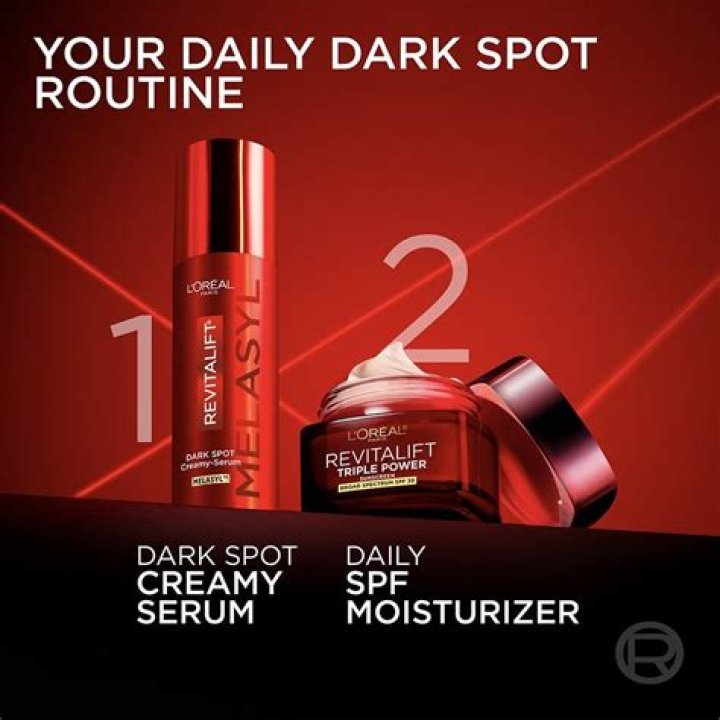
For years, targeting facial hyperpigmentation felt like an aggressive chemical trade-off. Consumers applied abrasive hydroquinone cocktails, high-percentage glycolic washes, and volatile ascorbic acid droppers that stung the skin, compromised the moisture barrier, and frequently left behind redness far worse than the original blemishes. In 2026, the clinical paradigm shifted decisively toward lipid-rich delivery systems. Driven by breakthrough research highlighted in a recent Cosmetics & Toiletries Report covering L’Oréal Paris’s launch of its Revitalift Melasyl Dark Spot Creamy-Serum, cosmetic formulators abandoned harsh, drying solvents in favor of restorative, hybrid textures designed to treat discoloration gently.
Consumers no longer accept peeling skin as the price of a clear complexion. Instead, interest has surged around targeted formulas that combine potent pigment-blocking chemistry with nourishing creams.
📌 Key Takeaways:
- The Formulation Pivot: Consumers and chemists have moved away from stripping acid solutions toward hybrid creamy-serum emulsions that protect epidermal lipids while fading spots.
- Precursor Trapping: Breakthrough molecules like Melasyl target melanin precursors before they coalesce into visible surface patches, stopping marks earlier in the pigment cascade.
- Clinical Durability: Controlled trials across 2025 and 2026 demonstrate that barrier-first corrective creams produce lower rates of post-inflammatory rebound than traditional chemical peels.
Why the Beauty Industry Abandoned Aggressive Acids for Lipids
The rise of the creamy spot treatment stems from collective irritation fatigue. Between 2020 and 2024, online skincare culture championed mega-strength exfoliants. Enthusiasts layered 10% niacinamide serums over 2% salicylic toners and 15% vitamin C elixirs, unwittingly destroying their protective acid mantle. The resulting micro-inflammation frequently triggered reactive melanocytes, creating post-inflammatory hyperpigmentation (PIH) in patients with deeper skin tones.
Dermatological clinics reported an influx of patients seeking corrections for damage caused by their own brightening routines. Cosmetic labs responded by re-engineering delivery vehicles. Rather than suspending active brighteners in aqueous alcohol solutions that evaporate quickly and shock skin cells, chemists turned to lamellar liquid crystal emulsions. These biomimetic structures mimic the skin's natural intercellular lipids.
A targeted pigment corrector suspended within a creamy matrix releases active molecules gradually. That sustained release prevents receptor oversaturation, curbs stinging, and allows patients with chronic sensitivity to treat stubborn patches twice a day without flaking or flaring.
Inside the Melasyl Innovation: Intercepting Pigment Precursors
The core biological breakthrough driving this shift is Melasyl (known chemically as 2-mercaptonicotinoyl glycine). Developed over nearly two decades of screening by L'Oréal researchers, the molecule represents an entirely different mechanism of action from conventional brighteners.
Standard treatments historically relied on tyrosinase inhibition. Ingredients like kojic acid, arbutin, and hydroquinone attempt to shut down the enzyme responsible for melanin production. This approach comes with structural flaws: tyrosinase inhibition can trigger cellular stress, cause uneven halo hypopigmentation, and prompt rebound discoloration once treatment stops.
Melasyl bypasses direct tyrosinase suppression. It acts as a molecular sponge within the melanocyte pathway, binding to reactive melanin precursors (specifically DOPAchrome and DHICA derivatives) before they polymerize into visible dark pigments. Because it traps and neutralizes these precursors without shutting down cellular machinery, the skin avoids inflammatory stress.
Integrating this molecule into a stable, velvety emulsion required extensive formulation balancing. Melasyl demands a specific pH window and oil-phase compatibility to remain bioavailable. The resulting hybrid products deliver the lightness of an essence alongside the lipid-replenishing moisture of a restorative salve.
Formulation Benchmarks: Liquid Spot Treatments vs. Creamy Hybrids
Independent consumer testing laboratories and dermatology clinics observed distinct performance differences when comparing traditional liquid spot correctors with modern creamy-serum emulsions.
| Clinical Performance Metric | Traditional Liquid Acid Serums (2020, 2024) | Modern Creamy Spot Treatments (2025, 2026) |
|---|---|---|
| Targeting Mechanism | Direct tyrosinase blocking & rapid chemical shedding | Precursor trapping (Melasyl) + barrier replenishment |
| Transepidermal Water Loss (TEWL) | Increased by 18%, 32% after 14 days of use | Decreased by 12%, 24% across 8-week evaluations |
| Post-Inflammatory Rebound Rate | High (observed in 19% of Fitzpatrick IV, VI subjects) | Low (under 3% in diverse phototype cohorts) |
| Average Tolerability Profile | Frequent erythema, micro-peeling, tight skin feel | High patient compliance; zero downtime |
| Price-to-Volume Average | $65, $140 per 30 ml (prestige specialty brands) | $28, $45 per 30 ml (mass clinical commercialization) |
The quantitative data underscores why user habits shifted rapidly. In consumer testing panels conducted in early 2026, users reported equal or superior post-acne mark clearing without the characteristic stinging that previously forced them to cycle off active treatments.
Barrier Repair as the Foundation for Pigment Correction
The foundational rule of 2026 dermatology is straightforward: you cannot correct pigment on a compromised skin barrier. When the stratum corneum suffers structural lipid depletion, cytokines release inflammatory signals deep into the basal layer. Melanocytes interpret this chemical stress as physical trauma, prompting them to produce melanin shields that form stubborn brown patches.
Modern creamy spot treatments resolve this feedback loop by infusing physiological lipids alongside brightening actives:
- Ceramides (NP, AP, EOP): Rebuild structural scaffolding between depleted corneocytes.
- Squalane and Phytosterols: Emulate the natural sebaceous film to shield raw epidermal cells from environmental pollutants.
- Niacinamide (Low-Dose 2%, 4%): Restores cellular energy balance and impedes melanosome transfer without the flushing tied to older, concentrated 10% serums.
- Ectoin and Centella Asiatica: Neutralize oxidative stress in exposed tissue to silence hyperactive signaling cascades.
By repairing the barrier concurrently with melanin inhibition, these formulations prevent the underlying inflammation that triggers dark spots.
Retail Disruptions: From Prestigious Backrooms to Accessible Shelves
The migration of advanced pigment science to accessible retail channels has transformed the market. In its comprehensive roundup on the industry's best dark spot correctors published on September 8, 2026, Forbes highlighted how high-performance treatments crossed over from exclusive cosmetic surgery offices to mainstream retail shelves. The launch of mass-market formulas backed by clinical patents gave millions access to advanced molecules without paying high boutique markups.
Online community channels reveal how dramatically patient expectations have changed. On Reddit’s r/SkincareAddiction and specialized skincare forums throughout mid-2026, discussions surrounding targeted discoloration treatments shifted focus from immediate acid concentrations to sustained skin comfort. Users frequently note that replacing thin, water-based solutions with lipid-rich creamy serums allowed them to apply spot correctors consistently under mineral sunscreen and cosmetics without peeling or chalkiness.
This widespread acceptance made targeted pigment correctors an everyday staple rather than an emergency intervention reserved for post-summer flare-ups.
Who Benefits Most vs. Who Should Adjust Application
While creamy corrective treatments deliver broad-spectrum benefits, individual skin physiology dictates actual clinical success:
- Ideal Candidates: Individuals managing stubborn post-inflammatory erythema (PIE), post-acne marks (PIH), and melasma exacerbated by barrier sensitivity. Patients with Fitzpatrick phototypes III through VI gain significant advantages due to the minimal risk of inflammatory rebound.
- Application Adjustments Required: Those with active cystic acne or congested sebaceous filaments should avoid applying rich creamy correctors directly over open lesions or oil-congested t-zones. Instead, apply the cream strictly as a pinpointed spot application rather than a full-face coat.
- Pre-Existing Dermatitis: Patients undergoing acute flare-ups of perioral dermatitis should suspend all active pigment-inhibiting agents, including hybrid emulsions, until baseline skin health stabilizes.
Frequently Asked Questions (FAQ)
Q1: How does a creamy spot corrector differ from a traditional dark spot serum?
A1: Traditional serums feature thin, alcohol- or water-based bases that evaporate quickly and rely on harsh chemical exfoliation or standard tyrosinase inhibition. Creamy correctors use lipid-rich emulsions that reinforce the skin barrier with ceramides and squalane while slowly releasing gentle melanin inhibitors like Melasyl without triggering inflammation.
Q2: Can I apply a creamy spot treatment to my entire face or only on isolated dark patches?
A2: Most modern creamy-serum formulas are engineered for dual-use. You can use them as an all-over brightening facial cream to correct uneven skin tone and fade sun damage, or apply them as a concentrated, gentle spot treatment directly over stubborn post-acne marks.
Q3: How long does it take to see visible fading on stubborn hyperpigmentation?
A3: Clinical evaluations indicate measurable lightening of superficial post-acne marks within 2 to 4 weeks of consistent twice-daily application. Dermal-epidermal discoloration and older sun spots generally require 8 to 12 weeks of continuous use alongside broad-spectrum daily SPF protection.
Q4: Will a creamy pigment corrector clog pores on oily or acne-prone skin?
A4: Modern formulations use lightweight, non-comedogenic lipids such as squalane and caprylic triglycerides rather than heavy mineral waxes. However, if your skin is prone to congestion, apply the product strictly as a targeted spot treatment rather than layering it over your entire t-zone.
The Next Phase of Targeted Facial Brightening
The mainstream emergence of creamy corrective formulas represents a maturity in how beauty consumers and chemists approach facial discoloration. The era of stripping the skin to eliminate unwanted pigment has given way to methods that respect biology. By replacing corrosive acid solutions with sophisticated precursor inhibitors delivered inside protective lipid vehicles, formulators have made long-term pigment management safer, more predictable, and substantially more accessible for every skin type.


