Social Media Ad Crackdown: Why Nutrapure Cutting Mix Is Under Scrutiny Right Now

Short-form video feeds on TikTok and Instagram have spent recent months serving users an unrelenting sales pitch: a bottle claiming to shred stubborn visceral fat and mimic clinical appetite suppression without a prescription. At the center of this viral push sits Nutrapure Cutting Mix, an over-the-counter dietary supplement that has skyrocketed across social feeds through aggressive affiliate marketing networks. Consumer protection watchdogs and health authorities have stepped in with formal fraud warnings, citing widespread deceptive marketing practices and unverified medical claims.
The pushback is part of a broader regulatory offensive against predatory fitness and wellness ads. As documented in a recent TODAY.com Report on predatory weight loss schemes, federal authorities and digital platforms are moving to dismantle hundreds of campaigns pushing unregulated fat burners and fake GLP-1 weight loss ads directly to vulnerable consumers.
📌 Key Takeaways:
- The Scrutiny: Federal trade watchdogs and state attorneys general are targeting viral campaigns for Nutrapure Cutting Mix over fabricated clinical endorsements and concealed recurring subscription charges.
- The Formula Reality: Despite claims framing the product as a metabolic breakthrough, the blend relies on inexpensive herbal stimulants and berberine rather than proprietary pharmaceutical compounds.
- The Platform Response: Major social networks have begun purging affiliate accounts running AI-altered physician testimonials and bogus before-and-after imagery across public feeds.
The Algorithmic Surge Behind Nutrapure Cutting Mix
Nutrapure Cutting Mix did not build its footprint through traditional retail shelves or respected sports nutrition distributors. Instead, its creators turned to an aggressive network of performance marketing agencies that thrive on algorithmic discovery. Across TikTok, Instagram Reels, and YouTube Shorts, sponsored posts flooded feeds showing dramatic 14-day transformations alongside claims that the supplement "flips the metabolic switch" faster than clinical injectables.
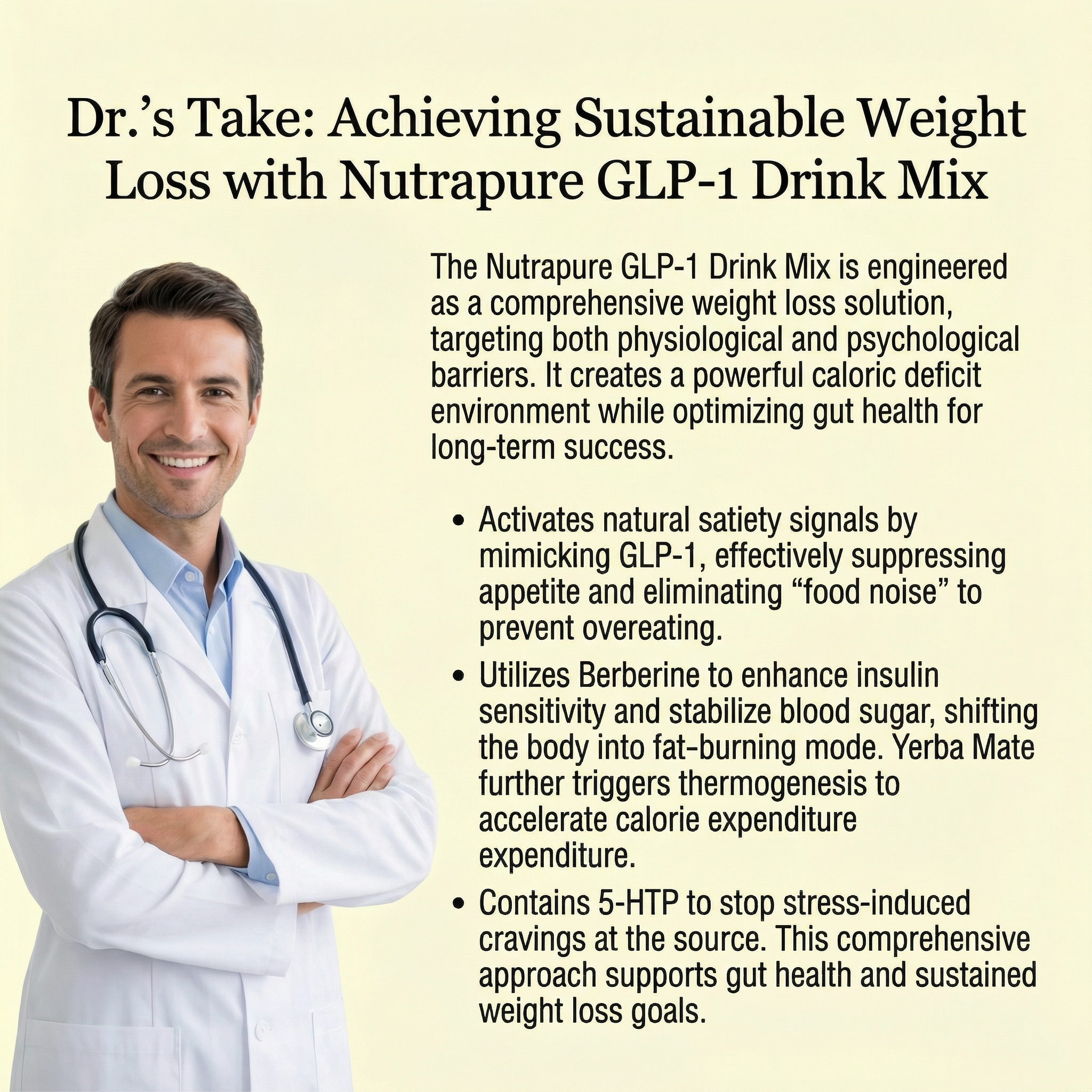
The distribution playbook relies on high-turnover burner domains. When an ad account faces platform flags for non-compliant claims, another immediately surfaces with identical video creative. Many of these campaigns deploy synthetic media, including AI-generated avatars dressed in white coats, designed to impersonate recognizable endocrinologists. These fake endorsements claim that traditional fitness methods fail because consumers lack a specific "cutting stack," steering viewers toward single-page checkout funnels loaded with high-pressure countdown timers.
User feedback tell a vastly different story than the polished promotional videos. Disappointed buyers report that the product arrives in generic white bottles lacking third-party verification seals, batch lot tracking, or transparent manufacturing details. The marketing promises overnight metabolic reprogramming; the delivered product rarely resembles the polished digital campaigns that sold it.
Inside the Formula: Herbal Stimulants Masked as GLP-1 Miracles
The marketing around Nutrapure Cutting Mix relies heavily on public fascination with prescription GLP-1 receptor agonists. Promotional copy often references "peptide-level absorption" and natural satiety triggers to imply parity with pharmaceutical weight-loss drugs. A review of disclosed label information reveals an entirely different set of ingredients: a conventional thermogenic stack built on high-dose caffeine, bitter orange extract, green tea catechins, and berberine.
Berberine has gained widespread internet notoriety under the misleading moniker "nature's Ozempic." UCLA Health clinical evaluations published in late 2025 emphasize that while berberine can activate the enzyme AMPK and support modest blood sugar regulation, its physiological mechanism differs fundamentally from actual GLP-1 agonists. Berberine does not trigger sustained, hormone-driven satiety signaling in the brain. Most clinical trials observe modest metabolic shifts accompanied primarily by gastrointestinal distress, including abdominal cramping and diarrhea, rather than substantial long-term fat loss.
Packaging these common herbal extracts into an opaque "proprietary blend" allows manufacturers to charge premium prices. Brands purchase raw berberine and caffeine anhydrous for pennies per serving, combine them under a flashy trademark, and bill buyers up to $89 per bottle. The physiological result is familiar to anyone who has consumed excess caffeine: rapid heart rate, mild dehydration, and short-term water weight loss mistaken for sustainable metabolic fat reduction.
Tracking the Enforcement Wave Across Viral Supplements
Federal regulators have shifted from issuing periodic warning letters to conducting coordinated cross-platform enforcement sweeps. As predatory wellness campaigns expanded between 2024 and 2026, the volume of consumer disputes involving deceptive trial offers, synthetic testimonials, and unauthorized recurring card charges escalated rapidly.
| Enforcement Metric | 2024 Baseline | 2025 Expansion | 2026 YTD Status |
|---|---|---|---|
| FTC/FDA Joint Warning Letters (Weight Loss) | 42 actions | 118 actions | 164 active investigations |
| Social Ad Account Takedowns (Deceptive Health) | ~14,000 accounts | ~52,000 accounts | 88,000+ accounts removed |
| Average Unauthorized Monthly Billing Charge | $49, $69 | $69, $99 | $79, $119 per cycle |
| Consumer Financial Protection Bureau Complaints | 1,840 filings | 5,920 filings | 11,300+ filings recorded |
The numbers reflect an escalating game of cat-and-mouse. Ad networks rely on automated moderation algorithms that struggle to flag subtle deceptive patterns in video audio, allowing dubious campaigns to run for weeks before human review intervenes. During that operational window, operators pocket millions of dollars in gross sales before abandoning their merchant accounts and launching new shell brands.
The Regulatory Net Closes on Deceptive Marketing Tactics
The Federal Trade Commission has revised its enforcement focus under Section 5 unfair trade practice mandates. Rather than targeting only the shell companies manufacturing the products, the agency is pursuing the broader digital marketing chain: ad agencies, affiliate brokers, and payment processors enabling deceptive supplement funnels.
Nutrapure Cutting Mix operates directly in the crosshairs of this revised strategy. Investigators look for three distinct compliance breaches: unsubstantiated therapeutic claims, fake third-party reviews, and deceptive billing practices known in consumer law as "negative option billing." Under the Restore Online Shoppers' Confidence Act (ROSCA), merchants must provide clear, conspicuous disclosures before obtaining a consumer’s billing information, alongside an easy mechanism to cancel recurring orders.
Viral supplement operators regularly obscure these terms inside grayed-out disclosure boxes hidden beneath the checkout button. Shoppers believe they are purchasing a single trial bottle for $29, only to discover charges exceeding $100 every 30 days. When buyers call customer support numbers to reverse the transactions, they encounter disconnected lines or automated phone trees designed to stall refunds past credit card dispute deadlines.
Consumer Sentiment and Verified Reviews
Independent consumer review boards paint a grim picture of customer satisfaction. Across forums on Reddit, Trustpilot, and the Better Business Bureau, verified buyers describe persistent pattern-level complaints concerning both side effects and administrative runarounds.
Physical complaints surface frequently among users who took the pills without consulting a doctor. Because the formula relies on concentrated caffeine and bitter orange extract (synephrine), users report jitteriness, sleep disturbances, acid reflux, and sudden spikes in resting heart rate. For people taking prescription medications for blood pressure or insulin resistance, taking unverified stimulant blends presents authentic clinical danger.
The administrative headaches prove just as punishing. Multiple customers report that the only way they stopped recurring monthly charges was by filing fraud affidavits with their banks or replacing their credit cards entirely. Return packages sent to corporate addresses in Florida and Wyoming are regularly returned to sender as undeliverable, underscoring the ephemeral nature of direct-to-consumer supplement operations.
Frequently Asked Questions (FAQ)
Q1: Is Nutrapure Cutting Mix an FDA-approved alternative to prescription GLP-1 drugs?
A1: No. Dietary supplements are not approved by the FDA for treating obesity or regulating metabolic function. Nutrapure Cutting Mix contains no pharmaceutical GLP-1 receptor agonists and cannot produce the clinical outcomes associated with prescription semaglutide or tirzepatide.
Q2: What should I do if I was charged for an unauthorized monthly subscription?
A2: Contact your credit card issuer immediately to report unauthorized recurring billing and dispute the transactions. Request a merchant block on the processing entity and file an official complaint through the Federal Trade Commission at ReportFraud.ftc.gov.
Q3: Does berberine provide safe, reliable weight-loss results on its own?
A3: Clinical evidence demonstrates that berberine produces modest improvements in blood sugar management, but its fat loss benefits are minimal. It does not match the appetite-suppressing mechanism of injectable GLP-1 drugs and frequently triggers significant digestive side effects at high doses.
Protecting Consumers in an Unregulated Supplement Market
The viral rise and subsequent scrutiny of Nutrapure Cutting Mix highlight structural vulnerabilities in the wellness economy. Anyone with a smartphone can be targeted by sophisticated, AI-enhanced marketing campaigns that weaponize genuine health anxieties and medical breakthroughs. These operations repackage standard, low-cost ingredients into high-margin products sold through manipulative digital funnels.
Meaningful protection demands proactive digital skepticism. When a social media video promises effortless, rapid weight loss without dietary changes or medical supervision, the product on offer is almost certainly an unverified stimulant stack. Genuine metabolic health management requires working with licensed healthcare professionals, evaluating peer-reviewed clinical data, and rejecting viral supplements that rely on deceptive urgency and hidden subscriptions.


