Sold Out Everywhere: How the NeeDoh Jellyfish Sparked a Massive Retail Shortage
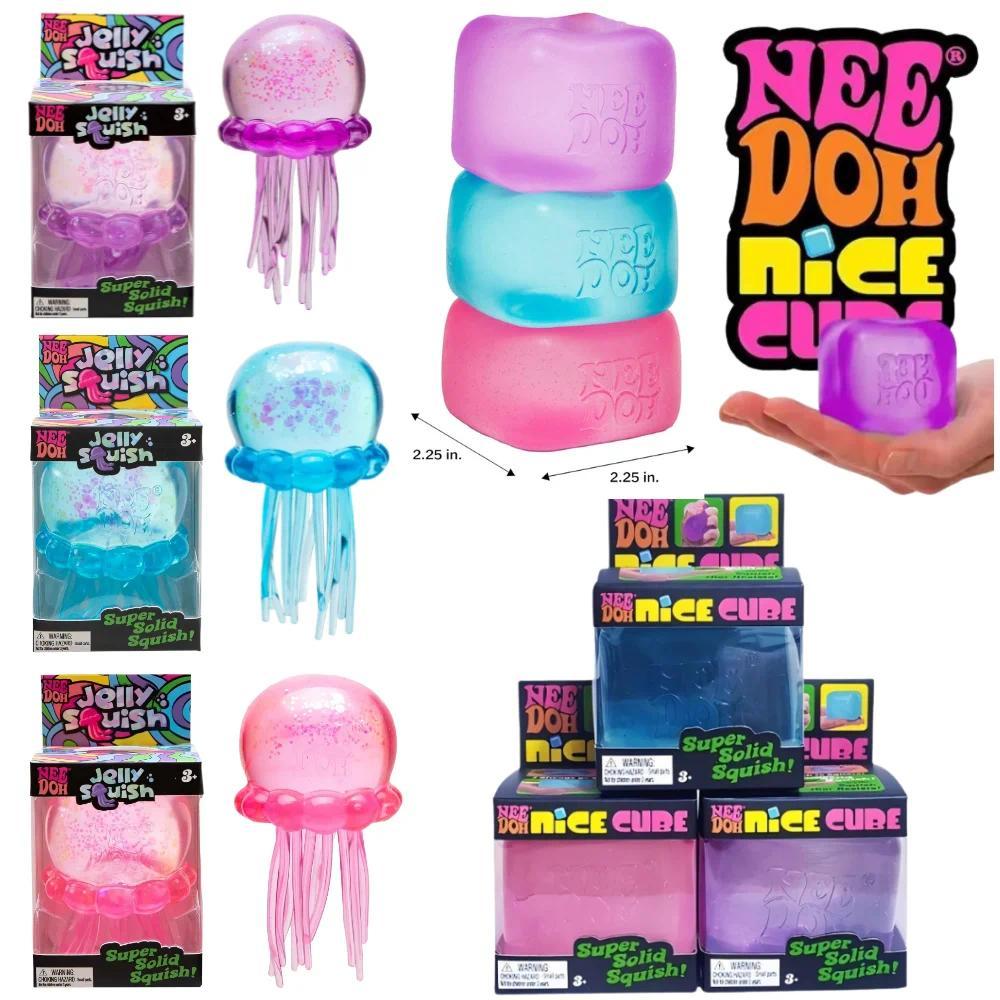
Toy aisles across North America have emptied out, leaving vacant display pegs where colorful translucent marine invertebrates used to sit. The NeeDoh Jellyfish, officially marketed under Schylling’s expanding "Jelly Squish" line, has become the undisputed runaway hit of the season. Parents, neurodivergent adults, and teenage hobbyists find themselves locked in an aggressive coast-to-coast hunt for a pliable silicone creature that retails for under ten dollars. According to a today.com report detailing the viral collectible frenzy, major retailers and independent boutique toy shops alike are fielding dozens of daily phone calls from shoppers desperate to track fresh shipments.
What began as an offshoot of standard sensory stress balls has transformed into an obsessive online scavenger hunt. The tactile, translucent tentacles and slow-rise center of the jellyfish model struck an immediate chord across short-form video platforms, pulling millions of organic impressions and clean-sweeping shelves from Walmart to independent neighborhood gift shops. The sudden surge has left supply chains scrambling, fueled secondary market markups, and forced collectors to deploy digital inventory trackers just to catch restocks in real time.
📌 Key Takeaways:
- Supply Depletion: High consumer demand catalyzed by social platforms has led to widespread stock-outs of the NeeDoh Jellyfish across both big-box chains and specialty shops.
- The Resale Squeeze: Third-party resellers on secondary marketplaces are flipping the $4.99, $7.99 fidget toy for upwards of $35, $50 per unit.
- Safety and Quality Checks: Intense marketplace scrutiny has emerged alongside the product's popularity, emphasizing the need for authentic retail tracking to avoid dangerous bootlegs and durability issues.
How a Translucent Sea Creature Conquered Social Feeds
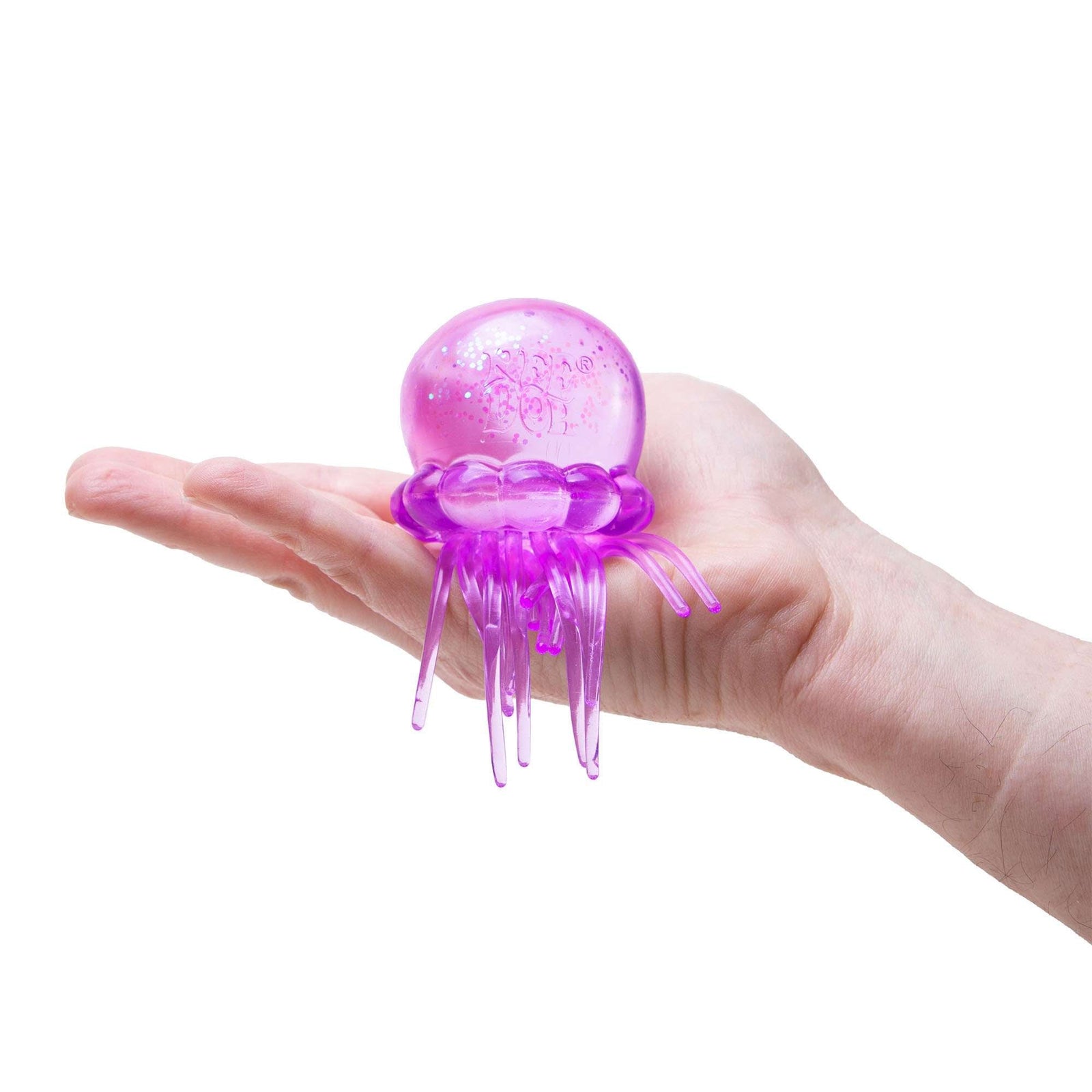
The sudden scarcity of the NeeDoh Jellyfish stems directly from the visual appeal of its design. Unlike opaque dough-filled stress balls, the Jelly Squish line relies on a hyper-clear, jewel-toned outer skin filled with tactile interior fluid and soft flowing tentacles. Under studio lighting and phone flashes, the jellyfish reflects vibrant neon tones that pop on smartphone screens.
Short-form video creators discovered that squeezing the toy against a camera lens produced an oddly satisfying visual and acoustic loop. As GamesRadar+ reported during their investigation into the TikTok race for viral squishies, the sensory feedback of Schylling's designs triggered algorithmic momentum that traditional advertising budgets simply cannot purchase. The tag #NeeDohJellyfish accumulated tens of millions of views in weeks, moving the product out of the therapy-and-classroom toy niche straight into mainstream pop culture.
Toy stores that usually ordered two dozen units per month suddenly confronted waitlists containing hundreds of names. The product appealed not only to children looking for the newest playground craze, but also to adults using sensory play for anxiety relief, desk decoration, and tactile breaks during remote workdays.
Inside the Stealth Collector Networks Tracking Retail Drops
With store shelves bare, collectors have shifted toward guerrilla tracking methods previously reserved for limited-run sneakers or gaming consoles. Shoppers no longer stroll casually through retail aisles; they coordinate in localized group chats, monitor third-party inventory scrapers, and study regional delivery patterns.
As reported by NJ.com regarding stealth shopping tactics, early-morning inventory runs at big-box merchants like Target and five-and-dime discounters have become standard practice for dedicated enthusiasts. In some cases, store employees find lines forming outside before opening, specifically composed of collectors inquiring about unopened Schylling pallets.
Independent toy retailers have reported an influx of out-of-state phone orders, with shoppers offering cash bonuses to reserve full cartons. Because distributors allocate stock based on historical ordering volume rather than sudden viral spikes, smaller mom-and-pop shops receive modest shipments of eight to twelve units at a time. These sell out within fifteen minutes of hitting retail shelves, driving collectors deeper into tracking subcultures.
The Anatomy of the Sensory Toy Shortage
The supply crunch involves several overlapping factors, from raw material procurement to retail distribution limits. The table below outlines how consumer behavior and retail inventory metrics shifted across the past several years as tactile collectibles surged in popularity.
| Metric / Variable | Standard Sensory Toy Era (2020, 2023) | Viral Jelly Squish Era (2024, 2026) |
|---|---|---|
| Manufacturer Suggested Retail Price (MSRP) | $3.99, $6.99 | $4.99, $7.99 |
| Secondary Market Resale Range | At or below MSRP | $25.00, $55.00 |
| Average Shelf Life per Restock | 14, 21 Days | Under 2 Hours |
| Primary Consumer Demographic | Young children, occupational therapy patients | Broad age mix: teens, desk workers, collectors |
| Primary Purchase Driver | In-store impulse purchases | Social media tracking and restock alerts |
Production bottlenecks add to the delay. Producing clear, non-toxic thermoplastic elastomers (TPE) with complex internal jellyfish caps requires precision molding. If the mixture is cooled too quickly, cloudiness forms; if sealed improperly, the gel leaks under standard hand pressure. These manufacturing demands prevent quick, cheap overnight scaling at the factory level.
Summer Hustles, Price Gouging, and Secondary Markets
Wherever extreme consumer interest meets tight supply, an opportunistic resale market inevitably follows. The intense demand for the NeeDoh Jellyfish has turned casual shoppers into active resellers.
Local reporting highlighted this dynamic in dramatic fashion. As ABC15 Arizona documented, a sixth-grader in Phoenix turned the viral toy hunt into a profitable summer enterprise by mapping regional store replenishment cycles, purchasing scarce stock, and reselling units locally to parents unwilling to drive across the city. On eBay and Mercari, single authentic jellyfish figures regularly fetch markups exceeding 400 percent above retail.
This reseller frenzy has frustrated legitimate collectors and parents. In specialty enthusiast forums, members trade tips on spotting scalper accounts and run coordinated campaigns to avoid paying inflated sums. Despite community pushback, the simple mechanics of supply and demand keep prices high on peer-to-peer sites, particularly for rare colorways like translucent aquamarine and bubblegum pink.
Safety Scrutiny and the Rise of Dangerous Counterfeits
The gold rush to satisfy unmet demand has opened the door to cut-rate knockoffs, introducing serious quality and safety risks. Unregulated third-party online sellers have flooded platforms with imitation squish toys that cut corners on materials, often mimicking the jellyfish design while using cheaper, hazardous chemical formulations.
Sensory play toys require rigorous testing because they undergo intense mechanical strain. As reported by TribLIVE.com, consumer watchdogs and local authorities have placed viral squish toys under strict scrutiny after instances where lower-grade counterfeit models ruptured, causing skin burns and chemical reactions in children due to harsh non-standard liquids.
Authentic Schylling products use certified non-toxic, hypoallergenic compounds that withstand repeated squishing. Counterfeit variants often leak industrial oils or contain hazardous phthalates. Parents and collectors must verify packaging markings, check distributor labels, and purchase through accredited retailers rather than unverified pop-up storefronts or drop-shippers.
Frequently Asked Questions (FAQ)
Q1: Why is the NeeDoh Jellyfish specifically harder to find than other squish toys?
A1: The model combines multi-part molding, moving tentacles, and optical-grade clear polymers that take longer to produce than standard single-mold foam or opaque stress balls. This complex manufacturing process limits factory output while demand spikes.
Q2: How can buyers differentiate between authentic Schylling models and dangerous fakes?
A2: Authentic units feature clean brand stampings on packaging, do not produce an acrid chemical smell, and possess pliable, thick-walled silicone shells. Counterfeits typically arrive in generic, unbranded plastic wrap and often feel sticky or unusually brittle upon unboxing.
Q3: When will standard retail inventory stabilize across the country?
A3: Retail distribution cycles typically require 60 to 90 days to adjust production volumes to sudden viral surges. Supply availability is projected to improve as second-wave production runs complete transit and reach regional distribution hubs.
Navigating the Tactical Collectibles Market in 2026
The scramble for the NeeDoh Jellyfish shows how rapidly modern viral cycles can overwhelm supply chains for everyday consumer goods. What functions mechanically as an accessible tactile stress reliever has transformed into a high-demand collectible, driven by social media algorithms, speculative reselling, and genuine enthusiast interest.
For everyday shoppers, patience remains the most cost-effective approach. Paying exorbitant secondary markups rewards scalping behavior and exposes buyers to safety risks from counterfeit designs. Checking verified local toy stores, subscribing to official restock notifications, and waiting for standard production batches to arrive at physical storefronts remains the safest way to bring home the season's most sought-after squish.


