Sold Out in Minutes: The Barbie Stanley Cup Phenomenon and the Insane Resale Prices Exploding Online
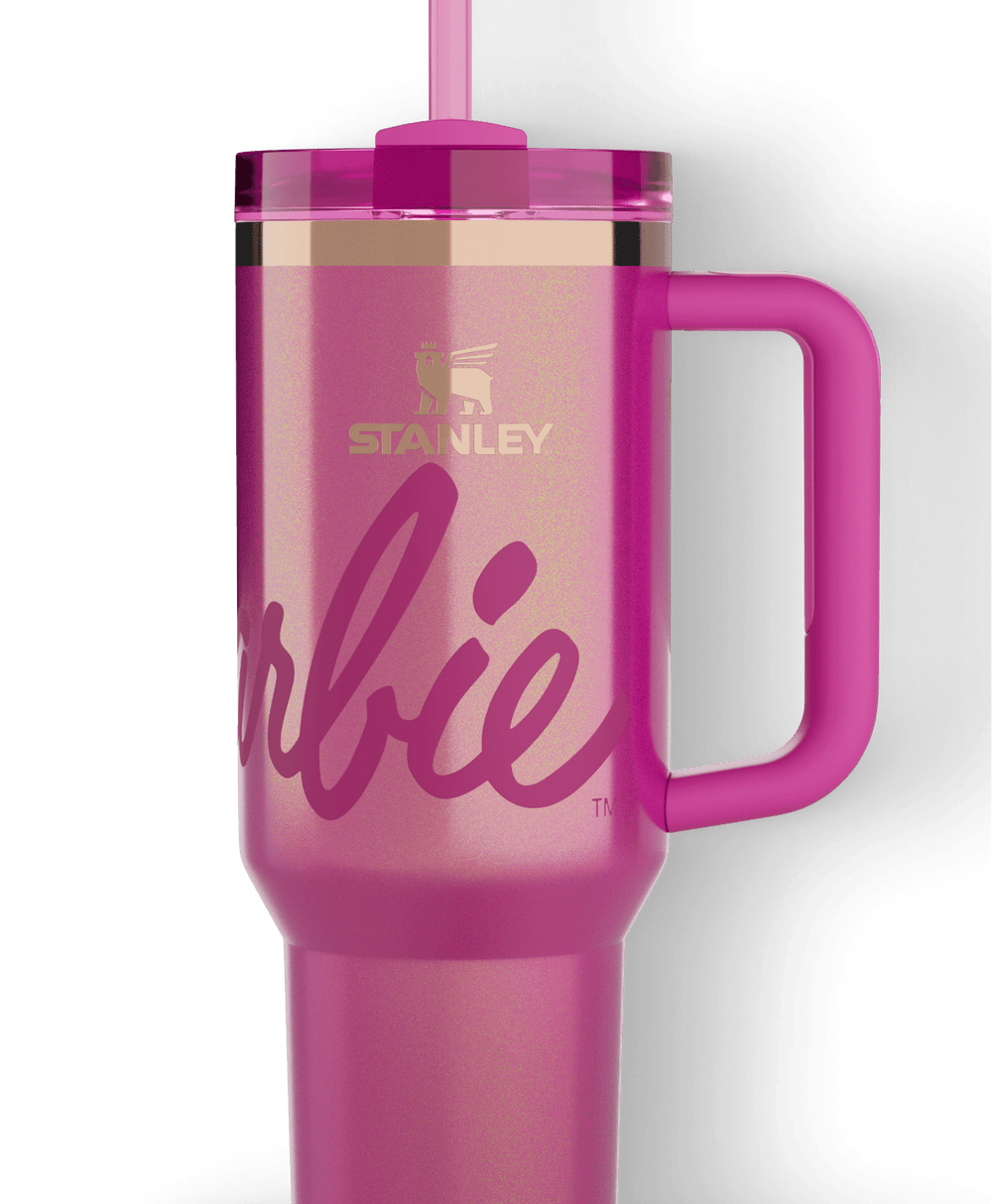
When Mattel and Stanley dropped their official collaboration, retail servers buckled within three minutes. Shoppers across the globe watched digital checkout queues freeze, leaving thousands staring at "Sold Out" prompts while secondary market listings surged on eBay, StockX, and Mercari at triple the retail tag. While major retail events like Amazon's Big Spring Sale bring price drops on general drinkware, as tracked in coverage by The Mercury News Report, limited drops follow an entirely separate, ruthless financial playbook.
The Barbie x Stanley collaboration transformed everyday drinkware into high-yield speculative assets. Combining Mattel's iconic, multi-decade branding with Stanley's viral Quencher H2.0 FlowState tumbler triggered a frenzy that retail analysts saw coming, yet supply chains could not satisfy. What started as an accessible lifestyle accessory quickly spawned bot-driven buyouts, inflated markup rates, and an aggressive wave of counterfeit production targeting eager buyers.
📌 Key Takeaways:
- The Drop: The Mattel official partnership sold out globally across major digital channels in under four minutes, driven by automated checkout software and intense social media hype.
- The Secondary Market: Units priced at retail between $50 and $60 regularly fetch $130 to $250 on eBay and StockX, with complete collector sets topping $1,000.
- Consumer Protection: Exploding secondary demand has flooded unauthorized platforms with sophisticated counterfeit tumblers, prompting warnings from consumer advocates regarding lead testing and material safety.
How Mattel and Stanley Engineered a Viral Drinkware Crossover
Stanley spent over a century marketing heavy-duty steel thermoses to blue-collar workers and outdoor campers. That changed when former Crocs executive Terence Reilly took the helm, redirecting product placement toward social media tastemakers and community parenting blogs. By re-engineering the Quencher H2.0 FlowState tumbler into an array of pastel palettes with ergonomic car-friendly bases, the brand tapped an entirely new customer base. Partnering with Mattel represented the logical extreme of that strategy.
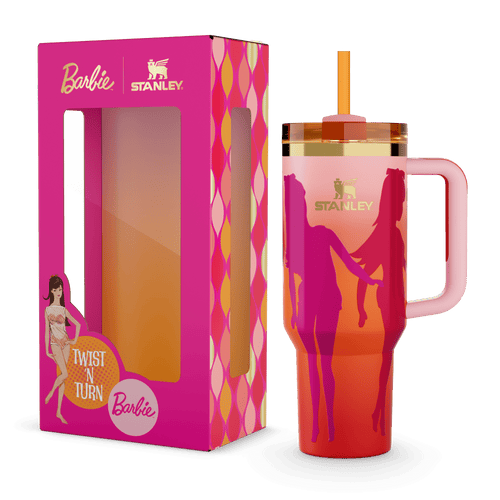
The pink Stanley cup collection arrived right as Mattel maximized licensing tie-ins following the billion-dollar success of the Barbie film. Instead of releasing a single generic magenta cup, the design team rolled out multiple curated models paying homage to distinct historical eras: the 1959 original black-and-white chevron swimsuit, the 1980s neon roller-skate look, and the classic bubblegum-pink dreamhouse aesthetic. Each design featured tailored details, from retro typography and gold-accented bands to custom translucent lids and patterned reusable straws.
The release struck two deeply devoted consumer groups simultaneously: adult Barbie memorabilia collectors who preserve boxed items, and everyday Stanley enthusiasts who display dozens of tumblers in kitchen cabinets. The overlap created an immediate supply deficit that standard manufacturing volumes could never balance.
Inside the Resale Surge Across eBay, StockX, and Mercari
Within sixty seconds of the official checkout queue opening, secondary market scalpers launched thousands of confirmed-order screenshots directly onto online marketplaces. Retail buyers hoping to grab a 40 oz tumbler or the smaller 30 oz variant found themselves staring at 300% markups before official confirmation emails even cleared inboxes. Speculators viewed the collection not as drinkware, but as fast-turn liquid assets.
Resale price points reflect stark differences depending on the specific model. The chevron-patterned 1959 edition and the vivid Peaches 'n Cream variations quickly pulled premium pricing over standard pastel editions. Below is an overview of how individual releases performed on the secondary market within the first 90 days post-launch:
| Edition & Model | Original Retail Price | Secondary Market Range | Resale Markup Percentage |
|---|---|---|---|
| 1959 Vintage Swimsuit Quencher (40 oz) | $60 | $180, $250 | 200%, 316% |
| Iconic Barbie Pink Glow (40 oz) | $60 | $140, $195 | 133%, 225% |
| 1980s Rockers / Western Print (30 oz) | $50 | $110, $150 | 120%, 200% |
| Complete 8-Piece Collector Display Set | $440 | $1,100, $1,450 | 150%, 230% |
The run on inventory mirrors broader collector trends reported by culinary publications like Delish, where rare Stanley tumbler colors such as Winter Pink, Chroma, and past Target holiday exclusives consistently hold resale values higher than luxury kitchenware. For professional resellers, drinkware drops carry advantages over sneakers: lower return rates, no sizing headaches, and durable packaging that resists transit damage.
Target Restock Rumors vs. Supply Chain Reality
Following the immediate sellout, consumer groups on Reddit and TikTok ignited widespread rumors of an impending Target retail restock. Shoppers shared blurry screenshots of internal inventory screens, speculating that large pallets of Barbie tumblers sat hidden in retail distribution warehouses waiting for a secondary marketing push.
Industry reality paints a different picture. Contract manufacturing for high-spec insulated stainless steel requires months of lead time. Powder-coating specialized patterns, affixing licensed custom badges, and molding dual-tone ComfortGrip handles prevent rapid re-orders. While Target periodically receives late shipments or restocks return stock in micro-batches, Mattel and Stanley treated this drop as a strictly limited-edition run. Brands intentionally avoid flooding the market during high-demand cycles; retaining strict scarcity preserves high brand equity for future collaborative drops.
Shoppers holding out for retail shelves to refill at the original $60 sticker price are largely pursuing phantom inventory. Except for occasional unannounced returns processed at physical customer service desks, bulk restocks rarely materialize once promotional licensing windows shut.
The Counterfeit Wave: How to Identify Fake Barbie Tumblers
The steep gap between retail price and secondary markup created an immediate opening for counterfeit factories. Within weeks of the launch, rogue manufacturers across overseas e-commerce platforms churned out knockoff Barbie tumblers, distributing them across unverified TikTok Shop storefronts, Facebook Marketplace, and discount retail apps for $25 to $35.
These fake units look convincing on small mobile phone screens, but side-by-side inspection reveals glaring quality and safety flaws. Below are the primary checkpoints verified collectors use to separate authentic production models from unauthorized replicas:
- The FlowState Lid Construction: Authentic Stanley lids utilize crystal-clear, heavy-duty BPA-free Tritan plastic with clean splash-resistant gaskets. Counterfeits use brittle, cloudier plastic that creaks under pressure and leaks heavily when tilted.
- The Handle Attachment Points: Real Quenchers feature handle screws with specific hex or torx security heads embedded cleanly beneath the outer silicone mold. Knockoffs frequently show visible glue residue, uneven spacing, or generic Phillips-head hardware.
- Bottom Laser Engraving: Authentic units have crisp, clean laser etching specifying patents, manufacturing dates, recycling codes, and official Mattel copyright marks. Counterfeit bottoms show shallow, blurry stamps with misspelled words or missing regulatory icons.
- Weight and Thermal Performance: Genuine double-wall vacuum insulation creates substantial heft (roughly 1.4 pounds empty for the 40 oz model). Counterfeits weigh noticeably less because factories skimp on internal stainless steel gauges, causing ice to melt within four hours instead of lasting beyond thirty hours.
Beyond cosmetic issues, counterfeit tumblers pose real health hazards. Independent consumer testing frequently finds cheap solder containing industrial contaminants or unverified lead seals at the vacuum base of knockoff cups, bypassing strict FDA food-contact standards.
The Cultural Engine: TikTok Aesthetics and the Gamification of Thirst
Water bottles were once purely utilitarian tools. Over the last four years, social media transformed them into daily fashion statements, productivity symbols, and personality markers. The Barbie partnership sat directly at the intersection of several algorithmic trends, notably "Bimbocore," hyper-feminine office aesthetics, and the multi-step hydration tracking videos that dominate lifestyle feeds.
TikTok creators do not just show the cup; they accessorize it. Entire cottage industries now manufacture silicone boot sleeves, beaded handle charms, personalized straw covers, and snack trays designed specifically for the 40 oz silhouette. Holding a limited-edition Barbie Stanley sends an immediate visual signal across social networks: the owner possessed the digital speed, financial flexibility, or social cachet required to secure an impossible drop.
This dynamic feeds cyclical consumption. Beverage containers now follow the seasonal release mechanics of streetwear labels like Supreme or Nike. When everyday hydration transforms into collector culture, product utility drops out of the equation entirely. Buyers do not need another cup; they want the cultural moment the cup represents.
Frequently Asked Questions (FAQ)
Q1: Will Stanley or Mattel officially restock the Barbie collection?
A1: Neither brand has announced a wide-scale production run. Official collaboration capsules of this scale are manufactured as limited single-run promotions. Outside of rare inventory clearances or returned stock popping up randomly online, an official mass restock remains highly unlikely.
Q2: How can I safely purchase a Barbie Stanley cup on the secondary market?
A2: Stick to platforms with buyer protection policies and strict verification processes, such as eBay with authenticity guarantees or StockX. Always request close-up photographs of the bottom laser etching, the handle attachment points, and the interior lid mechanics. Avoid private peer-to-peer wire payments on platforms that offer no recourse for fake merchandise.
Q3: Why are some colorways selling for more money than others?
A3: Secondary market pricing depends on production distribution and nostalgia. The 1959 original swimsuit design and the vibrant neon editions had stricter allocations and heavier demand among historical Barbie collectors, driving higher bids compared to the standard monochromatic pink designs.
Evaluating the Drinkware Resale Landscape
The Barbie Stanley collaboration represents the modern retail ecosystem at its peak: brand synergy engineered for viral distribution, algorithmic amplification, aggressive automated checkout competition, and a massive secondary markup market. What was designed as a durable, reusable water vessel became a flashpoint for speculative consumer culture.
For collectors and dedicated enthusiasts, these cups operate as functional pop-art pieces that hold or appreciate in value. For casual consumers looking for dependable hydration, paying $200 for a vacuum-insulated cup on eBay offers zero practical return. With dozens of standard-color Quenchers sitting on retail shelves at normal price points, the value of the Barbie edition exists entirely in the eye of the collector, and the algorithms that keep the hype alive.


