Soursop Bitters Side Effects Guide: Symptoms, Safe Dosages, and Who Should Avoid It Completely
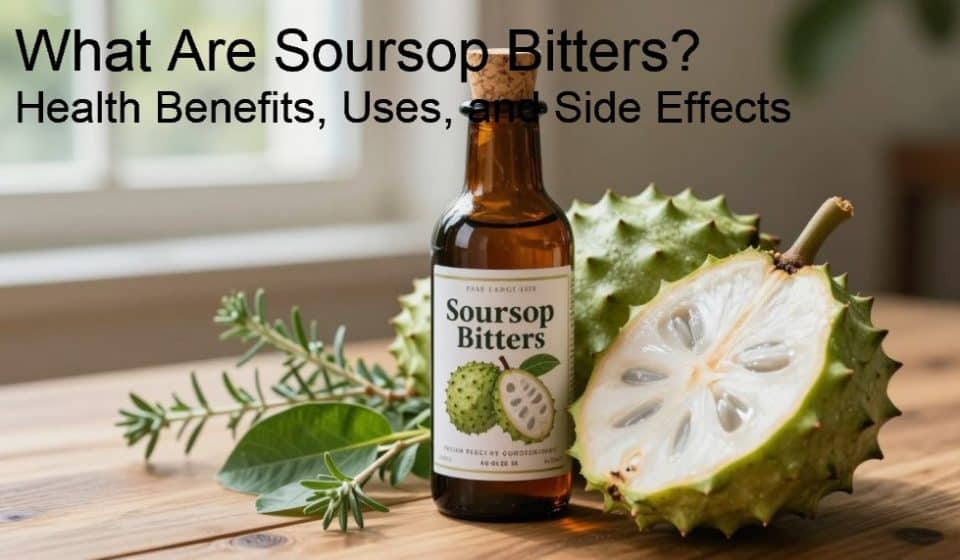
Bottled in amber glass and sold across Caribbean apothecaries and viral social feeds alike, soursop bitters has emerged as one of the most aggressively marketed botanical remedies of 2026. Purveyors claim the dark, astringent tonic cleanses the bloodstream, eliminates parasites, and balances metabolic health. Yet hospital poison control centers and toxicologists paint a much more alarming clinical picture. Unregulated consumption of Annona muricata, commonly known as soursop, graviola, or guanábana, carries systemic risks that go far beyond mild digestive discomfort.
As consumer demand for high-potency herbal elixirs surges, scientific scrutiny around plant-based extracts has deepened significantly. Analysis of herbal therapeutic profiles, such as recent safety evaluations published in a Verywell Health Report on botanical extracts, underscores that natural compounds can exert pharmaceutical-grade effects on vascular tone, metabolic pathways, and organ filtration. When taken without strict medical supervision, concentrated soursop tonics frequently trigger severe cardiovascular dips, neurotoxic accumulation, and hazardous prescription clashes.
📌 Key Takeaways:
- Neurodegenerative Risk: Prolonged consumption of graviola extracts exposes users to annonacin, a neurotoxin associated with atypical Parkinson-like movement symptoms that do not respond to standard dopamine therapy.
- Cardiovascular Interference: Soursop bitters compounds act as vasodilators, triggering sudden hypotension risks and dangerous blood pressure medication interference.
- Strict Exclusions: Pregnancy contraindications are non-negotiable because the extract stimulates uterine contractions, while patients on diabetes drugs face severe hypoglycemic reactions.
From Folk Tonic to Commercial Extract: The Chemical Reality of Graviola Bitters
Traditional herbalists in Trinidad, Jamaica, and West Africa historically brewed weak teas from single soursop leaves to treat insomnia or mild fevers. Commercial soursop bitters, however, is a modern industrial product. Manufacturers boil leaves, bark, seeds, and root matter down into dense liquids, frequently compounding them with bitter wood, senna, mahogany bark, or cerasee. This hyper-concentration concentrates potent plant metabolites called annonaceous acetogenins.
Acetogenins operate as powerful inhibitors of mitochondrial Complex I. Within malignant cells, this pathway interruption can induce apoptosis, which sparked early laboratory excitement. The problem lies in non-selectivity. These chemical agents do not distinguish between abnormal target cells and vital systemic tissues. They disrupt ATP production inside healthy cardiomyocytes, renal tubules, and cerebral neurons. When users drink one or two fluid ounces daily, they ingest bioaccumulative phytochemicals far above any historical folk baseline.
Annonacin Neurotoxicity and Parkinson-Like Movement Symptoms
The most consequential hazard tied to graviola extract safety is annonacin neurotoxicity. Neurologists first recognized this link during epidemiological investigations in the French West Indies, where researchers noticed an extraordinarily high prevalence of atypical parkinsonism. Patients presented with bilateral tremors, muscle rigidity, postural instability, and progressive cognitive decline. Unlike classic Parkinson's disease, this tropical variant showed almost zero clinical improvement when treated with levodopa.
Subsequent laboratory assays confirmed that annonacin crosses the blood-brain barrier with ease. Once inside the basal ganglia, it halts cellular energy generation, triggering hyperphosphorylation of tau proteins and death of dopaminergic neurons. A single bottle of commercial bitters made from seeds or roots can contain hundreds of times the annonacin dose found in a single ripe fruit serving. Neurological impairment develops insidiously over months or years of habitual consumption. Subtle hand tremors, slurred speech, or unexplained motor clumsiness often get dismissed as natural aging until irreversible brain changes have occurred.
Blood Pressure Drops, Hypoglycemia, and Prescription Medication Interactions
Beyond neurological hazards, soursop bitters produces immediate physiological shifts in the vascular bed and endocrine system. The active alkaloids exert a pronounced vasorelaxant effect, forcing peripheral blood vessels to dilate rapidly. For an unmedicated individual, this can cause postural dizziness or syncope. For someone already managing hypertension, the result is dangerous: severe, unmonitored orthostatic hypotension that can lead to falls or cardiac ischemia.
Simultaneously, graviola compounds stimulate cellular glucose uptake and inhibit key hepatic enzymes involved in gluconeogenesis. When combined with prescription insulin, metformin, or sulfonylureas, the tonic accelerates hypoglycemic reactions. Patients report sudden cold sweats, heart palpitations, cognitive confusion, and in extreme scenarios, loss of consciousness. Because bottled herbal mixtures rarely declare standardized concentrations on their labels, matching prescription drug timing to a morning dose of bitters becomes nearly impossible.

Herbal Detox Reaction vs Side Effects: Identifying Warning Signs
Online retailers and wellness influencers frequently dismiss sudden digestive upset and nausea as a beneficial "healing crisis" or "parasite purge." This framing is clinically dangerous. Senna and harsh saponins present in many soursop bitters recipes violently strip the gastrointestinal mucosal lining, creating intense cramping, non-stop watery stools, and vomiting. Mistaking structural toxicities for systemic cleansing delays essential medical interventions.
| Condition or Marker | Mild Herbal Reaction | True Toxic Side Effect | Immediate Action Required |
|---|---|---|---|
| Gastrointestinal Tract | Mild stomach rumble, soft stool on day 1 | Bloody diarrhea, severe emesis, intractable abdominal pain | Discontinue tonic immediately; hydrate with balanced electrolytes. |
| Cardiovascular Rhythm | Slight feeling of bodily relaxation | Systolic drop below 90 mmHg, fainting, arrhythmia | Lie down flat with legs elevated; seek emergency triage. |
| Neuromuscular System | Mild lethargy during the first evening | Resting pill-rolling tremor, muscle stiffness, shuffling gait | Permanent cessation; consult a movement disorder specialist. |
| Hepatorenal Function | Darker urine due to bitter herb tannins | Jaundice, elevated ALT/AST enzymes, oliguria (low urine output) | Urgent blood panel for acute liver and kidney toxicity. |
Acute fluid loss from unchecked diarrhea rapidly drains sodium and potassium reserves, destabilizing cardiac rhythm. Furthermore, the liver processes the complex botanical load through the cytochrome P450 pathway. When consumers ingest multi-herb concoctions day after day, hepatic enzyme exhaustion allows toxic intermediate metabolites to pool in the body, driving up liver and kidney toxicity markers.
High-Risk Demographics: Who Must Avoid Graviola Extract Entirely
Certain patient populations face life-threatening consequences from even minor soursop exposures. Absolute pregnancy contraindications top the list. Historically, midwives utilized decoctions of soursop bark and roots to stimulate stalled labor because specific isoquinoline alkaloids trigger intense oxytocic uterine contractions. Ingesting soursop bitters during early or mid-pregnancy significantly elevates the likelihood of spontaneous miscarriage or premature labor.
Individuals with a personal or familial history of neurodegenerative diseases should avoid all graviola products. Because annonacin directly compromises neuronal mitochondria, it acts as an environmental accelerant for underlying neurodegenerative processes. Similarly, individuals with preexisting chronic kidney disease (CKD) or hepatic impairment cannot properly clear acetogenins. The molecules linger in serum far longer, multiplying toxic exposure windows across multiple organ systems.
Safe Herbal Dosage Guidelines and Harm Reduction Protocols
Clinical herbalists urge extreme caution for anyone opting to consume traditional bitter formulas. If an individual proceeds despite the known hazards, adhering to strict harm reduction boundaries reduces the likelihood of acute organ failure:
Standard retail bottles instruct users to drink two tablespoons (30 mL) twice daily. Clinical toxicologists recommend that consumers never exceed a single teaspoon (5 mL) daily, heavily diluted in a full 8-ounce glass of water. Consuming undiluted bitters shocks the stomach lining and triggers rapid chemical absorption through the gastric walls.
Never take soursop bitters continuously. Safe herbal dosage guidelines mandate strict cycling: a maximum duration of 10 to 14 consecutive days, followed by a mandatory washout window of at least 30 to 45 days. This pauses the bioaccumulation of annonacin in central nervous system structures and gives renal pathways time to eliminate residual metabolites.
Prioritize pure leaf infusions over dense proprietary bitters. Formulas containing soursop roots, seeds, or unverified secondary purgatives carry the highest neurotoxic burdens. Always consult an integrative physician or clinical pharmacologist before introducing soursop bitters alongside anticoagulants, ACE inhibitors, beta-blockers, or oral hypoglycemic agents.
Frequently Asked Questions (FAQ)
Q1: Can soursop bitters cause permanent nerve damage?
A1: Yes. High-intake or long-term use exposes brain cells to annonacin, a proven mitochondrial toxin. Studies link sustained exposure to irreversible dopaminergic neuronal death in the basal ganglia, producing Parkinson-like tremors and stiffness that do not resolve after stopping the herbal tonic.
Q2: Why do soursop bitters cause intense nausea and stomach cramps?
A2: Commercial formulations commonly include powerful botanical laxatives like senna alongside high concentrations of astringent tannins. These irritate the lining of the stomach and small intestine, causing acute cramping, loose stools, and emesis rather than a legitimate metabolic "detox."
Q3: Is it safe to combine soursop bitters with blood pressure medication?
A3: No. Soursop has natural hypotensive effects that widen blood vessels. When combined with prescription antihypertensives, it can cause severe orthostatic hypotension, sudden fainting, lightheadedness, and reduced perfusion to vital organs.
Q4: How long does graviola remain in the body?
A4: While soluble water-based components clear the renal system within 24 to 48 hours, lipid-soluble acetogenins distribute across fatty tissues and can accumulate over weeks of continuous use. A full biological washout typically takes three to four weeks.
Navigating Soursop Safely in Modern Integrative Health
The allure of an all-in-one botanical cleanser continues to drive commercial interest in Caribbean bitters. However, the pharmacological reality of Annona muricata cannot be ignored. Soursop is not a benign superfood when extracted into concentrated tinctures; it is a chemically complex plant that demands rigorous respect for its toxicological boundaries.
Consumers must look past promotional wellness claims and weigh the tangible risks of annonacin neurotoxicity, unexpected blood pressure drops, and negative medication interactions. Anyone considering graviola should consult a medical professional, adhere strictly to short usage cycles, and stop consumption at the first sign of gastrointestinal distress, lightheadedness, or muscular tremor.


