Step-by-Step Knife Skills: Exactly How to Core, Shave, and Slice Fresh Fennel
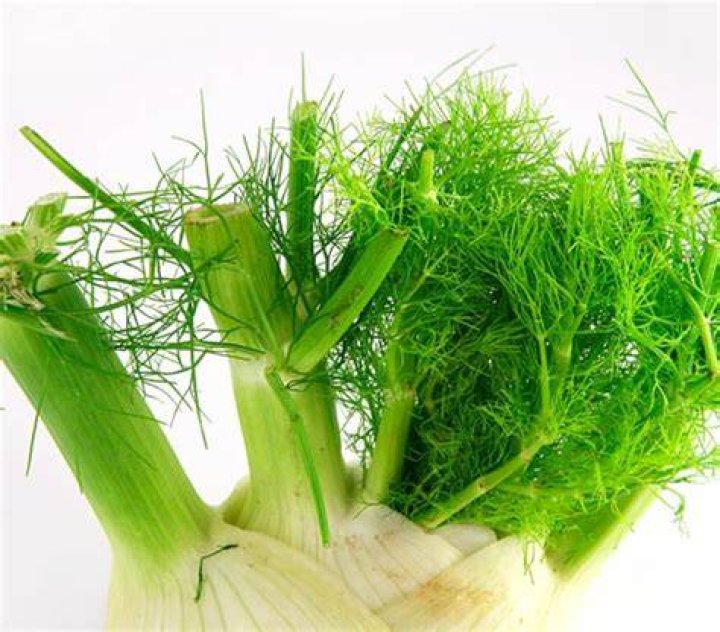
Fennel bulb prep routinely catches home cooks off guard. Its asymmetrical architecture, composed of fibrous outer layers, heavy branching stalks, and feathery green crowns, looks more like an ornamental garden shrub than an everyday pantry staple. Yet working through its dense layers requires nothing more than fundamental knife mechanics and an understanding of its growth pattern.
According to culinary preparation standards documented in a detailed Serious Eats Report, successfully slicing a fennel bulb depends on stabilizing the flat edges and knowing precisely when to excise the dense internal core.
📌 Key Takeaways:
- Structural Breakdown: Slice off the stalks at the shoulder, shear a paper-thin disc from the root, and halve the bulb vertically through the stem base to create stable working surfaces.
- The Coring Decision: Remove the interior pyramidal core completely for tender raw shaved ribbons, but leave it intact if you plan to sear or roast intact wedges.
- Zero-Waste Utility: Save fronds for herbaceous finishing garnishes, and redirect woody stalks and trimmed root pieces into freezer bags for aromatic vegetable stock scraps.
Understanding Bulb Anatomy and the Anise Flavor Profile
Fennel belongs to the Apiaceae family, sharing lineage with celery, carrots, dill, and parsley. The swollen base often labeled as a root is actually an overlapping sheath of thickened leaf stems. Because of this layered structure, soil frequently collects in the upper crevices where the bulb meets the stalks.
The entire plant contains anethole, an organic compound responsible for its distinct licorice-like aroma. When eaten raw, fennel provides a sharp, peppery crunch with high aromatic astringency. Cooking, however, changes its chemistry. Heat breaks down the complex sugars and softens the volatile essential oils, shifting the vegetable from an assertive anise flavor profile into a mild, caramelized sweetness reminiscent of braised leeks. Selecting bulbs that feel heavy for their size with tight, unblemished white layers ensures crisp texture and maximum moisture content.
The Prep Station: Essential Knife Skills and Safety Setup
Before making the first incision, secure the cutting board. A damp kitchen towel or silicone mat placed underneath prevents shifting during cuts through dense vegetable fibers. A sharp eight-inch chef's knife serves as the workhorse here. Dull blades easily slip off the glossy, curved exterior of the bulb, creating serious injury risks.
When paper-thin translucent ribbons are required for slaws, professional kitchens reach for a mandoline slicer. If you operate a mandoline, always use the accompanying hand guard or a cut-resistant safety glove. Fennel's slick internal layers yield suddenly under downward pressure, making unguarded slicing hazardous. Keep a bowl of acidulated cold water, water spiked with a squeeze of fresh lemon juice or a splash of white wine vinegar, beside your cutting board to prevent oxidation if the sliced bulb will sit before dressing.
Step-by-Step Breakdown: Trimming, Halving, and the Coring Technique
Mastering the foundational cut requires four consecutive movements designed to stabilize the vegetable against the board:
1. Stalk and Frond Removal: Lay the bulb flat on its side. Place your blade approximately half an inch above the top of the bulb, where the pale white layers narrow into solid green stems. Slice directly through the stalks in one smooth motion. Set aside the fennel fronds and fennel stalks for secondary uses.
2. Root End Removal: Turn your attention to the base. Shave off a minuscule slice, roughly 1 to 2 mm, from the bottom root plate. Remove just enough to clear away dried, discolored root fibers while leaving the basal plate intact so the outer layers do not immediately fall apart.
3. Vertical Bisection: Stand the bulb upright on its newly trimmed, flat bottom end. Slice vertically downward through the center, cutting directly through the core to divide the bulb into two symmetrical halves. Wash the exposed interior layers under cold running water to eliminate any trapped sand or garden grit.
4. Executing the Coring Technique: Lay each half cut-side down. Cut each half in half again along the vertical axis to create quarters. When you flip the quarters over, you will observe a dense, opaque white triangular core at the bottom center. For salads or fast sautés, angle your knife at roughly 45 degrees and slice out this triangular wedge. For recipes where the vegetable must hold together under intense heat, skip this step.
Cutting Styles Compared: Shaving, Slicing, and Roasting Wedges
How you cut the bulb dictates its texture, liquid release, and cooking speed. Slicing against the grain yields tender, delicate crescents, whereas cutting parallel to the grain preserves crunch.
| Cut Style | Primary Tool | Target Thickness | Culinary Application |
|---|---|---|---|
| Shaved Ribbons | Mandoline slicer or chef's knife | 1.0, 1.5 mm | Shaved fennel salad, citrus slaws, raw garnishes |
| Crosswise Slices | 8-inch chef's knife | 3.0, 6.0 mm | Sautéed pasta sauces, gratins, stir-fry dishes |
| Intact Wedges | Heavy chef's knife | 15, 25 mm | Roasted fennel slices, braises, grill grates |
| Fine Dice (Brunoise) | Santoku or chef's knife | 3.0, 5.0 mm | Bouillabaisse, seafood stews, mirepoix substitute |
Raw Fennel Preparation: Achieving Crisp Ribbons for Slaws
Raw fennel preparation demands paper-thin cuts. Thick, un-cored raw chunks resist chewing and deliver an overpowering hit of licorice oil. To produce delicate ribbons, core the halved bulb completely, place the cut side flat against the cutting board, and slice horizontally across the grain.
For maximum snap in a raw shaved fennel salad, drop the sliced ribbons into an ice water bath for 8 to 10 minutes. The cold shock curls the edges into translucent ribbons while washing away excess surface starch. Drain thoroughly in a salad spinner before dressing. The subtle sweetness pairs cleanly with high-acid elements: blood orange slices, Meyer lemon vinaigrettes, shaved Parmigiano-Reggiano, and toasted walnuts.
Zero-Waste Cooking: What to Do With Stalks, Fronds, and Trimmings
Discarding the upper half of the fennel plant wastes usable culinary material. Although fennel stalks are stringy and tough when eaten raw, their high moisture content and herbal depth make them excellent aromatics. Toss them directly into freezer bags alongside celery leaves, onion skins, and carrot ends to make vegetable stock scraps. When simmered in chicken or fish stocks, the stalks impart a gentle complexity without dominating the broth.
Fennel fronds function like fresh dill or tarragon. Finely chop the delicate green plumes to fold into compound herb butters, whisk into buttermilk dressings, or scatter across roasted fish just before serving. Bruised or coarse outer bulb layers that show surface browning should not go into salads; instead, slice them thin and slowly sweat them with onions to build the aromatic foundation of a tomato sauce or fish chowder.
Frequently Asked Questions (FAQ)
Q1: Should the core always be removed before cooking?
A: No. Remove the core for raw salads, quick stir-fries, and shaved slaws where toughness is undesirable. Leave the core intact when cutting the bulb into thick wedges for roasting, braising, or grilling, because the dense core holds the individual layers together under prolonged heat.
Q2: How do you keep cut fennel from browning on the counter?
A: Fennel oxidizes when exposed to air, turning pale brown along cut edges. Submerge the sliced pieces in cold water mixed with 1 to 2 tablespoons of fresh lemon juice or white vinegar to halt enzyme discoloration until you are ready to dress or cook them.
Q3: Can cut fennel be frozen for future meals?
A: Yes, but freezing damages its cell walls and ruins its raw crispness. Blanch sliced fennel in boiling water for 90 seconds, plunge into an ice bath, pat dry, and freeze in airtight bags for up to 6 months. Use thawed fennel exclusively in cooked soups, braises, and pasta bakes.
Transforming Fennel from Intimidating Root to Kitchen Essential
The barrier to cooking with fresh fennel is almost entirely mechanical. Once you trim the stalks, stabilize the flat cuts on your cutting board, and match your coring decision to your cooking method, the vegetable becomes simple to handle.
Whether sliced paper-thin across the grain for a vibrant winter salad or roasted in olive-oil-coated wedges until golden and sweet, proper knife execution unlocks one of the most dynamic textures and flavor profiles in the modern kitchen. Keep your knife edge honed, save your trimmings for the stockpot, and treat the bulb as an adaptable culinary workhorse.