Stranger Things Reunion Timeline: 10-Year Anniversary Video and Massive Cast Return Explained
Ten years after a group of middle-schoolers in Hawkins, Indiana rode their bikes into the cultural mainstream, the ensemble that defined a streaming generation has reached its closing chapter. The rollout surrounding the climactic final installment of the flagship Netflix original series turned into an international retrospective, punctuated by anniversary reel drops, red-carpet turbulence, and real-life reunions far away from the studio soundstages. According to an investigative Deadline Report, producers carefully managed internal cast dynamics and past production controversies during the high-stakes Season 5 premiere, balancing intense commercial scrutiny against the nostalgia of an audience that watched these child actors grow up on screen.
The transition from unknown adolescents to global fixtures reshaped modern television publicity. Viewers did not simply consume a science-fiction plot; they tracked real-time adolescence. When series creators Matt and Ross Duffer structured the farewell phase, they anchored it around a core lineup of 13 returning actors who had survived the narrative's expanding scope. Tracking this timeline reveals how an accidental pop-culture phenomenon managed its logistical scale, cast evolutions, and impending conclusion.
📌 Key Takeaways:
- The Core Thirteen: Netflix formalized the return of 13 primary ensemble stars for the fifth and final season, re-centering the narrative on original Hawkins residents.
- The 10-Year Archival Rollout: Behind-the-scenes retrospectives traced a decade of production footage, documenting the cast's transformation from 2016 obscurity to 2026 creative independence.
- Off-Screen Cohesion: Cast relationships migrated to new stages, demonstrated by Charlie Heaton supporting Sadie Sink during her West End run and private celebrations across the ensemble.
Ten Years in Hawkins: What Sparked the Cast Reunion Wave
The journey began in July 2016 without widespread fanfare. Netflix released an eight-episode summer thriller driven by an obscure ensemble of kids and two veteran anchors in Winona Ryder and David Harbour. Within four weeks, organic word-of-mouth transformed the show into a global juggernaut. That immediate visibility brought distinct complications. Finn Wolfhard, Millie Bobby Brown, Gaten Matarazzo, and Noah Schnapp entered the public eye before entering high school.
Child stars rarely survive decade-long productions intact. Production schedules lengthened dramatically as the cinematic scope increased, stretching production gaps from 15 months to three full years between seasons. The Duffer Brothers faced a recurring biological challenge: actors aged much faster than the characters they played on screen. By the time production resumed for the grand finale, the original pre-teens were entering their early-to-mid twenties.
The 10-year retrospective video became a strategic release. Rather than masking the age disparity, Netflix leaned directly into it. The archival compilation placed 2015 screen tests directly beside 2025 production takes. It functioned as an emotional release valve for a fan base that spent a decade waiting out production shutdowns, industry strikes, and scheduling conflicts.
The Core Thirteen: Unpacking the Final Season Call Sheet
Narrative bloat threatens any long-running fantasy property. Over four seasons, the ensemble ballooned across multiple continents, splitting narrative threads between Hawkins, California, Nevada, and Kamchatka. For the final run, the Duffer Brothers restricted the central promotional core to 13 returning performers, focusing the climax squarely on Indiana ground.
Millie Bobby Brown returned as Eleven, positioning the character as the dramatic foundation opposite Finn Wolfhard’s Mike Wheeler. Noah Schnapp’s Will Byers was placed back at the narrative center, fulfilling the series' opening arc from the 2016 pilot. Gaten Matarazzo (Dustin Henderson) and Caleb McLaughlin (Lucas Sinclair) returned to round out the core party, carrying the emotional fallout from the tragic fourth-season finale.
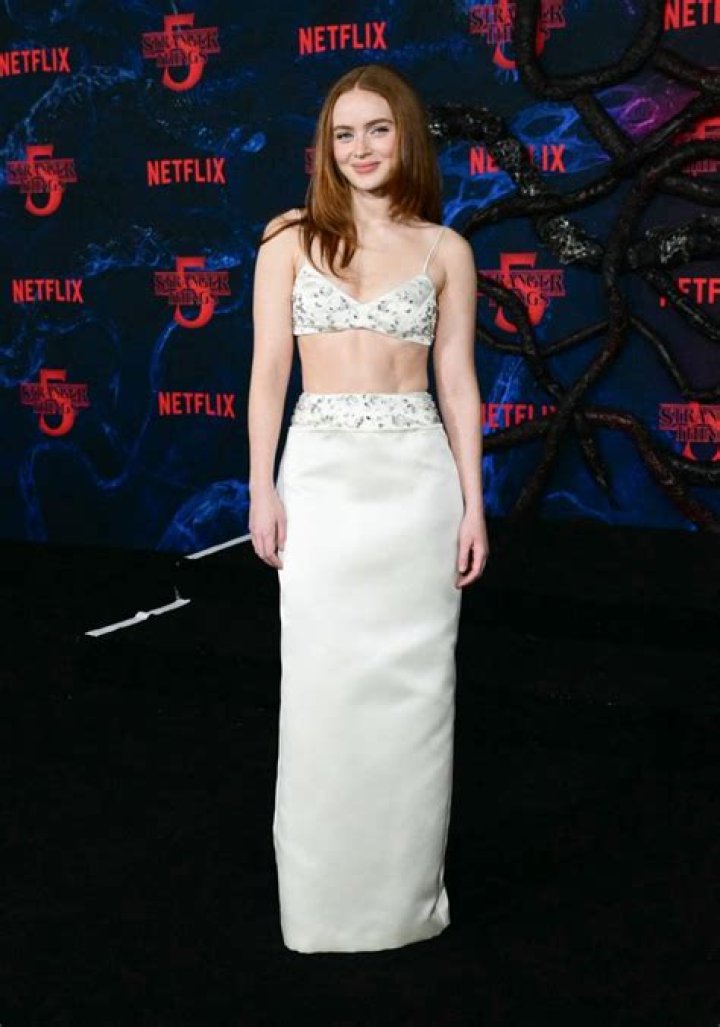
The older teen tier saw Joe Keery (Steve Harrington), Natalia Dyer (Nancy Wheeler), and Charlie Heaton (Jonathan Byers) navigating their prolonged transitions out of secondary education. Sadie Sink’s Max Mayfield returned following cliffhanger medical preservation, alongside Maya Hawke’s Robin Buckley and Priah Ferguson’s Erica Sinclair. Anchoring the generational split, Winona Ryder (Joyce Byers), David Harbour (Jim Hopper), and Brett Gelman (Murray Bauman) rounded out the verified 13-member primary call sheet. The production deliberately excluded late-stage side characters to avoid diluting the original group dynamic.
Production Eras and Ensemble Milestones: 2016, 2026
Understanding how the cast arrived at this final milestone requires examining the key production shifts that governed the show's decade-long run.
| Production Phase | Timeline | Cast Dynamic & Production Shift |
|---|---|---|
| Inception & Rapid Rise | 2015, 2017 | Unknown child actors cast; sudden global exposure following the July 2016 drop; Season 2 introduces Sadie Sink. |
| Peak Mainstream Expansion | 2018, 2019 | Maya Hawke joins ensemble; commercial sponsorships peak; cast salaries undergo major upward renegotiations. |
| Interruption & Cinematic Scale | 2020, 2022 | Prolonged health and logistical delays; production shifts to multi-location storytelling; cast matures into young adults. |
| The Final Bow & Reunion Phase | 2023, 2026 | Industry labor actions push schedules; 13 core actors confirmed for return; focus turns to narrative wrap and theatrical projects. |
West End Stages and Private Milestones: Life Outside the Set
The collective identity forged on set inevitably spilled over into personal and professional endeavors. Rather than scattering permanently as principal photography wrapped, the ensemble maintained visible creative ties. In August 2026, theatre patrons noted a quiet reunion in London’s West End when Charlie Heaton arrived to support Sadie Sink during the closing week of her run in Romeo & Juliet. Observers on social channels captured the unpublicized appearance, underscoring a camaraderie built through years of shared filming schedules.
Parallel shifts emerged in their personal lives. In February 2026, ABC News covered Maya Hawke’s surprise wedding, an event that drew warm public messages from her television co-stars while bypassing typical Hollywood red-carpet excess. Hawke, who balanced music tours and feature film roles with her turn as Robin Buckley, mirrored a broader independence sweeping the younger cast.
Millie Bobby Brown expanded her production banner, steering literary adaptations and beauty brands, while Finn Wolfhard directed independent features and toured with his rock band. Gaten Matarazzo returned frequently to Broadway stages. Joe Keery established a viable recording career under the moniker Djo, finding chart success independent of the streaming giant. Their collective persistence across stage, music, and screen broke the traditional slump that historically plagued child casts of hit network shows.
Managing Narrative Adjustments and Season 5 Premiere Tensions
The finale rollout was not without friction. Managing a sprawling cast for ten straight years exposes real-world creative and public relations vulnerabilities. At the high-profile Season 5 premiere events in late 2025, network organizers faced tricky logistical balances. As industry reporters observed, the promotional tour carefully bypassed past online controversies surrounding cast statements, keeping the public focus squarely on narrative completion.
Long-term franchise continuity also required creative adjustments. Online fan communities on Reddit and X extensively debated the real-world visibility of the ensemble. A decade of hyper-exposure altered how audiences perceived the actors. The Duffers recognized this fatigue. Early press materials underscored a structural pivot: the final scripts excised the geographic fragmentation of Season 4, locking the ensemble back within the town limits of Hawkins.
The strategic choice aimed to restore original character dynamics. Viewers wanted Steve and Dustin arguing in cars. They wanted the four boys huddled over a basement table. By compressing physical geography, the show minimized cast isolation and prioritized direct ensemble interplay, answering years of critique that the show had traded emotional intimacy for visual effects scale.
Why the Hawkins Ensemble Succeeded Where Others Faltered
Television history is littered with long-running series whose ensembles fragmented under internal tension or rapid fame. The longevity of this cast rests on distinct production structures. First, Netflix shifted production timelines to accommodate independent film and stage work, keeping key talent from feeling trapped by multi-year exclusivity clauses. When an actor booked a West End play or an indie feature, the writers adapted the shoot calendar.
Second, financial parity within distinct tiers prevented backstage disputes. Early pay renegotiations banded the child actors together, aligning their contractual interests during labor talks. The Duffer Brothers also protected character integrity by avoiding arbitrary romantic pairings or manufactured melodrama purely for runtime filler.
The bond survived because the core group experienced unprecedented digital scrutiny as a collective unit. In 2016, modern social media culture was already merciless, yet these actors weathered viral fame together. That mutual experience created an unshakeable protective perimeter, visible whether they were celebrating wedding vows in private or appearing at stage-door stage doors in London.
Frequently Asked Questions (FAQ)
Q1: Who are the 13 returning cast members featured in the final season core roster?
The 13 primary returning ensemble actors are Millie Bobby Brown, Finn Wolfhard, Noah Schnapp, Gaten Matarazzo, Caleb McLaughlin, Sadie Sink, Joe Keery, Natalia Dyer, Charlie Heaton, Maya Hawke, Priah Ferguson, Winona Ryder, and David Harbour.
Q2: Did the cast hold an official public reunion on London's West End?
While not an official studio event, Charlie Heaton attended the final week of Sadie Sink's London theatre production of Romeo & Juliet in August 2026, creating an organic cast reunion that drew significant public and media attention.
Q3: How did the 10-year anniversary footage address the cast's physical aging?
Rather than using digital de-aging or ignoring temporal passage, the anniversary retrospectives celebrated the cast's natural physical maturation, directly juxtaposing initial 2015 auditions against contemporary final season production takes.
The Final Bow and Legacy of the Hawkins Ensemble
A decade in front of the lens fundamentally altered these actors and the medium that elevated them. The production operated as an extended coming-of-age experiment conducted beneath studio lighting and digital scrutiny. By committing to narrative closure rather than indefinite franchise renewal, the creators gave the cast a rare exit ramp.
The final episodes mark the end of an irreplaceable chapter in streaming entertainment. As the original cast moves into theatre stages, directorial debuts, and independent lives, their decade-long collaboration stands as an anomaly: an ensemble that entered the machine as children, navigated extreme celebrity, and delivered a unified farewell on their own terms.