Target Dumpling Squishy Recall Fact-Check: Are Viral Fidgets Being Pulled?
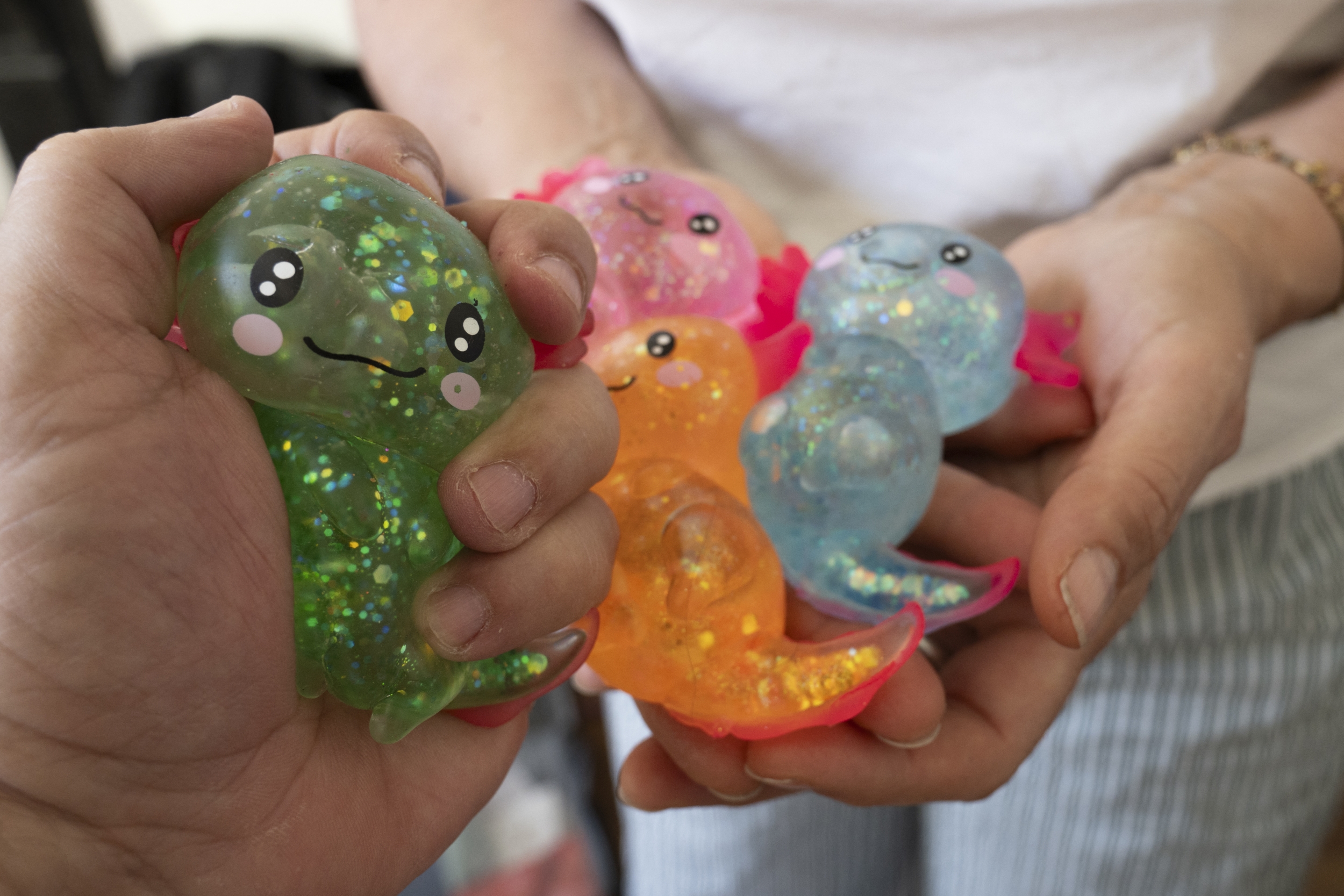
Target's front-of-store bargain bins emptied out repeatedly over the past two years as millions of shoppers hunted for a specific $3 novelty: a palm-sized dumpling stress ball tucked inside a faux bamboo steamer basket. Videos showcasing the tactile, doughy texture amassed tens of millions of views, propelling the cheap sensory item into a viral sensation. Yet across social feeds in 2026, alarmist warnings began circulating that federal safety inspectors had ordered an emergency sweep pulling these beloved fidgets off Target shelves nationwide.
The panic is grounded in legitimate regulatory crackdowns, but online rumors mixed up two fundamentally different products. As documented in a recent Medical Daily Report, federal authorities issued aggressive enforcement actions against squishy toys containing superabsorbent water beads that expand inside the body. That genuine health alert metastasized across group chats into a false claim that Target’s viral dumpling squishies were facing a blanket recall. Here is the operational truth behind the warnings, the mechanics of federal safety enforcement, and how to verify what sits inside your sensory toys.
📌 Quick Summary:
- The Recall Status: Target’s viral steamer basket dumpling squishy has not been recalled by the Consumer Product Safety Commission (CPSC) and remains approved for standard retail sale.
- The Root Confusion: The viral panic stemmed from coordinated federal enforcement actions targeting water bead squishies, fidget toys filled with polymer spheres that swell dangerously if swallowed.
- The Safety Distinction: Most viral dumpling stress balls use non-toxic TPR material or dense maltose paste, posing a tearing or choking risk only if shredded, unlike the life-threatening surgical hazard of expanding hydrogels.
How Bullseye's Playground Sparked a Tactile Fidget Obsession
Target’s front entrance section, branded as Bullseye's Playground, runs on a fast-turnover impulse model. Products rotate every four to six weeks, priced primarily between $1 and $5. In early 2024, Target introduced a realistic dumpling stress ball packaged inside a miniature plastic steamer basket. The toy hit the intersection of food-themed cuteness, affordable pricing, and satisfying tactile resistance.
On TikTok and Instagram, creators categorized the dumpling as an indispensable desk toy and sensory regulation tool for neurodivergent children and adults. Secondary resellers quickly began listing the $3 novelty on eBay and Mercari for as much as $15 to $20 during peak stock outages. The intense consumer attachment meant that any disruption in store inventory was immediately noticed by fans. When Target refreshed the section in late 2025 and empty shelves appeared, consumers assumed regulatory intervention rather than routine seasonal resets.
Untangling the Rumor: What Regulators Actually Targeted
Federal consumer watchdogs have spent the last three years tightening standards around expanding sensory items. The Consumer Product Safety Commission executed significant enforcement actions against multiple toy importers marketing squishies that house hydrogel water beads. These beads, often made from cross-linked polyacrylamide, absorb digestive fluids and swell up to 100 times their original volume when swallowed.
Social media algorithms flattened these distinctions. Video creators used clickbait captions claiming that "all squishies at big-box stores are being pulled," overlaying footage of Target's dumpling fidget to rack up shares. In reality, the CPSC action zeroed in exclusively on permeable or burst-prone outer skins containing dehydrated or pre-hydrated swelling beads. Target’s traditional dumpling stress ball does not contain swelling hydrogel beads. It is a solid-fill or dense-liquid sensory object that operates under entirely different regulatory standards.
Water Bead Hazards Versus Solid TPR: The Regulatory Reality
Federal regulators evaluate tactile fidgets according to their internal architecture and failure consequences. If an outer shell ruptures, what escapes into a child's hands or airway dictates the severity of the government's response. The table below illustrates the critical regulatory and mechanical differences among squishy toys sold across the retail market.
| Toy Style & Filling | CPSC Enforcement Status | Primary Mechanism of Harm | Typical Target Retail Shelf |
|---|---|---|---|
| Water Bead Squishies (Mesh balls, animal skins) | Targeted for active recalls, seizures, and retailer bans (2024, 2026) | Intestinal blockage, tissue necrosis from internal expansion | Removed from all primary aisles; banned by national retailers |
| Target Steamer Dumpling (Solid/Semi-solid TPR) | Compliant; no active recalls or safety stop-sales | Standard choking hazard if outer skin is torn and ingested | Bullseye's Playground (rotating seasonal availability) |
| Flour / Maltose Paste Squishies | Monitored under standard small-parts guidelines (16 CFR 1501) | Mess on rupture; mild irritation if paste reaches eyes | Main Toy Aisle / Stationery Fidget Displays |
| Slow-Rise Polyurethane Foam | Fully authorized; ongoing compliance checks for chemical off-gassing | Aspiration hazard if bits are chewed off by toddlers | Party Favor and Seasonal Craft Sections |
Material Anatomy: What Is Inside the Steamer Basket Squishy?
Manufacturing teardowns of the viral dumpling fidget reveal a straightforward composition. The outer casing consists of thermoplastic rubber (TPR), a synthetic polymer combining the properties of rubber and plastic. TPR offers high tear resistance and flexibility without requiring vulcanization, making it cost-effective for sub-$5 novelty manufacturing.
Inside the dumpling, manufacturers use one of two fillers. Solid versions rely entirely on molded TPR gel, offering a uniform squish that bounces back instantly. Liquid-core versions use an inert, food-grade thickener such as maltose syrup, starch slurry, or mineral oil paste to replicate the dense give of unbaked dough. Neither formulation contains expanding hydrogels. If a child punctures the dumpling skin with their teeth, the filling produces a sticky mess, but it does not absorb bodily fluids to cause fatal bowel obstructions.
Assessing Rupture Risks and Everyday Safety in the Home
While clearing the hurdle of emergency federal bans, cheap sensory fidgets carry standard mechanical risks. TPR degrades over time. Contact with hand oils, repeated shear stress, and exposure to sunlight cause micro-fractures along the seam where the base of the dumpling is sealed. When these seams fail, the toy presents a choking hazard sensory toy scenario for children under 3 years old.
Between 2024 and 2026, consumer watchdogs logged hundreds of informal incident reports involving ruptured budget squishies. Children frequently explore novel textures by biting down on them. A severed chunk of rubber can lodge in an airway. For households with toddlers, any squishy with an ultra-thin membrane requires immediate disposal once the surface turns tacky, cloudy, or thinned out from aggressive stretching.
Smart Inspection Steps for Fidget Toy Collectors and Parents
Navigating discount toy bins requires basic consumer literacy. Shoppers should examine squishies before buying to separate benign stress-relief tools from hazardous designs.
First, inspect the packaging for age gradings. Federal law mandates explicit warnings for toys containing small parts intended for users aged 3 and older. If a squishy arrives in an unmarked plastic wrapper without an importer address or tracking label, put it back. Legitimate Target Bullseye products carry Target Corporation’s proprietary distribution marks and compliance codes on the back of the header card.
Second, conduct a gentle pinch test along the base. The weakest point on any dumpling stress ball is the injection plug at the bottom. Squeeze the toy firmly between two fingers to verify that the plug does not separate from the outer skin. If the toy feels crunchy or displays individual pea-sized spheres rolling freely under the rubber, it contains water beads. Those items should never be brought into homes with small children or curious pets.
Frequently Asked Questions
Did Target pull dumpling squishies from store shelves?
No. Target did not issue a recall for its steamer basket dumpling squishy. Inventory absences are caused by standard seasonal product rotations in Bullseye's Playground and high consumer demand, not regulatory enforcement actions.
What should I do if a dumpling stress ball breaks open?
Wash the skin and surrounding surfaces with warm water and mild dish soap. The internal filling in standard dumpling toys is non-toxic maltose paste, starch, or TPR gel. Dispose of all torn pieces immediately to eliminate choking hazards for pets and young children.
Why are water bead toys being banned by major retailers?
When swallowed, superabsorbent water beads do not pass through the digestive tract naturally. They absorb stomach acid and intestinal fluids, swelling significantly within hours. This leads to life-threatening internal blockages and bowel perforations that require complex surgical removal.
The Evolving Rules of Sensory Toy Safety
Social media rumor cycles move substantially faster than regulatory agencies. A legitimate consumer protection effort against hazardous expanding polymers transformed, through algorithmic game of telephone, into a claim that Target’s favorite novelty item was banned. The reality is reassuring for fidget enthusiasts: Target’s dumpling squishy remains a safe, compliant desk accessory when used as intended.
Shoppers must remain attentive to manufacturing quality. Budget fidgets are built for brief life cycles, not lifelong durability. Checking seams, discarding worn-out rubber skins, and keeping tactile toys away from unsupervised toddlers ensures that desk novelties provide simple stress relief without unexpected emergencies.


