Taylor Swift’s Lightning Bolt Necklace Drama: The Real Story Behind the Nazi Allegations
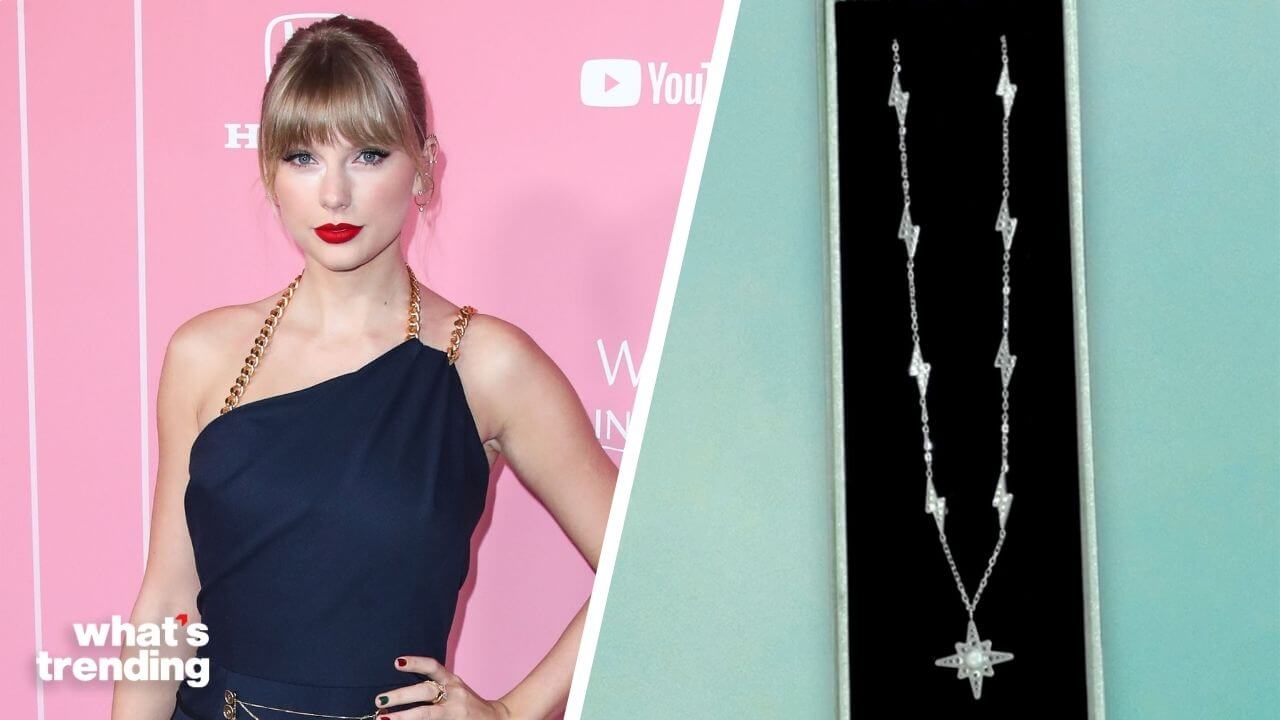
In mid-October 2025, merchandise tied to Taylor Swift's album cycle triggered an explosive internet controversy. Viral posts across X, TikTok, and Reddit alleged that an angular lightning bolt necklace offered on Swift's official webstore bore an unsettling resemblance to the Nazi Schutzstaffel (SS) insignia. Within forty-eight hours, the product vanished from her digital storefront without formal comment, sparking intense debate across mainstream outlets and social feeds alike.
The sudden removal seemed to validate the worst assumptions of casual observers. However, forensic digital analysis soon exposed a far more calculated reality. As detailed in an investigative Rolling Stone Report, the viral fury was not an organic cultural objection. Disinformation researchers uncovered a deliberate, bot-driven effort engineered to weaponize fringe historical comparisons against the world’s most visible pop star.
📌 Key Takeaways:
- The Core Controversy: Swift’s webstore pulled an angular lightning bolt pendant in October 2025 after bad-faith actors claimed its silhouette referenced SS insignia.
- The Disinformation Findings: Investigative reports from Rolling Stone and The Guardian revealed that coordinated bot clusters artificially amplified the outrage to manipulate search algorithms.
- The Long-Term Impact: The incident established a blueprint for how bad-faith actors hijack pop merchandise rollouts to manufacture partisan political scandals.
How an Album Accessory Sparked an Overnight Firestorm
The controversy began on October 14, 2025, when eagle-eyed social media accounts began circulating side-by-side images of a newly listed piece of official merchandise: a geometric, gold-toned lightning bolt pendant priced at $35. Swift had long used lightning motifs to evoke sudden heartbreak and electric emotional states, running back through visual cues from the Reputation and Midnights eras. Yet within hours, screenshot threads began juxtaposing the single angular bolt against the double *Siegrune* used by Nazi Germany’s paramilitary wing.
The initial framing originated on anonymous message boards before bleeding into mainstream aggregators. Commentators questioned how a modern corporate design team could clear the item. As reports from outlets like Cleveland.com highlighted, the pendant was removed from the official store on October 15, 2025. To the public, the silent deletion resembled an admission of culpability. Tabloid headlines quickly ran with the narrative that Swift had marketed accidental fascist iconography to her predominantly young fanbase.
Decoding the Graphic Design: Acoustic Motifs Versus Extremist Runes
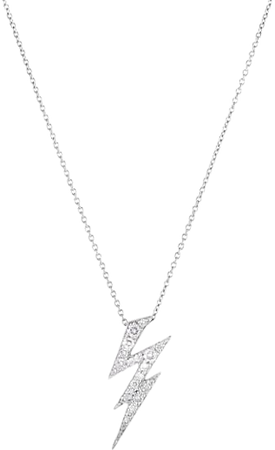
Visual semioticians and graphic design historians offered a very different perspective from the viral accounts. The pendant in question featured a sharply angled, zig-zag geometric form modeled on soundwaves and storm imagery. In fascist heraldry, the SS symbol consists of two parallel lightning bolts derived from the ancient Armanen rune *Sig*, drawn with specific proportional ratios, flat sheared tops, and parallel forty-five-degree angles.
Swift’s design featured a single, asymmetrical fracture. Single lightning bolts are universally common motifs across rock and pop iconography, from David Bowie’s iconic Aladdin Sane makeup to AC/DC’s corporate logo and Neil Young’s acoustic guitars. Context matters in visual literacy. Stripping away the musical aesthetic allowed opportunistic accounts to project extremist historical meaning onto an everyday design choice.
Timeline of an Engineered Outrage Campaign
The escalation of the lightning bolt controversy followed a precise pattern of synthetic amplification rather than natural fan discourse. The following chronological breakdown maps how a routine product listing morphed into an international disinformation case study between late 2025 and 2026.
| Date | Milestone Event | Observed Network Pattern |
|---|---|---|
| Oct 14, 2025 | Pendant appears on Swift’s official merchandise portal. | Standard organic fan discovery across music forums. |
| Oct 15, 2025 | Product silently removed from site; Nazi comparisons surge. | Astroturfed accounts deploy identical graphic overlays simultaneously. |
| Dec 9, 10, 2025 | Rolling Stone and The Guardian publish forensic analyses. | Audits identify over 4,200 automated accounts driving early hashtags. |
| Mid-2026 | European outlets revisit case amid broader online security hearings. | Case formally cataloged as a benchmark in synthetic reputation attacks. |
What Disinformation Researchers Discovered Inside the Bot Swarms
In December 2025, network researchers broke the story wide open. An in-depth investigation cited by The Guardian confirmed that the initial surge of accusations was heavily orchestrated. Analysts identified thousands of newly registered social media profiles executing copy-paste phrasing within seconds of each other. These sleeper clusters operated in tandem, hijacking entertainment hashtags to force the phrase "Taylor Swift Nazi necklace" into algorithmic trending bars.
The objective was clear: manufactured reputational contagion. By triggering corporate brand-safety alarms, the operators sought to provoke a crisis inside Universal Music Group and Swift’s business enterprise. The smear campaign relied on bad-faith political polarization, targeting Swift following her high-profile civic engagement and voter-mobilization campaigns. The coordinated accounts did not care about historical accountability; they exploited real anti-hate vigilance to manufacture artificial outrage.
Fan Forensics and the Quiet Art of Corporate Withdrawal
Swifties responded to the controversy with forensic vigor. Online communities parsed metadata from the webstore, uncovered design mockups from independent jewelers that predated the release by years, and mapped the inorganic spread of the attack accounts. Fan archivists compiled dossiers demonstrating that identical lightning bolt jewelry had been sold by mainstream retailers without incident for decades.
Behind closed doors, Swift’s management opted for swift de-escalation over protracted public conflict. Withdrawing the merchandise instantly stopped retail distribution, denying bad-faith actors physical props for further camera stunts. While silence left a brief void filled by sensationalist tabloids, it starved the coordinated smear of fresh soundbites. By avoiding defensive press releases, Swift’s camp allowed independent network researchers to dismantle the narrative using raw operational data.
Pop Culture as a Battlefield for Modern Influence Operations
The lightning bolt incident marked a shift in how weaponized disinformation operates. In previous cycles, influence campaigns focused squarely on elections, public health initiatives, or financial markets. By late 2025, commercial entertainment ecosystems became prime targets for bad-faith operations. High-profile cultural figures command massive, passionate attention economies, making them ideal vectors for testing synthetic media tactics.
If bad-faith operators can convince casual readers that a chart-topping musician is subtly peddling extremist runes through an album accessory, digital credibility loses its baseline. The controversy served as a warning shot for entertainment merchandisers worldwide. Every graphic treatment, typography choice, and aesthetic design is now vulnerable to algorithmic distortion by actors looking to destabilize public trust.
Frequently Asked Questions (FAQ)
Q1: Did Taylor Swift’s lightning bolt necklace actually use Nazi symbols?
No. Independent design analysts and academic researchers confirmed the item was a standard, single-bolt lightning design common in rock and pop merchandising. The claim that it represented Nazi SS iconography was manufactured through bad-faith visual manipulation.
Q2: Why was the necklace removed from Taylor Swift's official store?
Swift’s team quietly pulled the item in mid-October 2025 as a preventative brand-safety measure. Retailers routinely delist products facing bad-faith outrage cycles to prevent further bad-faith amplification while reviewing inventory.
Q3: How do we know the controversy was a coordinated online attack?
Forensic investigations by network analysis firms, detailed by Rolling Stone and The Guardian in December 2025, traced the viral outrage to thousands of synchronized bot accounts designed to manipulate algorithmic trending metrics.
Navigating Digital Perception and Accountability in 2026
The lightning bolt necklace episode revealed the vulnerabilities of the modern internet. Visual motifs that existed harmlessly for decades can be weaponized overnight through coordinated bot infrastructure, confusing casual observers and forcing corporate retractions. Swift's merchandise was not a covert political dog whistle; it was collateral damage in an escalating era of digital information warfare.
Separating authentic consumer concern from synthetic outrage requires rigorous forensic skepticism. As audience members and consumers in 2026, parsing viral accusations demands looking past sensational headlines to verify the machinery operating beneath the surface. Real accountability requires evidence, context, and structural analysis, not the reflexive outrage of an engineered mob.