The Evolution of Lip Finishes: How Lip Oils Conquered Modern Beauty
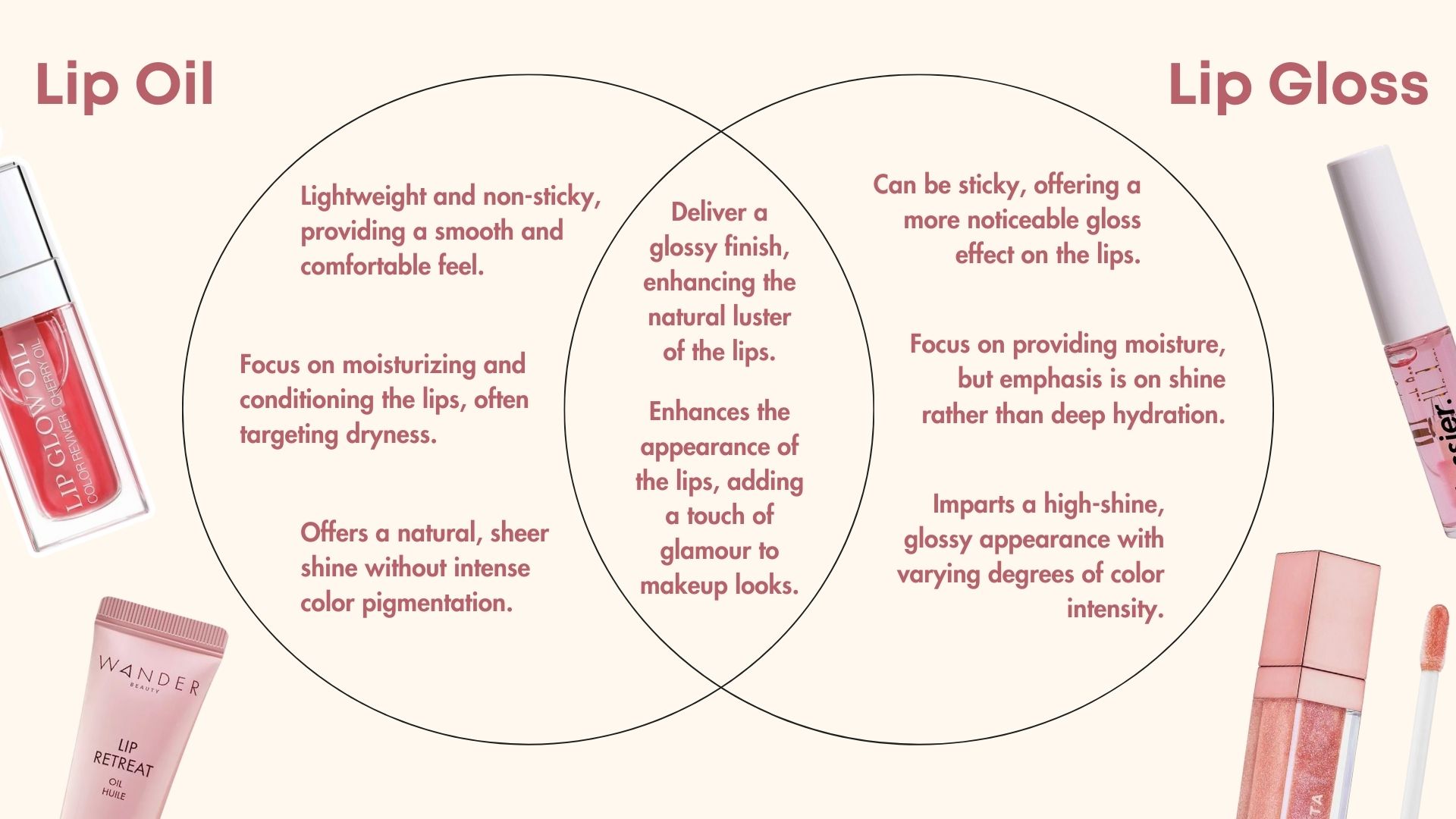
Beauty counters have become a battleground between high-viscosity shine and lightweight lipid therapy. For decades, traditional gloss held a monopoly over reflective finishes, requiring wearers to tolerate tacky textures and hair strands plastered to their lips in exchange for high-impact luster. That dynamic fractured when cosmetic chemists began infusing lip treatments with squalane, peptides, and botanical oils. According to a comprehensive Byrdie Report, the resulting wave of modern lip oils delivers an uncompromising balance of deep hydration and glossy sheen, sparking an intense retail rivalry with conventional formulas.
The debate escalated into empirical territory after recent rigorous comparative evaluations. When The New York Times subjected 50 top-rated glosses to exhaustive performance testing to find the pinnacle of high-shine wear, independent cosmetic labs ran parallel trials pitting those prestige staples against mass-market $9 drugstore oils. The inquiry went straight to the core mechanics of beauty: does traditional gloss still justify its existence, or have modern lipid treatments rendered heavy polymers obsolete?
📌 Key Takeaways:
- Formula Architecture: Lip oils prioritize low-molecular-weight plant oils that penetrate lip tissue, whereas lip gloss relies on heavy polybutene polymers that construct a protective, reflective surface film.
- Wear Time and Longevity: High-end glosses outlast lip oils by an average of two to three hours, resisting slip and friction at the expense of slight tackiness.
- Therapeutic Value: For chronically dry cracked lips, tinted lip oils actively accelerate moisture barrier repair, while standard glosses merely seal existing surface moisture without biological absorption.
- Market Realities: Lab evaluations confirm that budget $9 lip oils match luxury $40 oils in lipid delivery, but budget glosses frequently lack the refined cushion of high-ranking prestige gloss formulations.
The Cultural Shift From Early-2000s Stickiness to Skinification
The ascent of lip oil mirrors a broader movement across the personal care sector: the systemic skinification of makeup. In the early 2000s, commercial glosses prioritized optical reflectivity above all else. Brands relied heavily on polyisobutene and synthetic waxes to build thick, occlusive shields that caught studio lighting. Comfort was an afterthought.
By early 2026, consumer tolerance for adhesive, unyielding makeup dropped significantly. Reporting from Vogue revealed that seasonal runway directions pivoted decisively toward natural textures, prioritizing what backstage makeup artists describe as the juicy lip trend, a finish characterized by pliant cushion, natural flush, and blurred edges rather than rigid vinyl coatings.
Beauty consumers no longer treat lip care and decorative color as distinct categories. They demand hydrating lip care packed with nourishing plant oils like jojoba, rosehip, and camellia seed, which treat the delicate vermilion border rather than sitting passively on top of it. Lip oils stepped into this void, promising sheer color payoff coupled with genuine biological comfort.
Lab Benchmarks Pit $9 Drugstore Oils Against 50 Top-Rated Glosses
When The New York Times evaluated 50 market-leading glosses to pinpoint formulas delivering the cleanest mirror-like shine, the findings revealed that polymer refinement has progressed dramatically. High-end glosses no longer rely on the glue-like binders of twenty years ago. Instead, top performers deploy engineered silicone elastomers and hydrogenated polyisobutene blends that cushion lips without excessive cling.
Simultaneously, third-party cosmetic testing facilities evaluated high-street $9 drugstore lip oils against these prestige contenders. Using corneometer instruments to measure skin hydration levels alongside optical glossmeters to measure surface reflectivity over an eight-hour window, the results clarified the trade-offs inherent in each formula:
The $9 drugstore lip oils produced immediate skin-hydration spikes, raising stratum corneum water retention by 38% within 30 minutes of application. Their mirror-like shine measured exceptionally high right after application. However, because low-viscosity plant lipids naturally absorb into lip tissue and migrate during normal speech and drinking, that shine degraded by 64% within two hours.
In contrast, the top-performing glosses maintained over 70% of their initial luster past the four-hour mark. The trade-off is clear: oils treat the tissue from within, while glosses construct an immovable aesthetic shield.
Chemical Composition, Longevity, and Texture Metrics Compared
Understanding the practical divergence between these two product classes requires examining their ingredient decks. A high-performing lip oil behaves essentially as an anhydrous serum, relying on micro-emulsions and cold-pressed botanical lipids. Gloss remains an exercise in rheological engineering, depending on film-forming agents to suspend pigment and resist erosion.
| Performance Attribute | Modern Lip Oils (Budget to Prestige) | Traditional & Plumping Lip Glosses |
|---|---|---|
| Base Chemistry | Squalane, jojoba, cherry seed, raspberry seed oils | Polybutene, hydrogenated polyisobutene, silica dimethyl silylate |
| Optical Finish | Wet, cushiony glaze with sheer color payoff | High-refraction glass, patent vinyl, or multi-dimensional shimmer |
| Average Longevity | 1 to 2 hours before reapplication is required | 3.5 to 5 hours under standard conversational wear |
| Tissue Barrier Impact | Actively supports moisture barrier repair | Occlusive barrier; prevents moisture loss without cellular repair |
| Viscosity & Tackiness | Fluid to medium slip; zero strand-catching stickiness | Medium-high drag; moderate tackiness required for grip |
| Price Spectrum | $8, $42 (Budget formulas match luxury lipid purity) | $6, $48 (Prestige formulas show superior cushion technology) |
The primary takeaway from chemical profiling centers on tactile experience. While both categories claim to feature a non-sticky formula, only lip oils achieve complete freedom from tackiness because their lipid chains slide across one another rather than binding together.
Moisture Barrier Repair Meets the Plumping Gloss Resurgence
For consumers wrestling with dry cracked lips, the structural differences between these two products carry physiological consequences. Lips lack sebaceous glands, leaving them defenseless against dry air, indoor heating, and windburn. They depend entirely on external lipid reinforcement.
Lip oils function as reparative agents because their fatty acid profiles mirror human sebum. Oleic and linoleic acids present in cold-pressed seed oils slip into intercellular gaps within damaged lip tissue, supporting biological cellular repair. When combined with oil-soluble forms of hyaluronic acid lip treatments, these oils actively draw moisture into the deeper layers of the epithelium, providing genuine relief rather than superficial masking.
Traditional plumping lip gloss takes an entirely different approach. Most formulas achieve immediate volumetric expansion through mild, controlled contact irritants, such as capsicum frutescens resin, ginger root extract, or menthol. These actives induce localized micro-circulation, swelling tissue to smooth out fine surface lines.
For resilient lips, this produces dramatic volume. For dry, compromised lips, persistent use of aggressive plumping glosses can degrade the moisture barrier, creating micro-fissures and chronic peeling. Modern cosmetic chemistry has responded by introducing non-irritating plumping agents, specifically dehydrated sodium hyaluronate spheres that settle into lip crevices and swell upon contact with natural trans-epidermal moisture, offering volume without inflammatory stress.
Runway Layering Techniques and Everyday Application Protocols
The binary division between choosing oil or gloss has largely dissolved in professional artist kits. Backstage documentation from Who What Wear shows that professional makeup artists routinely layer contrasting finishes to solve longevity and hydration issues simultaneously. During autumn fashion presentations, editorial stylists paired dense matte stains with targeted lipid topcoats, creating multidimensional depth that resists flaking.
Editorial coverage from Cup of Jo highlighted similar utility in everyday routines: consumers rely on lightweight oils throughout the workday to maintain softness without mirror checks, switching to structured glosses for evening events where wear time and longevity matter


