The Hidden App Store Markup: Why Buying TikTok Coins in the App Costs Up to 30% More

Every night across millions of smartphone screens, viewers shower livestreamers with animated roses, paper cranes, and digital lion crowns. This micro-tipping engine powers the platform's lucrative creator economy, yet millions of users are paying an invisible surcharge each time they top up their accounts. Tapping the recharge button within the iOS or Android mobile application triggers an automatic platform fee that inflates the price of virtual tokens by up to 31% compared to transactions processed on a standard desktop browser. As detailed in an investigative consumer guide by the Clarin Report on purchasing digital currency across social platforms, these price variations stem directly from long-standing platform distribution tolls rather than the baseline cost of the coins themselves.
The price gap is not an accidental currency glitch. It is the direct result of a structural battle between dominant mobile operating systems and web-first payment processing. Apple's App Store and Alphabet's Google Play maintain strict rules requiring third-party apps to process in-app digital goods through their proprietary payment channels, taking standard cuts ranging between 15% and 30%. To insulate its margins while keeping its payout structures intact, TikTok passes this platform overhead straight to the consumer who recharges inside the native app.
📌 Key Takeaways:
- The Direct Markup: In-app purchases on iOS and Android add roughly 25% to 31% to the total purchase price of virtual tokens due to mobile channel commissions.
- The Web Bypass: Purchasing tokens through the official desktop coin portal charges standard credit or debit processing fees, passing the savings back to users.
- Creator Impact: Livestream hosts receive the exact same diamond value regardless of whether gifts were purchased via mobile app or web checkout.
How the 30% Mobile Platform Surcharge Works
The mechanics behind mobile billing are straightforward. When an iOS user selects a 70-coin bundle directly inside the TikTok app, Apple routes the transaction through its In-App Purchase (IAP) system. Apple collects its platform fee, deducts merchant fees, and remits the remainder to ByteDance. Google operates an identical structure on Android through Google Play Billing. Rather than absorbing that deduction on digital goods that hold no physical production costs, ByteDance adjusts its retail pricing tiers inside the mobile apps.
On the desktop version of the platform, those mobile storefront rules disappear. When a buyer visits the browser-based portal, TikTok acts as its own merchant of record or uses standard web payment gateways like Stripe and PayPal. Gateway processing costs typically run between 2% and 3% plus a flat interchange fee. Because ByteDance does not hand roughly a third of gross revenue to Apple or Google on the web, it offers users identical quantities of digital currency at a steep direct discount.
The financial disparity adds up fast for frequent viewers. A casual fan sending a few roses during a casual stream might only lose a handful of cents to the markup. High-volume community members sending premium gifts like the TikTok Universe (which costs around 34,999 coins) end up paying hundreds of dollars in platform markups over a few weeks without gaining any extra virtual balance.
Real-Time Cost Breakdown: In-App Storefront vs. Web Portal
The difference between app checkout and browser checkout is not subtle. Across every package tier, direct web purchases provide significantly higher coin yields per dollar spent. The following pricing comparison highlights standard US tier costs recorded across mobile storefronts versus the desktop coin checkout portal:
| Coin Bundle Size | In-App Mobile Price (iOS/Android) | Direct Web Store Price (Desktop/Mobile Web) | Consumer Savings (%) |
|---|---|---|---|
| 70 Coins | $0.99, $1.09 | $0.74, $0.79 | ~25%, 28% |
| 350 Coins | $4.99, $5.49 | $3.70, $3.95 | ~26%, 29% |
| 1,400 Coins | $19.99, $21.99 | $14.80, $15.80 | ~26%, 30% |
| 7,000 Coins | $99.99, $109.99 | $74.00, $79.00 | ~26%, 31% |
| 17,500 Coins | $249.99, $269.99 | $185.00, $197.50 | ~27%, 31% |
The web storefront also removes the rigid package limits imposed by standard mobile tiers. On the official web interface, users can input a custom coin value, recharging anywhere from a couple dozen tokens up to 2,500,000 coins in a single transaction. High-tier accounts backing major creators during competitive live rankings can avoid transaction throttling and save thousands of dollars on single balance adjustments.
Step-by-Step: Recharging Coins Through the Web Portal
Circumventing the mobile tax does not require technical workarounds or account modifications. The process relies entirely on official platform tools that TikTok maintains openly on the web.
Open Safari, Chrome, or any standard web browser on your phone, tablet, or laptop. Navigate to the official address: tiktok.com/coin. Log into your account using your standard credentials, QR code scan, or federated social login. Your current virtual gifts balance displays immediately in the upper corner of the management dashboard.
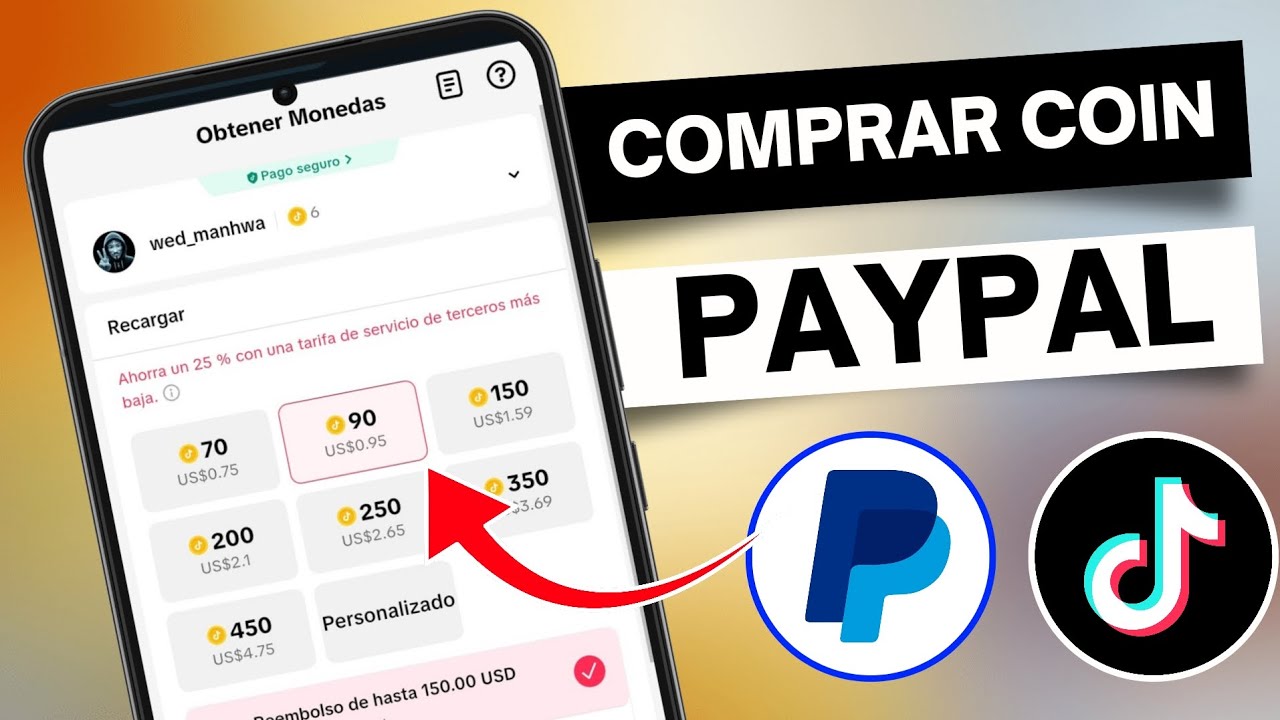
Select one of the pre-set bundles or type a tailored amount into the custom input box. Select your preferred payment method. The web store supports standard credit cards, debit cards, PayPal, and regional bank routing rails. After completing two-factor verification, the coins deposit into your profile instantly. If you return to the mobile app, the balance updates immediately across all active sessions, ready for use during live broadcasts.
The Creator Economy Reality: Do Hosts Lose Out?
A widespread misconception across community forums suggests that buying discounted coins reduces creator payouts. The concern is understandable: if a viewer spends $15 on desktop instead of $20 in the mobile app, common sense suggests the host must receive less cash.
Platform payout mechanics tell a different story. Creators do not earn flat percentages of the real-world fiat cash spent by individual viewers. Instead, creators receive virtual "Diamonds" calculated strictly from the fixed coin value of the animations sent to their stream. A gift priced at 1,000 coins generates precisely 500 Diamonds for the recipient, regardless of whether the sender bought those coins via mobile checkout or the web discount portal.
TikTok converts Diamonds to cash at a fixed rate of $0.005 per unit before creators initiate their banking withdrawals. Because payout conversion depends solely on coin counts, sending a creator 1,000 coins bought on the web delivers the exact same net earnings to the broadcaster as 1,000 coins bought through an app store. The only party losing revenue when a user shops through a browser is the operating system distributor that would have collected a processing fee.
Payment Methods and Regional Security Safeguards
While the savings are immediate, users must practice standard online hygiene when buying platform currency outside mobile app stores. Because third-party sites frequently impersonate official top-up pages, verifying the domain address is essential before entering financial credentials.
Legitimate transactions occur solely within the official tiktok.com domain. Avoid unverified discount portals, Discord sellers claiming to offer 80% off, and third-party "coin generator" websites. These services routinely steal payment credentials, hijack sessions, or trigger security flags that result in permanent account bans for unauthorized financial tampering.
Web purchases also offer broader payment flexibility than mobile operating systems. Apple and Google restrict mobile purchases to accounts linked directly to an Apple ID or Google Play profile. The desktop portal allows buyers to check out with dedicated virtual cards, business expense accounts, or corporate credit lines without linking card details to personal device stores.
Frequently Asked Questions (FAQ)
Q1: Is buying TikTok coins on the web permitted under terms of service?
A1: Yes. The web recharge portal is an official, first-party payment portal developed and maintained directly by TikTok. Using it does not violate community guidelines or risk account penalties.
Q2: Can I use coins bought on a browser inside the mobile app?
A2: Yes. Account balances are tied to your primary user profile, not the device used for payment. Coins purchased via web browser appear in your account balance on iOS and Android instantly.
Q3: Why doesn't TikTok advertise the web discount directly inside the iPhone app?
A3: App store operating guidelines strictly prohibit developers from steering users toward outside payment systems or mentioning external, cheaper purchasing options inside iOS and Android software builds.
Q4: Do web coins expire if I leave them in my wallet balance?
A4: No. Virtual coins do not expire, provided your account remains active and in good standing with community rules.
The Structural Push Toward Alternative Web Payments
The divergence in TikTok coin pricing reflects a broader realignment across digital commerce. Epic Games challenged Apple and Google in federal antitrust courtrooms, the European Union implemented the Digital Markets Act, and tech giants are steadily migrating monetization away from walled mobile storefronts. TikTok is not unique in using lower web pricing to nudge users off mobile stores; streaming services, software suites, and gaming platforms increasingly follow the same strategy.
For regular consumers and community patrons, the economic reality is clear. Recharging your virtual balance through a standard mobile app incurs an unnecessary platform fee. Shifting your habitual purchases to a mobile or desktop web browser bypasses those third-party fees entirely, protecting your personal entertainment budget without reducing the support you deliver to the creators on your screen.


