The Inclusive Palette: Finding Vibrant, Flattering Hair Colors for Deeper Skin Tones
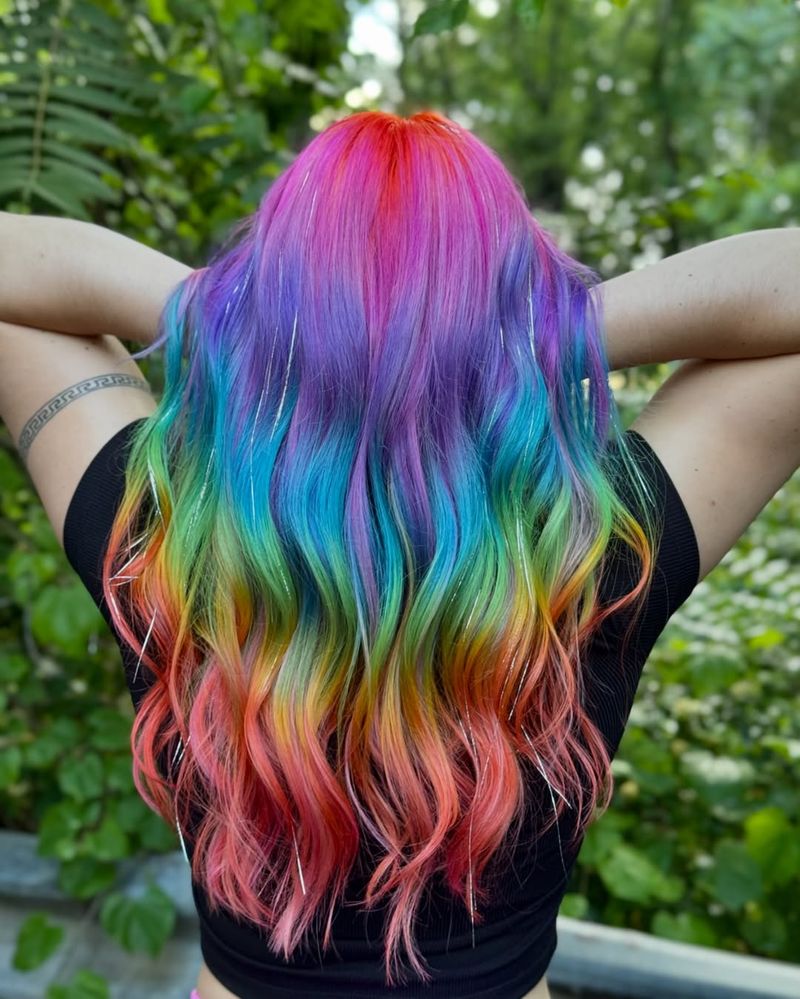
Fall 2026 has brought a decisive shift in how editorial colorists approach colorful hair for rich complexions. Gone are the chalky, washed-out pastels that once dominated seasonal trend forecasts without considering the undertones of brown and Black clients. As highlighted in a recent essence.com Report on seasonal shades, dynamic hair color transformations on deeper skin tones are moving toward deeply saturated pigments that enrich the complexion rather than competing with it.
Achieving salon-grade vibrancy on naturally dark, melanin-dense hair historically required aggressive lightening that often compromised curl patterns and cuticle integrity. Recent advances in acidic color chemistry, bond-protecting lifting pastes, and high-refraction pigments have altered that reality. Clients with type 3 and type 4 hair are claiming space across the entire spectrum of fantasy color, proving that hyper-saturated hues belong on every hair texture.
📌 Key Takeaways:
- Color Direction: Fall 2026 hair trends prioritize high-density pigments, such as rich jewel tones, burnt copper, and deep magenta hair, over pale pastels, creating striking contrast against deeper skin tones.
- Structural Protection: Bleaching dark textured hair safely requires sequential, low-volume developers paired with active bond rebuilders to reach necessary canvas levels without snapping delicate curl coils.
- At-Home Longevity: Preserving vivid hues past the four-week mark depends on color-depositing conditioners, cold water washing, and dedicated sulfate-free shampoo for dyed hair.
The Undertone Equation: Reading Melanin, Warmth, and Cool Accents
Vibrant hair color does not exist in a vacuum; it reads entirely through its relationship to the skin's surface and underlying pigment. For deeper skin tones, undertones typically register as golden warm, cool blue-red, neutral olive, or deep espresso. Choosing a colorful hair color that amplifies radiance rather than washing out the skin requires identifying these underlying tones before opening a mixing bowl.
Warm undertones contain natural peach, gold, and bronze accents. These complexions catch light effortlessly when framed by fiery copper, rust orange, or warm-based burgundy. Cool undertones, marked by rich mahogany or bluish hues, achieve striking balance when juxtaposed with electric violet highlights, icy berry, or cool cobalt. Neutral undertones have the flexibility to span both camps, allowing clients to wear hybrid shades like spiced magenta without visible clashing.
A frequent salon mistake is applying colors that reflect ash or gray onto a deep, warm base. The outcome often yields a chalky cast that drains luminosity from the jawline and forehead. Modern formulations bypass this by incorporating warm-anchored jewel dyes, giving fantasy pigments enough light-reflecting depth to harmonize with the skin's natural melanin.
The Jewel Tone Standard: Copper, Deep Magenta, and Emerald Green
Seasonal forecasts from major beauty hubs this year show client interest swinging away from neon primaries toward opulent, multi-dimensional jewel shades. Three distinct pigments lead this aesthetic wave for late 2026:
Copper and Magenta Blends: Warm terracotta and deep magenta hair offer seamless transitions from natural Level 1 or Level 2 roots. Magenta carries both blue and red micro-pigments, giving it a universal compatibility with diverse skin undertones. When woven with amber or copper balayage, it produces warmth and dimension that mimics glowing ember embers in natural sunlight.
Emerald Green Hair Dye: Once viewed as an intimidating shade, emerald green hair dye has become a statement look for deep complexions. The rich forest-to-pine register creates sharp contrast against dark brown and bronze skin. Because green neutralizes lingering red undertones in freshly lightened hair, emerald holds better color purity on hair lifted to a warm Level 8 than cool blues or pastel silvers ever could.
Electric Violet Highlights: Violet represents one of the most versatile entry points into fantasy shades. Used as dimensional ribbons throughout textured curls or as face-framing "money pieces," electric violet highlights provide high visual impact without demanding full-head saturation. When violet fades, it drifts cleanly into soft lavender-plum rather than transitioning into unappealing yellow or brassy tones.
The Chemistry of the Lift: Bleaching Dark Textured Hair Safely
Applying vibrant fantasy hair colors requires lifting the natural melanin out of the hair shaft to create a light canvas. For naturally dark, textured strands, this process presents precise chemical hurdles. The cuticle layers of coily and curly hair are naturally more fragile and prone to moisture loss at each bend of the strand.
Rushing the process with 40-volume developers strips the internal protein matrix, blowing open the cuticle and permanently loosening the curl pattern. Master colorists now rely on "slow and low" lightening protocols. By utilizing 10-volume or 20-volume developers infused with maleic acid bond-builders, colorists gently lift dark hair across two controlled appointments rather than forcing a rapid, destructive single-day transformation.
The target canvas also depends entirely on the end goal. Pastel pink requires a pale Level 10 canvas (the color of the inside of a banana peel), which often costs textured hair its elasticity. Rich jewel tones, by contrast, only require a warm Level 7 or Level 8 canvas. The natural golden undertones remaining in the hair simply enrich the jewel dyes, allowing clients to achieve vibrant fantasy hair colors while retaining defined, healthy curls.

Palette Performance: Longevity and Lift Matrix for Rich Complexions
Selecting low-maintenance bright shades requires evaluating the required baseline lift against the anticipated salon maintenance cycle. The matrix below outlines how key pigments perform across dark hair textures:
| Shade Profile | Pigment Base | Required Lift Level | Salon Touch-Up Window | Optimal Skin Undertone Match |
|---|---|---|---|---|
| Deep Amber Copper | Oxidative Warm | Level 6, 7 | 7, 9 Weeks | Golden, Warm Olive, Bronze |
| Electric Violet Highlights | Direct Dye Cool | Level 8, 9 | 4, 6 Weeks | Cool Red, Neutral, Deep Espresso |
| Emerald Green | Direct Acidic Jewel | Level 7, 8 | 5, 7 Weeks | Cool Espresso, Dark Mahogany |
| Midnight Magenta | Hybrid Demi/Direct | Level 7, 8 | 6, 8 Weeks | Universal (Warm, Cool, Neutral) |
| Spiced Plum | Permanent Oxidative | Level 6, 7 | 8, 10 Weeks | Cool Red, Neutral Honey |
Gray Coverage Meets High-Vibrancy Formulations
Integrating fantasy shades with natural gray patterns introduces a unique structural dynamic. Coarse gray strands often resist pigment absorption due to a tightly packed cuticle and an absence of natural melanin. Many traditional salon approaches cover grays with flat black or dark brown bases before attempting highlight work, resulting in muddy outcomes.
Contemporary colorists are replacing total gray masking with "gray blending" techniques using direct vibrant dyes. Because gray hair is naturally a light canvas (equivalent to a bleached Level 9 or 10), vibrant direct dyes take to gray strands like watercolor paint on white paper. Applying a saturated magenta, ruby, or amethyst directly over salt-and-pepper hair turns natural silver strands into bright, jewel-toned highlights, while the surrounding dark hair receives a subtle, iridescent cast.
For clients seeking total coverage with no silver translucency, dual-process formulating remains the gold standard. A demi-permanent base matches the natural depth along the roots using low-ammonia alkaline chemistry, while fantasy glosses saturate the lengths. This delivers opaque root coverage without dulling the vivid dimensional color through the mid-lengths and ends.
Preserving Saturation: Wash Rituals and Color-Depositing Conditioners
Direct fantasy pigments sit primarily on the outer cortex rather than forming permanent chemical bonds inside the hair core. Every warm-water wash causes the cuticle scale to expand, allowing water molecules to rinse away valuable pigment. Maintaining vibrancy over weeks requires adjusting home wash rituals.
The foundation of post-color care is a high-grade sulfate-free shampoo for dyed hair. Harsh surfactant bases like sodium lauryl sulfate strip lipid layers and lift color molecules within three washes. Switching to coconut- or amino-acid-based cleansers preserves surface moisture while removing scalp buildup without disturbing the cuticle layer.
Water temperature plays an equally critical role. Rinsing dyed textured hair with tepid or cold water keeps the cuticle flat, locking direct dyes inside the strand. Interspersing normal wash routines with custom color-depositing conditioners replaces micro-pigments lost to oxidation and sun exposure. When applied every third wash for 5 to 10 minutes, these pigmented masks replenish lost pigment load, extending salon visits from monthly re-dyes to quarterly root maintenance appointments.
Frequently Asked Questions (FAQ)
Q1: Do I need to bleach my hair to pale blonde to get a visible fantasy color on dark hair?
A1: No. While pastel shades require a pale Level 10 blonde base, rich jewel tones like copper, emerald green, and deep magenta only require hair to be lifted to a warm Level 7 or 8. The natural underlying orange and gold pigments actually enrich jewel tones, giving them greater depth and staying power.
Q2: Will bleaching permanently alter my natural curl pattern?
A2: Chemical damage only occurs when developers are too strong or left on the hair too long. By using low-volume developers (10 or 20 volume) along with bond-rebuilding additives, skilled colorists can lift dark textured hair gradually without breaking the internal disulphide bonds that give curls their bounce.
Q3: How often do I need to reapply color-depositing conditioners at home?
A3: Most clients see optimal vibrancy by applying a color-depositing conditioner once every 7 to 10 days. Using it too frequently can lead to pigment buildup that darkens the shade, while using it too rarely results in visible fading by week three.
The Evolution of Vivid Color in Modern Salon Culture
The boundaries of who can wear vibrant fantasy shades have permanently expanded. Stylists and clients now approach colorful hair on deep complexions with an intentional understanding of melanin, undertone harmony, and curl preservation. By prioritizing hair health, selecting deep jewel tones, and utilizing modern bond-preserving chemistry, vivid hair color has evolved into a celebrated, low-maintenance signature style that honors both texture and tone.


