The Keith Lee Effect: Real Numbers Behind Small Businesses He Saved on TikTok
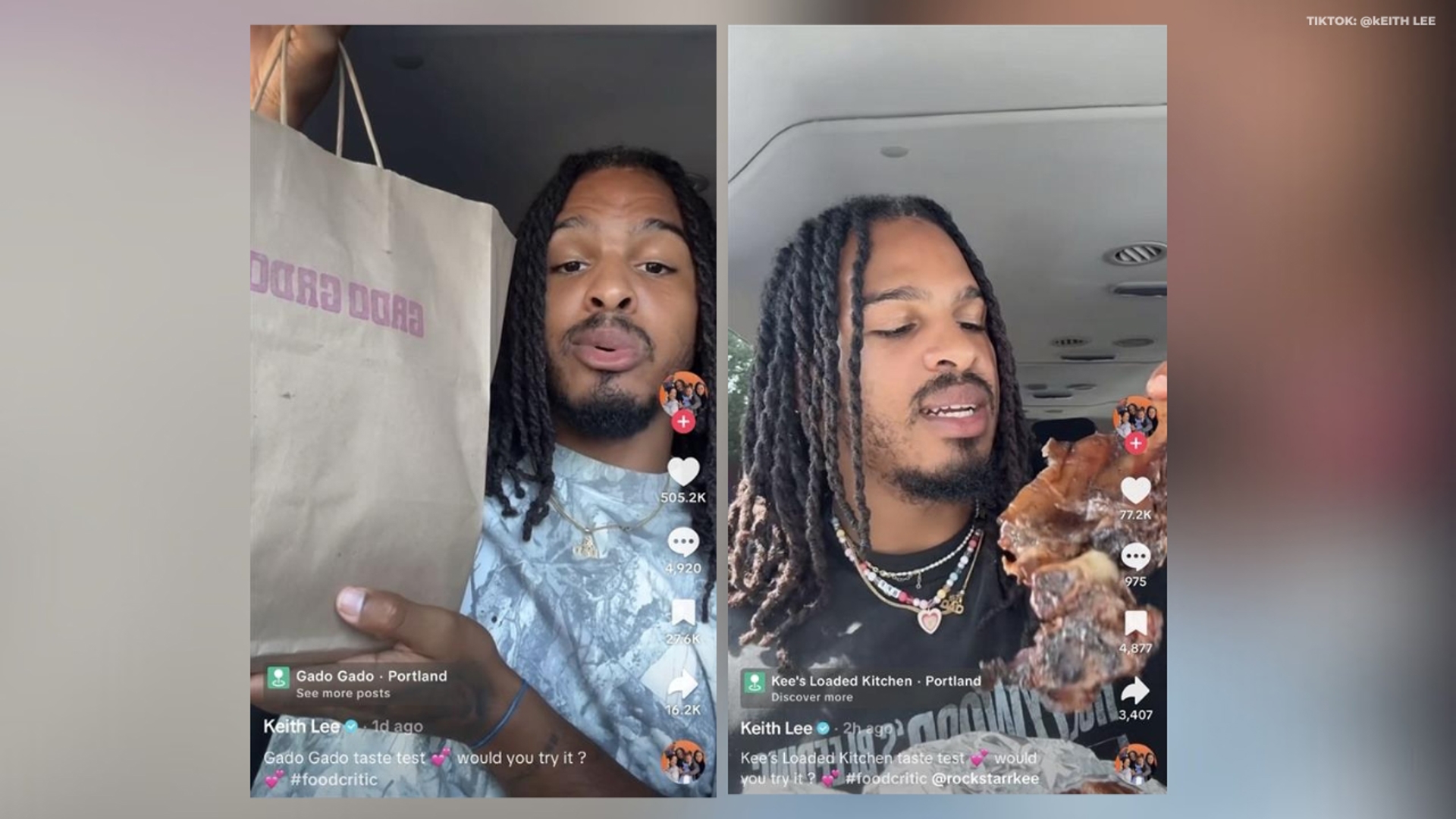
A solitary creator sits inside a parked family sedan, adjusts an inexpensive lapel microphone clipped to his collar, and lifts a takeout container toward the camera lens. Former mixed martial artist Keith Lee built an audience surpassing 17 million followers on TikTok by rejecting the polished, pay-to-play economics that define modern culinary critique. When Lee reviews a struggling mom-and-pop kitchen, the response registers immediately across payment processing terminals and lines wrapping around suburban strip malls. As tracked by a USA Today Report, his operation expanded from spontaneous roadside tastings into organized community activations like "FamiLee Day," formalizing an economic jolt that urban planners and restaurant associations call the "Keith Lee effect."
📌 Executive Brief:
- Documented Revenue Surges: Small culinary establishments frequently see foot traffic rise by 300%, 800% within forty-eight hours of a positive review, clearing months of operational debt.
- Strict Operating Independence: Lee refuses promotional fees, comped meals, and VIP treatment, paying out of pocket and often leaving four-figure cash tips for kitchen staff.
- Operational Bottlenecks: Sudden hyper-viral exposure exposes structural vulnerabilities, forcing independent operators to navigate severe supply shortages and point-of-sale crashes.
- Offline Community Expansion: Recent city-wide initiatives across markets like New Orleans and North Texas demonstrate how digital creator power translates directly into physical commercial revitalization.
From the Octagon to Strip Mall Parking Lots
Professional fighting requires acute spatial awareness and ruthless discipline. Keith Lee spent years competing in Bellator MMA before pandemic cancellations and contract disputes redirected his attention toward digital storytelling. He did not arrive on social media with specialized television production equipment or connections within hospitality public relations. Instead, he relied on an unvarnished routine: ordering takeout anonymously, bringing it to his vehicle, and assessing flavor profiles with quiet, conversational honesty.
Food media historically operated behind closed doors. Michelin guides rely on anonymous inspectors bound by European culinary standards, while regional food magazines depend heavily on advertising dollars paid by hospitality conglomerates. Lee dismantled this gatekeeping by focusing exclusively on culinary value. He deliberately seeks out under-resourced dining spots located in aging strip malls, industrial zones, and residential side streets. By ordering through family members to prevent kitchen staff from recognizing him, he ensures the food placed in his brown paper bag matches what an ordinary patron receives.
Viewers respond to the complete absence of theatrical culinary jargon. A ten-point rating scale accompanied by frank observations regarding seasoning, temperature, and price points creates an immediate bond of credibility. By the close of 2025, his profile exceeded 17 million followers, creating a distribution channel larger than most regional broadcast news networks.
The Direct Financial Surge Behind a Positive Rating
When Lee awards a menu item a score above 8.5 out of 10, the commercial impact functions like a localized economic stimulus. Independent eateries that generated $200 to $500 in gross daily sales routinely find themselves processing $3,000 to $8,000 within twenty-four hours of an upload. Receipts accumulate faster than point-of-sale thermal printers can churn them out.
The turning point for this phenomenon occurred at Frankensons Pizzeria in Las Vegas. Operating under severe financial strain with days away from closing its doors, the owner reached out for an honest opinion. Lee spent approximately $86 on wings, garlic knots, and subs, delivering an effusive review. Within forty-eight hours, phone lines jammed permanently, queues stretched down the block, and the pizzeria went from selling a handful of pies a day to burning through two weeks of raw inventory in an afternoon. Similar patterns emerged during his North Texas restaurant reviews, where smokehouses and dessert shops experienced lines running hundreds deep in scorching heat.
Traditional social media marketing relies on calculated promotion, but Lee's influence operates on trust arbitrage. Consumers have grown weary of sponsored posts where creators offer scripted enthusiasm in exchange for free appetizers or five-figure appearance fees. Because Lee pays full price and leaves substantial cash tips, sometimes totaling $1,000 to $3,000, his audience treats his endorsement as an objective buying signal.
Documented Shifts: Operational Realities Across Key Tours
The scale of disruption generated by Lee's visits can be quantified across specific regional tours, ranging from early viral spikes to structured metropolitan circuits.
| Establishment & Location | Pre-Review Operational Baseline | Post-Review Volume (48, 72 Hours) | Long-Term Business Transformation |
|---|---|---|---|
| Frankensons Pizzeria(Las Vegas, NV) | Under 15 orders daily; pending lease default | Lines exceeding 200 people; sold out in 3 hours | Staff increased from 2 to 14; permanent regional fixture |
| Sweetly Seasoned(Dallas, Fort Worth, TX) | Low-volume food trailer; irregular weekday traffic | Multi-hour vehicle queues; complete sellout of menu items | Secured corporate catering deals and upgraded mobile units |
| Independent Creole Kitchens(New Orleans Tour) | Reliant on neighborhood walk-ins; low tourist footfall | Interstate travelers arriving via rental cars; 500% sales jump | Transitioned from cash-only setups to enterprise POS platforms |
| Average Micro-Kitchen(Consolidated 2024, 2026 Data) | $300, $600 average daily gross receipts | $2,500, $6,500 daily revenue; multi-day supply wipeout | Sustained baseline increase of 40%, 70% after six months |
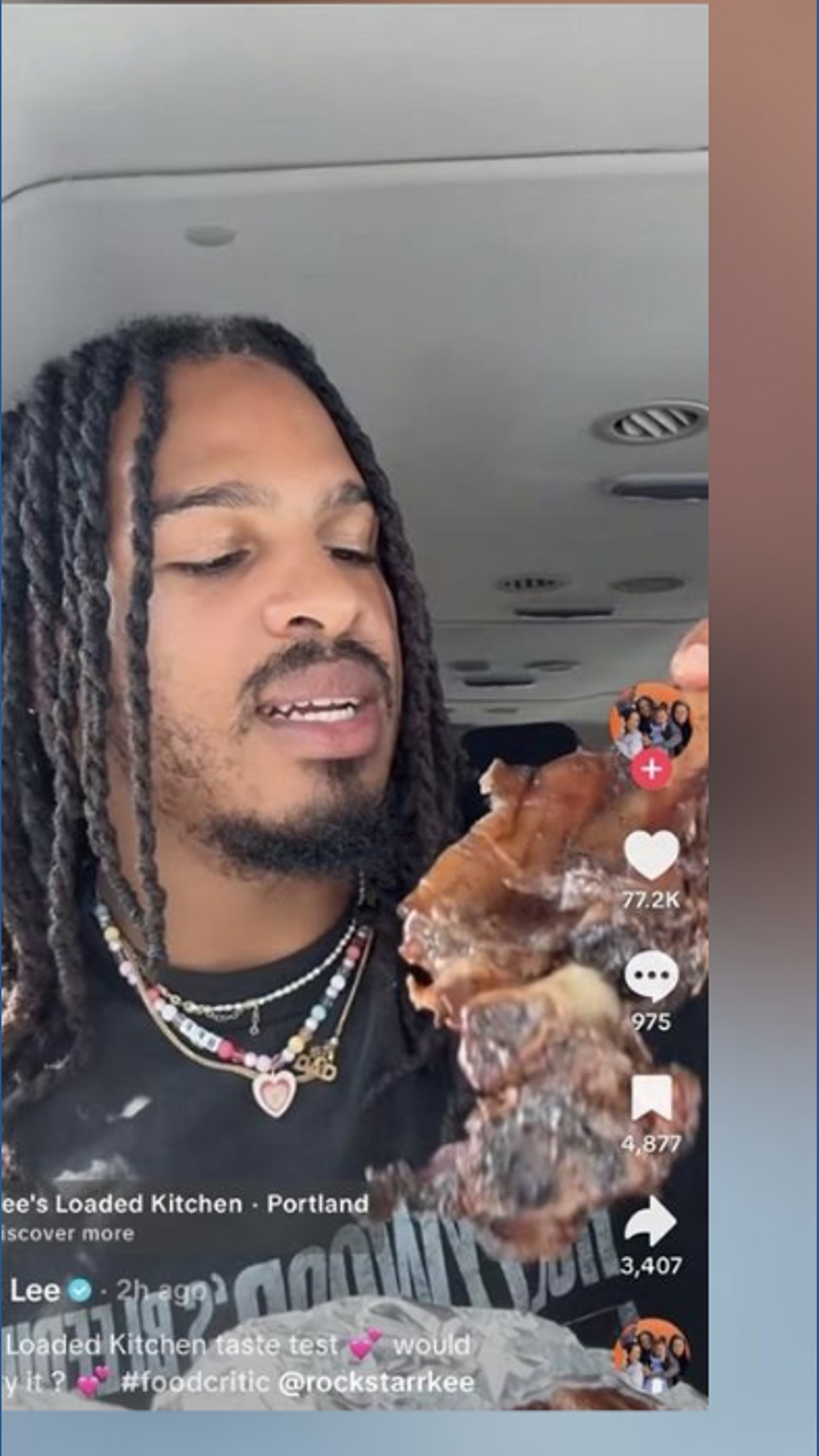
The Operational Whiplash of Sudden Hyper-Virality
Unrestrained viral demand brings operational friction. Independent kitchens designed to prepare seventy meals a day frequently break when forced to deliver eight hundred. Kitchen fryers overheat, dry ingredient storage depletes by noon, and single-line point-of-sale hardware freezes under sustained online traffic.
Staffing shortages represent the most acute hazard. Small family operations rely on two or three workers handling prep, customer service, and line cooking simultaneously. When thousands of digital followers arrive simultaneously, wait times stretch from fifteen minutes to three hours. Frustrated customers, driven by high expectations set by a glowing review, often vent their impatience on third-party review platforms, dragging down aggregate Google and Yelp ratings before the business can stabilize.
Experienced operators survive the surge by implementing emergency controls. During Lee's tours through Atlanta and North Texas, venues that successfully converted the viral moment into permanent solvency took specific operational steps: capping orders per customer, temporarily trimming menus to high-margin, rapid-fire dishes, and turning off third-party delivery tablets to prioritize in-person queues. The surge is an endurance test. Without strict prep limitations, the influx leads directly to kitchen burnout and product quality deterioration.
Translating Online Visibility into FamiLee Day Initiatives
As his platform matured into 2026, Lee began insulating small vendors from the logistical stress of unannounced visits by organizing structured public gatherings. Events like "FamiLee Day" in New Orleans transformed sporadic parking lot reviews into centralized celebrations of urban culinary talent. Rather than descending upon a tiny restaurant kitchen without warning, these activations curate dozens of struggling food vendors in rented public spaces, giving owners predictable foot traffic and city-approved infrastructure.
The New Orleans initiative served as a proving ground. Local food trucks, home bakers, and family caterers received free vendor access, while Lee covered venue fees, private security, and logistics out of pocket. Tens of thousands of attendees converged to taste gumbo, praline treats, and po'boys without overwhelming residential neighborhoods. Commercial districts reported spillover spending at nearby gas stations, corner markets, and parking facilities.
This structural evolution marks a departure from traditional social media marketing. Instead of capturing isolated content for personal algorithmic gain, the creator leverages platform power to stage live urban commerce festivals. Municipal governments that previously viewed food truck crowds as nuisance enforcement problems now collaborate with community organizers to host these events, recognizing the demonstrable tax revenue generated across a single weekend.
Rethinking the Food Influencer Economy
The traditional food influencer economy long operated on transactional arrangements. PR agencies routinely invite lifestyle creators to private tasting events, offering free alcohol, curated lighting, and financial stipends in exchange for polished short-form video reels. This ecosystem produces content that looks pristine on mobile screens but bears little connection to the everyday consumer experience.
Lee's commercial model stands as a counterweight. By rejecting all paid endorsements from restaurants and refusing free food, he operates entirely without hospitality industry obligations. When a dish fails to impress, he states his critique calmly: too salty, lacking acid, or priced disproportionately to portion size. He does not yell or humiliate owners; he simply rates the item and reminds viewers that his palate is subjective.
This dynamic has reshaped local dining habits. Younger consumers routinely cross municipal boundaries to support establishments that earned his endorsement, treating his profile as a verified directory of working-class entrepreneurship. Public relations firms can no longer guarantee foot traffic simply by buying influencer packages. Authenticity, once a hollow buzzword in digital marketing seminars, has become an enforceable economic benchmark driven by consumer insistence on real customer experiences.
Frequently Asked Questions (FAQ)
Q1: Does Keith Lee accept compensation or free food from the restaurants he reviews?
Lee maintains a strict policy against accepting payment, free meals, or promotional incentives from any dining establishment he evaluates. His team purchases all food anonymously using personal funds, orders under ordinary aliases, and pays standard retail prices alongside general patrons.
Q2: How should a small business prepare if featured in a viral Keith Lee review?
Operators should immediately streamline menus down to five or six high-margin items, secure temporary bulk purchasing accounts with regional food wholesalers, and cap orders per transaction. Hiring temporary front-of-house help and temporarily disabling online delivery aggregators helps kitchen lines manage immediate foot traffic.
Q3: What distinguishes a FamiLee Day event from ordinary creator meet-and-greets?
Traditional creator meet-and-greets focus on merchandise sales and paid photo opportunities. FamiLee Day operates as an organized community marketplace where admission is free, local food vendors pay zero booth fees, and the gathering is engineered to drive revenue directly into neighborhood micro-businesses.
Strategic Takeaways for Community-Driven Commerce
The endurance of the Keith Lee phenomenon reveals an appetite for commercial transparency that traditional food media failed to address. Flashy lifestyle aesthetics and paid agency promotions are losing ground to unvarnished, direct-to-consumer critique. When consumers see a reviewer sitting in a parked car, paying out of his own pocket and offering praise without corporate sponsorship, they vote with their wallets.
For independent restaurateurs, the lesson extends beyond hoping for a visit from a famous creator. It underscores the value of genuine product quality over superficial marketing. Restaurants that survive the surge do so because their recipes, kitchen discipline, and community hospitality were exceptional long before the camera started rolling. Social media can summon thousands of eager patrons to an unfamiliar door, but only consistent food and honest service keep those doors open for the long haul.


