The Pit Bull Breeder Trap: How Extreme Weight Claims and False Bloodlines Mislead Buyers
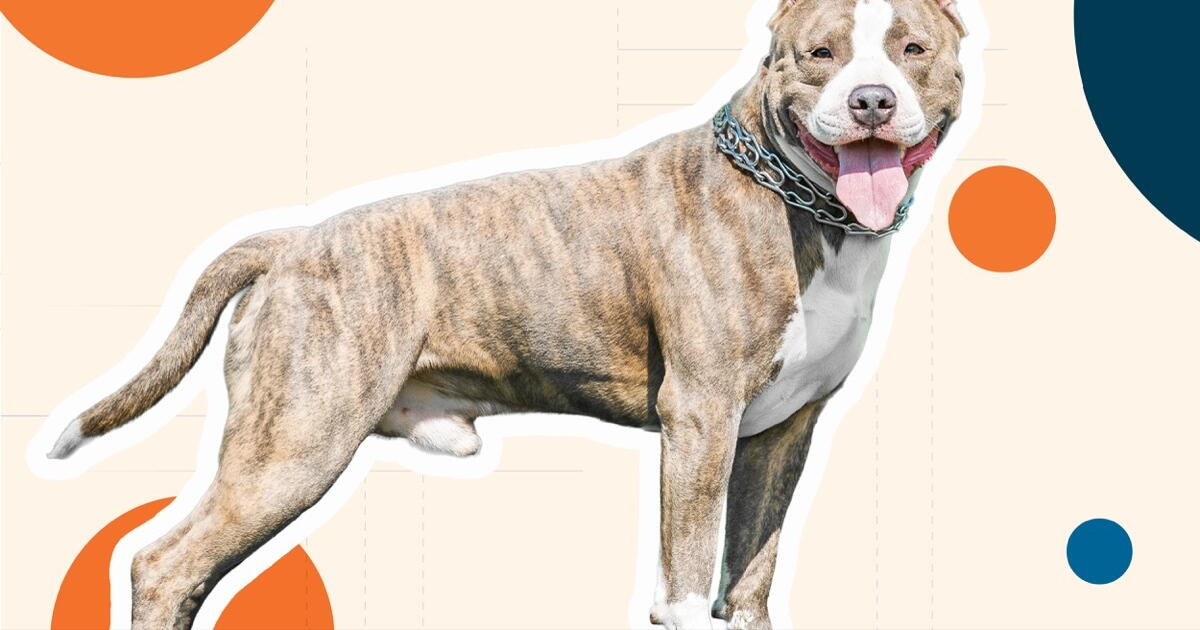
Social media feeds in 2026 are flooded with commercial kennels advertising "110-pound monster pit bulls," hyper-muscular silhouettes, and rare "tri-color exotic" litters priced upwards of $4,000. For unsuspecting buyers seeking a loyal, athletic companion, these glossy marketing campaigns look prestigious. The reality lurking behind the photography is far bleaker: a cottage industry reliant on falsified pedigrees, deliberate outcrossing with heavier mastiff breeds, and routine neglect of baseline health screenings. As highlighted in a comprehensive Los Angeles Times Report, the term "pit bull" functions largely as an informal umbrella breed classification rather than a single purebred entity, giving unscrupulous operators plenty of room to mislead consumers.
The consequences of this unregulated market surface in local veterinary hospitals and public animal shelters every week. Canines marketed under the broad "pit bull" label already battle systemic public prejudice and restrictive municipal ordinances, a reality documented by reporting from outlets like AOL regarding housing limits and neighborhood frictions. When novice dog owners purchase an unverified backyard crossbreed advertised as an authentic working terrier, they frequently end up with a dog whose extreme physical proportions trigger crippling joint diseases and whose unchecked temperament strains domestic stability.
📌 Key Takeaways:
- The Weight Disconnect: Historic American Pit Bull Terriers are agile, medium-sized athletes weighing between 30 and 60 pounds, making any claim of a purebred "100-pound APBT" a biological and historical impossibility.
- Registry Shell Games: Fraudulent operations routinely bypass the American Dog Breeders Association (ADBA) or United Kennel Club (UKC) in favor of unregulated vanity registries that issue authentic-looking papers without inspecting ancestral lineages.
- Hidden Financial Tolls: Buying from breeders who skip genetic health testing and orthopedic evaluations transfers massive financial liability to owners, with corrective surgeries for hip dysplasia and torn ligaments regularly exceeding $5,000 per limb.
The Umbrella Breed Confusion and Market Deception
Confusion in the whelping box starts with naming conventions. Commercial puppy peddlers exploit the generic label "pit bull" to obscure distinct genealogies. Under standard canine taxonomy, several separate breeds fall beneath this colloquial umbrella: the American Pit Bull Terrier (APBT), the American Staffordshire Terrier (AmStaff), the Staffordshire Bull Terrier, and the modern American Bully. Each maintains distinct breed standards, structural baselines, and historical functions.
The authentic American Pit Bull Terrier is an endurance athlete. Developed in the nineteenth and twentieth centuries as a catch dog, farm hand, and performance canine, the APBT requires a lean, functional build. The United Kennel Club (UKC) breed standards explicitly prioritize balance, moderate bone density, and stamina over sheer mass. Females typically weigh between 30 and 50 pounds, while mature males top out around 35 to 60 pounds.
When a self-styled breeder offers an "XXL Pitbull" weighing 90 to 120 pounds, bloodline authenticity has vanished. Producing those proportions requires clandestine crosses with English Mastiffs, Neapolitan Mastiffs, or American Bulldogs. Those heavyweight genes are then backcrossed and packaged to buyers as "pure pit bulls" with inflated price tags. Unsuspecting buyers believe they are acquiring a giant variant of an ancient terrier line, but they are actually purchasing an unstandardized, high-mass hybrid created purely for shock value on video algorithms.
Extreme Weight Marketing Traps and Orthopedic Realities
Breeding dogs for unnatural mass carries immediate physiological penalties. A functional canine skeletal frame cannot abruptly double its structural load over three or four generations without mechanical failure. Dogs subjected to these extreme weight marketing traps routinely suffer from severe hip dysplasia, elbow incongruity, and juvenile arthritis before reaching their second birthdays.
The canine stifle joint suffers the brunt of this mass. The cranial cruciate ligament (CCL), the canine equivalent of the human ACL, is designed to stabilize an agile, moderate-weight knee. Forcing that ligament to stabilize an improperly angulated, 95-pound frame causes chronic degradation. Orthopedic repair via Tibial Plateau Leveling Osteotomy (TPLO) runs between $3,500 and $6,500 per joint. Owners who thought they bought a healthy powerhouse often find themselves rationing pain management medication for a dog that struggles to stand at three years old.
The respiratory and cardiovascular profiles of these oversized crossbred dogs show similar strain. Heavy bone structures inherited from mastiff outcrosses, paired with shortened skulls favored for an intimidating profile, compress airway efficiency. The high-drive, heat-tolerant, relentless engine that defines an authentic APBT is replaced by an animal prone to early heat exhaustion, elongated soft palate syndrome, and heightened vulnerability to dilated cardiomyopathy.
Bloodline Lineage: ADBA Standards Versus Backyard Marketing
Verifying an American Pit Bull Terrier pedigree requires looking beyond laminated certificates printed on home computers. In legitimate purebred preservation, two primary registries maintain the definitive studbooks: the American Dog Breeders Association (ADBA), established in 1909 to protect the specific working APBT, and the UKC, which recognized the breed in 1898.
Backyard breeders bypass these century-old registries. They frequently rely on "paper hanging," a fraudulent practice where pups are registered using the credentials of dead ancestors or entirely unrelated purebred dogs. Alternatively, they invent or utilize pop-up vanity registries. These unregulated clubs operate online, issuing decorative three-generation pedigree certificates for a $25 processing fee with zero DNA parentage verification or physical kennel inspections.
| Breed Metric / Trait | Authentic APBT (ADBA/UKC Standard) | Commercial "XXL / Monster" Variant |
|---|---|---|
| Healthy Adult Weight | 30, 60 lbs (functional, medium athlete) | 80, 125+ lbs (obese or heavily crossbred) |
| Structural Conformation | Tight feet, lean loin, deep chest, moderate bone | Bowed fronts, splayed feet, swayback, barrel ribs |
| Legitimate Registration | ADBA, UKC (with verifiable lineage trace) | Unverified, vanity paper clubs, or none |
| Primary Orthopedic Profile | Low incidence of developmental joint issues | Frequent bilateral CCL tears, severe hip dysplasia |
| Market Price Range | $1,200, $2,500 (ethical preservationist) | $3,500, $10,000+ (designer color/size hype) |
Ethical dog breeding standards require transparency in ADBA registration verification. Legitimate breeders encourage prospective owners to run pedigree database checks through established bloodline archives. They track performance, longevity, and structural health across six or seven generations, rather than relying on buzzwords designed to drive impulse deposits.

Backyard Breeder Warning Signs in Modern Kennels
Spotting an unprincipled breeding program requires looking past staged, high-contrast photos on web storefronts. The classic backyard breeder warning signs center on financial extraction and a total absence of diagnostic medical testing.
First, examine how the breeder presents their selection criteria. If marketing materials highlight cosmetic extremes, such as "exotic merle coats," "blue-nose guarantees," or hyper-wide chest spreads, the program is breeding for aesthetic novelty over functional health. Merle patterning is not native to the purebred APBT genome; its presence confirms an undocumented cross, often with Australian Shepherds or Catahoulas. Breeding merle-to-merle can produce deaf and microphthalmic (blind) puppies. Similarly, breeding exclusively for dilute "blue" coats concentrates the recessive genes responsible for Color Dilution Alopecia (CDA), a condition that causes chronic follicular hair breakage, skin infections, and lifelong pruritus.
Second, demand proof of parental medical testing. A vaccine card signed by a mobile clinic is not genetic health testing. Ethical operators submit their breeding stock to the Orthopedic Foundation for Animals (OFA) or PennHIP to evaluate hips, elbows, and patellas. They verify clear cardiac status through board-certified veterinary cardiologists and screen against degenerative diseases like Cerebellar Ataxia (NCL4-A). If a breeder claims their dogs "have never been sick, so tests are unnecessary," leave the facility immediately.
Finally, observe their temperament evaluation methods. APBTs possess natural athletic drive, terrier tenacity, and varying levels of dog-directed reactivity. Responsible programs select heavily against human-directed aggression and evaluate nerve stability under stress. Breeders who boast that their dogs are "born personal protection weapons" or promote unprovoked aggression are a public hazard.
The Anatomy of a Responsible Breeder Contract
A preservationist who dedicates decades to the breed protects their puppies long after cash changes hands. That dedication is memorialized in a legally binding responsible breeder contract.
A professional agreement contains specific, mandatory provisions:
- The Return-to-Breeder Mandate: The breeder retains the right of first refusal if the owner can no longer house the dog at any point in its life. The dog is contractually barred from being surrendered to a municipal pound, sold to an unlicensed party, or abandoned.
- Health Clearances and Multi-Year Guarantees: Clear documentation detailing puppy health clearances, including initial deworming protocols, microchip registration, and a minimum two-year warranty against congenital, debilitating hereditary defects like severe hip dysplasia or subvalvular aortic stenosis.
- Mandatory Spay/Neuter Provisions: Unless an individual dog is explicitly placed in an approved, co-owned preservation program, pet-quality pups are sold under strict spay/neuter terms to prevent uncontrolled backyard reproduction.
- Buyer Screening Benchmarks: The breeder interviews prospective buyers extensively. They verify secure fencing, evaluate family dynamics, check local breed-specific legislation (BSL), and confirm that the buyer has the experience to manage a high-drive, athletic terrier safely.
Ethical breeders do not sell puppies on impulse via digital peer-to-peer payment apps, nor do they hand over eight-week-old pups in retail parking lots. Prospective owners should expect home checks, references, and a multi-month waiting list before a planned mating takes place.
Frequently Asked Questions (FAQ)
What is the standard, healthy weight of an authentic American Pit Bull Terrier?
According to official UKC and ADBA standards, an authentic APBT is a medium-sized canine. Mature females should weigh between 30 and 50 pounds, while mature males weigh between 35 and 60 pounds. Any animal advertised as an APBT that weighs 80 to 110 pounds is either obese or an undocumented mastiff crossbreed.
Can a purebred American Pit Bull Terrier be registered with the AKC?
No. The American Kennel Club does not recognize the American Pit Bull Terrier as an independent breed. Historically, the AKC accepted a closed foundation of APBTs under the name American Staffordshire Terrier in 1936. Legitimate APBTs are registered primarily through the American Dog Breeders Association (ADBA) or the United Kennel Club (UKC).
Which genetic and orthopedic clearances should a breeder provide upfront?
A responsible breeder must provide OFA or PennHIP clearances verifying clear hips and elbows, an OFA cardiac evaluation conducted by a board-certified specialist, and DNA genetic testing proving the sire and dam are clear of common hereditary conditions, notably Cerebellar Ataxia (NCL4-A).
What should I do if a breeder charges different prices based on puppy coat color?
Walk away. Price discrimination based on trendy colors (such as blue, lilac, or merle) is a hallmark of backyard puppy production. Ethical preservation breeders price litters uniformly based on the investment in health testing, stud fees, pediatric veterinary care, and early puppy enrichment.
Navigating the APBT Landscape in 2026
Prospective owners face a split marketplace. On one side sits a commercial machine driven by social media algorithms, selling exaggerated bone structures, fabricated weights, and vanity registry papers to satisfy an appetite for novelty. On the other stands a small, committed network of preservation breeders and specialized rescues working to safeguard the authentic character, agility, and stability of a classic working terrier.
Finding an authentic dog requires disciplined research. Look past high-gloss production kennels that treat dogs as accessories or physical status symbols. Demand official ADBA registration verification, inspect multi-generational hip and cardiac certifications on public databases, and read every clause of the purchase contract. Choosing an ethical breeder preserves the structural health of an iconic working companion and ensures you bring home a stable, athletic partner built to thrive for years to come.

:strip_icc()/english-bull-terrier-biting-stick-on-bed-562840371-f337b05467b142b49bb5c3abbd891a04.jpg)
