The Resurgence of the Pink Silk Dress: Microtrend Gimmick or Timeless Wardrobe Anchor?
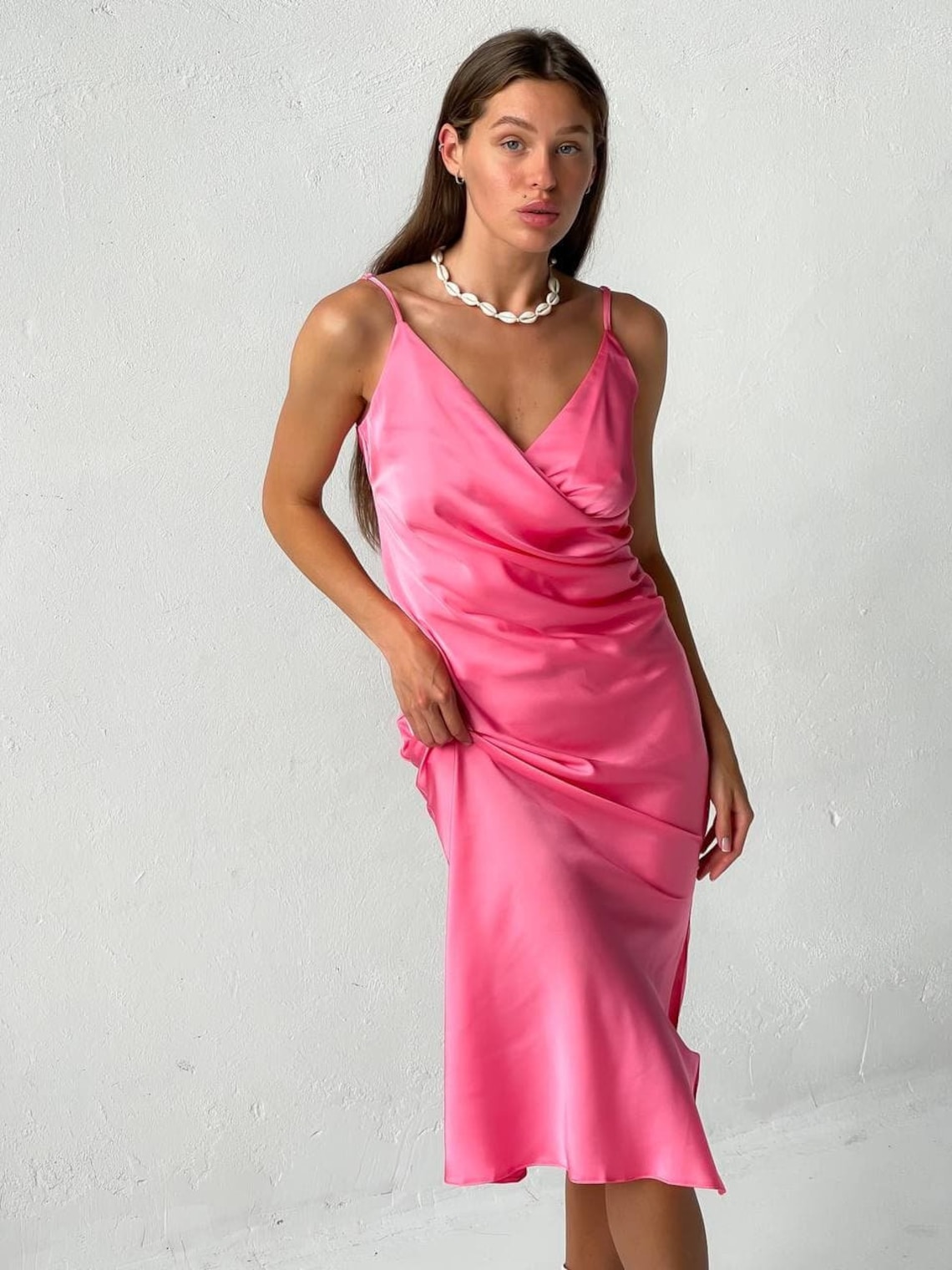
When Prada sent translucent pastel slips down its Milan runway and high-street labels subsequently flooded inventory racks with blush satin, industry skeptics braced for another ephemeral microtrend destined to burn out within six months. Fast fashion algorithms spent late 2024 churning through viral cycles at breakneck speed, yet the pink silk dress refused to disappear. Instead, runway collections heading into 2026 across Paris and New York reinforced its presence, shifting the garment away from TikTok novelty toward serious tailoring and premium fabrications.
The garment's staying power traces back through complex cultural shifts. As documented in a foundational Refinery29 Report on the color's evolution from 18th-century aristocratic masculinity to contemporary reclaiming, pink carries a mutable psychology that designers continually reinvent. Marrying this volatile hue to the structural simplicity of silk creates a garment that walks the line between intimate loungewear and high-impact formalwear. Far from a passing novelty, the garment has established itself as an uncompromising foundation of contemporary personal style.
📌 Key Takeaways:
- Runway Trajectory: Major fashion houses transitioned pink silk from a summer aesthetic gimmick into year-round evening and transitional wardrobes.
- Fabric Standards: True garment longevity requires 19 to 25 momme pure mulberry silk; cheaper polyester satins drive the fast-fashion discard cycle.
- Functional Versatility: Bias-cut engineering allows the piece to function equally well beneath structured tailoring or as a standalone black-tie option.
From 1990s Undergarment to Runway Centerpiece
The slip dress originated as functional lingerie designed to drape invisibly beneath heavier wools and crinolines. That functional reality shattered during the 1990s when minimalist 90s fashion icons, led by Kate Moss in sheer metallic slips and Carolyn Bessette-Kennedy in pristine silk crepe, dragged intimate wear into the evening spotlight. It was an aesthetic rebellion defined by clean lines, negative space, and unembellished confidence.
By cutting silk along the diagonal grain, the bias cut technique pioneered by 1930s couturier Madeleine Vionnet, garment designers unlocked an elasticity inherent to the fabric without relying on synthetic elastane. The fabric clung to contours naturally while expanding with body movement. Today's resurgence borrows heavily from this construction. Rather than relying on sequins, boning, or heavy exterior hardware, the modern iteration emphasizes drape and cut, turning what was once bedroom-adjacent clothing into deliberate, polished evening wear.
Evolving Beyond the Millennial Pink Aesthetic
A major reason critics initially dismissed the pink silk dress was its perceived connection to the ubiquitous millennial pink aesthetic of the 2010s. For nearly a decade, that muted, desaturated rose dominated commercial branding, interior design, and fast fashion retail. It became visual shorthand for algorithmic conformity, prompting predictable fatigue.
Contemporary collections have severed ties with that flat pastel monoculture. The modern palette splits into deliberate extremes. On one end sits warm, muted champagne tones and blush pink satin that functions virtually as a neutral skin-tone adjacent layer. On the opposite end sit saturated magenta, deep raspberry, and vibrant fuchsia cuts rendered in lustrous silk charmeuse fabric. This wide spectral range allows wearers to divorce the shade from sweet, juvenile archetypes, repurposing it as a statement of sharp personal authority.
Fabric Engineering: Momme Weight, Satin Weaves, and Structural Longevity
The survival of any slip dress in a functional wardrobe depends entirely on fiber quality. Mass-market retailers frequently market polyester and acetate blends as "silky satin," exploiting consumer confusion between a weave type (satin) and a raw fiber (silk). Synthetic slips trap body heat, build static charge, and pill after minimal wear, rapidly ending up in textile waste streams.
A genuine mulberry silk slip relies on natural protein fibers derived from the cocoons of *Bombyx mori* silkworms. Within professional textile grading, the critical durability metric is momme (mm), which measures fabric weight in pounds per 100 yards of fabric measuring 45 inches wide. Garments manufactured below 16 momme prove too sheer and fragile for repeated daytime wear, whereas weights between 19 and 25 momme provide the opacity, structural integrity, and tensile resilience necessary for long-term ownership.
| Fabric Type & Weight | Structural Profile | Practical Longevity | Average Market Price (2026) |
|---|---|---|---|
| Polyester Satin Blend (Synthetic) | High artificial sheen, prone to static, zero breathability | Low (3, 8 wears before seam slippage or odor retention) | $35, $90 |
| Habotai Silk (12, 15 Momme) | Semi-sheer, lightweight plain weave, soft matte texture | Moderate (requires undergarment planning; delicate seams) | $140, $220 |
| Mulberry Silk Charmeuse (19, 22 Momme) | Reflective face, dull back, fluid bias drape, fully opaque | High (durable with routine hand-washing, resistant to pulls) | $250, $480 |
| Heavy Silk Crepe de Chine (25+ Momme) | Subtle granular texture, low sheen, maximum drape density | Exceptional (decades of wear; high tensile tear strength) | $490, $850+ |
Slip Dress Styling: Monochromatic Layering and Uniform Dressing
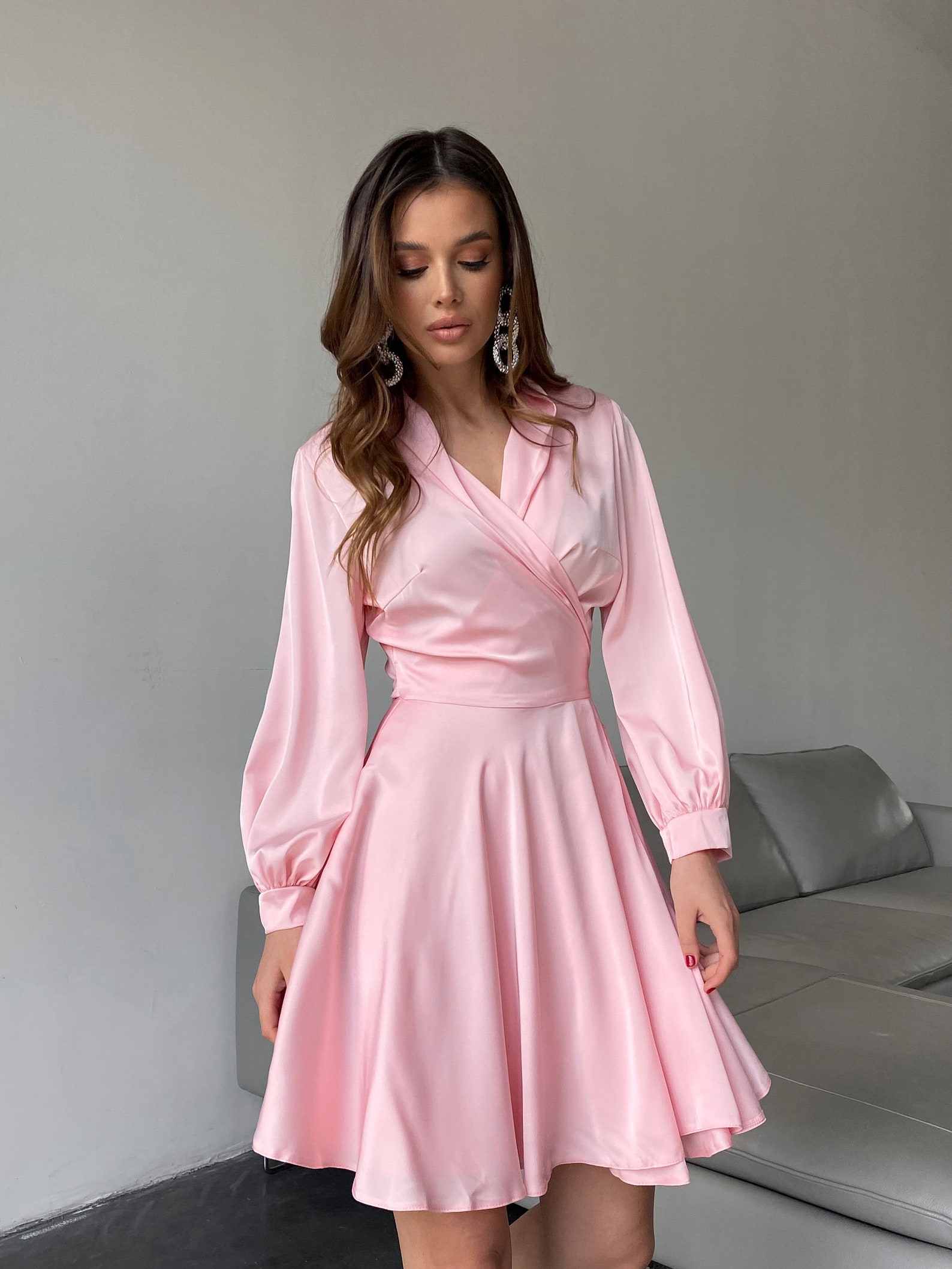
A true capsule wardrobe anchor earns its place through repeated, distinct applications. The pink silk dress avoids event-only isolation by adapting across seasonal categories. It bridges the gap between formal wedding guest dress expectations and grounded daytime utility.
Monochromatic layering represents the most practical runway translation. Pairing a mid-calf bias cut silk gown with an oversized cashmere crewneck in a tonal blush or camel transforms evening luxury into elevated autumn daywear. The contrast between rough, matte knitwear and fluid, light-refracting silk breaks up visual monotony. For executive settings, balancing the fluid nature of the dress with an oversized, double-breasted charcoal wool blazer creates a balanced juxtaposition of soft draping and rigid tailoring.
Footwear dictates contextual formality. Paired with minimalist leather mules or clean architectural sneakers, the dress operates casually across urban daytime environments. Swapping footwear for structured slingbacks or architectural metallic heels immediately elevates it into versatile evening wear suitable for gallery openings, galas, and formal receptions.
The Sustainable Silk Care Protocol
High-end silk garments suffer high rates of premature wear not from physical abrasion, but from improper post-wear cleaning. Consumers frequently believe silk demands continuous, harsh chemical dry cleaning. In reality, conventional perchloroethylene solvents can strip natural sericin protein coatings, stiffening fibers over time.
Sustainable silk care begins with spot management and pH-neutral hand washing. A cold basin wash utilizing specialized delicate enzyme-free detergents preserves luster without weakening fibers. The garment must never be wrung dry; rolling it tightly inside a clean cotton towel removes excess moisture before flat air-drying out of direct sunlight. Wrinkles melt away rapidly under low-temperature indirect steam, entirely avoiding direct hot-iron pressure that can scorch delicate silk charmeuse fabric into a permanent sheen.
Frequently Asked Questions (FAQ)
Q1: Can a pink silk dress work as a formal wedding guest dress without clashing with the bridal party?
A1: Yes, provided the chosen shade leans away from bridal ivory-blush and toward distinctive tones such as dusty rose, terracotta pink, or deep raspberry. Choosing a defined silhouette like a floor-length bias cut silk gown ensures formal appropriateness while avoiding aesthetic conflict with traditional white or pastel wedding aesthetics.
Q2: How do you prevent static cling in dry indoor environments?
A2: Static cling occurs when silk rubs against synthetic undergarments or dry skin. Use a light application of natural body lotion prior to dressing, switch to 100% natural silk slips underneath if layering, or run a metal coat hanger lightly over the underside of the fabric to discharge accumulated electrical charges.
Q3: Is 100% silk worth the premium over modern recycled polyester satins?
A3: Chemically, yes. Natural mulberry silk breathes, adapts to body temperature, and hangs with true gravity along the bias grain. Recycled polyester traps perspiration, creates persistent body odor retention, generates microplastics during laundering, and lacks the structural drape that defines genuine luxury slip garments.
The Enduring Architecture of the Bias Cut
Fashion cycles continue to accelerate, churning through hyper-specific microtrends that leave consumers with disposable wardrobes. The pink silk dress resists this churn because it operates on structural and material excellence rather than topical novelty. By combining the century-old geometric discipline of the bias cut with a nuanced, expanded color palette, the garment proves its utility.
When chosen in high-density mulberry silk and cared for methodically, this piece transcends seasonal categorization. It serves as daytime workwear, quiet casual luxury, and striking formal attire without missing a beat. It remains an enduring testament to what happens when classic cut, noble fiber, and expressive color converge on their own terms.


