The Rise of '6-7': How a Simple Number Meme Exploded Across the Globe
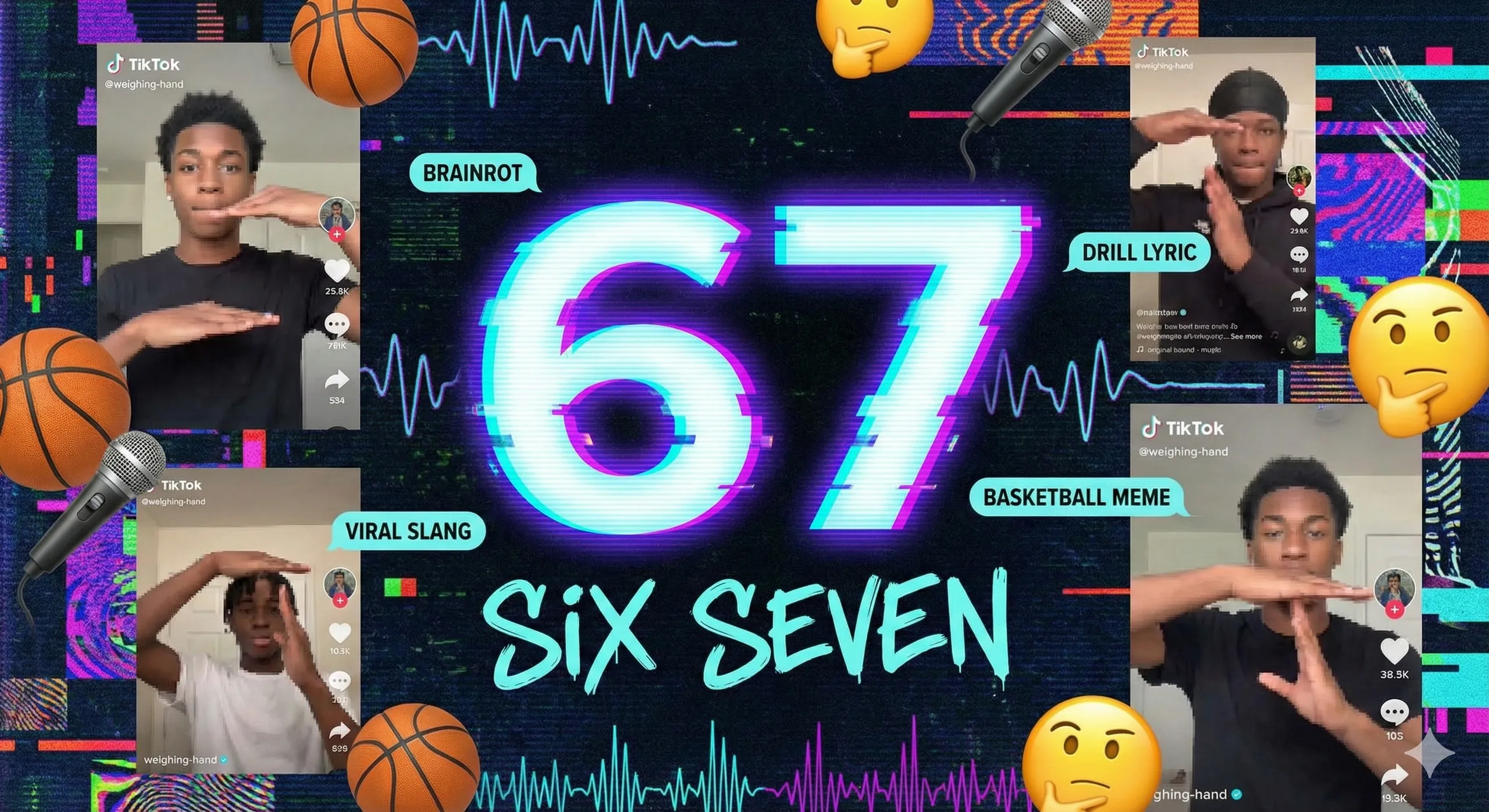
Walk through any middle school hallway or scroll through short-form video feeds, and two digits repeatedly break the silence: "6-7." What began as an ambiguous numeric inside joke among online youth quickly transformed into a worldwide cultural reflex, baffling parents, educators, and internet spectators. As reported by a comprehensive Motherly Report tracking the craze, clinical psychologist Dr. Becky Kennedy highlighted that the widespread repetition of the phrase speaks directly to youth psychology and the primal drive for community among children trying to navigate peer dynamics.
The number combination bypassed standard meme formats. It required no elaborate editing, no dedicated choreography, and no complex backstory. A student shouted "six," a crowded room shouted back "seven," and laughter filled the room. By early 2026, the joke jumped from playground games into administrative assemblies, mainstream news coverage, and the highest chambers of the Vatican.
📌 Quick Summary:
- Core Definition: The "6-7" trend is a call-and-response social media number meme where saying "six" prompts an instinctive, rhythmic reply of "seven" across digital platforms and physical classrooms.
- Underlying Driver: Clinical experts note the craze spread through social inclusion cues, where repeating in-group catchphrases creates instant belonging within Gen Alpha and younger Gen Z peer circles.
- Global Trajectory: Originating in algorithmic gaming and short-form video comments, the viral sensation moved through American public schools before achieving historic visibility when Pope Leo engaged with the catchphrase during a Vatican youth meeting.
Decoding the Numbers: What the Viral 6-7 Trend Actually Means
At surface level, the viral 6-7 trend looks like absurdism. On platforms like TikTok, YouTube Shorts, and Instagram Reels, clips began surfacing where creators whispered "six" into lavalier microphones in quiet libraries, waiting for strangers across the floor to finish the sequence. The catchphrase rapidly evolved into a digital calling card across youth slang and culture, functioning as an auditory handshake.
The investigative desk at The Independent examined the linguistic mechanics behind the phenomenon in January 2026, documenting how numerical banter often fills voids left by exhausted text memes. Unlike traditional internet humor that relies on visual formats, "6-7" relies entirely on cadence. The spoken delivery mimics the rapid-fire syncopation of hip-hop cadence, sports cadence drills, and playground clapping chants. When spoken aloud, "six" creates an open-ended sonic tension; "seven" resolves it instantly.
For children participating in Gen Alpha internet culture, understanding the joke is less about deciphering a secret code and more about confirming membership in an active peer network. If someone says "six" and you fail to shout "seven," you show you are out of the loop. If you respond on beat, you confirm you speak the same cultural dialect.
From Algorithmic Feeds to School Corridors
The spread of the 6-7 craze accelerated when school districts noticed the chant echoing through their cafeterias and athletic events. By late 2025, teachers were reporting classrooms where roll call was routinely disrupted whenever student numbers six and seven were called in sequence.
While many administrators initially responded by issuing detention slips and banning numeric catchphrases, some educators took an opposite approach. In late December 2025, local news station local21news.com reported on a Pennsylvania public school that chose to lean directly into the craze rather than fight it. The administration organized an academic assembly where faculty integrated the "6-7" call-and-response into positive behavior reinforcement, math drills, and spirit competitions. Hallway friction dropped, and engagement rose.
The episode highlighted a shift in how educational institutions handle viral short-form trends. Where previous fads like the "Devious Licks" challenge caused property damage and strict crackdowns, the 6-7 movement remained predominantly verbal, playful, and socially harmless.
The Evolution of the 6-7 Cultural Craze
| Phase / Timeline | Platform or Location | Observed Cultural Impact |
|---|---|---|
| Mid, 2025 | TikTok & Roblox Communities | Gaming stream callouts turn numbers into an auditory signifier among elementary and middle schoolers. |
| December 2025 | Pennsylvania Public Schools | Local educators embrace the trend for spirit assemblies, reversing punitive disciplinary bans. |
| January 2026 | Mainstream Global Media | Investigative outlets explain the linguistic origins and social subtext for bewildered parents. |
| May 18, 2026 | The Vatican, Rome | Pope Leo exchanges the numeric phrase with visiting youth groups, making international headlines. |

Why Kids Do It: Dr. Becky Kennedy on the Psychology of Belonging
To dismiss "6-7" as pure brain rot overlooks the underlying social forces driving pre-teens. Parenting author and clinical psychologist Dr. Becky Kennedy addressed the issue, outlining the emotional engine behind why children obsessively repeat simple catchphrases.
According to Dr. Becky, the behavior stems from the child's developmental urge to achieve peer safety. In early adolescence, security shifts from family approval toward peer-group acceptance. When kids participate in shared verbal codes, they feel insulated against social isolation. The act of reciting an arbitrary number sequence offers a low-stakes ticket into collective belonging.
Parents often panic when their children adopt incomprehensible internet jargon, fearing developmental regression or shortened attention spans. Yet psychological analysis reveals that these inside jokes mirror rituals from earlier generations, such as "Jinx, you owe me a soda" or skipping-rope rhymes. The difference today is algorithmic amplification: a phrase that once took months to travel from school to school now reaches millions of children within hours.
The Vatican Moment: When Pope Leo Answered the Call
The meme hit its highest cultural peak on May 18, 2026. During a public youth gathering in Saint Peter's Square, visiting students caught the attention of Pope Leo. Rather than sticking strictly to conventional ceremonial greetings, the pontiff engaged directly with the energetic crowd.
When an adolescent visitor shouted "six" from behind the stanchions, Pope Leo smiled and answered with "seven," raising his hands to joyful cheers from the pilgrims. Video of the exchange spread across social channels, garnering tens of millions of views within a single afternoon. The incident confirmed how deeply modern digital humor penetrates global institutions.
Religious commentators and digital anthropologists alike observed that the pontiff's brief gesture humanized the papacy for a generation notoriously detached from institutional religion. By meeting young people through their own verbal currency, the Vatican demonstrated cultural awareness that resonated across social media feeds worldwide.
Navigating School Meme Trends: A Practical Guide for Parents
Modern parents face a barrage of shifting youth idioms, ranging from "skibidi" and "fanum tax" to "sigma" and "6-7." Responding constructively requires distinguishing between harmful viral challenges and innocent social play.
Healthy Signs:
The meme remains harmless when your child uses it during informal play, laughs about it with classmates, and can turn it off during dinner conversations or family gatherings. In these instances, the phrase serves as harmless group bonding that requires no parental intervention.
Warning Signs:
Intervention becomes necessary if the verbal habit turns compulsive, leads to classroom discipline for disrupting instruction, or gets weaponized to exclude or bully classmates who do not participate. If a child shows distress over keeping up with every viral trend, parents should open conversations about social validation and peer pressure.
Frequently Asked Questions (FAQ)
Q1: What does the '6-7' meme actually stand for?
A1: It carries no hidden, offensive, or subversive meaning. It is primarily a rhythmic call-and-response chant where one person says "six" and another responds with "seven," functioning as an auditory inside joke and social identifier.
Q2: Is the trend dangerous for children or linked to harmful challenges?
A2: No. Unlike viral challenges that involve physical risks, the 6-7 craze is purely verbal and social. Educational and psychological experts consider it a benign form of playground bonding.
Q3: How should teachers manage the chant in classrooms?
A3: Experienced educators recommend setting clear classroom boundaries rather than issuing strict punishments. Acknowledging the humor while establishing designated times for quiet focus has proven far more effective than outright bans.
The Shifting Dynamics of Youth Culture
The trajectory of "6-7" reflects how digital connectivity shapes adolescent communication. Internet culture no longer stays behind a screen; it flows into physical spaces, school hallways, and international stages within weeks. The speed at which two single-digit numbers moved from phone screens to classrooms and historical institutions shows how viral humor creates real-world connection. While the joke will inevitably fade as new phrases take its place, the human instinct driving it, the desire to speak a common language and belong to a group, remains constant.