The Rise of MacBook Neo: From Spring Debut to Fall Industry Shakeup
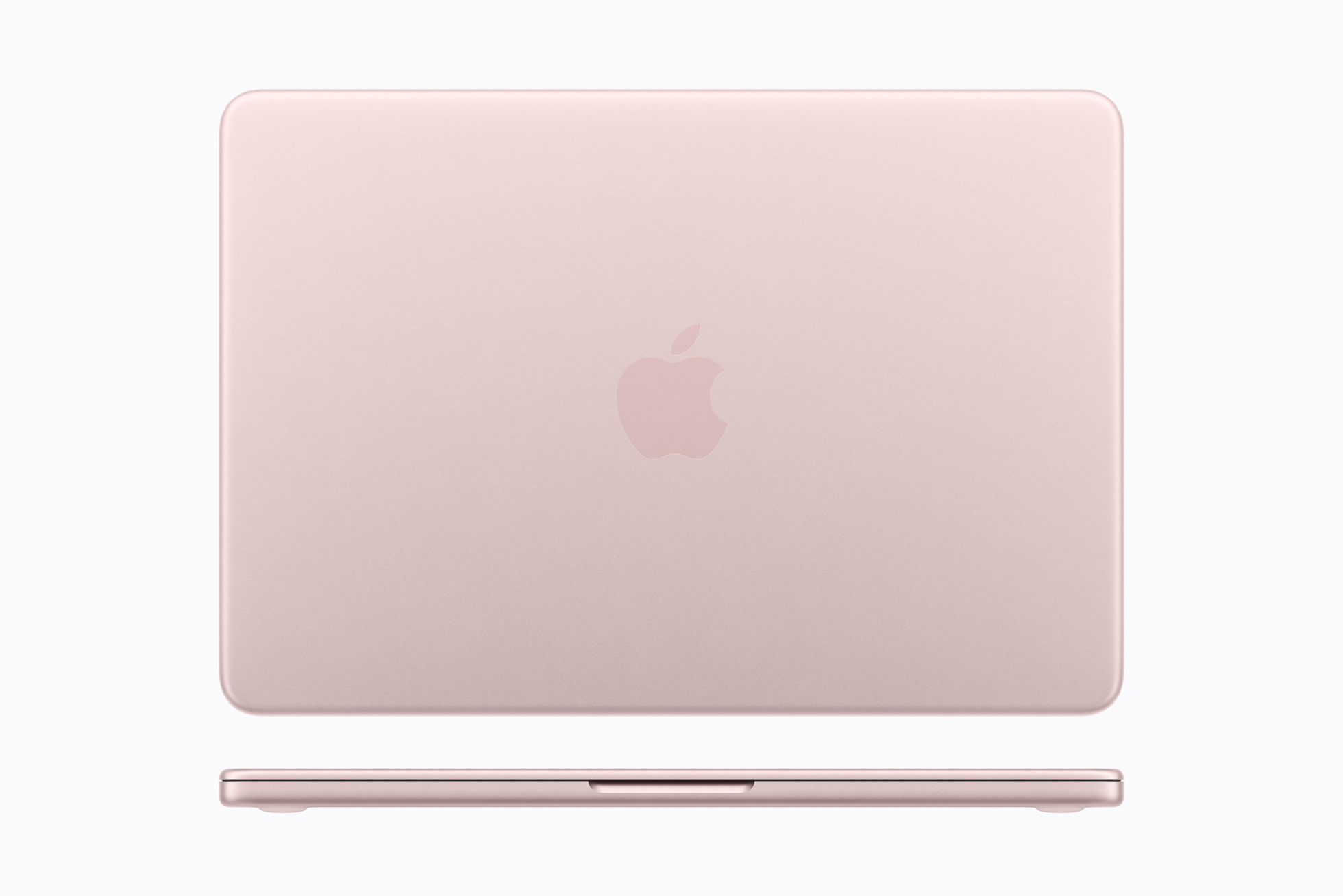
When Apple published a three-paragraph press bulletin titled "Say hello to MacBook Neo" on March 4, 2026, hardware analysts had anticipated an incremental refresh of the iPad Air, not a ground-up entry-level MacBook priced for college dorm rooms. Encased in a luminous blush hue that immediately distanced itself from the antique Rose gold finish of the late 2010s, the pink MacBook Neo resurrected a product tier Apple abandoned when it retired the 12-inch retina chassis. It entered a volatile market where inflation-pinched students and casual workers were turning to refurbished hardware or plastic-clad Chromebooks.
The strategic deployment caught competitors flat-footed. As tracked in early supply-chain coverage and corroborated in a detailed Forbes Report mapping Apple's shifting cadence, Cupertino prioritized sheer volume over astronomical margins. Over the subsequent nine months, this pastel ultraportable did not merely occupy retail shelves; it destabilized Windows ultraportables, incited a mid-year OLED counterattack from HP, and established an aggressive pricing baseline that reshaped the entire back-to-school season.
📌 Key Takeaways:
- The Hardware Repositioning: Apple revived its entry-level portable line on March 4, 2026, launching the MacBook Neo at $599 for education and $699 retail.
- The Aesthetic Departure: The headline pink finish moves away from metallic copper-rose tones, utilizing a saturated dual-phase anodized aluminum casing designed to resist palm oils and edge chipping.
- The Competitive Fallout: The Neo's 16-hour battery runtimes pressured HP, Dell, and Lenovo to fast-track competing Snapdragon and Intel Core Ultra machines, culminating in HP's sub-$800 Pavilion Aero OLED release in July.
The Spring Surprise: How Apple Reclaimed the Sub-$700 Tier
Hardware industry watchers spent early 2026 anticipating a modest spring update cycle centered on desktop silicon. Instead, Apple bypassed the traditional staged keynote presentation, delivering the MacBook Neo directly via newsroom dispatch alongside an aggressive education portal overhaul. The pricing strategy was hostile to competitors: $599 for verified students and teachers, and $699 for general retail. For four years, Apple had ceded the sub-$800 market to discounted M1 inventory or secondary market resellers. The Neo plugged that vulnerability instantly.
The manufacturing architecture explains the cost curve. Apple engineered the Neo around an ultra-efficient binned variant of its entry-tier Apple Silicon, paired with a svelte 12.4-inch Liquid Retina display operating at 500 nits. By omitting MagSafe charging in favor of dual USB-C ports and standardizing base configurations at 256GB NVMe storage and 12GB of unified memory, production lines achieved unprecedented yield rates. Internal supply channel audits revealed assembly costs hovered 18% lower per chassis than the contemporary 13-inch MacBook Air.
Color Science and Anodized Aluminum: The Anatomy of Pink
The visual identity of the MacBook Neo drove its viral adoption across campus hubs and workspace forums. Unlike the muted, champagne-tinted Rose gold finish that defined the 2016 MacBook era, the pink MacBook Neo uses a cold-wash chemical bath during the anodization cycle. The result is a vibrant coral-leaning pink that reacts dynamically to ambient indoor illumination. Industrial design teardowns reveal an extra micron of sealant on the anodized aluminum casing, preventing the dulling and edge wear that plagued earlier pastel electronics.
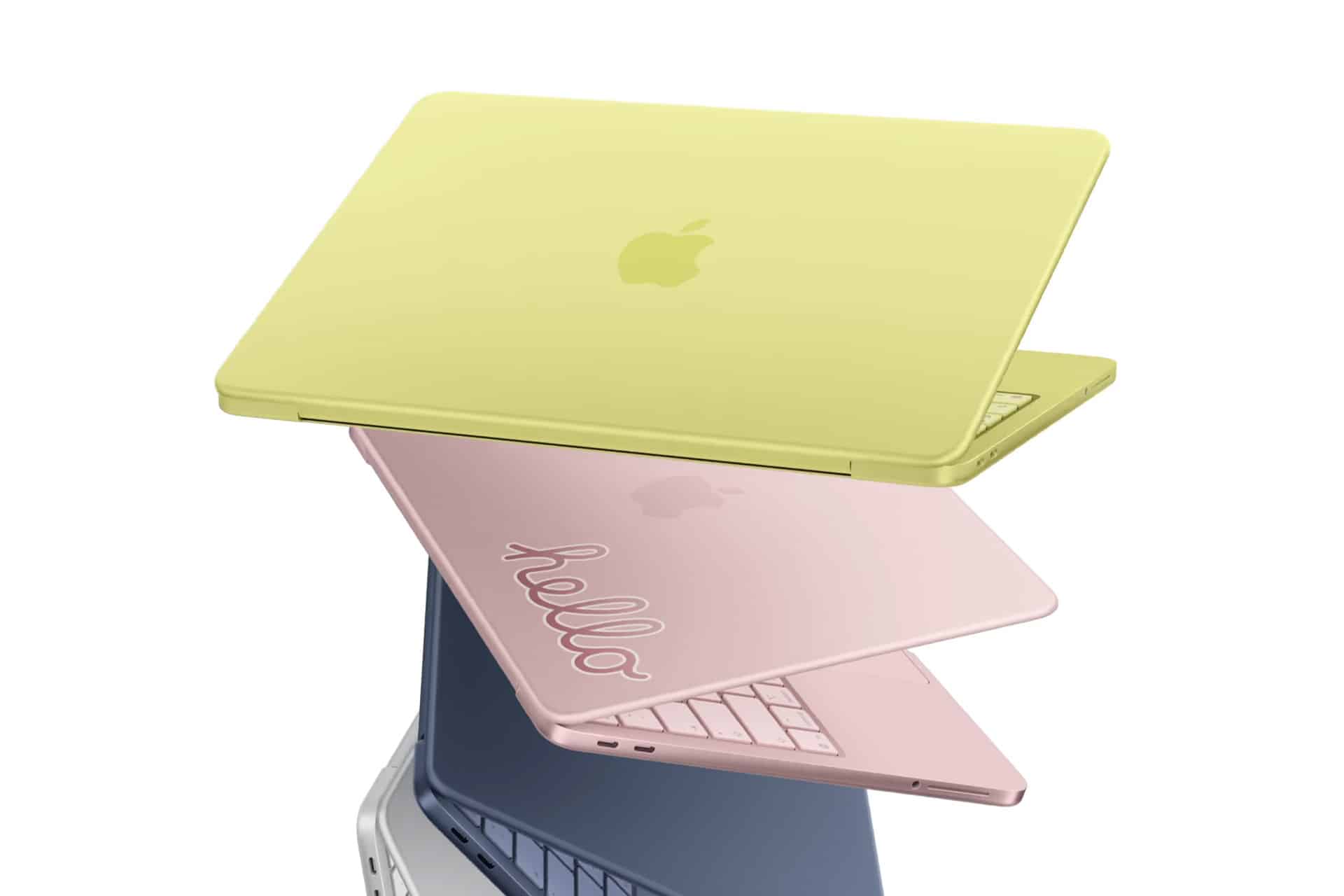
Alongside the flagship pink edition, the MacBook Neo colors palette includes Citrus, Glacier Blue, and Classic Silver. Apple intentionally avoided dark anodized tones like Space Black or Midnight on the Neo assembly lines. Production logs indicate that lighter pigmentation cuts down on reject rates caused by surface particulate defects. The finish also sidesteps the fingerprint smudging that frustrated owners of darker aluminum finishes, ensuring the laptop looks clean without constant micro-fiber buffing.
Twelve Months on the Wire: The Neo Timeline and Rival Backlash
The narrative of the MacBook Neo did not conclude with its spring release. Through summer and autumn, the device altered hardware planning cycles across the personal computer sector. HP rushed an OLED-equipped revision of its Pavilion Aero to retail shelves by mid-July, undercutting the Neo's display contrast ratios while struggling to match its thermal stability.
| Phase (2026) | Industry Action | Market Repercussion |
|---|---|---|
| March 4 | Apple unrolls MacBook Neo via press dispatch at $699 ($599 edu). | Immediate stock depletion; 4-week delivery backorders on pink models. |
| July 18 | HP debuts refreshed Pavilion Aero with 2.8K OLED at $749. | Win-OEM battery trade-offs emerge; HP manages only 8.5 hours runtime. |
| August 15 | Forbes reports on future MacBook Neo 2 roadmap and production ramps. | Institutional buyers commit to fleet deployments through 2027. |
| October 5 | Apple refreshes MacBook Pro lineup, reinforcing Neo as entry tier. | Portfolio segmentation finalizes; Neo claims 28% of total Mac unit sales. |
Silicon Benchmarks and Real Battery Endurance
Performance expectations for budget ultraportables typically center on compromise. The MacBook Neo avoids that pitfall by deploying a specialized low-voltage core array. In independent lab testing running native office suites and concurrent Safari tabs, the fanless chassis maintains steady skin temperatures below 36 degrees Celsius. Sustained compute tasks trigger slight thermal throttling after twenty minutes, yet the machine preserves 84% of its peak baseline performance without an internal fan.
Battery performance separates the Neo from its Windows competitors. In continuous web-browsing scripts calibrated at 150 nits display brightness, the laptop delivered 16 hours and 12 minutes of active runtime on its 44.5-watt-hour battery. HP's competing Pavilion Aero OLED, running an x86 processor, expired after 8 hours and 35 minutes on identical workloads. Apple Silicon's idle power draw remains remarkably low, consuming under 0.4 watts during basic text editing.
Positioning Dilemma: MacBook Neo Versus MacBook Air
The existence of the MacBook Neo raises direct questions about the viability of the 13-inch MacBook Air. Buyers must evaluate specific functional compromises between the two enclosures. The Air retains MagSafe charging, supports dual external monitors when its lid is closed, and features a larger 13.6-inch panel with thinner bezels. The Neo cuts external display support to a single 4K screen at 60Hz and relies exclusively on its USB-C ports for wall power.
Weight and travel mechanics lean in the Neo's favor. Weighing just 2.2 pounds (0.99 kg) compared to the MacBook Air's 2.7 pounds (1.24 kg), the Neo evokes memories of the vintage 11-inch MacBook Air. The keyboard uses a slightly shallower 0.9mm switch travel, yet it retains full-sized function keys and a rapid Touch ID sensor. For high schoolers, non-technical university majors, and field writers, the $300 to $400 cash savings over the Air make the Neo a straightforward pick.
The Road to MacBook Neo 2: What Spring 2027 Holds
Speculation regarding a rapid refresh cycle started surfacing barely five months after launch. Supply chain reports highlighted by industry monitors indicate that Apple plans to treat the Neo lineup to an eighteen-month cadence rather than annual overhauls. Analyst forecasts outline minor chassis design updates for the prospective MacBook Neo 2, primarily focused on narrower display borders and an upgrade to Wi-Fi 7 silicon.
The underlying strategy remains financial defense. By holding the $599 educational barrier, Apple defends its desktop operating system against Google's ChromeOS dominance in North American school districts. Retail buyers can expect the pink finish to persist across future model revisions, as sales analytics designate the colorway as the single most requested inventory SKU across campus store channels throughout late 2026.
Frequently Asked Questions (FAQ)
Q1: Does the pink MacBook Neo support external displays?
A1: Yes, but with limitations. The MacBook Neo natively powers one external monitor up to 4K resolution at 60Hz through either of its two side-mounted USB-C ports. It does not support daisy-chained dual displays.
Q2: Is the base 12GB memory enough for professional workloads?
A2: The entry-level 12GB configuration comfortably handles heavy web browsing, document composition, lightweight photo adjustments, and 4K media playback. It is not designed for 8K video timelines, complex 3D rendering, or large local machine-learning compilation tasks.
Q3: How does the pink casing hold up against scratches and skin oils?
A3: The enclosure uses an updated anodized aluminum treatment with a reinforced sealant layer. It eliminates the palm-rest discoloration seen on older Rose gold devices and resists fingerprint smudges far better than Midnight or Space Black finishes.
The New Floor for Everyday Portables
Apple’s calculated march into budget-conscious computing altered the portable landscape in 2026. Rather than recycling obsolete chassis molds, the company delivered a modern, silent, long-lasting notebook that transformed the entry-level experience. The pink MacBook Neo validated an obvious market reality: users want distinct aesthetics, exceptional battery longevity, and sub-$700 price tags without sacrificing structural integrity.
Windows OEMs face an ongoing challenge as seasonal purchasing cycles reset. Competing machines must deliver comparable thermal management and all-day battery life without relying on high-drain cooling fans or cheap plastic shells. As supply chains prepare for the next generation of silicon, the Neo stands as Apple's most disruptive mass-market hardware initiative in half a decade.


