The Ultimate Boiled Egg Masterclass: Perfect Peels, Meal Prep, and Pickled Flavors
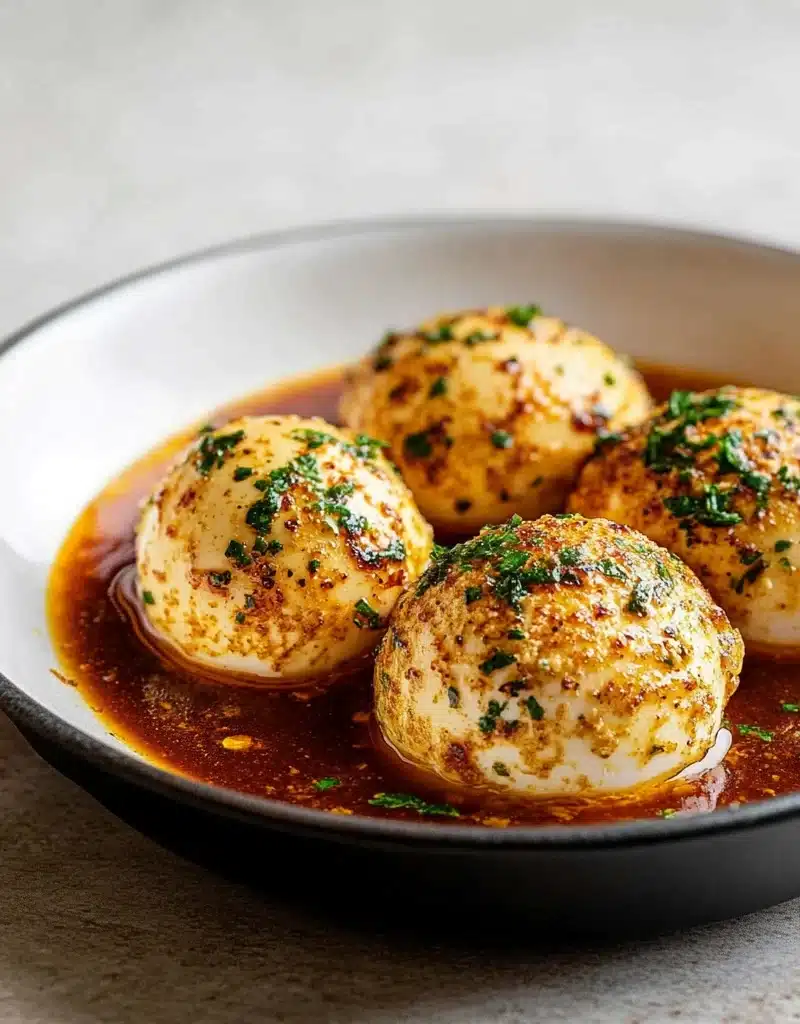
Cooking an egg seems deceptively simple until the shell tears away half the white, leaving a cratered, unsightly mess. Home cooks have spent decades chasing folklore, dumping vinegar, baking soda, or salt into pots in hopes of an easy peel. Real consistency comes down to basic protein chemistry, thermodynamic transfer, and precise timing. As food writers documented in their recent Simply Recipes Report on home preservation, mastering the baseline boil unlocks far more than breakfast; it opens the door to vibrant weeknight marinades, shelf-stable pickling, and restaurant-quality textures.
📌 Key Takeaways:
- Thermal Shock Governs Peeling: Dropping cold eggs directly into boiling water or steam ensures clean egg shell membrane release, whereas starting in cold water fuses albumen proteins directly to the inner shell.
- Exact Timing Controls Texture: Six minutes produces molten centers, seven minutes creates jammy egg yolks, and nine minutes delivers a creamy hard-boiled yolk free from discoloration.
- Value Beyond the Shell: Cooled batches transition smoothly into weekly meal prep, deeply seasoned soy baths, and vinegar-cured pickled snacks.
Thermal Shock and the Mechanics of Shell Release
The perpetual debate between a boiling water vs cold start boils down to how heat affects egg whites. Albumen consists of roughly 10% protein and 90% water. When eggs heat up slowly from cold tap water, the albumen proteins warm gradually, unfurling and cross-linking directly with the inner shell membrane. The egg essentially glues itself to its container. By the time the water hits 212°F (100°C), the white and the membrane are permanently welded together.
Plunging cold eggs straight into rapid steam or boiling water triggers instant thermal shock. The outer layer of albumen coagulates immediately, contracting away from the shell before it can form bonds with the membrane. This sudden contraction creates the structural separation required for clean egg shell membrane release. Freshness also plays a minor role: farm-fresh eggs possess a lower albumen pH of roughly 7.6, which binds tighter to the membrane than older eggs whose pH naturally rises toward 9.2 through carbon dioxide loss. However, intense thermal shock overrides almost all age-related sticking, rendering supermarket freshness debates mostly irrelevant.
Immediately following heat exposure, dropping the eggs into an easy peel ice bath halts carryover cooking. Cold water causes the internal steam to condense, creating negative pressure inside the egg that draws moisture between the white and the inner membrane. Tapping the base first to rupture the air cell allows water to slide underneath, loosening the shell in wide, unbroken sheets.
Precision Timing for Every Yolk Consistency
Precision cooking demands a timer rather than intuition. A single minute marks the difference between a liquid center and a rubbery sphere. Using large grade-A eggs straight from a 38°F refrigerator into boiling water, specific cooking durations yield distinct internal states:
A soft boiled egg cook time of 6 minutes to 6 minutes and 15 seconds solidifies the outer whites while leaving the yolk entirely molten. This profile suits rich noodle broths where the yolk functions as an enriching sauce. At 6 minutes and 45 seconds to 7 minutes, the proteins thicken into translucent, jammy egg yolks with a spreadable, fudge-like consistency prized for toast and salads.
Cooking for 8 to 9 minutes yields a tender, fully opaque yolk that retains a moist center. Reaching 10 to 11 minutes creates a thoroughly firm structure built for sandwich salads and slicing. Crossing the 12-minute threshold introduces serious structural degradation. Overcooking triggers sulfur ring prevention failures, where iron in the yolk reacts with hydrogen sulfide liberated from overcooked albumen. That chemical reaction forms ferrous sulfide, producing the unappealing grayish-green ring and distinct sulfur odor common in poorly prepared institutional eggs.
Boil, Steam, or Low-Temperature Poach: Method Comparison
While standard boiling remains the default technique, alternative heat transfer methods offer distinct advantages in speed and delicate texture control. The steaming eggs method requires only an inch of water in the pot, reaching operating temperature in under three minutes while offering gentler thermal convection that reduces the risk of cracked shells.
Conversely, the Japanese onsen tamago soft cooked egg technique turns traditional boiling upside down. Egg whites contain ovalbumin, which sets firmly around 180°F (82°C), while yolk proteins begin solidifying at 149°F (65°C). By holding whole eggs in a water bath regulated strictly between 145°F and 150°F (63°C, 65°C) for roughly 30 to 45 minutes, the yolk coagulates into a soft, custard-like ball while the white remains silken, loose, and milky, the inverse of a rapid boil.
| Method | Heat Parameter | Internal Texture | Best Culinary Use |
|---|---|---|---|
| Direct Rapid Boil | 212°F (100°C) for 6, 10 min | Firm white; variable yolk | Everyday boiling, deviled eggs |
| Covered Steam | Steam vapor for 6.5, 11 min | Tender white; clean peeling | Batch cooking, delicate shells |
| Onsen Tamago | 145°F, 150°F for 30, 45 min | Custard yolk; runny white | Rice bowls, dashi broths |

Managing Storage and Batch Meal Prep
Efficient hard boiled egg meal prep requires disciplined storage habits. Cooked eggs deteriorate faster than raw ones because the boiling process strips away the protective natural bloom coating on the shell, leaving the porous calcium matrix vulnerable to moisture loss and microbial entry.
Unpeeled hard-boiled eggs safely store in the refrigerator at 40°F (4°C) or below for up to 7 days. Storing them inside their original carton shields them from absorbing odors emitted by nearby aromatic vegetables. Once peeled, their shelf life drops to 3 to 4 days. To prevent peeled eggs from drying out and developing a leathery exterior, store them inside a sealed glass container lined with a clean, slightly damp paper towel, changing the towel every 24 hours.
Do not freeze cooked eggs. While raw beaten eggs freeze well, frozen cooked whites undergo severe syneresis: water separates from the protein matrix, turning the white watery, spongy, and inedible upon thawing.
Transforming Extras: Soy Marinades and Cured Pickled Brines
Surplus eggs provide the canvas for simple preservation techniques that boost flavor and longevity. A staple in Japanese and Korean kitchens, the soy sauce eggs marinade (known as ajitsuke tamago or mayak gyeran) relies on osmotically infusing peeled, soft-boiled eggs with savory notes. Submerging 6.5-minute jammy eggs in an equal blend of soy sauce, water, mirin, and aromatics like garlic and scallions cures the outer white within 4 to 12 hours, yielding a dense, glossy yolk that cuts like gelée.
For prolonged shelf life, an acidic pickled eggs brine drops the product's internal pH well below the food safety threshold of 4.6. A classic brine combines equal volumes of white or cider vinegar and water, heated with 2% kosher salt, whole peppercorns, and dill. Drawing on visual techniques highlighted by food editors across digital publications, adding roasted beet juice creates striking magenta outer rings that bleed inward toward the bright yellow center over several days in the jar.
Acid-cured eggs remain safe and crisp under refrigeration for up to 3 to 4 weeks. They offer a sharp, savory acidity that balances fatty snacks, making them ideal cocktail hour accompaniments or protein additions to bitter green salads.
Elevating Deviled Egg Fillings
A classic presentation of the hard-boiled egg relies on balanced emulsion. Preparing a superior deviled eggs filling starts with pushing cooked yolks through a fine-mesh sieve rather than mashing them with a fork. Mechanical sieving breaks down dense protein clumps, forming an ultra-fine powder that emulsifies evenly when whipped with fats.
Standard recipes call for heavy mayonnaise and Dijon mustard, but culinary icons often alter the fat profile to shift texture and acidity. Martha Stewart popularized incorporating a spoonful of sour cream or softened butter into the yolk mixture, introducing dairy lactic acid and velvety fat that prevents the piped filling from weeping over time. A splash of vinegar from the pickle jar adds brightness, balancing the richness of the yolk and mayonnaise.
Pipe the filling using a star tip only an hour or two before serving. Exposed yolk fillings oxidize rapidly in open air, developing an unattractive dry skin if left uncovered in the refrigerator overnight.
Frequently Asked Questions (FAQ)
Q1: Why do farm-fresh eggs peel worse than older supermarket eggs?
A1: Fresh eggs have a naturally lower albumen pH of roughly 7.6. This acidic environment causes the albumen proteins to adhere firmly to the inner shell membrane during cooking. As eggs age over several weeks, carbon dioxide escapes through shell pores, raising the pH to around 9.2, which naturally loosens the membrane's grip.
Q2: Does adding baking soda or vinegar to the cooking water make peeling easier?
A2: Baking soda raises water alkalinity to mimic an older egg, but it weakens the albumen structure, often producing rubbery whites and a distinct chemical aftertaste. Vinegar weakens the outer shell by dissolving calcium carbonate, but it does little to break the inner protein bond. Thermal shock via boiling water or steam remains far more effective than chemical water additives.
Q3: How do you prevent eggs from cracking when dropped into boiling water?
A3: Rapid temperature shifts can cause air within the pocket to expand faster than the shell can vent. Lower eggs gently into the water using a slotted spoon or spider strainer rather than dropping them from the rim. For thin-shelled eggs, piercing the wide bottom end with a clean pushpin releases internal pressure without breaking the inner membrane.
Strategic Techniques for Everyday Consistency
Reliable kitchen technique replaces guesswork with measurable controls. Mastering the boiled egg requires little more than understanding how temperature changes protein structures. Dropping cold eggs directly into steam or boiling water guarantees easy peeling by shocking the albumen away from the shell membrane. Setting a timer down to the exact minute delivers your preferred texture, whether that is a rich six-minute jammy yolk or a solid ten-minute meal prep base. Armed with reliable thermal shock, rapid ice chilling, and vibrant cures, you can consistently turn an everyday refrigerator staple into a versatile culinary foundation.


