The Ultimate Bootleg Bust: How to Verify Legit Anime Figure Stores Online in 2026
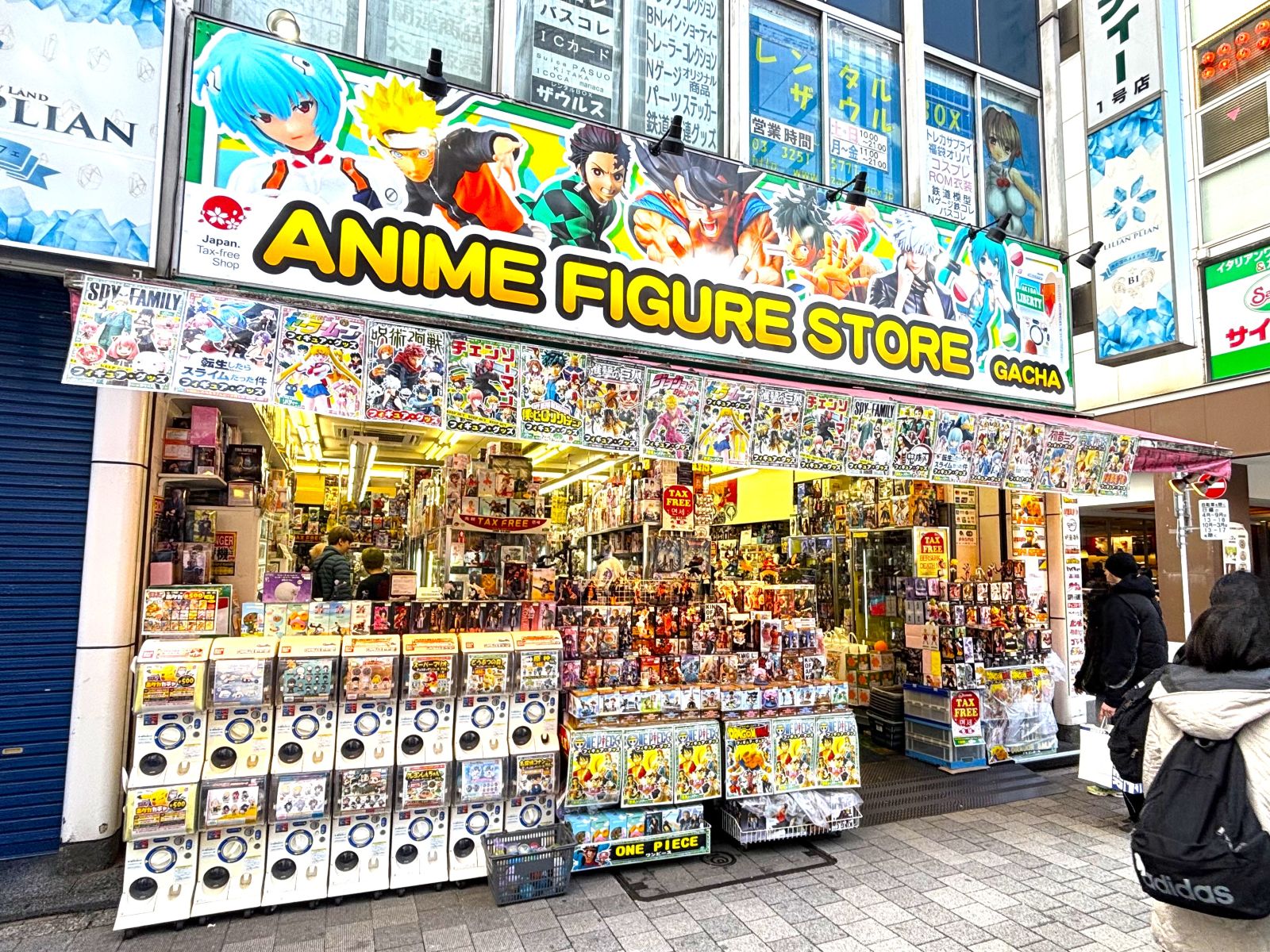
Counterfeit syndicates have quietly upgraded their operations, moving away from blurry product photos and slapdash vinyl castings toward hyper-convincing storefronts that mimic licensed distributors. As detailed in a recent Niche Gamer Report comparing Japan-based outlets with domestic storefronts, navigating an anime figure store in 2026 requires understanding complex global distribution networks, shipping structures, and factory-level packaging tells. A single careless checkout can leave a collector out hundreds of dollars with a toxic PVC knockoff on their doorstep.
High production values across modern PVC craftsmanship have sent retail prices soaring, with standard 1/7 scale figures regularly commanding $180 to $320. That price tag makes scale figure pre-orders prime targets for fraudulent merchant networks operating across social ad feeds and rogue marketplace storefronts. Protecting your money requires looking past clean web designs to inspect corporate supply lines, import customs fees, and distributor licensing.
📌 Key Takeaways:
- Supply Chain Verification: Authentic anime figures originate exclusively through authorized distribution pipelines, meaning verified merchant status with manufacturers like Good Smile Company, Alter, or Kotobukiya is your first line of defense.
- Cost Realities: Legitimate discounts rarely exceed 30% to 40%; cut-rate pricing on high-demand scale figures serves as an immediate indicator of recast bootlegs.
- Logistics Trade-offs: Direct Japanese import retailers offer speed and early releases but carry variable shipping overhead, while US-based figure shops absorb duties at the cost of a two-to-four-month delivery lag.
Counterfeiting Meets Sophisticated Web Fronts
The days when bootlegs were confined to sketchy alley stalls or unbranded auction listings are over. Modern counterfeiters routinely mirror official promotional photography, copy legal disclaimers word-for-word, and buy targeted search ads to capture high-intent buyers looking for sold-out figures. These operations exploit supply shortages, targeting collectors desperate to secure closed pre-orders for popular characters.
Community trackers on MyFigureCollection and enthusiast subreddits document dozens of newly registered domain names every month running identical Shopify backend templates. These operations ship bootlegs directly from industrial hubs in Guangdong rather than authorized distribution centers in Chiba or California. The figures inside these shipments contain unrefined industrial plastics, brittle joints, and lead-heavy paint coats that off-gas noxious chemical odors upon opening.
Genuine production runs are strictly allocated. Major sculptors produce fixed batches based on initial wholesale reservation numbers. When an unknown online shop claims to have unlimited warehouse clearance discounts on long-discontinued Grails at original wholesale prices, the inventory is fabricated.
Packaging Tells and the Nendoroid Authenticity Check
Catching a fake before purchase requires scrutinizing vendor credentials, but physical inspection remains the ultimate line of defense once a parcel arrives. The Good Smile Company Nendoroid line remains the single most pirated product category in the hobby, creating a massive secondary market of knockoffs that fail specific manufacturing tests.
Run an immediate Nendoroid authenticity check by examining the box exterior. Authentic packaging uses high-resolution offset printing with razor-sharp typography, clear matte coatings, and official holographic licensing seals from rights holders like Kadokawa, Toho, or Shueisha. Counterfeits routinely show blurry text edges, desaturated box art, and missing copyright emblems. Most tellingly, bootleggers frequently omit the small, circular manufacturer logo in the upper corner to skirt strict trademark enforcement.
Opening the box reveals structural differences. Legitimate Nendoroid faceplates feature crisp neck-joint pegs molded with tiny circular batch numbers and the official neck-joint copyright imprint. Knockoff joints are smooth, oily, or poorly cast with visible seam lines. Authentic PVC parts display a clean, matte finish achieved through precision curing, while bootleg figures exhibit an unnatural, greasy shine that indicates cheap plasticizer chemicals.
Japan Direct vs. US Domestic: Retailer Breakdown and True Costs
Collectors face a recurring choice: order directly from Japanese import retailers or purchase through domestic US-based figure shops. Neither approach is universally superior, but each involves distinct financial, logistical, and timeline realities that affect your bottom line.
| Sourcing Channel | Release Timing | Shipping & Customs Realities | Counterfeit Exposure |
|---|---|---|---|
| Japan Direct (AmiAmi, HLJ, Mandarake) | Immediate (Japanese street date) | High international freight ($35, $70/box); variable import processing | Near-zero via licensed storefronts; strict secondhand grading systems |
| Domestic US (Crunchyroll Store, BBTS) | 2, 4 months post-Japan street date | Predictable flat-rate domestic shipping ($4, $10); zero surprise customs | Zero when purchasing direct; risk emerges on third-party marketplace portals |
| Global Hubs (Tokyo Otaku Mode) | Split schedule (Japan/US warehouse dependent) | Tiered point-back rewards offset freight; variable international rates | Zero; verified direct distribution agreements across manufacturers |
| Open Marketplaces (eBay, AliExpress, Amazon 3P) | Unpredictable | Often untracked or slow sea freight hidden behind cheap pricing | Extremely high (estimated 60, 80% recast share on unverified sellers) |
Direct Japanese shipping via DHL or FedEx offers speed, but parcel dimensions have caused international shipping rates to spike since 2024. A large 1/4 scale bunny figure box can easily generate $80 to $120 in shipping costs alone, alongside regional tariff handling. Conversely, US distributors take delivery via ocean freight containers, absorbing bulk maritime rates and passing flat domestic shipping fees to buyers at the expense of street-date timing.
Official Distributor Licensing and Clearance Traps
Legitimate figure retailers survive on razor-thin wholesale margins governed by official distributor licensing. Companies like Good Smile Company maintain strict partner directories. Retailers listed as official Good Smile Company partners, including BigBadToyStore, Tokyo Otaku Mode, and AmiAmi, source product through direct corporate contracts or primary trade agencies like Ultra Tokyo Connection.
When authentic retailers run warehouse clearance events, their sale mechanics look very different from illicit storefront markdowns. An authentic promotion, such as the massive warehouse inventory events held by the Crunchyroll Store or seasonal bargain events logged in Tokyo Otaku Mode weekly roundups, focuses primarily on clearing excess stock of prize figures, less popular character variants, or open-box returns. These sales offer targeted price cuts of 20% to 50% on specific items.
Counterfeit fronts operate on the opposite logic. They display uniformly discounted catalogs where pristine, sold-out scale figures from eStream, Alter, or Freeing are all priced identically at $39.99 to $49.99. Authentic manufacturers sell wholesale allocations at roughly 55% to 65% of the suggested retail price. Any shop offering current scale releases below that wholesale threshold is dealing in recast fakes.
Global Footprints and In-Person Retail Audits
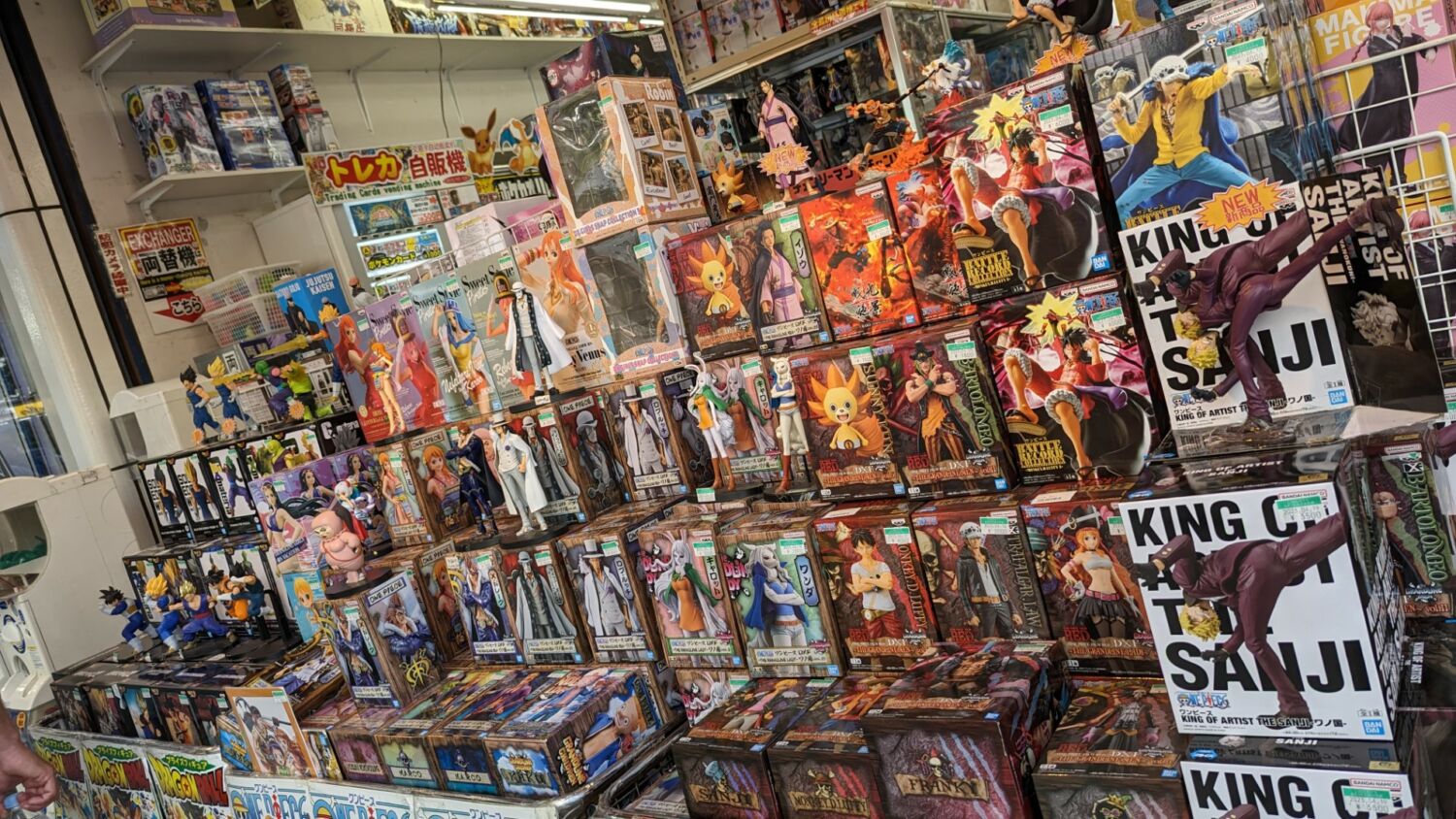
Evaluating physical hobby shops requires the same scrutiny as auditing digital stores. The physical retail footprint has expanded internationally, from legacy districts like Akihabara and Nakano Broadway to curated boutique ecosystems in major Western hubs. A recent comprehensive audit of central London retail districts by London x London highlighted how dedicated specialty shops from Camden Town to Westfield maintain direct ties with Japanese toy distributors to guarantee shelf authenticity.
Physical stores provide immediate diagnostic advantages. When walking into an unfamiliar hobby shop, inspect the display cabinets for the telltale signs of bootleg inventory:
- Inspect figure skin tones under daylight bulbs: authentic PVC features smooth, semi-translucent skin grading, whereas recasts look chalky, jaundiced, or entirely flat.
- Check eye decals closely for misalignment, dot-matrix printing patterns, or missing protective gloss layers.
- Look for visible seam lines along the hair sculpt and excess glue pooling around base mounting pegs.
- Verify packaging integrity on surrounding shelves: authentic shops never sell boxed scale figures without manufacturer seals or with hand-cut blister tape.
Physical retailers carrying legitimate inventory are transparent about their licensing channels. They display official manufacturer point-of-sale materials, carry authentic Bandai Spirits prize labels, and explicitly detail return policies for factory defects.
Frequently Asked Questions (FAQ)
Q1: What should I do if I unknowingly bought a counterfeit anime figure using a credit card?
A1: Document the purchase immediately. Photograph the packaging, the figure's defects, and the merchant's listing. Contact the merchant to demand a full refund citing counterfeit merchandise. If they refuse, stall, or insist you ship the item back to an unverified address at your own expense, file a chargeback with your credit card issuer using your photo evidence and manufacturer references showing the item is an unlicensed reproduction.
Q2: Why do US-based figure shops get scale figures months after Japanese retailers?
A2: Japanese shops receive stock straight from domestic ports or local manufacturing hubs via air and rapid regional logistics. US storefronts rely on consolidated ocean freight containers to keep consumer shipping costs manageable. Moving inventory across the Pacific, clearing customs inspection, and processing bulk crates through domestic distribution hubs adds roughly 8 to 16 weeks to release schedules.
Q3: Does the absence of a shiny holographic sticker on the box always mean the figure is fake?
A3: Not always, but it is a strong warning sign. Certain licensing bodies (like Kodansha or Toei) strictly mandate holographic stickers for specific markets, while other rights holders use regional paper stamps, barcode-integrated verification, or manufacturer-specific seals. If a sticker is missing, verify the retailer on the official manufacturer partner directory and check the base markings before assuming it is counterfeit.
Navigating the Collector Market with Confidence
Securing an authentic figure collection comes down to vetting retailers methodically before checking out. Bookmark official manufacturer partner directories, watch for pricing that sits well below wholesale cost, and run physical packaging checks the moment a parcel lands on your doorstep. Prioritizing vetted channels over cut-rate storefronts protects your budget and ensures your shelf displays genuine Japanese craftsmanship rather than dangerous, toxic recasts.


