The Ultimate Pocket Square Handbook: Complete Fold Tutorials, Dress Codes, and Color Coordination
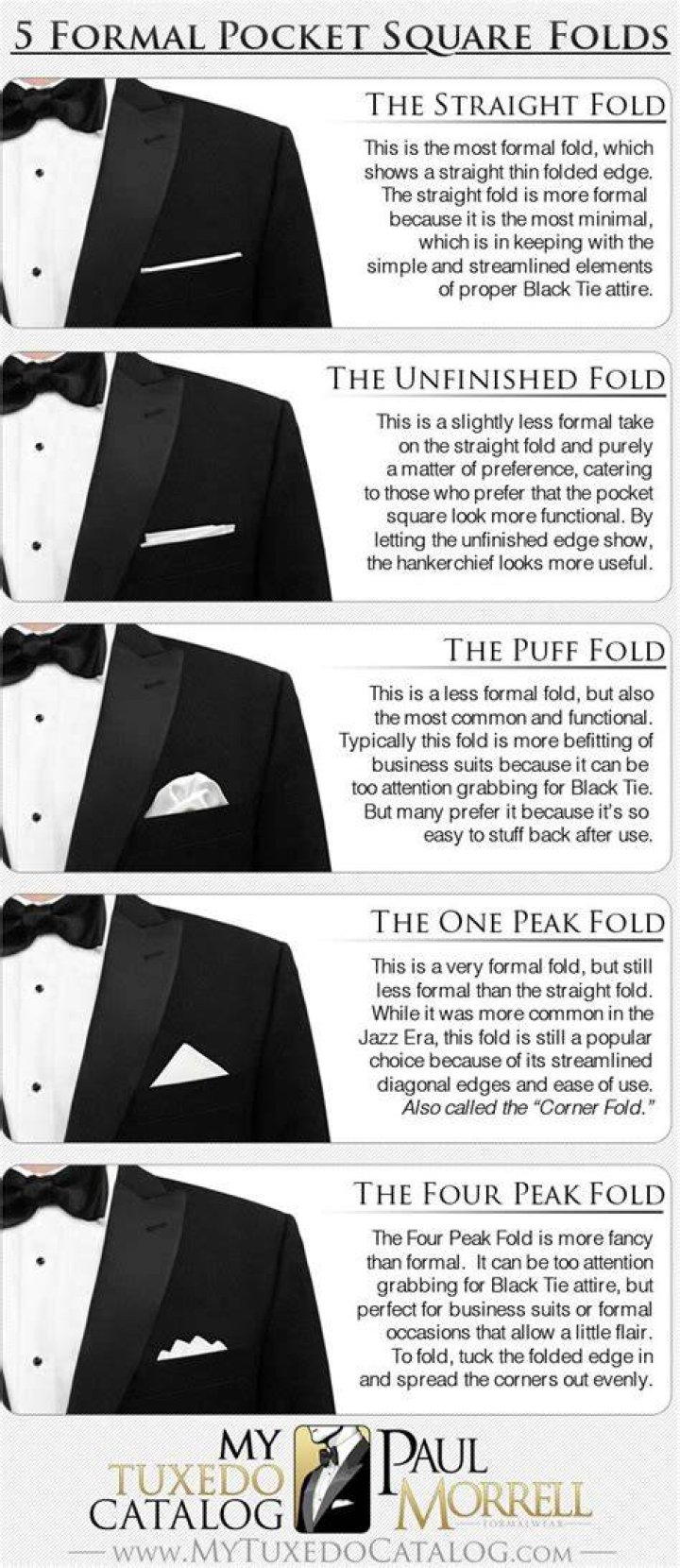
A pocket square is the quickest way to ruin an otherwise sharp suit jacket lapel, or elevate it into something memorable. Too often, men treat this small square of fabric as an afterthought, stuffing a pre-folded cardboard insert into a welt pocket or committing the cardinal menswear sin of buying a matching tie-and-square polyester set. Yet as cultural commentator Dr. Wamuwi Mbao observed in a Wanted Online Report examining the subtleties of personal style, dressing well is rarely about conspicuous consumption; it is about intentionality.
The breast pocket exists to create depth across the chest. When executed with precision, a fold anchors your entire silhouette, balancing the line between the collar and waist. Mastering this small sartorial ritual requires an understanding of textile mechanics, geometric folds, and the nuanced grammar of formal dress codes.
📌 Key Takeaways:
- Fabric Dictates the Fold: Crisp linen handles sharp, architectural folds like the presidential or two-point; supple silk pocket square fabrics require fluid arrangements like the puff or crown fold.
- The Cardinal Rule: Never buy an identical matching tie and pocket square set; pull secondary accent tones from your shirt, jacket weave, or tie pattern instead.
- Formal Precision: Black tie dress code requirements permit only a pure white linen breast pocket handkerchief or fine silk folded flat, strictly avoiding flamboyant multi-point puffs.
Fabric Mechanics: Why Linen, Silk, and Wool Demand Different Folds
Before attempting a fold, examine the textile in your hands. Fabric weight, weave, and edge construction dictate how a square behaves inside your jacket pocket. The greatest mistake novice dressers make is trying to force a lightweight printed silk into a rigid geometric crease, or stuffing a thick Irish linen into an airy puff.
Linen provides friction and structural rigidity. A high-grade linen breast pocket handkerchief holds a sharp crease without collapsing down into the pocket lining throughout an eight-hour day. This makes linen the undisputed standard for crisp, horizontal, and multi-point folds. Look for hand-rolled edges sewn with meticulous hand-stitching; these slight irregularities give the exposed edge subtle, bespoke dimension that machine-stitched hems completely lack.
Silk, by contrast, behaves like liquid. It slides against smooth chest canvassing and resists sharp creases. Fine silk demands relaxed folds that celebrate volume, luster, and draped folds rather than razor edges. Wool, cashmere, and heavy cotton twill sit between these two extremes, ideal for textured tweed blazers and flannel sport coats where matte texture must ground seasonal layering. A square sized between 12×12 inches (30×30 cm) and 17×17 inches (42×42 cm) ensures sufficient volume so the fabric neither slips into the pocket abyss nor bulges like an overstuffed envelope.
Four Essential Folds and Exact Step-by-Step Execution
Every functional menswear wardrobe requires four primary folds. Master these variations to cover any jacket and event in your calendar.
1. The Presidential Fold (The Classic Square)
This is the most restrained, timeless method in existence, favored by mid-century diplomats and midtown executives. It presents a quiet 0.25-inch to 0.5-inch crisp horizontal ribbon parallel to the pocket line.
- Lay your square flat on a clean table, face down.
- Fold the fabric vertically in half from right to left.
- Fold it horizontally in half from bottom to top.
- Fold the sides inward to match the exact interior width of your suit jacket lapel breast pocket (typically 3.5 to 4 inches).
- Fold the bottom up to adjust the total height, leaving a clean horizontal edge resting neatly just above the welt.
2. The Puff Fold
Effortless, relaxed, and expressive, the puff highlights the fluid sheen of silk and patterned foulards.
- Pinch the pocket square dead-center between your thumb and index finger, lifting it so the four corners dangle loosely downward.
- Gently run your other hand down the fabric column, smoothing it into a loose, soft tube.
- Fold the dangling bottom corners upward behind the main body of the fabric, effectively halving its length.
- Slide the rounded puff into your pocket, gently adjusting the crown so it billows naturally over the rim without looking inflated.
3. The Two-Point Fold
The two-point fold introduces clean, asymmetrical geometry that draws the viewer’s eye diagonally upward toward your face.
- Lay the fabric in a diamond orientation with a point facing you.
- Fold the bottom point straight up toward the top point, but deliberately offset them slightly so two distinct, crisp peaks sit side by side.
- Fold the left and right corners inward horizontally to match your pocket width.
- Fold the bottom edge up to secure the structure, sliding it in so only the twin peaks rise cleanly above the pocket welt.
4. The Crown Fold
The inverted cousin of the puff, the crown fold turns the square upside down, displaying sharp, dynamic points reminiscent of an upturned crown.
- Pinch the center of the fabric and draw it into a cylinder, exactly as you would for the puff fold.
- Instead of leaving the gathered center facing up, flip the entire square upside down so the loose corners point toward the ceiling.
- Fold the gathered bottom upward to lock in the pocket height.
- Arrange the exposed corners inside the pocket, separating the points with your fingers to produce three or four crisp peaks.
Fold Profiles, Fabric Matchups, and Occasion Hierarchy
Selecting the wrong fold for a specific formal environment signals a fundamental misunderstanding of dress codes. Match your fabric and fold strictly against the context of your event:
| Fold Style | Ideal Fabric | Formality Tier | Recommended Tailoring |
|---|---|---|---|
| Presidential Fold | White Irish Linen or Crisp Cotton | Formal to Black Tie (Strict) | Dinner jackets, charcoal/navy worsted wool suits |
| Two-Point Fold | Medium-weight Linen or Fine Poplin | Business Professional | Pinstripe, chalk-stripe, or solid business suits |
| Classic Puff Fold | Printed Twill Silk or Silk-Modal Blend | Smart Casual to Cocktail | Unstructured blazers, hopsack jackets, linen tailoring |
| Crown Fold | Madder Silk or Fine Wool Challis | Semi-Formal / Creative Evening | Velvet smoking jackets, flannel double-breasted suits |
Navigating Dress Codes: From Black Tie Decorum to Smart Casual Tailoring
Dress codes enforce boundaries, but they also remove guesswork. At the highest tier of evening wear, the black tie dress code, experimentation is unwelcome. A midnight blue or jet-black tuxedo requires austere discipline. The only acceptable companion to grosgrain or satin peak lapels is a pure white, immaculate linen square worn in a Presidential fold.
In this strict formal context, tuxedo accessories exist to streamline your silhouette, not draw attention. Introducing bright red silks or sprawling points beside a bow tie breaks the stark monochrome balance established over a century of formal traditions.
As dress codes relax toward business attire and smart casual tailoring, the parameters open up. If you are wearing an unstructured Italian hopsack jacket or an unlined linen blazer, a rigid presidential fold feels incongruous. Here, relaxed folds thrive. An unironed linen square tucked casually or an ancient madder silk puff softens the structure of casual tailored jackets, signaling ease rather than calculated stiffness.
Color Theory and Pattern Coordination: Escaping the Matching Tie Trap
The fastest way to look like a high school prom attendee is wearing a necktie and pocket square made from the exact same cut of silk. In classic menswear, matching accessories signal catalog purchasing rather than sartorial fluency.
Coordinate your pocket square by harmony, contrast, and scale:
- Pick Up Minor Accent Colors: Look closely at your necktie or sports jacket. If your tie is navy with subtle burgundy dots and amber striping, choose an amber or muted burgundy square. It links the elements together without mirroring the primary hue.
- Vary the Scale of Patterns: Never pair identical pattern scales. If your shirt features a dense micro-gingham check, do not wear a micro-check pocket square. Pair that small check with a large-scale paisley, wide botanical motif, or completely solid linen square.
- Contrast Your Textures: Shiny silk against shiny silk creates visual fatigue. Counter a glossy rep tie with a dry, matte linen breast pocket handkerchief. Conversely, if you are wearing a coarse, matte wool knit tie, a lustrous silk pocket square brings balanced light reflection back to your chest.
Frequently Asked Questions (FAQ)
Q1: How do I stop my pocket square from sinking to the bottom of my jacket pocket?
A1: Sinking occurs when the square is too small (under 13 inches) or folded too narrowly. To fix this, fold the square wider so the lateral tension presses gently against the pocket walls. Alternatively, fold the bottom tail upward to add bulk at the base, or tuck a clean piece of business card stock into the base of the fold for invisible support.
Q2: Is it ever acceptable to wear a suit without a pocket square?
A2: Yes. A clean breast pocket gives off a stark, minimalist aesthetic favored in modern architectural or severe business environments. However, an empty pocket on a textured sport coat or double-breasted suit often leaves the chest looking unfinished.
Q3: Should the edges of my pocket square be machine-stitched or hand-rolled?
A3: Hand-rolled edges with fine hand-stitching are the hallmark of quality menswear. They provide soft, organic, rolled borders that look far more natural when exposed in puff or multi-point folds than flat, rigid machine-hemmed edges.
Refining Your Daily Tailoring Habit
The mark of true style is the appearance of effortless execution. Once you understand the architectural nature of linen, the organic draping of silk, and the geometric precision of the fundamental folds, pocket squares cease to be fussy accessories.
Take thirty seconds before you step out the door: select a fabric that balances your jacket's weight, execute your fold cleanly, slide it into the welt, and resist the temptation to adjust it throughout the day. Confidence in your tailoring always speaks louder than constant fidgeting.


