TikTok Server Outage Explained: Behind the Glitches Following Recent US Deal
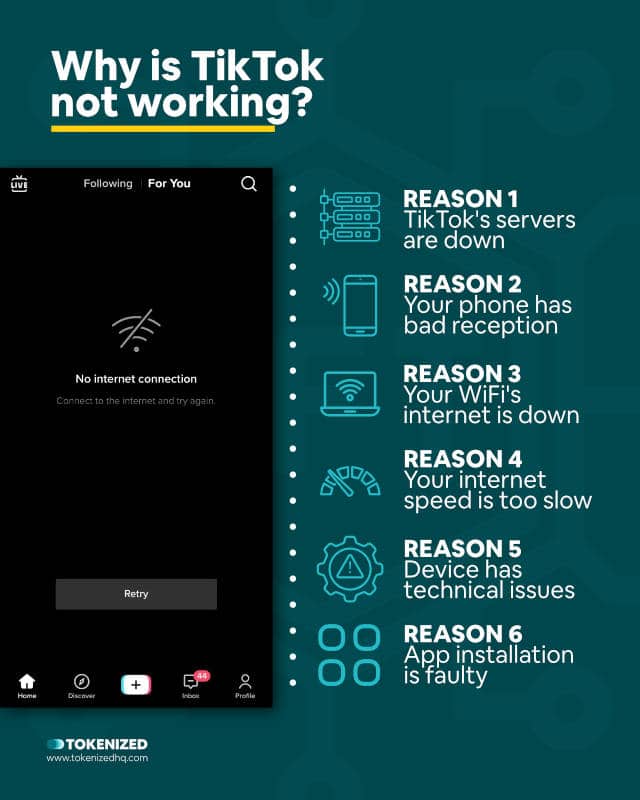
Millions of screens went blank across the United States this morning as TikTok stopped refreshing, stranding users in an infinite loading loop. DownDetector reports surged past 120,000 complaints within minutes, with feeds freezing on cached clips, direct messages failing to deliver, and profile pages throwing an ambiguous network connection error. The disruption follows weeks of operational turmoil after the platform shifted its US data pipeline under domestic cloud oversight, compounded by staffing disruptions highlighted in The New York Times Report detailing cuts across core moderation teams.
For casual scrollers and businesses relying on TikTok Shop, the disruption felt sudden. Beneath the glass screen, however, today’s breakdown stems from a compounding cluster of backend routing failures, client-side update bugs, and a severe cloud infrastructure hiccup.
📌 Key Takeaways:
- Root Cause: A localized routing breakdown across regional Oracle cloud servers triggered cascading authentication failures, blocking feed ingestion for US-based accounts.
- Client Update Flaw: A companion mobile patch rolled out this week introduced an app crash on launch bug for devices running older operating system builds.
- Internal Pipeline Pressure: Severe content moderation delays left thousands of newly uploaded clips stuck in ingestion queues, producing blank For You pages.
The Oracle Cloud Bottleneck Crippling US Feeds
Today's feed failure originates in the specialized routing architecture built to partition American user traffic from ByteDance's international clusters. According to network telemetry tracked by internet monitoring groups, traffic flowing into TikTok's primary domestic host suffered catastrophic packet loss early this morning. TechCrunch documented a second major Oracle outage since the post-sale restructuring took effect, underscoring persistent instability across the migration pipeline.
When an app instance opens, it initiates a cryptographic handshake with edge data centers located in Texas and Virginia. If those authentication clusters fail to validate session tokens within 2,500 milliseconds, the application drops the connection entirely. Instead of serving an informative status alert, the client displays a generic connection fault or defaults to a For You page glitch that endlessly recycles four-day-old cached clips.
Cloud engineers scrambling to patch the disconnect encountered routing loops inside regional border gateway protocols. When primary clusters in the southern zone dropped offline, failover traffic slammed backup facilities, exhausting available ingress bandwidth. The resulting digital traffic jam left the client application unable to fetch fresh metadata, creating widespread blackouts across key metro areas.
Flawed Client Updates and the Crash-on-Launch Bug
Backend server failures represent only half of today's crisis. Over the past 48 hours, ByteDance pushed a mandatory client patch intended to patch security libraries and adjust location-tracking modules mandated by recent federal regulatory reviews. USA Today reported that TikTok issued an emergency secondary update after early adopters reported severe performance regressions.
The update introduced a critical memory leak within the local caching layer. Upon opening the app, the local database attempted to reconcile corrupted cache tables against unresponsive server endpoints, triggering an instant memory exception. The result was an immediate app crash on launch for millions of users on both iOS and Android.
Engineers pushing emergency configuration profiles over the air found themselves locked in a paradox: fixing the software required devices to pull config packets from the very cloud servers struggling under the outage. Until those cloud endpoints stabilized, millions of consumer devices remained stuck in crash loops.
A Timeline of TikTok Infrastructure Disruptions in 2026
The technical volatility shaking the platform is not an isolated event. Over the first quarter of 2026, the migration of operational controls, code audits, and severe staffing cuts created recurring service failures.
| Date | Incident Nature | Direct Operational Impact |
|---|---|---|
| Jan 25, 2026 | Widespread CDN Authentication Drop | DownDetector recorded over 95,000 user reports; Fox 13 confirmed broad access losses across the American South. |
| Jan 28, 2026 | Faulty iOS/Android Client Build | Emergency software patch pushed globally after persistent UI freezing and audio synchronization errors broke media playback. |
| Feb 12, 2026 | Moderation Queue Cascade | Automated compliance filters locked video publishing queues, holding uploads in review for up to 14 hours. |
| Mar 3, 2026 | Oracle Cloud Partition Outage | Server routing breakdown separated US accounts from ingestion pipelines, knocking out feeds and merchant checkout endpoints. |
Content Moderation Delays and the Ghost Feed Bug
Infrastructure failures extend beyond silicon and fiber. The human layer keeping the platform functional has degraded under repeated restructuring. Following layoffs that eliminated 250 specialized trust and safety personnel, remaining operations leaned heavily on experimental machine-learning filters to monitor live uploads.
The automated system buckled under today's network flux. When server communication dropped, safety verification engines failed to receive clearance handshakes for newly posted material. To avoid displaying unverified content that might run afoul of domestic compliance pacts, the recommendation engine withheld uploads entirely.
This safety mechanism produced a widespread "ghost feed" bug. Users could launch the interface, but the algorithm served zero new items, displaying an empty loading skeleton. The breakdown follows weeks of regulatory scrutiny, including an inquiry opened by the California Department of Justice into alleged content throttling, as reported by NBC News. The collision of aggressive automated screening, reduced operational headcount, and fragile server routing created a structural bottleneck that ground normal content distribution to a halt.
Client Diagnostics: Resolving App Crashes and Connection Errors
When widespread server outages occur, standard consumer troubleshooting cannot rebuild broken cloud routes. However, corrupted local configuration files frequently cause the app to remain broken long after remote servers return to normal.
If your device continues throwing a feed loading error or shuts down instantly upon launch, work through targeted local recovery steps:
- Purge Corrupted Application Caches: If the app opens briefly before freezing, navigate to Settings > Free up space and clear TikTok app cache files. This eliminates corrupted local video chunks without deleting your account credentials.
- Execute an App Offload (iOS): Go to Settings > General > iPhone Storage > TikTok and select Offload App. This removes the damaged binary executables while preserving drafts, then reinstalls a pristine copy directly from the App Store.
- Bypass Stale DNS Caches: Local home routers often retain expired IP pointers during rapid routing reconfigurations. Toggling your smartphone into Airplane Mode for 30 seconds forces the operating system to clear internal socket pools.
- Verify Central Status Portals: Check third-party monitors rather than in-app status dashboards. If regional servers are completely dark, local reinstallation attempts will fail until upstream cloud providers restore connectivity.
Frequently Asked Questions (FAQ)
Q1: Why is my TikTok feed showing a "No Internet Connection" alert when other apps work?
A1: The alert does not indicate a failure with your home broadband or cellular carrier. It occurs when TikTok's regional cloud clusters fail to respond to session handshake requests within a strict 2.5-second window, forcing the mobile operating system to report a network drop.
Q2: Will reinstalling the app delete my saved drafts?
A2: Yes. Deleting the application entirely wipes your local sandbox directory, destroying all unposted video drafts stored on the device. Instead of deleting the app, use the "Offload App" feature on iOS or clear only the app cache via device settings on Android.
Q3: Why are my newly uploaded videos showing zero views today?
A3: Cloud communication drops create massive backlogs inside automated content moderation pipelines. Videos published during an infrastructure disruption remain trapped in processing queues until human and algorithmic safety audits clear them for general distribution.
Q4: How can I check if the outage is resolved nationwide?
A4: Check independent infrastructure aggregators such as DownDetector or monitor cloud status dashboards for Oracle Cloud Infrastructure. When incident recovery reports drop below baseline thresholds, traffic routing has stabilized.
What Lies Ahead for TikTok's American Infrastructure
The recurring technical breakdowns dogging TikTok highlight the extreme engineering complexity of decoupling a planetary hyper-scale network. Rebuilding core recommendation algorithms, ad platforms, and live-streaming backbones inside isolated cloud enclosures while serving more than 170 million active US users carries severe operational hazards.
Every administrative patch and server redirect risks exposing hidden dependencies across the codebase. Until structural migrations conclude and localized routing configurations settle into steady-state maintenance, periodic platform blackouts, feed glitches, and sudden client crashes will remain an ongoing reality of the new operating framework.