Timeline of Edda Elisa Pilz's Clashes: From the Lufthansa Boarding Gate to the Gym Ban
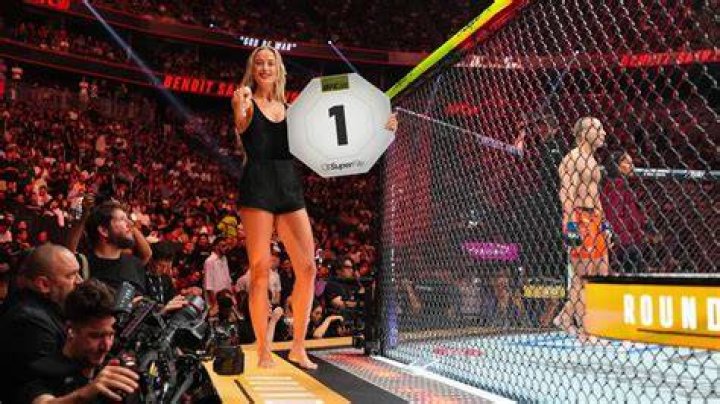
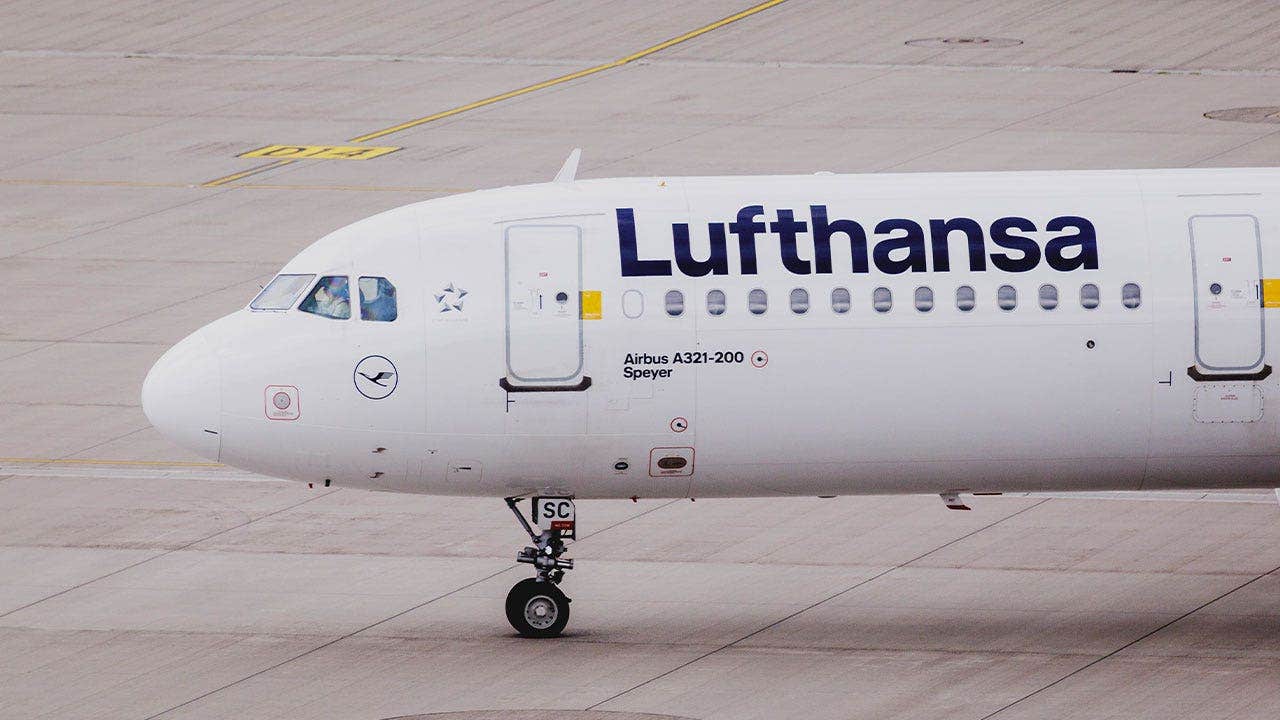
Travelers passing through Berlin Brandenburg Airport rarely expect a boarding gate to double as an impromptu wardrobe inspection. Yet in late June, German fitness creator Edda Elisa Pilz found herself blocked from boarding a Lufthansa flight bound for Austria after ground crew objected to her athletic attire. As chronicled in coverage by an inkl Report, gate staff allegedly declared her outfit unacceptable, insisting she zip up an outer layer before she could step into the jetway.
The airport confrontation was only the opening chapter of a turbulent summer. Within three weeks, Pilz made international headlines again, this time after receiving an outright, lifetime ban from an international gym franchise following member complaints regarding mirror selfies and space usage. Together, the two incidents have ignited an intense conversation across Europe regarding the boundaries between social media content production, passenger boarding rights, and corporate dress codes in shared spaces.
📌 Key Takeaways:
- The Airport Incident: Lufthansa gate agents halted Pilz on a Berlin to Austria flight, demanding she cover up her athletic outfit before boarding.
- The Gym Eviction: A major commercial fitness chain issued a permanent, multi-branch ban against Pilz over member grievances regarding mirror hogging and filming.
- The Industry Shift: Commercial gyms and commercial carriers are aggressively enforcing strict conduct rules against unauthorized social media production.
The Berlin Gate Confrontation Over Athletic Wear
The confrontation began on a routine morning flight from Berlin to Austria. Pilz, an established Instagram fitness star known for activewear showcases and workout tutorials, arrived at the gate wearing a standard two-piece athletic outfit consisting of a sports top and fitted shorts. According to accounts she posted to her hundreds of thousands of followers, an airline employee pulled her aside during final boarding, stating her clothing made her appear improperly dressed for the cabin.
Staff instructed Pilz to fully zip up her jacket before scanning her boarding pass. Pilz complied to avoid missing the departure, but she quickly took to social media to denounce the treatment. She argued that athletic wear is standard attire for millions of leisure travelers and accused ground personnel of applying arbitrary personal modesty standards rather than clear safety regulations.
The video logs quickly crossed over from fitness subcultures to mainstream European news outlets. Commentators split sharply. Some travelers defended her, arguing that gate staff overstepped their authority by imposing outdated modesty checks on a paying customer. Others supported the crew, contending that international airlines maintain broad contractual discretion to uphold cabin standards.
Passenger Rights Versus Carrier Discretion in Air Travel
The incident brought renewed scrutiny to airline passenger dress code policies, which remain notoriously ambiguous across major international carriers. Unlike federal security regulations governing prohibited items, passenger attire falls under an airline’s general Conditions of Carriage.
Lufthansa, like many legacy carriers, includes clauses permitting staff to deny boarding to individuals whose conduct, condition, or appearance could reasonably cause discomfort, distress, or offense to other passengers. However, these clauses rarely define explicit garment parameters, leaving gate agents with wide, subjective leeway.
| Carrier / Venue | Policy Category | Enforcement Trigger | Operational Action Taken |
|---|---|---|---|
| Lufthansa (Berlin Gate) | Conditions of Carriage | Subjective attire standards | Mandatory layer adjustment prior to boarding |
| Commercial Gym Franchise | Member Conduct & Privacy | Persistent mirror filming & complaints | Immediate, permanent worldwide ban |
| Standard Aviation Industry | Safety & Decency Regulations | Offensive slogans, barefoot boarding | Denied boarding or required changes |
Aviation consumer advocates point out that while flight crews have total authority over safety matters, aesthetic gating frequently invites accusations of bias. The controversy highlighted the absence of transparent, published thresholds for modern sportswear, which has become common in transit worldwide.
From the Runway to the Weight Room: The Lifetime Gym Ban
Before the airline debate subsided, Pilz became embroiled in a second, more severe disciplinary action. In mid-July, reports surfaced across European tabloids and news sites, including Yahoo News UK and The Mirror, revealing that Pilz had been permanently expelled from an international gym chain.
The dispute did not center on workout intensity or training protocol. Instead, facility management cited repeated member complaints about commercial gym filming policy violations and extensive mirror monopolization. Fellow patrons reportedly voiced frustration over Pilz setting up recording equipment, blocking weight-training zones, and capturing incidental background footage of unconsenting gym-goers during peak hours.
Unlike the airline row, which ended with a zipped zipper and a completed flight, the fitness chain took decisive contractual action. Management terminated her membership across all global locations, refusing reinstatement. Pilz disputed the proportionality of the punishment online, arguing that fitness professionals require visual documentation of form and physique to maintain their livelihoods.
Commercial Gym Etiquette and the War Over Cameras
The permanent ban on Pilz reflects a major shift taking place across the commercial fitness industry. Between 2023 and 2026, fitness operators throughout Europe and North America dramatically tightened their rules regarding mobile tripods, ring lights, and casual recording.
Traditional members have grown vocal about gym surveillance. Many object to ending up in the background of a viral video while sweating or lifting heavy weights. For facility operators, permitting unchecked content creation creates significant legal and operational hazards:
- Privacy Regulations: Strict data protection laws, particularly the European Union’s GDPR, expose businesses to liability if private individuals are filmed without explicit consent inside private commercial facilities.
- Floor Space Accessibility: Tripods and camera angles block high-traffic dumbbell areas, preventing other members from accessing equipment they pay monthly dues to use.
- Atmosphere and Retention: Operators find that everyday gym members cancel subscriptions when they feel intimidated by active recording sessions around the free-weight racks.
Major fitness brands now maintain zero-tolerance rules for unsolicited recording. By issuing a lifetime revocation rather than a temporary reprimand, the chain signaled that preserving member privacy outweighs the public relations benefits of hosting popular online personalities.
The Evolving Rules of Public Spaces and Creator Content
The dual controversies surrounding Edda Elisa Pilz capture a widening cultural friction. Content creators often treat public and commercial settings as extensions of their production studios. In contrast, service providers, from global airlines to neighborhood fitness clubs, are reaffirming their rights to enforce traditional codes of conduct.
At the center of this friction lies the question of influencer accountability. When creators publish confrontations with frontline service workers, public sympathy can cut both ways. While early social media trends favored creators challenging corporate rules, public sentiment has visibly hardened against behaviors that disrupt ordinary public services or intrude on private individuals.
The gate row in Berlin and the subsequent gym eviction demonstrate that digital followings offer limited insulation from real-world regulations. Corporate brands are increasingly willing to risk viral backlash to maintain control over their facilities and protect the privacy of regular customers.
Frequently Asked Questions (FAQ)
Q1: Why did Lufthansa stop Edda Elisa Pilz from boarding?
A1: Ground personnel at Berlin Brandenburg Airport stopped Pilz ahead of her flight to Austria, stating that her athletic crop top and shorts were too revealing. She was required to zip up her outer jacket before staff permitted her to board.
Q2: Why was Edda Elisa Pilz permanently banned from her gym?
A2: Management at a global gym franchise revoked her membership across all locations after members lodged multiple complaints about her occupying mirror areas to film content and capturing other patrons in the background without consent.
Q3: Can airlines legally dictate passenger clothing?
A3: Yes. Under the Conditions of Carriage agreed to upon ticket purchase, commercial airlines hold broad legal discretion to deny boarding to passengers whose dress or behavior is deemed offensive, disruptive, or contrary to carrier standards, though explicit guidelines vary widely.
Q4: Are commercial gyms legally permitted to ban cameras and filming?
A4: Yes. Commercial gyms are private facilities. They are fully authorized to establish internal codes of conduct, including strict prohibitions on video recording, tripod usage, and photography, to protect member privacy and comply with privacy statutes such as GDPR.
Navigating Public Etiquette in a Screen-Centric Era
The episodes involving Edda Elisa Pilz mark a defining moment in how private enterprises govern public-facing spaces. Where casual travelers and gym members once operated under unspoken social norms, service industries are formalizing concrete barriers.
Airlines face growing pressure to publish unambiguous, modern dress standards rather than relying on the subjective interpretations of gate workers. Simultaneously, commercial fitness providers have made it clear that private gyms are not open-access production stages. As content creation continues to intersect with everyday infrastructure, the rules governing shared spaces are being drawn with far greater rigidity.