Tom Cruise & Scientology Explained: The Questions Media Won't Ask and Answers We Know
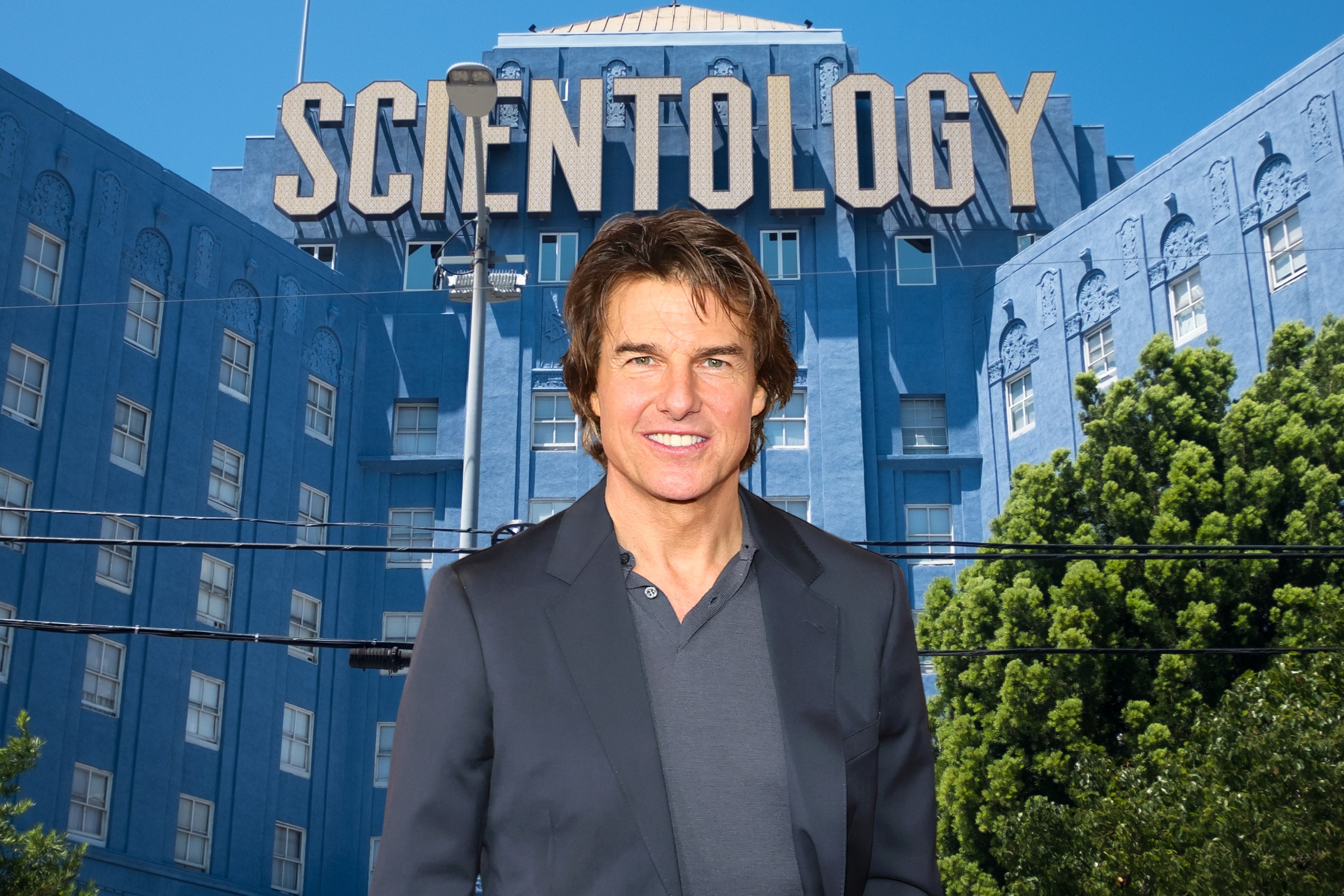
Every major promotional tour for a Tom Cruise blockbuster follows an identical, ironclad ritual. Journalists receive strict interview guidelines, television anchors stick entirely to stunt logistics, and the red carpet moves with military precision. Across four decades of unprecedented cinema stardom, the three-time Golden Globe winner has established an untouchable perimeter around his personal life. The most intriguing aspect of his public persona remains the one subject interviewers are explicitly warned never to touch: his four-decade involvement with the Church of Scientology.
The boundary between Hollywood royalty and religious devotion hardened dramatically after public fallout in the mid-2000s and his high-profile domestic shifts. As detailed in retrospective coverage such as The Week Report, intense public scrutiny surrounding his marital splits pushed Cruise and his representatives to construct a permanent wall between his cinematic brand and his spiritual commitments. Understanding that wall requires unpacking how Hollywood celebrity influence, institutional loyalty, and corporate entertainment economics intersect.
📌 Key Takeaways:
- The Access Agreement: Entertainment reporters sign strict access contracts that treat questions about personal beliefs or Church leadership as grounds for immediate blacklisting.
- The Rank: Cruise operates at the highest echelons of the organization, having completed upper Operating Thetan levels while maintaining direct access to church leader David Miscavige.
- The Family Separation: Legal settlements in high-profile divorces established firm boundaries, keeping his youngest child outside Church influence while older children remain involved.
The Ground Rules of the Modern Junket Circuit
Securing ten minutes with the world's most bankable action star requires signing away editorial freedom. Entertainment desks at legacy networks and digital magazines routinely accept pre-interview stipulations that ban questions regarding personal relationships, private litigation, and faith. Public relations teams monitor junket rooms with stopwatches. A reporter who pivots from an aircraft carrier stunt to the Church of Scientology will find their audio cut and their outlet banned from future studio screenings.
Studio executives defend this arrangement as standard brand management. A production carrying a $300 million budget cannot afford a news cycle derailed by institutional controversies. Studios yield to these conditions because Cruise delivers international ticket sales that few actors alive can match. The trade-off is clear: access requires total compliance with the promotional narrative.
Online forums and entertainment reporting roundtables frequently discuss this silence. Writers privately acknowledge the trade-off. Offending Cruise's camp does not merely burn a bridge with the actor; it strains working relationships with major studios that rely on his star power to anchor summer slates.
Inside the Hierarchy: Auditing to Operating Thetan
Cruise's journey began in 1986, introduced to the group by his first wife, actress Mimi Rogers. Rogers grew up inside the movement, her father having been an early associate of founder L. Ron Hubbard. Cruise initially turned to the Scientology auditing process to address severe dyslexia, later crediting Hubbard’s Study Tech with unlocking his ability to read complex film scripts.
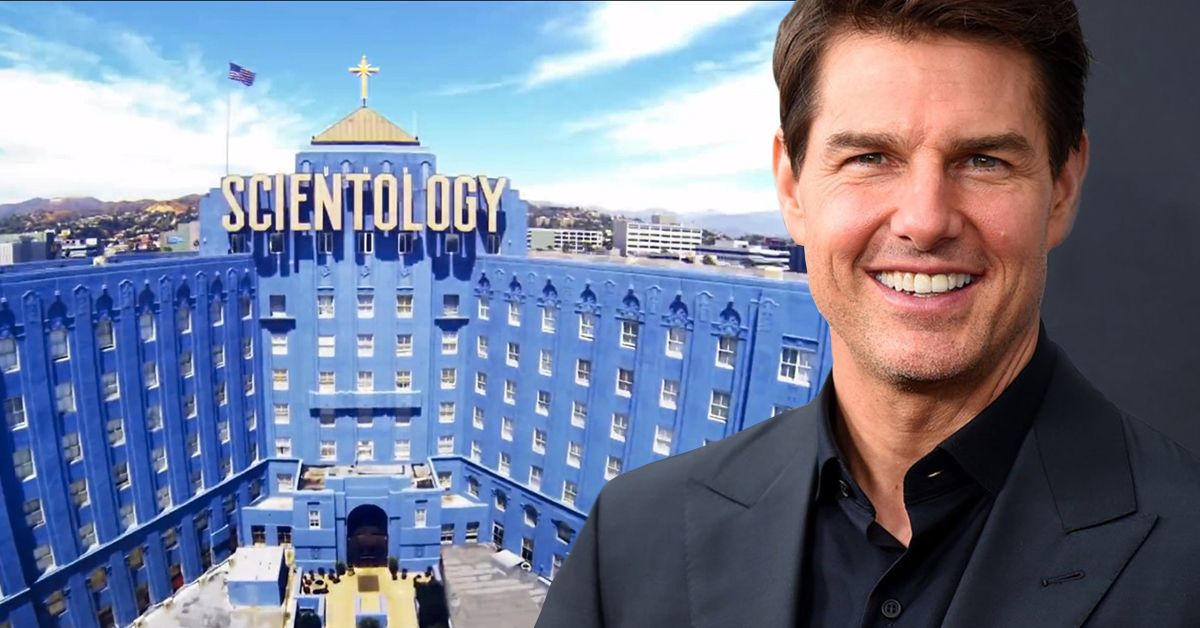
Auditing relies on an E-meter, a device measuring small electrical currents through the body while a practitioner asks targeted questions about past traumas. For Cruise, early sessions occurred inside the Celebrity Centre International in Hollywood, an elite facility designed to shield prominent artists from public eyes. His commitment deepened rapidly, leading him into the confidential upper tiers known as Operating Thetan levels.
Church doctrine teaches that an individual at upper OT levels attains spiritual mastery over matter, energy, space, and time. Former high-ranking members who left the organization have stated Cruise completed OT VII and advanced onto OT VIII, the highest level currently available. Reaching this plateau requires thousands of hours of intense study and significant financial contributions, earning him status as Scientology’s primary public champion.
The Miscavige Alliance and Gold Base Realities
Central to Cruise’s standing is his close relationship with David Miscavige, who took control of the organization following Hubbard's death in 1986. The two men formed a bond that reshaped the Church's internal culture. Miscavige positioned Cruise as an idealized example of what Hubbard's methods could produce.
Insiders describe special accommodations arranged for Cruise at Gold Base Hemet, the church's heavily secured 500-acre compound in Riverside County, California. Members of the Sea Org, a clerical order whose personnel sign billion-year dedication contracts, were reportedly assigned to customize luxury vehicles, build private screening rooms, and attend to the actor’s estate needs. While standard parishioners navigate rigid institutional rules, Cruise was granted access and resources reserved solely for top leadership.
This dynamic reached its apex in 2004, when Miscavige presented Cruise with the Freedom Medal of Valor at an international gala in England. The presentation praised Cruise for introducing Hubbard’s ideas to millions worldwide. A leaked internal video of his acceptance speech, in which Cruise characterized Scientologists as the only people capable of truly healing accidents and social collapse, revealed the depth of his personal devotion.
Marriages, Divorces, and the Cost of Institutional Loyalty
Cruise's domestic timeline mirrors his changing status within the organization. During his ten-year Nicole Kidman marriage, the couple adopted two children, Isabella and Connor. Former church executives have publicly alleged that leadership grew concerned about Kidman’s influence, as her father was an Australian clinical psychologist, a profession staunchly opposed by Hubbard's teachings. Following their 2001 divorce, both adopted children remained active within the Church and largely distant from Kidman.
The turning point arrived in June 2012. Katie Holmes executed a swift, carefully coordinated divorce filing in New York, catching both Cruise and church leadership off guard. Holmes retained independent counsel and secured primary physical custody of their daughter, Suri Cruise, deliberately preventing her from being placed on the auditing path or enrolled in Sea Org schooling.
| Era | Personal Milestone | Public Posture & Church Role |
|---|---|---|
| 1986, 1990 | Marriage to Mimi Rogers; early entry into the movement. | Low-profile participant; credits Study Tech with overcoming severe dyslexia. |
| 1990, 2001 | Marriage to Nicole Kidman; adoption of two children. | Moderate public distance; church concerns grow regarding secular family influences. |
| 2004, 2008 | Courtship and marriage to Katie Holmes; birth of Suri. | Aggressive advocacy; receives Freedom Medal of Valor; clashes on live television over psychiatry. |
| 2012, Present | Holmes divorce settlement; Suri raised outside the faith. | Complete media silence; strict interview riders; full pivot to stunt-driven movie promotion. |
The settlement concluded in eleven days, an astonishing speed for high-net-worth Hollywood separations. Holmes avoided protracted discovery, keeping private communications and church records out of public court records. In exchange, Cruise accepted custody terms that established an enduring physical and emotional distance from his youngest daughter.
The Great Media Retreat: From Crusader to Cinema Purist
Between 2004 and 2006, Cruise attempted to use his global platform as an evangelical megaphone. He argued with Matt Lauer on NBC's Today over psychiatric medication, opened detox centers based on Hubbard’s purification rundowns, and openly lobbied foreign politicians in France and Germany. That aggressive posture backfired, denting his box-office draw and prompting Paramount Pictures to briefly cut ties with his production company.
Following that commercial stumble, Cruise overhauled his approach. He dismissed his sister from managing his publicity and re-hired veteran publicist Amanda Lundberg, initiating a multi-year pivot back to pure entertainment. His public identity was rebuilt around practical stunt work, practical filmmaking, and theater preservation.
Today, Cruise never brings up doctrine unprompted. The Hollywood ecosystem willingly plays along. By confining his identity strictly to that of an unrelenting movie star risking life and limb for theater audiences, Cruise effectively neutralized the reputational drag that once threatened his career.
Frequently Asked Questions (FAQ)
Q1: What is Tom Cruise's official rank in Scientology?
Cruise has achieved the rank of Operating Thetan VIII (OT VIII), the highest training level within the Church of Scientology. He also holds the Freedom Medal of Valor, awarded in 2004 for his efforts expanding the organization’s visibility.
Q2: Does Tom Cruise have a relationship with his daughter Suri?
Following the 2012 divorce agreement with Katie Holmes, Suri was raised in New York outside the Church. Public records and sustained reporting confirm that Cruise has had virtually no public or personal presence in her day-to-day life since she was six years old.
Q3: Why don't journalists ask Cruise about Scientology on red carpets?
Interview agreements require outlets to avoid personal topics, marriages, and religious affiliations. Violating these written or verbal ground rules results in immediate interview termination and blacklisting from future studio junkets.
Q4: Do his older children, Connor and Isabella, practice Scientology?
Yes. Both Connor and Isabella Cruise were raised inside the Church and remain dedicated adherents. Isabella has worked as an auditor in London, while Connor maintains close ties to church operations in Clearwater, Florida.
The Paradox of Modern Stardom
Tom Cruise occupies a unique space in contemporary film culture. Audiences admire his refusal to use stunt doubles and cheer his mission to preserve large-format cinema, even as public accounts detail the human cost paid behind the scenes. The institutional silence surrounding his life is not an accident; it is a meticulously engineered corporate strategy.
The film industry accepts this reality because the box-office numbers justify it. Cruise delivers blockbusters that sustain theatrical exhibition worldwide. As long as audiences pack IMAX auditoriums to watch him leap from cliffs, Hollywood studios and media outlets will happily respect the unspoken contract: celebrate the stunts on screen, and leave the religion at the door.