Toxic Threat Lurking in Viral Tie Dye Dumplings: Why Regulators Are Pulling the Craze from Shelves
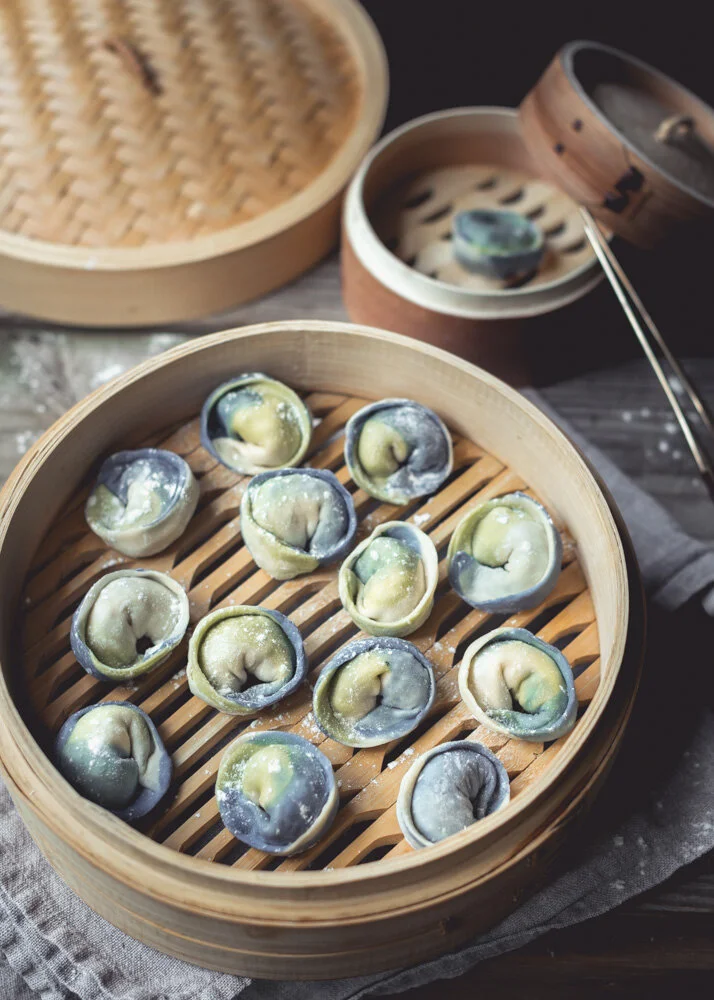
Pastel, marbled, and ultra-malleable, the tie dye squishy dumpling became an inescapable fixture across social feeds within weeks. Packaged inside miniature plastic bamboo steamers, these palm-sized sensory squeeze toys promised tactile stress relief and calming ASMR crunches for millions of viewers on TikTok and Instagram. Behind the hypnotic swirled aesthetics, however, trading officers uncovered a far darker reality. A sweeping Trading Standards seizure in the East Riding of Yorkshire removed hundreds of units from market stalls and discount storefronts after laboratory screenings raised critical chemical and structural flags.
Municipal consumer protection teams escalated enforcement following a critical Hull health risk warning that confirmed the products failed basic legal protections for children. As documented in a recent BBC Report, authorities moved decisively to confiscate the squishy dumplings over severe health hazards, discovering that many lacked legitimate supply-chain traceability, flouted product directives, and exposed users to harmful plasticizers. The sudden enforcement action has thrust the viral novelty toy pipeline under intense scrutiny across the UK and European retail sectors.
📌 Key Takeaways:
- The Enforcement: Trading Standards launched widespread seizures of unbranded tie dye squishy dumplings after laboratory checks found dangerous chemical agents and structural failures.
- The Root Risk: Non-compliant units frequently contain toxic levels of restricted phthalates alongside fragile outer membranes that pose an immediate choking hazard when ruptured.
- Consumer Guidance: Parents and shoppers must immediately discard uncertified dumplings lacking verifiable UKCA or CE marks, legitimate manufacturer addresses, or formal batch numbers.
How a Calming ASMR Craze Infiltrated Global Marketplaces
The viral TikTok toy craze did not start with major toy manufacturers. Instead, it surfaced through unbranded, direct-from-factory suppliers advertising sensory squeeze toys designed to mimic traditional dim sum. Algorithms rewarded clips showcasing the elastic tension of the swirled outer skins, pushing view counts past 85 million impressions across algorithmic video feeds throughout 2025 and early 2026.
Sensory toys serve genuine therapeutic purposes for neurodivergent youth and adults managing sensory processing needs. Yet the sudden, meteoric consumer appetite outpaced domestic inventories. Pop-up vendors, independent discount shops, and digital dropshippers rushed to import shipping containers packed with counterfeit stress relief toys manufactured without verified oversight. Sold for as little as $2 to $5, these products bypassed standard domestic quality assurance, landing directly in the hands of young children lured by vibrant tie-dye colorways and soft, dough-like textures.
Inside the Hull Health Risk Warning and Trading Standards Intervention
Enforcement escalated when consumer complaints alerted officers in Northern England to strong solvent fumes emanating from newly purchased novelty items. Inspectors examining stock in market stalls discovered items arriving in generic cellophane wrapping without manufacturer names, importer details, or traceable batch numbers. The resulting Trading Standards seizure intercepted unverified batches across local distribution points before they could spread further through regional supply chains.
Lab assessments triggered a formal fidget dumpling recall and safety alerts. Testers identified two distinct vulnerabilities: acute chemical toxicity through surface migration and mechanical breakdown during routine manual manipulation. Under light physical stress, the outer casings degraded, leaking unverified inner fluids. Because the products closely mimicked food, the absence of clear hazard warnings violated the UK Toys (Safety) Regulations 2011, prompting council officials to issue an emergency consumer advisory urging the public to stop handling the products immediately.
The Hidden Chemical Hazard: Phthalates and Mechanical Failure
The chemical profile of unregulated flexible polyvinyl chloride (PVC) and thermoplastic elastomers (TPE) represents the most insidious threat. To achieve the extreme, pliable stretch characteristic of viral squishy toys, cut-rate manufacturers incorporate plasticizers known as phthalates. In legitimate toy manufacturing, chemical thresholds are strictly bounded by law. The UK REACH and EU chemical safety frameworks mandate that restricted phthalates, such as DEHP, DBP, and BBP, must not exceed 0.1% by weight in children's toys.
Independent toxicological screenings of seized novelty toys have frequently discovered phthalate concentrations exceeding legal limits by up to 200 to 300 times. Phthalates act as endocrine disruptors. Prolonged dermal contact and saliva exposure from mouthing can disrupt hormone synthesis, potentially impairing reproductive development, liver function, and metabolic pathways over time.
Compounding the chemical exposure is an acute physical danger: a catastrophic choking hazard alert. Genuine stress balls are constructed with dense inner foams and high-tensile coatings designed to withstand thousands of high-pressure squeezes. Counterfeit tie dye dumplings, by contrast, rely on micro-thin outer membranes filled with water, flour slurries, or liquid chemical gels. When subjected to moderate pressure from a child's hands or teeth, the casings rupture instantly. The resulting detritus creates small, sticky fragments capable of blocking an infant's airway in seconds.

Safety Compliance vs. Counterfeit Imports: A Market Breakdown
Discerning safe developmental aids from high-risk industrial novelties requires understanding the deep technical divides between certified manufacturing and unregulated gray-market production.
| Product Dimension | Certified Sensory Squeeze Toys | Unregulated Tie Dye Dumplings |
|---|---|---|
| Retail Price Range | $12, $22 (Brand authenticated) | $1.50, $6 (Direct factory dropship) |
| Plasticizer Compliance | Strictly | Often exceeds 10, 30% by weight |
| Structural Integrity | Burst-tested to 500+ kPa cycle pressure | Ruptures easily under child bite/pinch force |
| Mandatory Markings | Legitimate UKCA and CE mark safety standards | Counterfeit marks or missing paperwork |
| Traceability | Clear UK/EU importer address and batch code | Anonymous polybags; zero entity tracking |
Supply Chain Blindspots Driving Dangerous Novelty Imports
The influx of dangerous toys stems from structural shifts in how goods enter domestic borders. Traditional toy retail models rely on authorized distributors who commission third-party laboratory tests against standard BS EN 71 protocols before goods clear customs. Importers carry full civil and criminal liability for the goods they place onto store shelves.
E-commerce logistics dismantled this firewall. Direct-to-consumer digital storefronts ship millions of individual parcels daily under low-value tariff exemptions. This decentralized volume prevents customs officers from physically inspecting more than a tiny fraction of inbound air freight. Rogue producers take advantage of this gap by stamping fraudulent CE marks onto non-compliant molds, frequently mimicking the symbol via the infamous "China Export" graphic, which features slightly altered font kerning to evade trademark and conformity enforcement.
When municipal authorities seize these products in local jurisdictions, the overseas suppliers face no real financial or legal consequences. They shut down digital storefronts overnight, repackage identical inventory under new brand names, and relist the items on trending social platforms within days.
Actionable Steps for Identifying and Disposing of Hazardous Toys
Households, teachers, and child care providers should audit all sensory toys currently in their spaces. Eliminating hazardous squishy products requires a straightforward physical and visual inspection process.
- Examine the Outer Markings: Inspect the base of the toy and its packaging. Every legally compliant toy sold in the UK or EU must display a crisp, proportionally accurate UKCA or CE mark alongside an identifiable business address within the relevant economic area. If the packaging lists only generic descriptors or features blurred logos, remove it from use.
- Perform the Odor Test: Unregulated PVC toys emit a sharp, acrid chemical odor resembling petroleum spirits, gasoline, or strong industrial nail polish. Compliant toys made of medical-grade silicone or food-safe TPE are virtually odorless.
- Test the Seam Integrity: High-risk squishies have visible, uneven flash lines around the base where the mold halves met during poor vulcanization. Gently stretch the outer surface under warm light; if the material turns white, thins visibly, or feels tacky to the touch, the plasticizer matrix is degrading and susceptible to rupturing.
- Dispose Safely: Do not recycle ruptured or suspect squishy toys through domestic curbside recycling. Throw the items directly into municipal household waste bins to ensure young children or pets cannot retrieve them. Wash hands thoroughly with soap and warm water after handling ruptured products.
Frequently Asked Questions (FAQ)
Q1: Why are tie dye squishy dumplings being seized by Trading Standards?
A1: Regulators are confiscating these products because independent safety testing revealed dangerous concentrations of restricted chemical plasticizers (phthalates) and serious choking hazards caused by fragile, burst-prone outer skins.
Q2: How can I tell if a squishy toy has a real CE or UKCA safety mark?
A2: Legitimate safety marks feature exact geometric proportions. On an authentic CE mark, the inner curve of the 'C' aligns precisely with the outer loop of the 'E'. Additionally, compliant items must clearly display the importer's physical domestic address and an identifiable batch number on the packaging.
Q3: What should I do if my child already played with a ruptured squishy dumpling?
A3: Immediately confiscate the toy and dispose of it in household trash. Wash the child's hands and face thoroughly to remove residual gel or chemical residues. If a child swallows any fluid, gel, or plastic fragments, seek immediate advice from a physician or contact local emergency poison services.
The Battle Over Toy Safety in Algorithmic Marketplaces
The seizure of toxic novelty items in Hull exposes the ongoing gap between border safety frameworks and lightning-fast social commerce. Micro-trends burn through social platforms in days, leaving municipal regulatory bodies to track hazards that spread faster than standard lab testing cycles can process. As long as direct-to-door dropshipping platforms allow anonymous suppliers to evade domestic compliance liabilities, dangerous toys will continue reaching impressionable consumers.
Combatting this hazard demands systematic changes to online marketplace accountability. Stricter joint liability laws must hold host platforms directly responsible for products shipped across their digital checkouts. Until those legislative reforms take hold, the responsibility falls squarely on consumers to look past viral aesthetics, verify safety certifications, and reject cheap, unverified novelties before hazardous chemicals enter their homes.