Unpacking the 11x Anesthesia Warning: Clinical Evidence on Ozempic Complications
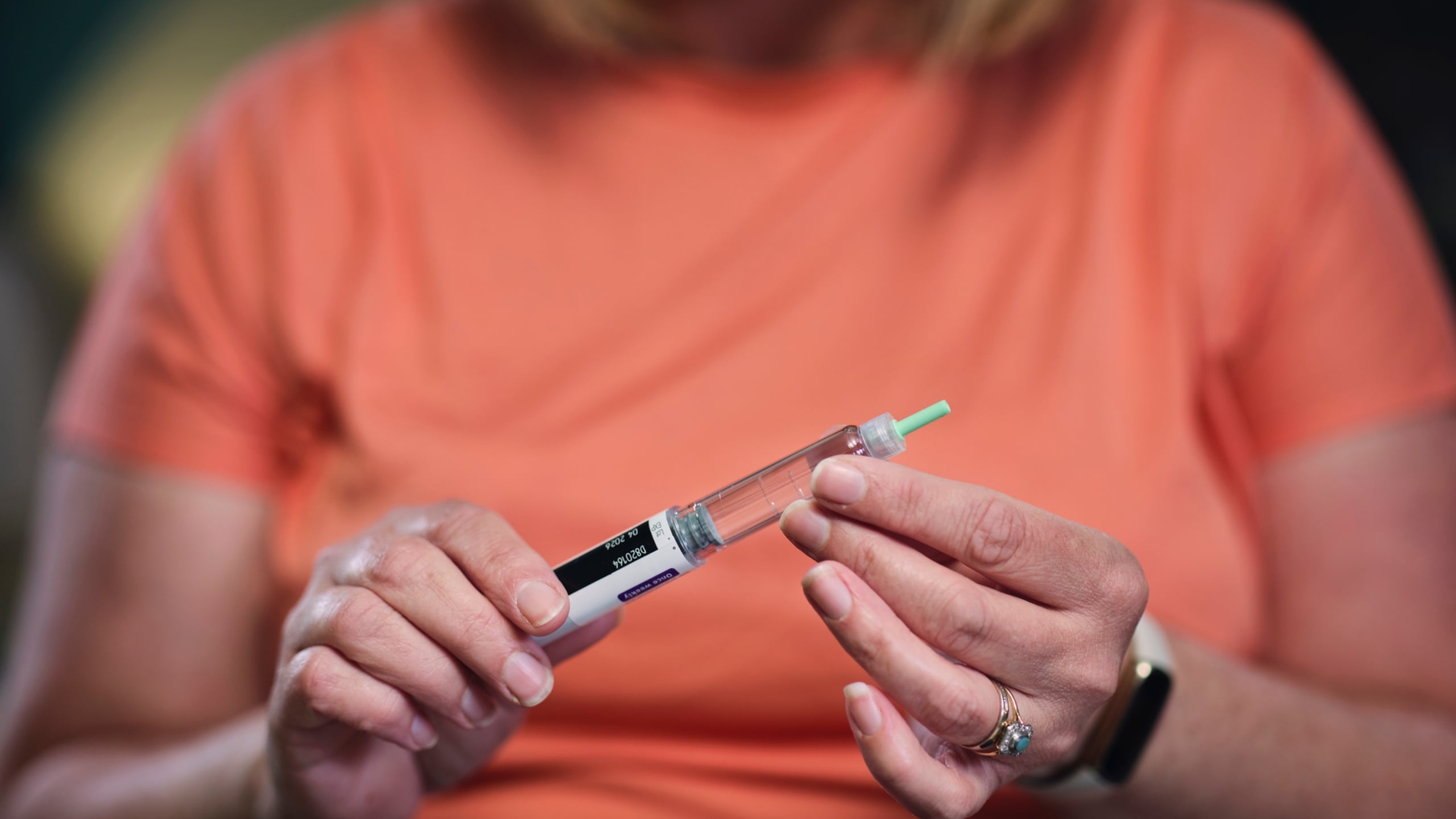
When an anesthetized patient vomits on the operating table, seconds dictate survival. The protective cough reflex vanishes under sedation, allowing stomach acid, bile, and undigested food to flood the airway. A comprehensive clinical investigation highlighted by a recent ScienceAlert Report exposes an alarming hazard for surgical teams: patients taking GLP-1 receptor agonists face an 11-fold higher risk of vomiting and regurgitation under sedation compared to non-users.
The explosive popularity of weekly semaglutide injections has collided directly with modern surgical suites. Millions take these drugs for type 2 diabetes or obesity management, counting on standard midnight fasting to clear their digestive tracts before scheduled procedures. The physiology of the drug tells a different story. By chemically suspending regular digestion, these medications leave gastric contents stranded in the gut for days, setting the stage for catastrophic pulmonary aspiration during routine surgeries.
📌 Key Takeaways:
- The Clinical Risk: Patients on GLP-1 drugs experience an 11-fold increase in anesthesia-induced vomiting and gastric regurgitation.
- The Mechanism: Delayed gastric emptying keeps solid food in the stomach despite strict adherence to standard eight-hour preoperative fasting guidelines.
- Clinical Practice Shift: Anesthesiologists now deploy bedside gastric ultrasound scans and mandate extended medication pauses prior to elective procedures.
How Delayed Digestion Traps Solid Food During Surgery
The human stomach typically clears liquids within two hours and light meals within six. GLP-1 receptor agonists disrupt this mechanical predictability. The drugs mimic human glucagon-like peptide-1, stimulating insulin production while slowing gastric motility to prolong satiety.
Under ordinary circumstances, slowed digestion helps patients consume fewer calories. Inside an operating theater, it creates a silent hazard. Anesthesiologists rely entirely on an empty stomach to prevent regurgitation when inserting an endotracheal tube or inducing twilight sedation. When neuromuscular blocking agents paralyze the patient, the lower esophageal sphincter relaxes.
If the stomach remains full, intra-abdominal pressure forces caustic gastric fluid up through the esophagus and directly into the bronchial tree. The resulting chemical pneumonitis destroys delicate lung tissue, demands immediate mechanical ventilation, and carries significant mortality rates.
Medical teams report cases of patients who followed strict liquid diets for 24 hours prior to surgery, yet regurgitated whole, identifiable food items upon induction. The drug overrides normal circadian digestive transit, rendering standard preparation protocols obsolete.
The Mounting Clinical Evidence Behind the 11-Fold Surge
Data connecting semaglutide to silent gastric retention accumulated rapidly across major hospital networks between 2023 and 2026. What began as anecdotal operating-room warnings gained empirical backing through systematic clinical trials and large-scale retrospective cohort studies.
Researchers evaluating gastric residual volume using point-of-care ultrasound discovered that nearly half of elective surgery patients taking GLP-1 therapies presented with a "full stomach" profile on the monitor. Non-users following the identical fasting protocol presented empty stomachs in more than 95 percent of cases.
| Clinical Parameter | Standard Non-User Patient | GLP-1 Patient (Active Dose) |
|---|---|---|
| Relative Vomiting / Regurgitation Risk | Baseline (1.0x) | 11.0x (11-fold increase) |
| Gastric Residual Volume Retention Rate | Under 5% after standard fast | 30%, 48% with retained solids |
| Postoperative Nausea & Vomiting (PONV) | 15%, 25% incidence | 40%, 60% incidence |
| Preoperative Medication Hold Window | None required | 7, 14 days prior to surgery |
The 11-fold metric caught the attention of safety boards because standard anesthetic algorithms account for modest variances, not order-of-magnitude surges. In surgical settings, an odds ratio above 2.0 sparks policy reviews. An 11.0 multiplier represents an immediate procedural crisis.
Anesthesiology Societies Rewrite the Rules of Preoperative Fasting
Faced with rising reports of pulmonary aspiration, the American Society of Anesthesiologists issued historic practice recommendations that upended traditional scheduling. For decades, the gold standard remained simple: no solids for eight hours, no clear liquids for two hours before sedation.
For patients taking weekly GLP-1 therapies, that historical guideline fails to clear the stomach. Leading medical societies now recommend withholding weekly injectable doses for at least one full week prior to an elective procedure pause. Daily oral formulations, such as daily oral semaglutide, generally require withholding the medication on the morning of surgery.
Surgical centers maintain diverging views on the length of these pauses. Because weekly semaglutide has an elimination half-life of roughly seven days, clearing the drug entirely takes four to five weeks. Withholding medication for an entire month, however, risks severe blood sugar spikes in diabetic patients and rapid weight regain in others.
Hospitals balance this tension by adopting point-of-care gastric ultrasound. Clinicians scan the gastric antrum right before wheeled transport into the operating suite. If the ultrasound confirms fluid or solid debris, the case shifts immediately: the surgical team either cancels the elective procedure or upgrades the airway strategy to rapid sequence induction with endotracheal intubation, avoiding twilight or light conscious sedation entirely.

Community Alarm and the Burden of Last-Minute Cancellations
Inside patient discussion forums and clinical nursing networks, frustration over these protocols has reached a boiling point. Patients routinely report showing up for long-awaited orthopedics, cosmetic operations, or outpatient colonoscopies only to have anesthesiologists cancel the procedure on the spot.
"I fasted for 18 hours, showed up at 6:00 AM, and the anesthesiologist called off my shoulder repair because I took my injection three days prior," shared one patient on a clinical support forum. "Nobody told me the weight-loss shot mattered for an arm surgery."
Miscommunication remains common. Surgeons often tell patients to keep taking all routine medications, while anesthesia teams require an elective procedure pause. Outpatient surgery centers, which operate on narrow schedules and thin profit margins, struggle with the revenue losses of unexpected cancellations.
Surgeons face legal and clinical liabilities if they fail to disclose these risks. A growing volume of malpractice litigation centers on aspiration events during routine outpatient work, pushing hospital systems to create automated electronic health record warnings that alert care teams weeks before an operation.
Managing Blood Sugar Versus Aspiration Risks in Surgical Practice
Halting metabolic drugs introduces distinct physiological risks. Managing a patient requires evaluating two contrasting clinical hazards: aspiration pneumonitis against severe hyperglycemia and ketoacidosis.
For patients taking semaglutide strictly for weight management, the decision is straightforward: withholding the drug for one to two weeks rarely poses immediate metabolic danger. For type 2 diabetic patients, skipping a dose destabilizes glycemic control, increasing the risk of surgical site infections, delayed wound healing, and hospital readmissions.
Endocrinologists and anesthesiologists now collaborate to deploy bridge therapies. If an injectable GLP-1 is paused, patients frequently switch to short-acting basal insulin regimens or monitor capillary blood glucose four times daily in the lead-up to the operating theater.
This dual-risk framework requires shared decision-making. If an emergency procedure cannot wait a week for drug clearance, the patient is treated as an aspiration risk from the outset. Anesthesiologists skip laryngeal mask airways in favor of cuffed endotracheal tubes inserted under rapid sequence induction with cricoid pressure.
Frequently Asked Questions (FAQ)
Q1: Why does fasting overnight fail to empty the stomach for people taking semaglutide?
A1: GLP-1 receptor agonists chemically slow the rate at which the stomach empties into the small intestine. This delayed gastric emptying means that solid food consumed 12 to 24 hours earlier can remain in the stomach, despite following standard overnight fasting directions.
Q2: How long should patients stop taking GLP-1 medications before an elective surgery?
A2: The American Society of Anesthesiologists suggests withholding weekly injectables for one week prior to surgery, while daily oral versions are paused the morning of the procedure. Some facilities require an elective procedure pause of up to two weeks, depending on individual patient health and the type of anesthesia planned.
Q3: Does the 11-fold vomiting risk apply to minor procedures with light sedation?
A3: Yes. Procedures that use "twilight" or deep conscious sedation, such as endoscopies, colonoscopies, and minor cosmetic surgeries, carry high risk. Light sedation suppresses protective airway reflexes without providing a secure, cuffed breathing tube to block regurgitated acid from the lungs.
Q4: What should a patient do if their surgeon and anesthesiologist give conflicting instructions?
A4: Request an immediate joint preoperative consultation. The anesthesia team has final legal and medical authority over airway management in the operating room. Always disclose exact GLP-1 dosages, injection days, and any symptoms of nausea or acid reflux.
Evolving Protocols for the GLP-1 Era
The realization that GLP-1 medications introduce an 11-fold risk of vomiting and regurgitation under sedation marks a decisive shift in modern surgical care. What began as a standard question on preoperative health questionnaires has transformed into an active safety check across every clinical discipline.
As tens of millions remain on long-term metabolic therapies, the boundary between outpatient elective work and high-risk airway management will continue to blur. Preoperative ultrasound assessments, personalized medication pause windows, and closer communication between surgeons and anesthesiologists have moved from optional precautions to standard requirements. Preventing aspiration in modern surgical wards starts well before patients enter the operating room, it begins weeks earlier with honest conversations about their weekly injection.


