Visual Breakdown: Real Spots vs Rosettes in Modern Animal Print Fashion
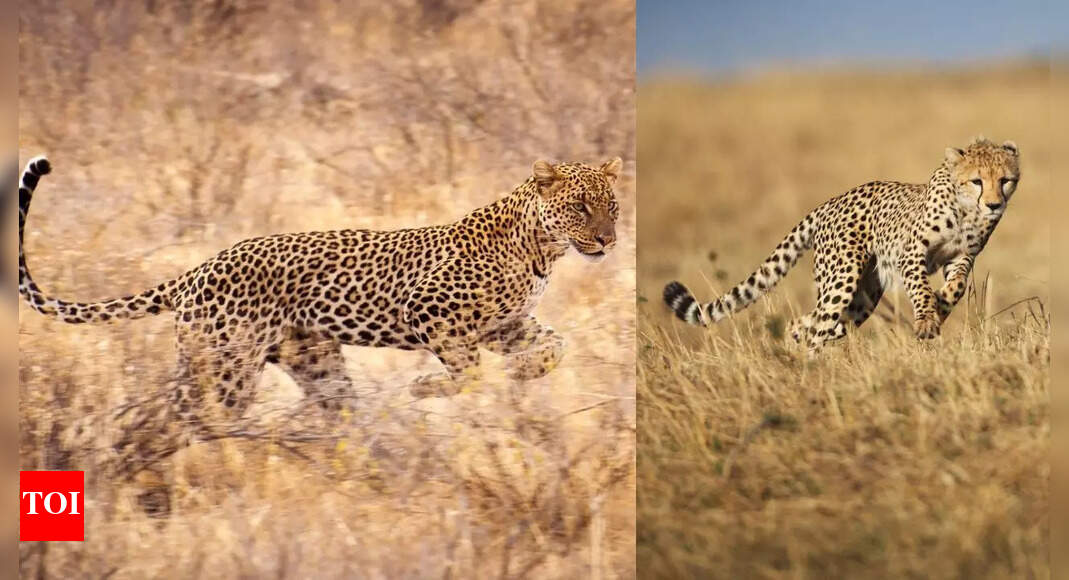
Walk down any metropolitan shopping corridor or scan recent athlete tunnel arrivals, and the pattern is unmistakable: wild cat markings are dominating outerwear, footwear, and leather goods. Yet the fashion industry suffers from a persistent case of mistaken identity. Designers, retail copywriters, and style influencers routinely label dense clusters of open rosettes as cheetah, or sell solid dotted textiles as leopard. As field biologists detailed in an Indiatimes Report analyzing big cat identification, the evolutionary divide between these predators is etched directly into their fur markings. Translating that wildlife reality into your wardrobe requires an eye for detail.
The confusion runs deeper than lazy naming conventions. Selecting between leopard rosettes and cheetah spots changes the scale, visual weight, and contrast of an outfit. A tight, graphic dot pattern delivers a sleek, mid-century graphic punch, while an irregular, tonal rosette introduces organic texture and warmth. Understanding pattern recognition is essential for curating these iconic prints with precision.
📌 Key Takeaways:
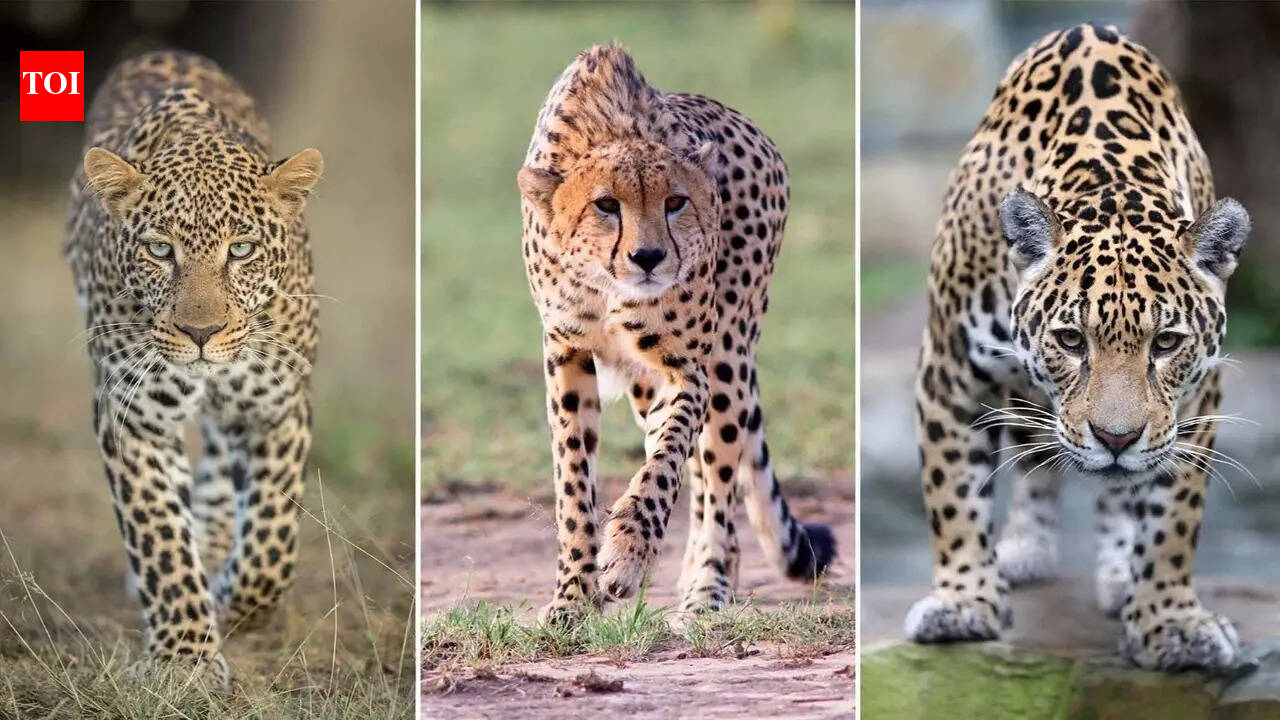
- Pattern Distinction: Leopards carry hollow, irregular rosettes resembling jagged circles, whereas cheetahs display crisp, solid black spots distributed evenly across an unshaded tan coat.
- The Third Player: Jaguar prints are often conflated with both, but stand apart with larger, boxier rosettes enclosing smaller dark spots within their centers.
- Wardrobe Function: Cheetah dots operate as crisp geometric neutrals suitable for minimalist tailoring, while leopard rosettes create rich, multidimensional visual depth for outerwear and leather accessories.
The Biology Behind the Coat: Rosettes Versus Solid Spots
The visual difference starts on the African savanna. A leopard (*Panthera pardus*) is a heavy-set ambush hunter built to hoist prey up acacia branches. Its coat pattern serves as fractured camouflage against dappled woodland light. Instead of solid dots, the leopard sports rosettes: circular or horseshoe-shaped clusters of dark brown or black rings encircling a center that is slightly darker than the base coat. No two rosettes match. The edges remain rough, mimic shadow gradients, and cluster closer together along the spine.
Cheetahs (*Acinonyx jubatus*) hunt across wide-open grasslands using explosive speed. Camouflage for a cheetah relies on flat, uniform disruption. Their fur markings consist of distinct, solid spots varying from 0.75 to 1.25 inches in diameter. These round, pitch-black dots are spread uniformly across a warm, tawny background without any gradient shading in the middle. Beyond the body, a cheetah's most defining visual marker is the facial tear track: two sharp black stripes running from the inner corners of the eyes straight down to the mouth, cutting glare under midday sun.
Textile mills frequently merge these two distinct evolutions into a muddy hybrid. If a garment features hollow circles, it is leopard. If it features individual, solid dots that look like ink droplets stamped across fabric, it is cheetah.
Bringing the Jaguar into Focus: The Third Contender
A third predator frequently enters the garment mix without proper credit: the jaguar (*Panthera onca*). Indigenous to the Americas, jaguars are stockier, apex river predators whose coat patterns evolved to disappear in dense rainforest foliage.
Jaguar rosettes are substantially larger than leopard markings. Crucially, jaguar rosettes enclose distinct miniature spots inside their center rings. When a textile pattern showcases sprawling, geometric rings enclosing one or two dark dots against an amber background, the fabric is technically jaguar print. High-end Italian fashion houses frequently employ jaguar motifs on heavy silk scarves and jacquard outerwear because the larger scale provides commanding drape across expansive silhouettes.
When mass-market apparel labels market these sprawling, dotted clusters as "cheetah," they miss the mark entirely. Cheetah spots never encircle an inner dot; they remain fiercely, unmistakably singular.
Field Guide to Wild Cat Markings on the Runway
To decode garments quickly on the rack or in editorial photography, use this quick biological and textile breakdown:
| Species Motif | Marking Structure | Color Profile | Optimal Textile Application |
|---|---|---|---|
| Leopard | Hollow rosettes, broken rings, horseshoe clusters | Tri-tone: light tan base, dark brown centers, black halos | Heavy wool coats, trench linings, textured faux-fur outerwear |
| Cheetah | Crisp, isolated solid spots, uniform round geometry | Two-tone: stark black spots against clear sand/gold | Silk slip dresses, tailored shirts, athletic footwear |
| Jaguar | Large polygonal rosettes with interior black dots | Deep amber ground, wide black borders, centered spots | Floor-length evening wear, jacquard suiting, leather accessories |
NBA Tunnel Fits and Red Carpet Footwear: How Celebrities Wear the Pattern
Professional athlete arrivals have turned arena tunnels into high-stakes fashion runways. Here, animal prints serve as deliberate focal points against monochromatic tailoring. When NBA stars and global musicians step off team coaches, the choice between leopard and cheetah sets two completely different tones.
Leopard rosettes command attention through dimensional texture. During recent winter arena arrivals, oversized shearling bombers and brushed mohair cardigans leaning heavily into jagged leopard rosettes have become staple items. The tri-tone color profile allows players to anchor the rest of an outfit around earthy charcoal, washed black denim, or off-white canvas without competing against the jacket. It reads rugged and substantial.
Cheetah print takes the opposite route, shining primarily in performance footwear and sharp shirting. Retro running silhouettes and low-profile skate shoes frequently incorporate dense, solid cheetah spotting across pony-hair uppers. Paired with wide-leg relaxed trousers, cheetah-printed sneakers act as an updated graphic neutral. Because the spots are solid and non-gradient, they pair cleanly with sharp tailoring without the visual clutter that poorly rendered rosettes can create.
Why Fast Fashion Labels Keep Getting the Taxonomy Wrong
If the biological differences between solid dots and hollow rosettes are plain to see, why does retail e-commerce perpetually mix them up? The answer lies in digital search volume, pattern licensing, and printing shortcuts.
Search algorithms heavily favor broad phrasing. Consumer query data consistently reveals that shoppers search for "cheetah print shoes" when they actually envision the classic leopard print popularized by mid-century couture houses like Christian Dior. Rather than educating the shopper, digital merchandisers slap both tags across product pages to capture maximum organic search traffic. A shopper searching for cheetah is funnelled straight into an inventory of leopard rosettes.
Screen-printing costs also muddy the waters. A true leopard rosette requires multi-screen printing or high-resolution digital textile sublimation to capture the subtle color gradient between the tan base, darker center, and black outer ring. Solid cheetah spots require only a single run of black ink over a flat base fabric. Budget manufacturers often print simplified, hollow rings using a single ink pass. The result is an ambiguous, low-fidelity pattern that fits neither biological definition.
Styling Rules: From Statement Outerwear to Accent Footwear
Wearing animal print successfully comes down to treating these patterns as grounding neutrals rather than novelty accents. Both prints carry high visual energy, requiring restraint in surrounding pieces.
When selecting leopard print, focus on tactile materials. A leopard pattern works best when printed on textiles with surface depth, such as calf hair, boiled wool, heavy canvas, or brushed cashmere. The varied tones in a rosette allow the piece to blend naturally with camel overcoats, raw selvedge denim, and burnished leather accessories styling. Avoid synthetic satin finishes with high sheen; the reflective surface flattens the rosette gradient and makes the print appear cheap.
For cheetah print, lean directly into crisp contrast. Because cheetah marks are discrete, solid dots, the pattern functions best on flat, sharp fabrics like poplin, crisp silk twill, or structured leather goods. A cheetah-spotted shoulder bag or leather belt adds geometric contrast to an all-black tailored suit. Keep surrounding accessories minimal, letting the clean architecture of the solid dots anchor the silhouette.
Frequently Asked Questions (FAQ)
Q1: Is leopard or cheetah print considered more classic in fashion history?
A1: Leopard print holds the deeper pedigree in modern fashion history. Pioneered on high-fashion runways by Christian Dior in his 1947 "New Look" collection, the rosette pattern established itself as a glamorous wardrobe pillar decades before cheetah motifs gained widespread commercial traction.
Q2: Can I combine leopard and cheetah prints in a single outfit?
A2: Mixing both prints in one look is difficult to balance. Because leopard rosettes feature tonal gradients while cheetah spots are stark and graphic, wearing them together creates competing visual noise. Choose one cat pattern as the dominant focal point and complement it with solid, unprinted garments.
Q3: How do I tell if vintage animal-print footwear is cheetah or leopard?
A3: Inspect the individual spots closely. If the marks are solid, uniformly dark spots without hollow centers, the shoes feature cheetah print. If the marks are clustered rings, open horseshoes, or two-tone circles, the pattern is leopard.
Mastering the Spotted Wardrobe
Wild cat markings are not fading from modern style. They cycle through fashion revivals every few seasons because their primal contrast cuts through sterile streetwear trends and minimal aesthetics alike. Recognizing the physical boundary between a solitary cheetah spot and an asymmetrical leopard rosette sharpens how you evaluate garments. You move past generic marketing descriptions and assess garments based on authentic pattern architecture, scale, and fabric quality.
When curating your wardrobe, let structure guide your choice. Choose cheetah print when an outfit demands graphic precision and minimalist contrast. Reserve leopard rosettes for layered textures, structured tailoring, and rich accessories that demand depth. Knowing the difference ensures your style remains deliberate, disciplined, and classic.


