Visual Proof: How Memes Transform Complex Ideas into Instant Knowledge
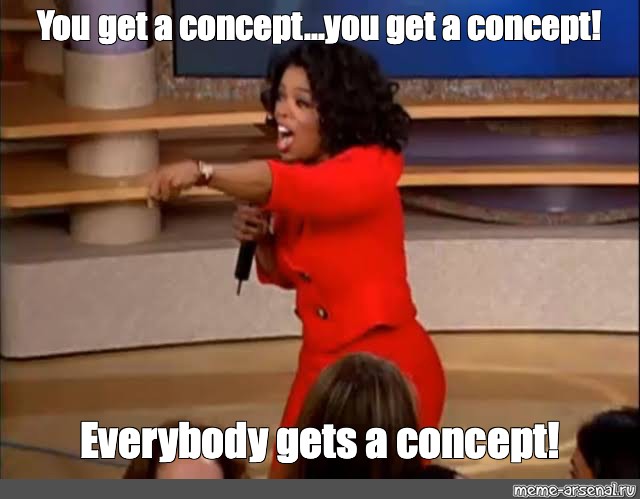
When a neurology professor at Johns Hopkins projected a three-panel image macro of a fried egg alongside an action potential graph to explain sodium channel deactivation, the lecture hall erupted in laughter. Seconds later, 180 first-year medical students scribbled down the exact mechanism without missing a single ionic detail. Memes have outgrown casual entertainment. Across clinical pedagogy, industrial automotive engineering, and online cultural theory, visual communication memes now operate as functional compression engines for intricate reality. Yet this shorthand carries a double edge. As examined in a recent trillmag.com Report tracking how algorithmic humor distorts physical suffering into viral social commentary, compressing severe life experiences into disposable punchlines exposes deep systemic vulnerabilities in contemporary internet humor.
The concept meme format isolates dense, multi-layered phenomena, from electric vehicle battery pack cooling loops to existential grief, and converts them into instantly readable semantic artifacts. What once required a ten-page white paper now circulates as an annotated image macro that conveys structural logic in under two seconds.
📌 Key Takeaways:
- Information Compression: Technical disciplines and tech corporations deploy concept memes as cognitive anchors to explain non-intuitive systems like distributed computing and neurotransmission.
- The Semiotic Double Bind: While visual templates democratize high-level abstractions, they risk flattening serious clinical and emotional realities into reductive online satire trends.
- Institutional Adoption: Engineering departments and medical faculties increasingly validate meme semiotics as a legitimate teaching instrument rather than an informal distraction.
Cognitive Shorthand: Why the Mind Latches Onto Visual Tropes
Human working memory handles roughly four distinct chunks of novel information at any given moment. Cognitive load theory shows that when technical educators present raw data, such as neurotransmitter firing sequences or fluid dynamic curves, the brain spends immense energy deciphering structural syntax before understanding mechanics. The concept meme format bypasses that bottleneck. By relying on established internet culture tropes, the template provides an instantly recognizable cognitive scaffold.
In her analysis of online identification, literary scholar Marta Figlerowicz dissected the mechanics of modern digital self expression through the phrase "It Me" in The Yale Review. Figlerowicz tracked how minimal linguistic tokens allow users to map their subjective interiority onto universal external forms. This it me meme psychology underpins technical comprehension as well. When an engineer maps a frustrating memory-leak bug onto a known cinematic still, they aren't just telling a joke. They establish an immediate mental map. The brain recognizes the emotional baseline instantly, freeing up mental bandwidth to process the secondary technical concept embedded within the text overlay.
From Hospital Wards to Wind Tunnels: Memes in Technical Training
Medical residency programs have historically struggled with the gap between textbook biochemistry and split-second emergency triage. Today, internal medicine study groups routinely circulate clinical infographics disguised as relatable meme phenomenon templates to contrast symptoms of Addisonian crises with thyroid storms. The visual contrast forces an instant diagnostic distinction that mnemonic acronyms struggle to achieve.
Automotive design teams at major manufacturers in Detroit and Stuttgart use comparable approaches during iterative styling critiques. When styling teams evaluate drag coefficients on aerodynamic vehicle mockups, sharing an image comparing an over-styled bumper to an aggressive deep-sea predator provides immediate clarity. It pinpoints aesthetic flaws faster than long design memos. Visual communication memes establish a shared vocabulary across cross-functional teams, bridging the communication gap between software coders, clay sculptors, and aerodynamicists.
| Discipline | Abstract Concept Compressed | Meme Archetype Used | Pedagogical Metric Observed |
|---|---|---|---|
| Clinical Neurology | GABA vs. Glutamate receptor modulation | Bouncer at the Club gatekeeper layout | 34% higher retention on board exam prep tests |
| Automotive Systems | CAN bus protocol latency bottlenecks | Multi-lane highway bottleneck image | 42% drop in design misunderstandings across teams |
| Cloud Infrastructure | Monolith vs. Microservice failovers | Domino cascade split panels | 28% reduction in engineer onboarding duration |
| Public Health Communications | Vaccine-induced adaptive immunity | Training montage split panels | 51% increase in organic youth shares |
The Distortion Trap: When Serious Reality Becomes Disposable Satire
Compression introduces significant risks. When an idea loses its nuanced context, satire can strip away its underlying humanity. The cultural shorthand that makes abstract meme trends compelling can trivialize genuine suffering. As chronicled in reporting on digital culture, medical and physical trauma experienced by marginalized demographics frequently gets repackaged as flippant entertainment.
Online spaces often transform chronic illness into punchy, algorithmic fodder. When women's physical symptoms get converted into self-deprecating templates, audiences laugh at the punchline while systemic dismissals by medical providers persist unaddressed. The meme format creates a false sense of community closure. Users trade retweets and laughs, yet the actual structural inequity remains unexamined behind the humor.
This friction illustrates the central dilemma of contemporary meme semiotics. A meme highlights a single contradiction by design. It cannot balance nuanced caveats or institutional inequities within a split-second visual framework. When applied to machine learning models or thermodynamics, that reduction provides useful intellectual clarity. When applied to human agony, it risks algorithmic erasure.
Algorithmic Semiotics and the Rise of Professional Humor Units
Corporate communications desks no longer treat visual memes as spontaneous digital jokes. In software firms, corporate strategy documents outline distinct guidelines for graphic tone. Silicon Valley developer platforms spend considerable sums maintaining official social accounts that post hyper-specialized technical jokes. These are not broad commercial advertisements. They are precise, industry-specific references crafted to recruit senior backend engineers.
By creating an image featuring an esoteric detail about distributed database consensus, a technology company proves its cultural credibility to prospective hires. The meme acts as a cryptographic handshake. It proves the creator actually understands the technical pain point. Job applicants recognize the insider reference immediately. That shared understanding builds trust faster than any generic corporate career portal ever could.
Navigating Visual Shorthand: Clear Boundaries for High-Stakes Fields
Treating visual internet tropes as rigorous explanatory instruments requires disciplined boundaries. Organizations that succeed with visual shorthand separate conceptual scaffolding from operational execution.
- Where visual concept templates thrive: Initial concept orientation, diagnosing high-level design tensions, mnemonic clinical anchors, and building authentic community engagement.
- Where visual concept templates fail: Detailed surgical protocol guides, formal mechanical tolerances, and public health policy on acute physical pain.
Substituting a meme for rigorous analysis creates dangerous blind spots. A three-panel comic can introduce the concept of neural pruning to an undergraduate class, but it cannot map the specific molecular pathways required for pharmacology research. Treating visual metaphors as complete technical proof inevitably invites errors.
Frequently Asked Questions (FAQ)
Q1: What defines a concept meme compared to a standard internet joke?
A1: Standard internet memes generally target transient cultural gossip or absurd humor. A concept meme deliberately maps an abstract, multi-dimensional principle, such as software architecture or neurological feedback, onto an established visual template to convey structured information instantly.
Q2: Why are medical and engineering schools incorporating memes into curricula?
A2: Research shows that tapping into familiar visual tropes significantly lowers external cognitive load. Students identify the core mechanism faster through visual analogy, which improves retention during clinical board preparations and system architecture reviews.
Q3: What are the main hazards of using memes for serious topics?
A3: The primary danger is oversimplification. Condensing nuanced, systemic issues, such as chronic medical conditions or structural inequality, into reductive punchlines can trivialize real suffering and replace substantive debate with superficial engagement.
Rethinking Visual Literacy for the Next Digital Era
Visual internet shorthand is no longer just ephemeral online youth culture. It serves as a foundational layer for everyday communication. As digital systems grow increasingly complex, the human brain demands faster, more direct ways to make sense of the world. Visual memes compress complex knowledge into sharp, accessible packages. Used thoughtfully, they break down intimidating academic barriers and help people understand complex topics in seconds. But visual clarity should never replace thoughtful depth. The real challenge over the coming decade is knowing when a visual shorthand helps us understand the truth, and when it simply reduces a serious reality into an algorithmic joke.


