What Does Collab Mean on Instagram? How Shared Feeds and Tagging Really Work
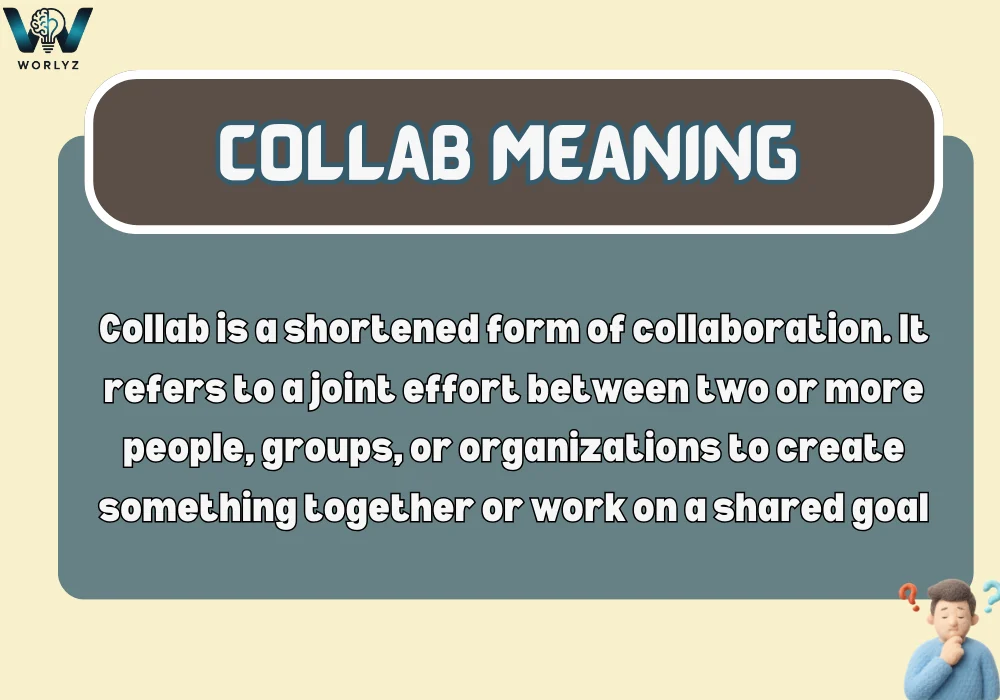
In digital vernacular, "collab" originated as casual shorthand for creative collaboration. Inside social platforms, however, the term has crystallized into a distinct product architecture. When creators, media outlets, or brands talk about a collab in 2026, they are rarely describing a casual shoutout or a split-screen video; they are referring to co-authored distribution. Instagram's Collab feature directly binds two or more independent accounts to a single asset, placing identical media on multiple profile grids and merging their algorithmic footprints into a unified distribution stream.
The operational mechanics behind this feature carry major implications for reach, audience overlap, and brand safety. As documented in a recent Shopify Report tracking multi-author commerce trends, co-publishing has moved from a creative novelty to a foundational distribution tactic across the creator economy. Understanding how this infrastructure behaves, and what accepting an invitation actually does to an account's feed, is now essential knowledge for anyone managing a public profile.
📌 Key Takeaways:
- The Structural Definition: A collab post is a single piece of content co-authored by an original publisher and up to five invited collaborators, displaying all handles in the post header.
- Unified Engagement Mechanics: Likes, comments, shares, and plays pool into one shared ledger, broadcasting directly to the native feeds of each collaborator's follower base.
- Asymmetric Control: The primary author retains administrative ownership. If the creator deletes, archives, or gets penalized by platform algorithms, the post disappears from all linked profiles simultaneously.
From Slang to Platform Architecture
Musicians have long recorded collaborative tracks, and streetwear labels built multi-billion-dollar businesses on limited-run joint drops. Social media spent over a decade attempting to replicate that creative friction through blunt tools: manual user tags, caption mentions, and reposts. None of those early mechanisms solved the fundamental fragmentation problem. If a photographer and an athlete published the same image, their respective audiences interacted with separate comment sections, fragmented engagement signals, and diluted algorithmic weight.
Meta reworked that dynamic by introducing native co-authoring. Instead of prompting duplicate uploads, the platform created a unified asset system. A modern Instagram Collab allows the originating user to invite partner accounts before the content goes live. Once accepted, the system displays both usernames side by side in the post header. The content simultaneously populates the main feed of both sets of followers, anchoring itself directly onto each participant's permanent profile grid.
What Happens When You Accept a Collab Request
Accepting a collaboration request triggers an immediate sequence of architectural adjustments on an account. The post does not mirror or re-upload; it surfaces natively as if both parties authored it from a shared terminal. For users unfamiliar with the backend behavior, the immediate visibility shifts can feel abrupt.
The post appears directly inside the follower feeds of both accounts. If Creator A posts a joint Reel with Creator B, Creator B's audience sees the video alongside their standard algorithmic feed items, marked clearly with both profile icons. More importantly, engagement consolidation occurs in real time. Every view, double-tap, and comment logged by Creator A's followers updates the metrics visible to Creator B's community.
This synchronization extends to direct message shares and audio links. When viewers share the piece of media via direct message, the preview routes back to the shared asset. If the post is a Reel, all playback metrics register under a combined total, giving both accounts elevated social proof that would have taken twice as long to accumulate independently.
Tagging Versus Collaborating: The Structural Differences
Users frequently conflate tagging someone in an image with inviting them as a collaborator. While both actions link an external handle to an asset, their distribution models diverge completely. Standard tagging functions as a directional reference, while a collaboration functions as a syndication contract.
| Distribution Property | Standard User Tagging | Instagram Collab Feature |
|---|---|---|
| Feed Placement | Appears only in tagged user's auxiliary "Tagged" tab. | Appears natively on main profile grid and follower home feeds. |
| Header Attribution | Shows only the original uploader's handle. | Displays both accounts (e.g., "Account A and Account B"). |
| Engagement Pooling | None. All likes and comments remain tied solely to the publisher. | Total likes, view counts, and discussion threads are unified. |
| Audience Notification | Quiet inbox notification to the tagged account only. | Full push notification requiring explicit acceptance to publish. |
| Analytics Access | Restricted exclusively to the primary account. | Detailed performance insights available to both accounts. |
When an account is merely tagged, its followers receive zero indication that the content exists unless they deliberately navigate to the creator's secondary tagged tab. The collab post eliminates that friction entirely. By treating both accounts as equal co-authors at the interface level, it forces the algorithmic feed to treat both audience graphs as primary targets.
The Creator Economy Math: Shared Analytics and Algorithmic Lift
The mathematical advantage of co-authoring sits inside algorithmic distribution curves. Recommendation engines assess early velocity: how quickly an asset gathers saves, shares, and watch time within the opening 60 minutes of release. Individual accounts often battle organic reach throttling, especially when their audience is small or inactive.
Pooling two distinct audience clusters changes the initial velocity formula. When a boutique athletic brand pairs with an endurance runner, their combined follower pool experiences an immediate concentration of engagement. Industry measurements published by practitioner benchmarks show that joint Reels frequently secure a 30%, 50% lift in median reach over isolated solo uploads. The platform's discovery algorithms interpret the rapid, multi-graph engagement as an indicator of broader appeal, triggering recommendations across the Explore page and dedicated Reels feeds.
For corporate sponsorships, co-branding through the Collab feature reduces analytical ambiguity. Instead of waiting for third-party screenshot verification or navigating disparate affiliate dashboards, both marketing teams monitor identical performance dashboards. Organic reach, profile visits, accounts engaged, and completion rates are mirrored directly within their respective professional dashboards.
Asymmetric Control and Editorial Hazards
While the benefits of shared reach are significant, the underlying software architecture creates clear imbalances in control. A collab post is not an equity-based asset; it remains tied directly to the original uploader's account permissions. The invited collaborator is a co-author, not a joint administrator.
If the primary creator decides to archive or permanently delete the post, it instantly vanishes from the collaborator's profile grid and analytics history without prior warning. Similarly, if the originating account suffers an algorithmic penalty, policy strike, or outright suspension, the shared post can be hidden or downgraded across both follower networks. Collaborators lack the administrative power to preserve the post independently if the authoring account severs the connection.
There is also the matter of commercial compliance. Digital advertising regulators, including the U.S. Federal Trade Commission, enforce explicit sponsorship disclosures regardless of the publishing mechanics. Utilizing a Collab header does not satisfy statutory requirements for paid promotions. Brands and influencers must still configure the dedicated Paid Partnership badge or incorporate clear disclosures like #ad directly in the opening lines of the caption. Relying solely on a dual-handle header leaves both parties vulnerable to regulatory warnings.
Frequently Asked Questions (FAQ)
Can you add a collaborator to an Instagram post after it is published?
No. As of current platform rules, collaboration invites must be dispatched during the creation workflow before final publication. If an asset goes live without an invitation, the author must archive or delete the post and upload it again to enable the co-authoring feature.
What happens if someone invites you to a collab without permission?
Unsolicited collaboration invites land in your direct message inbox or notifications as pending requests. Content will never appear on your profile grid or in your followers' feeds unless you tap "Review" and explicitly select "Accept." Declining the invitation leaves the content on the original uploader's feed as a solo post without your handle.
How many collaborators can be added to a single post?
Instagram currently permits up to five accounts to share authorship on a single post or Reel. This capability allows small collectives, event organizers, and multi-sponsor brand campaigns to distribute one unified asset across several feeds simultaneously.
Can a collaborator remove themselves after accepting?
Yes. If an account wishes to disassociate from a shared post later, the user can tap the three dots on the top right of the post, select "Stop Sharing," and remove their handle. The media will immediately disappear from their profile grid, though it will remain active on the primary author's feed.
Navigating Co-Author Publishing in 2026
The ubiquity of the Collab post highlights a broader shift in digital publishing: distribution networks are moving away from isolated individual profiles toward shared creative nodes. For creators, the feature provides a dependable method to cross-pollinate audiences without spending ad budgets. For commercial enterprises, it removes the friction of manual reposting while centralizing campaign metrics under a single data umbrella.
Using the tool effectively requires treating collaboration as an operational agreement rather than a casual social interaction. Verifying brand values, clarifying content longevity expectations, and ensuring regulatory compliance before accepting an invite remain critical steps. When applied deliberately, co-authoring remains one of the sharpest mechanisms available for cutting through crowded feeds and expanding organic reach.


