What Parents Need to Know About the 'Cat in the Hat' Prank Trend Targeting Teens
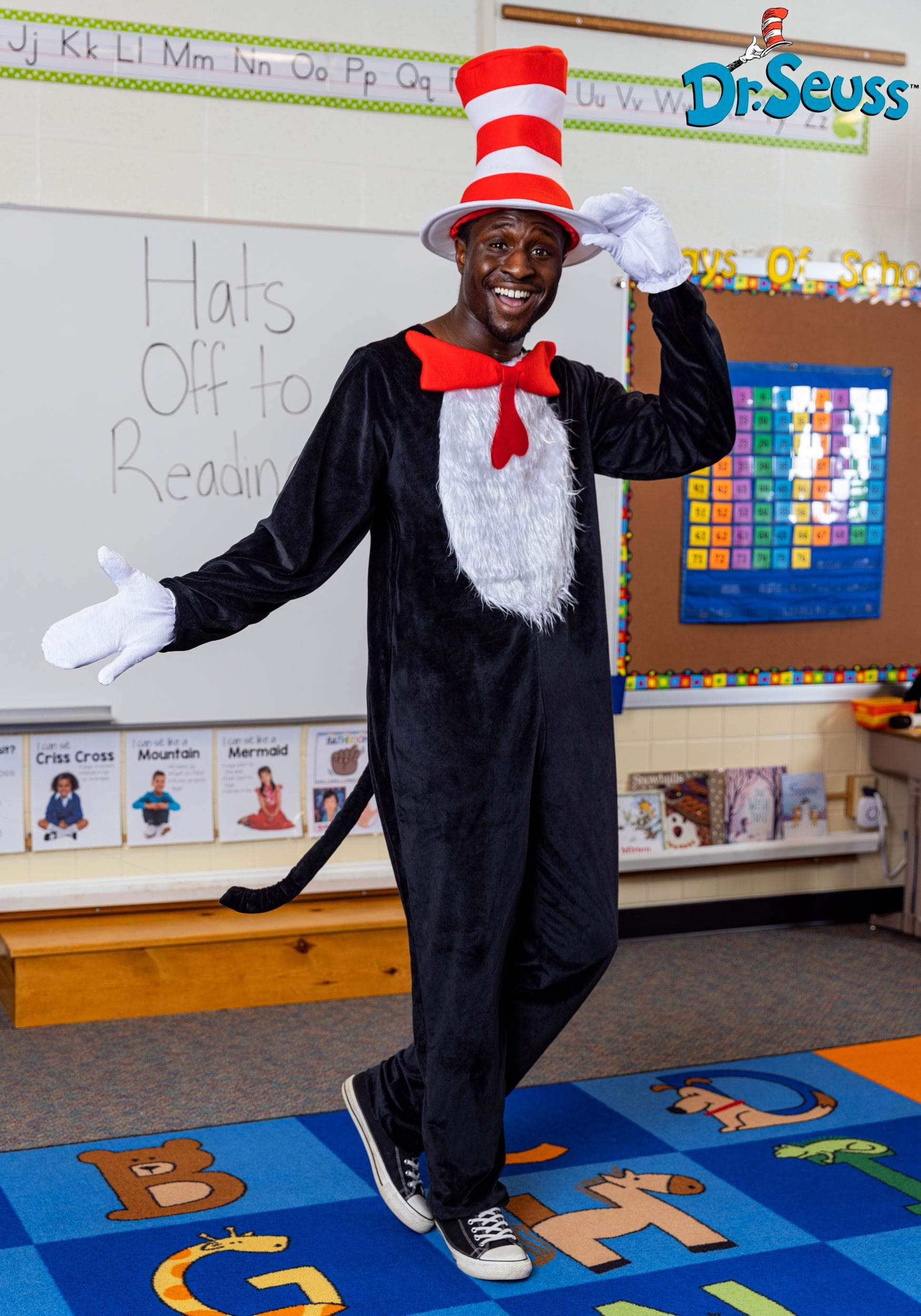
Districts across the United States are confronting a bizarre wave of synthetic media and hallway intimidation that turns a familiar childhood icon into a vehicle for digital harassment. In mid-September 2026, public safety departments and school boards sounded alarms after anonymous accounts began circulating videos featuring individuals in an oversized Dr. Seuss character costume paired with synthetic audio. What began in late August as an absurd internet meme quickly morphed into an unsettling TikTok challenge that targets individual middle and high school students with doxxing, automated voice clones, and defamatory claims.
The fallout moved swiftly from smartphone screens to administrative offices. As documented by an EdSource Report, school leaders in California's Lodi Unified School District issued urgent notices to families detailing malicious social media videos that singled out minors. Similar alerts surfaced nationwide, from Phoenix to the North Shore of Massachusetts, prompting police advisories, emergency assemblies, and calls for heightened cyberbullying awareness.
📌 Key Takeaways:
- The Phenomenon: An unsettling online trend pairs physical footage of individuals wearing a Cat in the Hat costume with generative AI voice clones to recite real students' names, addresses, and fabricated rumors.
- Institutional Warnings: School districts in California, Arizona, and Massachusetts, alongside municipal police departments, have issued formal safety bulletins treating these clips as targeted harassment rather than harmless comedy.
- Parent Action Items: Law enforcement advises parents not to re-share the clips, to document original posts immediately via screen capture, and to report incidents directly to school resource officers and local detectives.
From Absurd Hallway Meme to Targeted Harassment
The initial iteration of the trend appeared harmless. During the opening weeks of the 2026 school year, short-form clips showed teens running through suburban parks, strip malls, and school corridors wearing a low-budget cat in the hat costume, complete with the tall red-and-white striped stovepipe hat, white gloves, and a floppy red bow tie. Set to distorted audio tracks or surreal soundbites, these early uploads were designed purely for shock value and algorithmic reach.
Within days, the tone shifted. Anonymous accounts began pairing the physical costume clips with generative AI voice synthesis. Instead of generic slapstick humor, creators fed personal data into text-to-speech engines that mimicked rhyming cadence. The videos began calling out specific teens by name, listing their class schedules, home addresses, phone numbers, and defamatory personal accusations. The contrast between the familiar storybook persona and targeted malice turned the uploads into a powerful vehicle for intimidation.
By the second week of September, the trend had crossed the Atlantic into the United Kingdom while spreading across multiple US states. What began as a scattered visual joke transformed into a coordinated medium for peer-to-peer bullying, leaving school administrators scrambling to trace the identities behind anonymous burner accounts.
How the AI Video Pipeline Weaponized a Children's Classic
Understanding why this trend spread so rapidly requires examining the low barrier to entry for synthetic media tools. A creator no longer needs sophisticated video editing skills to execute a smear campaign. Free mobile applications and open-access voice cloning platforms allow anyone to generate custom audio in seconds.
Most of the offending clips follow a distinct structural formula:
- Visual Staging: The video opens with jerky, smartphone-captured footage of a student or actor wearing a Dr. Seuss character costume, often filmed outside a specific middle or high school campus to establish immediate local context.
- AI Voiceover Synthesis: The creator enters a defamatory script into an automated voice platform. The software generates a narration that mimics the whimsical, sing-song meter of children's verse, masking the creator's real voice.
- Audience Amplification: The finished video is uploaded to TikTok or Instagram Reels, tagging the target school, sports teams, and local community hashtags to ensure maximum distribution among the victim's peer group.
Because the footage relies on masks and stock costume elements, identifying the physical videographer or actor on campus presents serious hurdles for campus supervisors. The anonymity afforded by the disguise emboldens students to push pranks past the threshold of criminal harassment.
School Districts and Law Enforcement Step In
The shift from nuisance to threat triggered rapid intervention from school districts and municipal police departments across several regions in mid-September 2026.
| Jurisdiction / School District | Date Reported | Official Action Taken | Primary Focus of Concern |
|---|---|---|---|
| Phoenix Metro Area, AZ | September 9, 2026 | Municipal police advisory issued; school liaison patrols increased | Trespassing in costume; classroom disruptions |
| North Shore Region, MA | September 14, 2026 | Parent alerts distributed; community forums launched | Defamatory claims; targeted student cyberbullying |
| National Warning, UK | September 14, 2026 | National online safety advisories issued to headteachers | Unsettling audio tracks; algorithmic amplification among minors |
| Lodi Unified School District, CA | September 17, 2026 | Formal district-wide warning to parents; coordinated probe with local police | Malicious synthetic video files targeting individual students |
In Arizona, local law enforcement intervened when masked individuals entered school property to record social media clips, prompting warnings regarding criminal trespass and disorderly conduct. In Massachusetts, North Shore parent concerns centered on the emotional toll exacted on targeted teens. Parents reported that children suffered panic attacks after waking up to hundreds of notifications pointing to videos reciting their private phone numbers alongside derogatory slurs.
When Lodi Unified School District notified families, officials made it clear that students producing or distributing these videos would face consequences reaching far beyond standard detention. School administrators warned that state cyberbullying statutes, suspension protocols, and law enforcement referrals apply even if the content is generated off-campus on personal devices.
Legal Boundaries Between Satirical Pranks and Cyber Harassment
Many adolescents view anonymous online pranking as a consequence-free game. The intersection of generative AI, masked disguises, and personal attacks introduces serious legal exposure.
The widespread defense that "it was just an AI joke" carries zero weight under current educational codes and state laws. When a video incorporates a student's home address, unverified personal allegations, or unauthorized likenesses, the conduct frequently crosses statutory lines:
- Criminal Doxxing and Stalking: Publishing an individual's private residential details, contact numbers, or daily routines to encourage harassment satisfies statutory thresholds for electronic harassment and misdemeanor stalking in most US jurisdictions.
- Fabricating unlawful acts, sexual misconduct, or drug use, even delivered in a nursery-rhyme cadence, constitutes defamation per se. While civil lawsuits against minors are rare, parents can be held financially responsible for damages.
- Off-Campus Disciplinary Authority: Landmark rulings permit school administrators to discipline students for off-campus digital activity if that speech causes a substantial disruption to the school environment or infringes upon the safety rights of fellow students.
Police departments issuing alerts in September emphasized that anonymity on social platforms is temporary. Subpoenas served to social media hosting providers and internet service providers routinely yield the registration emails, phone numbers, and IP addresses of burner accounts within days.
Actionable Safety Steps for Families and Educators
Confronting this wave of synthetic media pranking requires a systematic response from parents and school staff. Emotional overreactions can inadvertently amplify the reach of the offending content, while inaction leaves targeted students isolated.
1. Preserve the Digital Chain of Evidence
If your student is targeted in a clip, do not immediately report the video for platform deletion. First, secure undeniable documentation:
- Record the screen using a secondary device or built-in capture tools, ensuring the platform interface, username, upload timestamp, and audio are completely preserved.
- Copy the full URL of the original post and the creator’s profile page.
- Screenshot the comments section to document who is actively sharing or compounding the harassment.
2. Engage the School Resource Officer Directly
Deliver the gathered documentation directly to building administrators and the designated School Resource Officer (SRO). School districts maintain direct liaisons with municipal cybercrime divisions, enabling them to expedite platform preservation letters faster than individual consumer reporting workflows.
3. Lock Down Personal Digital Footprints
Encourage teenagers to audit their social media configurations immediately:
- Set all personal accounts on Instagram, Snapchat, and TikTok to private.
- Disable location tagging on all existing and future uploads.
- Restrict direct messaging to approved friends and mutual contacts only.
- Review peer group chats; remove unfamiliar accounts that may have gained entry to scrape photos or class details.
4. Foster Open Communication at Home
Harassment amplified by generative audio feels invasive because it weaponizes a child's real social circle against them. Validate the emotional distress your teen feels. Reinforce that being targeted by a masked online stunt reflects the perpetrator's cowardice, not any personal failing on their part.
Frequently Asked Questions (FAQ)
Q1: Why are prank creators using a Dr. Seuss costume specifically?
A1: The costume serves two practical purposes for bad actors: it obscures the creator's identity on school grounds, and its wholesome, nostalgic nature provides an uncanny, attention-grabbing contrast when paired with cruel or defamatory audio. Algorithms favor bizarre visual hooks, giving these uploads outsized viral reach.
Q2: Can school districts suspend students for clips made at home on private phones?
A2: Yes. Under long-standing educational legal precedents, school authorities hold jurisdiction over off-campus conduct if the behavior creates a measurable, substantial disruption to the instructional environment or directly compromises student safety on campus.
Q3: How should I report an offending video on TikTok or Instagram?
A3: Always capture screenshots and save the exact post URL first for law enforcement. Once documented, report the content using the platform’s reporting tools under "Harassment and Bullying" or "Doxxing." Encourage other trusted family members to submit identical reports to trigger automated review queues.
Q4: Are police filing criminal charges against students making these videos?
A4: Depending on the severity of the content, authorities can pursue misdemeanor charges for harassment, disorderly conduct, electronic stalking, or criminal trespass if students enter campuses unlawfully to film.
Navigating Synthetic Media Harassment in the School Year Ahead
The convergence of cheap novelty costumes and accessible generative technology represents a new frontier in school yard conflict. When a children's storybook disguise becomes a tool for doxxing and intimidation, the community cannot dismiss the behavior as simple adolescent rebellion.
Mitigating this wave of synthetic harassment requires active vigilance from families, prompt enforcement from district administrators, and decisive accountability from law enforcement. Equipping students with the tools to spot, report, and reject these viral campaigns remains the most effective defense against online cruelty masked behind children's fiction.


