Why Buying a 2015 Chrysler 300C Might Be a Serious Financial Gamble Today
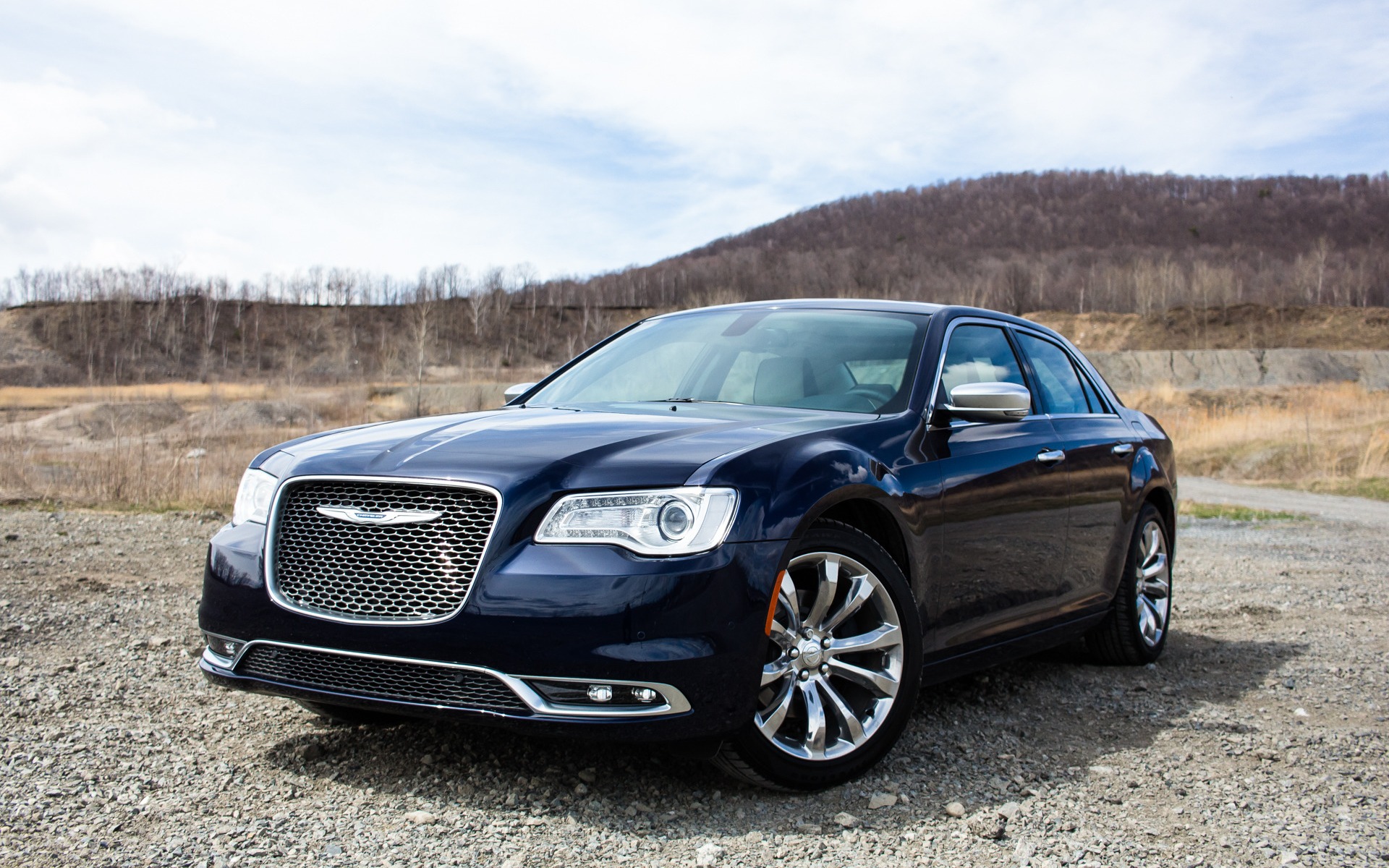
Ten years of depreciation have turned the 2015 Chrysler 300C into a tempting target on used car lots. With its brawny stance, executive proportions, rear-wheel-drive dynamics, and available V8 rumble, it mimics the presence of a German flagship for the price of a commuter hatchback. A clean example now trades between $9,500 and $14,000, offering genuine leather, expansive cabin room, and an imposing road presence that masks its actual age.
Beneath the chrome trim and broad-shouldered sheet metal sits an aging platform fraught with high-dollar vulnerabilities. An investigative assessment highlighted in a recent carbuzz.com Report underscored how quickly late-model Chrysler sedans turn into liability traps once mileage creeps past six figures. What looks like an executive bargain on paper can easily rack up repair bills that exceed the vehicle's retail value within twenty-four months of ownership.
📌 Key Takeaways:
- Core Mechanical Risks: Both the 5.7L HEMI V8 and 3.6L Pentastar V6 harbor valvetrain flaws that lead to catastrophic camshaft and rocker wear.
- Electrical Vulnerabilities: Aging Totally Integrated Power Modules (TIPM) and delaminating Uconnect head units create erratic, expensive diagnostic nightmares.
- Financial Equation: Suspension wear from the 4,200-pound curb weight combined with deferred maintenance pushes the five-year ownership cost well above comparable Japanese rivals.
The Seduction and Structural Reality of the Mid-Cycle Refresh
The 2015 model year represented a pivotal mid-cycle update for the second-generation Chrysler 300. Fiat Chrysler Automobiles reworked the front fascia, installed a prominent mesh grille, integrated upscale LED ambient lighting, and standardized the rotary-dial electronic shifter across the entire lineup. Most critically, every engine variant received the TorqueFlite 8-speed automatic transmission, replacing the archaic Mercedes-Benz-derived five-speed gearbox previously paired with the V8.
The cabin underwent significant digital modernization. Chrysler introduced a 7-inch full-color driver information display inside the instrument cluster alongside the corporate 8.4-inch Uconnect interface. For buyers shopping in 2026, these aesthetic upgrades create a dangerous illusion of modern reliability. The refreshed 2015 styling looks deceptively current, but the mechanical backbone remains rooted in the aging Chrysler LD architecture, an evolution of the LX platform that borrowed front and rear suspension geometry from the 1990s Mercedes-Benz E-Class (W210) and S-Class (W220). This heavy architecture accelerates component fatigue as vehicles reach the decade mark.
Engine Room Vulnerabilities: The HEMI Camshaft and Pentastar Valvetrain
Powertrain choices on the 2015 Chrysler 300C dictate the specific mechanical pitfalls owners encounter. Buyers selecting the entry-level 3.6L Pentastar V6 confront the notorious valvetrain ticking noise. Small needle bearings within the rocker arms frequently seize or disintegrate over time. When left unattended, the loose rocker arm grinds into the camshaft lobe, shedding fine metal shavings into the oil supply and requiring full camshaft replacement alongside fresh lifters. The Pentastar also suffers from a notoriously fragile plastic oil filter adapter housing located deep within the engine valley. Thermal cycling turns the plastic brittle, causing engine oil and coolant to leak onto the transmission bellhousing, demanding an intensive tear-down to install an upgraded aluminum aftermarket replacement.
Those drawn to the intoxicating exhaust note of the 5.7L HEMI V8 face even steeper mechanical exposure. The Multi-Displacement System (MDS), which deactivates four cylinders during steady highway cruising to conserve fuel, restricts oil flow to the needle bearings in the roller lifters. Extended engine idling exacerbates the starvation issue. Once a roller lifter seizes, it carves a destructive groove directly into the camshaft profile. Remedying this failure involves pulling the cylinder heads, replacing the camshaft, installing fresh lifters, and thoroughly flushing the engine block, a shop job routinely priced between $3,500 and $5,200.
The HEMI platform also suffers from a chronic exhaust manifold leak. The rear cylinder exhaust manifold bolts undergo severe heat expansion cycles, causing the factory mounting studs to shear off entirely. Owners detect this through a sharp, rhythmic ticking on cold startup that temporarily quiets down as metal heat expands. Extracting snapped bolts from aluminum cylinder heads requires surgical precision and significant shop labor fees.
Powertrain and Chassis Failure Modes: A Real-World Repair Cost Matrix
Beyond engine-specific defects, the 2015 Chrysler 300 platform experiences systemic wear across its drivetrain, electrical architecture, and chassis components. The table below breaks down the common mechanical and electrical failures, their early warning signs, and real-world repair costs at independent service centers.
| Component & Failure Point | Early Warning Symptoms | Typical Repair Cost (Parts & Labor) |
|---|---|---|
| HEMI Camshaft & Lifter Failure | Persistent metallic tapping from valve covers; cylinder misfire codes (P0300, P0308). | $3,500, $5,200 |
| Pentastar Oil Filter Housing Leak | Pungent burning oil smell through HVAC; oil pooling on transmission housing. | $850, $1,350 |
| HEMI Exhaust Manifold Stud Shear | Loud exhaust tapping during cold start; sulfur or exhaust fumes inside cabin. | $900, $1,800 |
| Front Suspension Tension Struts | Hollow clunking over low-speed road bumps; steering wheel vibration under braking. | $750, $1,200 |
| Uconnect Screen Delamination | Sticky liquid running down screen; erratic ghost touches; climate controls frozen. | $600, $1,400 |
| TIPM Circuit Degradation | Engine cranks without starting; horn sounds randomly; parasitic battery draw. | $1,100, $1,650 |
The TorqueFlite 8-speed transmission, built under license from ZF (designated as the 845RE behind the V6 and 8HP70 behind the V8), is inherently robust. Problems emerge because Chrysler originally marketed the transmission as having "lifetime fluid." Operating past 100,000 miles without fluid and filter services contaminates the valve body, leading to harsh shifts between first and second gear and delayed reverse engagement. Servicing the unit requires an integrated plastic pan and filter assembly alongside expensive synthetic fluid, costing roughly $450 to $700.

Electrical Headaches: Phantom Gremlins Inside the TIPM and Uconnect
Electronics remain a major sore spot for used luxury sedan maintenance across Chrysler products of this vintage. The Totally Integrated Power Module functions as the nerve center for vehicle electronics, combining a conventional fuse box with internal circuit boards and relays. When internal fuel pump relays weld shut or solder joints crack, owners experience intermittent no-start conditions, unexpected battery drain overnight, or headlights failing without warning. Installing a remanufactured TIPM or wiring external relay bypass kits has become an unofficial rite of passage for high-mileage owners.
Inside the cabin, the 8.4-inch Uconnect system presents another notorious design failure. The thermal adhesive bonding the capacitive touch digitizer to the underlying LCD panel breaks down under direct sun exposure. The liquefied optical gel oozes downward, creating massive air bubbles across the display.
The screen misinterprets this bubbling as continuous finger contact, generating "ghost touches." The radio switches stations erratically, navigation addresses enter themselves, and the digital climate control system becomes unresponsive. Because Chrysler integrated critical seat heating, ventilation, and HVAC controls entirely within the digital software interface, a corrupted Uconnect unit leaves occupants unable to defog windows or regulate cabin temperature until the entire digitizer or screen module is replaced.
Heavyweight Suspension Wear and Critical Safety Recalls
Tipping the scales at roughly 4,250 pounds, the 300C puts immense physical strain on its underpinnings. Front suspension bushing wear happens rapidly on these sedans. The front lower control arms, tension struts, and stabilizer bar end links take the brunt of the punishment. Owners often dismiss subtle chassis clunks over speed bumps as minor cosmetic annoyances, but worn tension strut bushings compromise front-end alignment, shredding inside tire treads within 5,000 miles.
Prospective buyers must also scrutinize vehicle history reports for unresolved safety campaigns. The 2015 Chrysler 300 was caught in multiple major safety recalls issued by the National Highway Traffic Safety Administration (NHTSA):
- Alternator Diode Failure: Under thermal load, the alternator diode could short-circuit, causing sudden engine stalling while driving and increasing the risk of an electrical fire.
- Cruise Control Deactivation: A software defect in the powertrain control module could lock the cruise control system on, preventing drivers from canceling acceleration via the steering wheel buttons or brake pedal.
- Transmission Shift Interlock: A loose internal transmission bracket could prevent the rotary dial from securely shifting into Park, creating potential roll-away risks if the emergency parking brake was not engaged.
- Takata Airbag Inflators: Defective ammonium nitrate propellant could rupture upon deployment, sending metal fragments into the cabin.
Ensuring these recalls were completed at a franchised dealership is critical. A vehicle carrying open electrical recalls poses immediate safety liabilities.
The Pre-Purchase Inspection Playbook and Total Cost of Ownership
A visual exterior inspection will not reveal the structural or mechanical landmines lurking beneath a polished Chrysler 300C. If you are determined to shop for this American rear-drive sedan, implement an uncompromising pre-purchase inspection checklist:
- Conduct a Cold Engine Startup: Request that the seller leave the engine stone-cold before arrival. Listen intently for a sharp mechanical tick on startup. A ticking noise that fades after two minutes indicates snapped exhaust manifold studs; a constant rhythmic tick that persists as the engine reaches operating temperature signals worn rocker arms or damaged camshaft lobes.
- Inspect the Engine Valley: Use an inspection mirror and high-lumen flashlight to inspect deep between the intake manifold runners on the 3.6L Pentastar. Look for pools of oil or pink coolant around the oil filter housing base.
- Check the Uconnect Screen Under Direct Sunlight: Turn off the infotainment display and look at the screen surface at an angle. Scan for internal bubbling, wavy fluid lines, or sticky residue along the bottom bezel. Test every single touch input on the climate control sub-menu.
- Execute a High-Load Road Test: Drive the vehicle through an urban environment with frequent stop-and-go conditions, paying close attention to 1-2 upshifts and 2-1 downshifts. Engage hard acceleration on a highway on-ramp to ensure the transmission does not slip or shutter during gear handoffs.
- Put the Chassis on a Hydraulic Lift: Pry against the lower front control arm bushings with a pry bar. Any play exceeding a quarter of an inch means complete suspension arm replacement is imminent.
The entry price on a used 2015 300C is deceivingly affordable. The total cost of ownership tells a completely different story. Between regular fluid replacements, high fuel consumption (averaging 16 to 18 mpg city on HEMI models), premium tire replacement for heavy chassis wear, and inevitable electrical repairs, keeping a 2015 Chrysler 300C roadworthy costs significantly more than maintaining a comparable Toyota Avalon or Lexus ES350.
Frequently Asked Questions (FAQ)
Is the 2015 Chrysler 300C reliable past 100,000 miles?
Reliability drops sharply past 100,000 miles. While the core engine blocks and 8-speed automatic transmissions are mechanically sturdy, valvetrain wear (lifters, rockers, and camshafts), cooling system plastics, front suspension bushings, and body electrical modules routinely require thousands of dollars in mechanical restoration.
Which engine is better on a used 2015 Chrysler 300: the V6 or V8?
The 3.6L Pentastar V6 is cheaper to repair, delivers better fuel economy, and avoids the complex MDS lifter issues of the V8. However, it still suffers from rocker arm failure and oil filter housing leaks. The 5.7L HEMI V8 offers effortless power and higher towing capacity, but carries a higher risk of costly camshaft replacements and cracked exhaust manifold studs.
How can I tell if a Chrysler 300C has the dreaded HEMI tick?
Listen to the engine while running at idle with the hood raised. An exhaust manifold leak creates a rapid, metallic clicking sound near the wheel wells that softens as the engine warms up. A damaged camshaft and seized roller lifter produces an unmistakable, rhythmic metallic tap deep within the cylinder head that does not disappear when hot and speeds up directly with engine RPM.
The Bottom-Line Reality for Used Luxury Sedan Shoppers in 2026
The 2015 Chrysler 300C stands as one of the last traditional, rear-wheel-drive, full-size American cruisers. Its quiet highway demeanor, commanding styling, and comfortable cabin continue to hold genuine emotional appeal. For a home mechanic equipped with diagnostic scan tools, shop floor jacks, and the mechanical skill to swap control arms or pull intake manifolds over a weekend, a deeply discounted 300C can serve as an enjoyable project cruiser.
For the everyday commuter looking for an affordable, turnkey luxury sedan, signing the paperwork on a decade-old 300C is an enormous gamble. Unless you have verified service records showing replaced camshafts, updated valvetrain components, an aluminum oil filter housing, and fresh suspension hardware, the initial purchase price is merely a down payment on an escalating series of shop invoices. If you cannot afford to keep a $3,000 emergency repair fund on standby, leave the 2015 Chrysler 300C on the lot and look toward proven, low-stress alternatives.


