Why Etiquette Experts Are Urging Guests to Ditch the 'Cover Your Plate' Cash Rule

Slip an envelope into the satin-lined gift box, calculate the wine, count the passed hors d'oeuvres, and try not to wince. For decades, guests calculated their cash wedding gift by mentally pricing out the reception dinner cost inflation and reimbursing the newlyweds for their dinner. With catering bills hitting historic highs, that decades-old calculation has completely broken down. As highlighted in a recent Southern Living Report, hospitality authorities are urging attendees to permanently abandon the transactional "cover your plate" custom.
The pressure on guest finances has reached a tipping point. Between bespoke multi-course menus, open bars, and soaring venue rentals, standard per-head costs frequently exceed reasonable attendee budgets. Demanding that guests match lavish event production dollar for dollar turns an invitation to celebrate into an unpaid invoice. As the cost of nuptials climbs across North America, the rules of modern wedding gift etiquette require a total reset.
📌 Key Takeaways:
- The Formula Is Dead: The "cover your plate rule" is officially obsolete; etiquette authorities confirm guests do not owe compensation for an extravagant party budget.
- Relationship Trumps Reception: Monetary wedding gift amounts should depend entirely on your personal finances and your closeness to the couple, not the caterer's bill.
- Travel Costs Count: Attendance expenses for destination events or weekend-long itineraries drastically offset traditional gift obligations.
The Collapse of the 'Cover Your Plate' Math
The traditional cover your plate rule emerged when receptions were simpler affairs hosted in community halls, backyards, or modest hotel ballrooms. In that setting, estimated catering charges hovered around predictable figures like $40 or $60 per guest. Today, couples routinely book high-end venues where dinner packages quickly climb to dizzying heights.
A high-profile case analyzed by Moneywise laid bare the absurdity of the formula: when a niece plans an upscale celebration charging $500 per plate, a guest attending with a partner would theoretically owe a staggering $1,000 cash gift just to break even. Expecting friends and extended family to subsidize such luxury choices is unreasonable. Guests are not ticket-buying patrons at a private supper club.
Hospitality historians emphasize that a wedding reception is, by definition, a gift of hospitality offered by the hosts to their guests. Once couples expect their guests to offset their vendor invoices, that dynamic collapses. Modern wedding gift spending guidelines state unequivocally: your gift is an expression of affection, not admission to an event.
How Runaway Reception Inflation Broke the Guest Equation
The average cost of a North American wedding now tops five figures, driven by sharp price increases across raw food ingredients, labor, and venue operational costs. CBC reporting indicates that these rising line items have sparked intense anxiety among attendees, who wonder whether their customary envelopes look cheap against opulent backdrops.
Couple's Luxury Decisions ≠ Guest's Financial Responsibility
(Raw Bar + Late-Night Food Trucks) ≠ ($400 Envelope Requirement)
Planners now regularly incorporate multi-course tastings, oyster shuckers, and curated cocktail programs. None of those lavish additions should dictate the guest's wedding guest budget. When hosts choose an estate vineyard over a municipal park, they absorb those aesthetic expenses voluntarily.
Recent social discussions on platforms like Reddit's r/WeddingAttireApproval and r/WeddingsUnder10k mirror this frustration. Thousands of twenty-somethings and young professionals report declining invitations outright because they cannot afford the double-hit of travel logistics and the perceived minimum gift threshold.
Sensible Cash Gift Benchmarks for Modern Nuptials
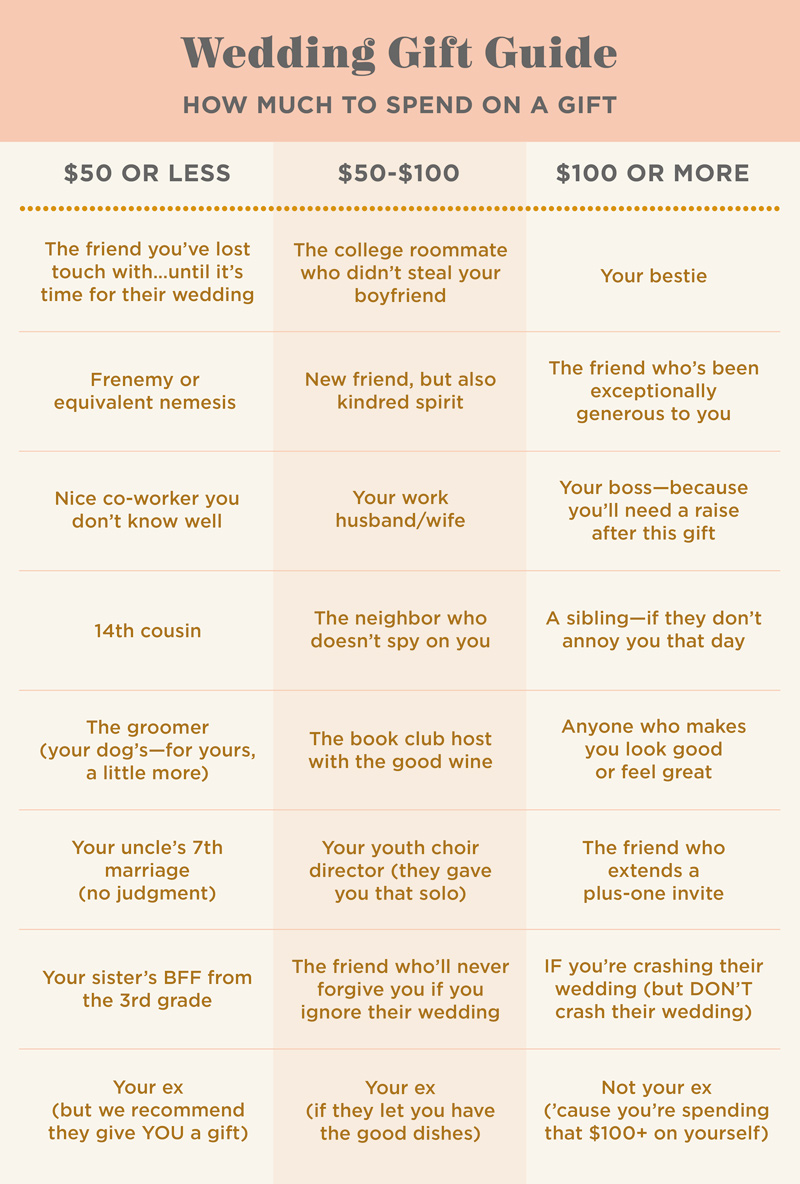
Determining how much cash to give requires looking inward at your disposable income rather than outward at the tablecloths. The average cash wedding gift across general attendees hovers between $100 and $175, shifting higher for immediate family and lower for casual acquaintances.
| Relationship to Couple | Baseline Cash Range | Financial Adjustment Factor |
|---|---|---|
| Coworker or Distant Acquaintance | $75, $100 | Standard local reception; single attendee |
| Close Friend or Colleague | $100, $175 | Adjust down if traveling across state lines |
| Best Friend or Close Relative | $175, $250 | Couples attending together typically double baseline |
| Immediate Family (Parents, Siblings) | $250, $500+ | Subject to family means; cash gift etiquette for family varies |
| Destination Event Attendee | $50, $100 or Token Gift | Flights and lodging constitute primary financial gift |
When attending as a couple, standard etiquette suggests pooling funds into a single card rather than doubling the baseline arbitrarily. A joint envelope containing $200 to $300 covers almost all social expectations for close friends, regardless of whether the couple served prime rib or taco platters.
The Tension Between Digital Registries and Honeymoon Funds
Physical department store registries continue to decline as more couples cohabitate before marriage. Most already own blenders, sheet sets, and Dutch ovens. This domestic reality has made direct bank transfers and online honeymoon funds the default bridal registry alternatives.
Yet digital cash portals introduce their own complications. Platform payment processors routinely shave off 2.5% to 3.5% in transaction fees, leading privacy-conscious guests to favor physical envelopes containing crisp cash or checks on the wedding night.
Whether depositing directly into a honeymoon fund contribution or writing a check, transparency around cash remains paramount. If an online platform charges steep processing rates, opt for a handwritten card at the reception. The couple receives the full amount, and you bypass third-party merchant surcharges.
When Flights, Lodging, and Out-of-Town Costs Slash Your Gift Budget
The explosion of multi-day domestic retreats and overseas celebrations has rewritten destination wedding gift costs. When an invite requires booking three nights at a designated hotel block, renting a vehicle, and purchasing round-trip flights, your presence already represents a financial commitment topping $1,200 to $2,500.
In an exclusive report published by the New York Post, an increasing cohort of realistic couples acknowledge this reality by explicitly instructing their guests: "Your presence is our present." When travelers spend thousands to reach an island resort, expecting a hefty cash gift on arrival is poor manners.
If you are traveling long distances:
- Drop your baseline cash gift to a modest $50 to $75 inside a thoughtful, handwritten greeting card.
- Purchase a smaller keepsake or sentimental item from the physical registry.
- Recognize that paying for travel arrangements is a valid form of celebration support.
Frequently Asked Questions (FAQ)
Q1: What is the minimum acceptable cash wedding gift if I am on a tight budget?
A1: An envelope containing $50 to $75 paired with a heartfelt, handwritten note is entirely respectable. True wedding gift etiquette dictates that you should never go into debt or sacrifice basic financial security to celebrate someone else's marriage.
Q2: Should I give cash if I am already in the wedding party?
A2: Attendants frequently spend over $800 to $1,500 on attire, bachelor or bachelorette trips, hair, and makeup. Because of these out-of-pocket investments, bridesmaids and groomsmen can comfortably reduce their monetary wedding gift amounts to $50 to $100, or choose a meaningful, inexpensive personalized keepsake.
Q3: Is it considered rude to send a cash gift several months after the wedding?
A3: Traditional manners permit sending wedding gifts up to three months after the nuptials, though doing so within two to three weeks of the ceremony is ideal. Sending cash digitally or mailing a check well after the event is far better than skipping the gesture entirely.
The New Realism of Wedding Gifting
The transactional era of wedding attendance has run its course. Trying to calculate cost per plate creates unnecessary friction between couples and their guests, turning heartfelt milestones into commercial transactions.
A wedding is a collective gathering of your community, not a crowd-funded recovery scheme for party planners. Give what your personal bank balance comfortably permits, celebrate the people you care about, and leave the catering balance sheet where it belongs: with the hosts.