Why Everyone Is Obsessed with Marry Me Pasta: The 30-Minute Weeknight Dinner Phenomenon
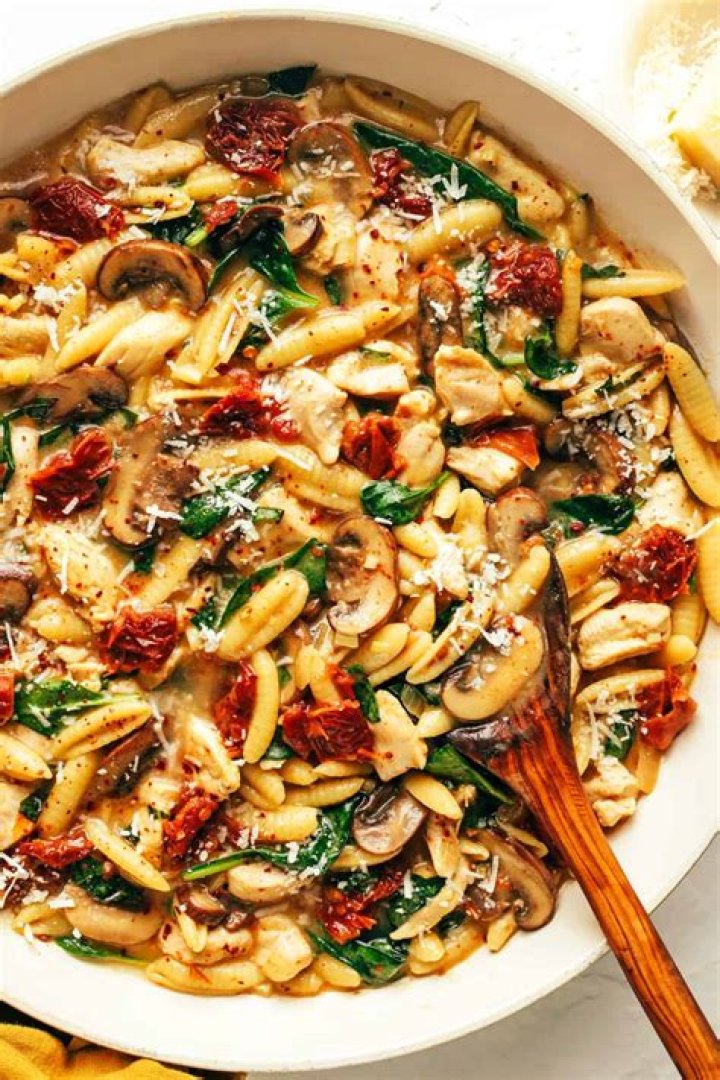
Few viral food trends survive past their initial fifteen seconds of algorithmic fame. Most flash across screens, generate grocery store shortages of obscure ingredients for a weekend, and vanish into cultural oblivion. Marry Me Pasta did the opposite. The skillet dish evolved from a decade-old lifestyle media trope into a weeknight staple that dominates home kitchens across the world. Stripping away the labor of its poultry-based predecessor, this pasta format combines garlic butter, tart sun-dried fruit, and high-fat dairy into a rapid emulsification that rivals high-end Italian-American trattorias.
Home cooks are drawn to its extreme efficiency. As documented in a recent Simply Recipes Report on why the meal comes together in under 30 minutes flat, the dinner succeeds because it leverages pan heat, starchy water, and concentrated pantry staples rather than hours of slow simmering. It provides restaurant-level depth without demanding professional technique or marathon cleanup.
📌 Key Takeaways:
- Recipe Evolution: The viral TikTok food trend successfully adapted marry me chicken pasta into a meatless, faster skillet meal tailored for busy schedules.
- Flavor Mechanics: Concentrated sun-dried tomatoes provide malic and citric acids that slice through a heavy cream sauce and salty parmesan cheese.
- Kitchen Efficiency: Pairing ridged, al dente pasta with reserved starchy cooking water creates a glossy garlic butter pasta emulsion in under 30 minutes.
From 2000s Engagement Lore to TikTok Feeds
The naming convention carries decades of pop-culture baggage. In 2004, Glamour magazine published its infamous "Engagement Chicken" recipe, claiming that a perfectly roasted lemon-herb bird prompted romantic partners to propose shortly after dinner. Twelve years later, food editors at Delish spun that mythology into Marry Me Chicken, a pan-seared cutlet bathed in cream, oregano, and sun-dried tomatoes.
By 2022, social media creators began cutting out the protein middleman entirely. Pounding chicken breasts, dredging them in seasoned flour, and managing pan splatters did not suit frantic weeknights. Swapping chicken for pasta transformed the concept. Creators on TikTok and Instagram realized that the velvety sauce was the true star of the dish. Cooking tubular rigatoni directly alongside a simmering reduction cut preparation time down to roughly 20 to 25 minutes. The internet rebranded the dish as Marry Me Pasta, turning an antiquated courting gimmick into practical, modern comfort food.
The Culinary Chemistry Behind the Sun-Dried Tomato Emulsion
Heavy cream sauces often collapse under their own weight. Traditional Alfredo or four-cheese bakes can turn cloying after three bites because dairy fat coats the tongue and blunts the palate. Marry Me Pasta avoids this problem through structural balance.
The secret lies in the sun-dried tomatoes. Dehydration concentrates their natural glutamates and elevates both citric and malic acid levels. When diced and sautéed in garlic butter, the tomatoes release sweet, tangy oils into the pan. Pouring heavy cream into this base creates a creamy tomato pasta hybrid that manages to taste rich and bright simultaneously. A generous shower of finely grated parmesan cheese introduces salty, aged umami. The sharp dairy crystals melt into the fat globules, while a pinch of crushed red pepper flakes cuts through the dairy richness with background heat.
Why Rigatoni Wins the Shape Test for Creamy Sauces
Long, delicate noodles like spaghetti or angel hair falter under dense cream sauces. They slip, slide, and deposit the rich pan juices directly onto the plate rather than delivering them to your mouth. A rigorous rigatoni recipe remains the gold standard for this preparation.
Rigatoni offers two distinct structural advantages. First, the exterior ridges (rigati) act like microscopic shelves that grab the glossy heavy cream sauce. Second, the wide central hollow traps whole bits of sun-dried tomatoes and melted cheese. Cooking the pasta strictly al dente ensures the tubular structure does not collapse during the final toss in the skillet. If rigatoni is unavailable, penne rigate, cavatappi, or radiatori serve as capable substitutes, each providing deep grooves that maximize sauce retention.
Comparing Viral Skillet Pastas: Speed, Fat, and Flavor
Understanding where Marry Me Pasta sits on the comfort-food spectrum helps explain its massive appeal over other weeknight standards. The table below outlines how it contrasts with competing skillet classics.
| Pasta Style | Active Cook Window | Primary Acid Source | Core Texture Driver |
|---|---|---|---|
| Marry Me Pasta | 20, 30 minutes | Sun-dried tomato oil & fruit acid | Cream, parmesan, starchy pasta water |
| Penne alla Vodka | 35, 45 minutes | Canned crushed tomatoes & vodka | Cooked-down tomato paste & heavy cream |
| Fettuccine Alfredo | 15, 20 minutes | None (optional fresh cracked pepper) | Butter & high-volume aged cheese |
| Classic Carbonara | 20, 25 minutes | Pecorino Romano sharpness | Tempered raw egg yolks & rendered pork fat |
Three Execution Errors That Break the Sauce
While the recipe works quickly, treating it like a standard marinara will lead to broken dairy or a grainy mouthfeel. Avoiding three common missteps ensures consistent, restaurant-quality results.
First, never use pre-shredded cheese from a plastic tub. Commercial cheese processors coat shredded cheese with wood pulp cellulose and potato starch to prevent clumping in the bag. Those starches impede smooth melting, transforming a velvety skillet into a gritty, clumpy mess. Buy a wedge of Parmigiano-Reggiano or domestic parmesan and grate it finely on a microplane just before cooking.
Second, manage skillet heat when introducing the dairy. Boiling heavy cream over scorching heat causes milk proteins to seize and separate from the butterfat, leaving an oily sheen across the surface. Lower the flame to medium-low before pouring in the cream and vegetable stock. Allow it to maintain a gentle simmer rather than a rolling boil.
Third, do not discard your pasta water. Before draining the pot, ladle out at least one half-cup of the cloudy, salted liquid. Adding two to three tablespoons of this starchy liquid directly into the skillet binds the melted fat and dairy together. Finish the dish with a vibrant fresh basil garnish right before plating; tossing delicate herbs into a bubbling skillet turns them limp and bitter within seconds.
Upgrades, Protein Additions, and Plant-Based Tweaks
The modular nature of this quick comfort food makes it exceptionally adaptable for different dietary frameworks. Cooks wanting to reintroduce meat can sear chicken cutlets, Italian sausage, or tiger shrimp in garlic butter first, set them aside, build the sauce in the same skillet, and nestle the protein back on top before serving.
For plant-forward tables, baby spinach adds color and iron when folded into the sauce during the final 60 seconds of cooking. Sautéed cremini mushrooms enhance the dish with an earthy, savory flavor that complements the sun-dried tomatoes. Those avoiding dairy can replace heavy cream with full-fat canned coconut milk or soaked cashew cream blended with nutritional yeast, producing a remarkably thick vegan alternative without losing the characteristic skillet body.
Frequently Asked Questions (FAQ)
Q1: Can I use half-and-half instead of heavy cream sauce?
A1: You can, but it requires caution. Half-and-half contains far less milkfat (10.5%, 18%) than heavy cream (36%, 40%), making it much more susceptible to curdling when exposed to the acid in sun-dried tomatoes. If substituting, lower the flame significantly and whisk in a teaspoon of cornstarch to stabilize the dairy.
Q2: Oil-packed versus dry-bagged sun-dried tomatoes: which is best?
A2: Oil-packed sun-dried tomatoes produce better results. They are softer, hydrate the skillet instantly, and their seasoned packing oil makes an exceptional fat base for sautéing minced garlic and chili flakes.
Q3: How do leftovers hold up the next day?
A3: Cream-based pasta sauces thicken dramatically in the refrigerator as fats solidify. When reheating in a pan or microwave, stir in a splash of warm milk, broth, or water to re-emulsify the sauce and prevent it from turning into an oily separation.
The Lasting Appeal of Fast Skillet Comfort
Marry Me Pasta succeeded because it solved an everyday logistical problem: how to produce deep, savory comfort food at the end of a grueling workday without dirtying every pot in the kitchen. Stripping the original concept of its poultry prep and focusing strictly on the interplay of pasta starch, sharp cheese, and concentrated tomato acid turned a gimmicky name into a modern household staple. As viral recipes continue to emerge and fade, this 30-minute weeknight dinner holds its ground by delivering reliable culinary technique wrapped in pure, unpretentious flavor.