Why Is America Obsessed with Swig? The Dirty Soda Phenomenon Explained
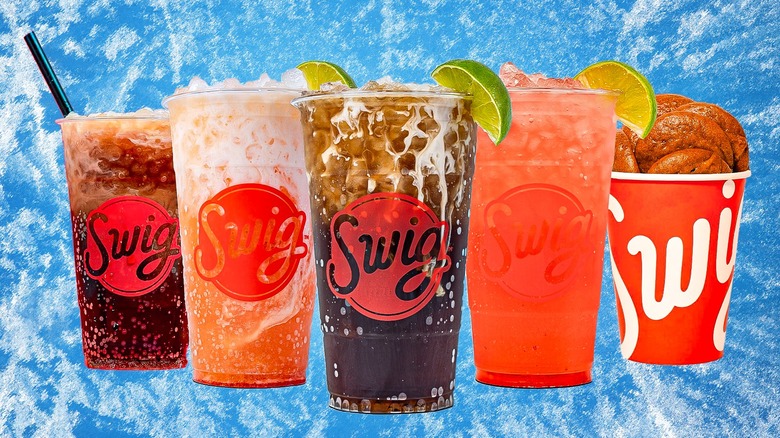
Traffic backed up onto the highway shoulder outside Oklahoma City on a crisp Tuesday afternoon, but nobody was waiting for gas or a highway patrol inspection. Drivers idle in two parallel drive-thru lanes wrapping around an electric-pink outpost of Swig, waiting for 44-ounce Styrofoam cups filled with pebbled ice, carbonated sodas, pumps of flavored syrups, coconut cream, and fresh lime wedges. What started as an insular roadside experiment in St. George, Utah, has become a national phenomenon reshaping retail beverages. As detailed in an Eater Report on the beverage's rapid spread, the dirty soda category has moved from regional curiosity to mainstream consumer juggernaut, generating massive customer loyalty and attracting heavy private equity backing.
📌 Key Takeaways:
- The Origin: Nicole Tanner founded Swig in 2010 across from Dixie State University, inventing the "dirty soda" concept by injecting sodas with coconut cream, fruit purées, and flavored syrups.
- The Cultural Engine: Deeply rooted in Utah soda culture and LDS community guidelines avoiding alcohol and hot brewed beverages, custom soda fountains serve as suburban social hubs and daily ritual stops.
- The National Explosion: Boosted by viral TikTok drink trends, reality television exposure on Hulu’s The Secret Lives of Mormon Wives, and multi-unit franchise expansion, Swig operates across dozens of states, challenging legacy coffee drive-thrus.
From St. George Alleys to Multi-State Strip Malls
Nicole Tanner did not invent soda fountains, but she recognized an overlooked daily ritual. In 2010, Tanner and her husband opened a tiny drive-thru shack directly across from Dixie State University (now Utah Tech University) in St. George, Utah. The premise was simple: take existing commercial sodas, chill them with crushed pebbled ice, and spike them with pumps of coconut cream, fruit purées, and flavored syrups. Tanner dubbed the concoction "dirty soda," trademarking the phrase in 2013 and sparking a wave of imitators across the Intermountain West.
The concept flourished inside an ecosystem uniquely primed for cold, non-alcoholic indulgence. Members of the Church of Jesus Christ of Latter-day Saints follow the Word of Wisdom, a health code established in the 19th century that proscribes alcohol, tobacco, coffee, and tea. The church clarified in 2012 that caffeinated cold sodas are not prohibited. Cold soda drive-thrus became the Mountain West equivalent of neighborhood craft breweries and third-wave coffee bars.
The social ritual is identical to picking up a morning latte or meeting colleagues for an afternoon beer. Friends gather around car windows, parents buy rounds for high school sports teams after practice, and commuters stop for their daily midday lift. What began in southern Utah quickly spread across Idaho, Arizona, and Nevada, transforming the custom soda fountain into an essential anchor of regional suburban architecture.
The Flavor Chemistry Behind the Dirty Dr Pepper Craze
The appeal of dirty soda rests on textural contrast and flavor balance. Pure commercial soda straight from a conventional fountain offers high carbonation and intense sweetness, but it lacks mouthfeel. Swig alters that physical baseline by emulsifying carbonated soft drinks with heavy cream, half-and-half, or coconut cream.
The undisputed flagship of the Swig drive-thru menu is the Dirty Dr Pepper. Workers build the drink by filling a cup with soft, chewable pebbled ice, pouring fountain Dr Pepper, and injecting coconut syrup before finishing the drink with sweet coconut cream and a fresh lime wedge. The acidity from the lime slices through the syrupy cola base, while the dairy fat suspends the carbonation bubbles, producing a silky, frothy texture similar to an unchurned ice cream float.
Beyond Dr Pepper, the menu relies heavily on citrus blends and Mountain Dew mix-ins. Combinations like "The Dew Defender" and "Texas Tab" blend sodas with mango purée, strawberry purée, vanilla, and sweet cream. Swig operates like a liquid patisserie. Instead of hiding the sugar, the brand leans directly into maximalist comfort. today functional wellness drinks rely on artificial sweeteners and adaptogenic herbs, Swig sells unapologetic decadence, served fast, ice-cold, and priced under $5 for a massive portion.
The Expansion Timeline: How a Regional Secret Went National
Swig’s journey from a single desert drive-thru to an interstate franchise empire followed a structured path marked by trademark battles, venture capital acquisition, and reality television virality.
| Phase & Years | Key Operational Milestones | Market Footprint & Cultural Catalyst |
|---|---|---|
| Pioneer Era (2010, 2016) | Tanner files trademark for "Dirty Soda"; legal disputes erupt with rival start-up Sodalicious over generic beverage naming rights. | Footprint limited to Utah and Idaho; establishes dirty soda as a core cultural staple of the Mormon corridor. |
| Corporate Capital (2017, 2022) | Four Foods Group acquires majority interest; brand later absorbed into The Larry H. Miller Company portfolio to scale corporate infrastructure. | Store count surpasses 40 units; Olivia Rodrigo posts an Instagram photo holding a Swig cup, sparking nationwide curiosity. |
| Franchise Surge (2023, 2026) | Multi-unit franchise agreements sign across Florida, Texas, the Carolinas, and the Midwest; 500+ store commitments secured. | TikTok drink trends explode; Hulu’s The Secret Lives of Mormon Wives turns daily drive-thru runs into international television lore. |

Reality Television and the TikTok Acceleration Loop
While pop star Olivia Rodrigo gave the brand an organic boost in late 2021 by posting her 44-ounce Swig cup on social media, the real cultural eruption came through short-form video and streaming television. On TikTok, the hashtag #dirtysoda generated hundreds of millions of views as creators outside the Mountain West began filming homemade DIY tutorials mixing Diet Coke with coffee creamer and Torani coconut syrup.
That organic internet curiosity reached mainstream audiences in late 2024 with the premiere of Hulu’s hit unscripted series The Secret Lives of Mormon Wives. The show, which documented the personal drama of Utah content creators, featured dirty soda drive-thrus as central gathering spaces. Viewers watched cast members resolve interpersonal conflicts over enormous cups of custom fountain soda.
The product placement was largely unpaid and authentic. It revealed dirty soda not as an eccentric novelty, but as a normal lifestyle routine. As franchise stores opened in suburban markets across Texas and Florida, lines wrapped around blocks on opening weekends. Customers were eager to taste the specific, colorful drinks they had watched on their phone screens for months.
Rethinking the Non-Alcoholic Beverage Craze
The meteoric rise of dirty soda coincides with a broader shift in American consumer habits: the non-alcoholic beverage boom. Gen Z and millennial consumers are drinking less alcohol than previous generations at identical ages, yet they still seek social rituals, affordable daytime treats, and customizable drinks.
Coffee giants like Starbucks built multibillion-dollar empires on flavored, dessert-like espresso drinks, but their prices increasingly hover between $6 and $8 per beverage. Swig discovered a white space beneath high-end coffee and artisanal mocktails. A 32-ounce custom dirty soda typically retails between $3.00 and $4.50. It serves as an accessible daily indulgence during an inflationary economic climate.
Drive-thru soda shops operate with streamlined overhead. Unlike coffee shops that require expensive espresso machinery, grinder calibration, and baristas with technical steaming skills, dirty soda production relies on high-speed fountain dispensers, syrup pumps, and cold storage for purée and cream additives. This lean operational model allows stores to process hundreds of cars per hour with low labor complexity, providing an attractive unit-economic model for multi-unit franchise operators.
Evaluating the Craze: Who Loves It and Who Walks Away
The dirty soda trend is not universally beloved. As the brand expands into coastal and urban markets, consumer reactions diverge along predictable lines of taste, dietary habit, and cultural expectation.
- Ideal Customers: Consumers who already enjoy sweet beverages, afternoon drive-thru runs, and high-flavor customization find Swig immediately compelling. It appeals heavily to teens, suburban families, non-drinkers looking for social drink substitutes, and fans of iced coffee seeking a carbonated alternative.
- Who Should Steer Clear: Black coffee drinkers, purists who dislike heavy sweetness, and health-conscious consumers avoiding refined sugars or dairy creamers often find the drinks cloying. A single 44-ounce dirty soda containing standard sodas, multiple syrup pumps, and sweet coconut cream can easily exceed 60 to 90 grams of sugar. Customers looking for subtle flavor profiles will likely leave disappointed.
Frequently Asked Questions (FAQ)
What is in a classic dirty soda from Swig?
A classic dirty soda starts with a base soda (such as Dr Pepper, Diet Coke, or Mountain Dew) poured over pebbled ice. It is mixed with flavored syrups (like coconut, peach, or vanilla), fruit purées, and a fat source, most commonly coconut cream, half-and-half, or sweet cream, and finished with fresh citrus wedges.
Are all dirty sodas made with caffeinated drinks?
No. Swig offers dozens of caffeine-free bases, including caffeine-free Diet Coke, Sprite, root beer, lemonade, sparkling water, and energy drink alternatives. Customers customize every drink to their personal dietary and caffeine preferences.
Can you order dairy-free or low-sugar dirty sodas?
Yes. Customers can select zero-sugar soda bases (like Diet Coke, Coke Zero, or Dr Pepper Zero), sugar-free flavor syrups, and dairy-free coconut milk or coconut syrup without added dairy cream to significantly reduce sugar and eliminate animal products.
The Future of American Drive-Thru Culture
The dirty soda movement has proven that it is more than an isolated Utah subculture. Swig took a regional coping mechanism for strict religious dietary codes and transformed it into an engine of modern American convenience retail. By combining aggressive syrup customization, heavy cream finishes, and high-speed drive-thru architecture, the chain built an afternoon treat culture that rivals national coffee and fast-food chains.
The challenge facing Swig as it scales hundreds of new franchise doors across America is operational consistency and customer retention once initial social media curiosity fades. If suburban drive-thru lines in Texas, Ohio, and Florida are any indication, the craving for a cold, creamy, dirtied-up soda has transitioned from a viral internet spectacle into a permanent fixture of the modern beverage landscape.


