Why Is Amex Shutting Down Serve and Bluebird? The End of Prepaid Accounts Explained
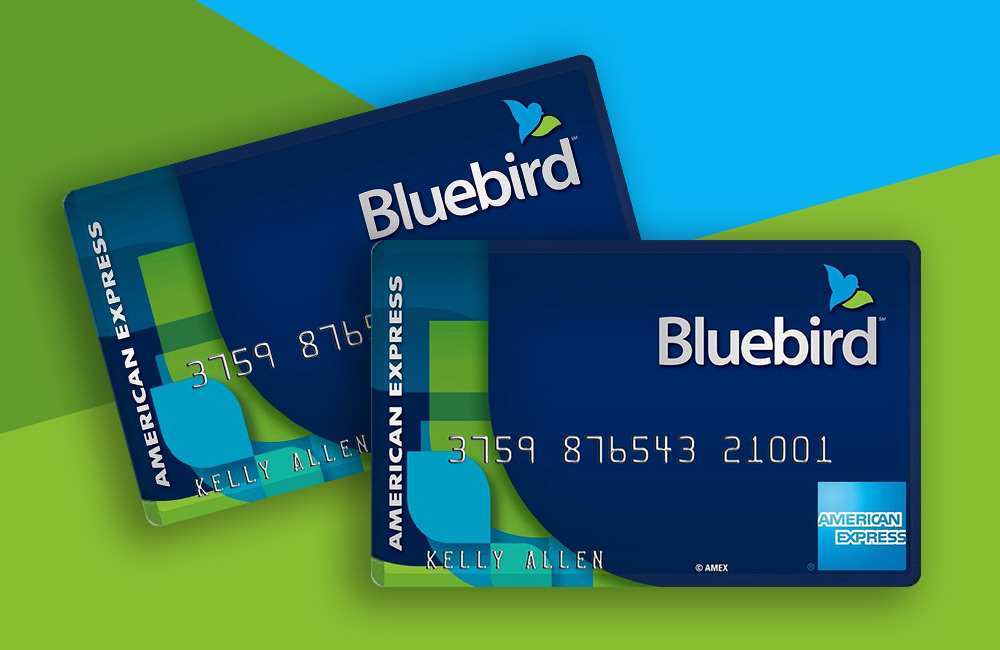
American Express is officially pulling the plug on its signature reloadable prepaid card lineup, bringing a definitive end to both Amex Serve and Bluebird by American Express. According to investigative coverage from the Upgraded Points Report, account holders are receiving formal notifications outlining service termination dates, restrictions on reloads, and mandatory balance liquidation timelines. The move closes a sprawling chapter in consumer retail banking that once defined alternative financial access for millions of households.
Long before modern neobanks offered early direct deposit through slick mobile software, American Express partnered directly with retail giants to deliver low-barrier financial tools to underbanked consumers. Bluebird, launched alongside Walmart, was designed as an affordable alternative to traditional checking accounts, boasting no annual fee and minimal transaction costs. Now, shifting consumer behavior, escalating compliance costs, and the rapid expansion of full-featured checking products inside the Amex ecosystem have rendered these standalone prepaid products obsolete.
📌 Key Takeaways:
- The Shutdown Order: American Express is formally closing all active accounts for both Amex Serve and Bluebird by American Express, ending new registrations and card reloads.
- Strategic Motivation: Rising administrative overhead, retail fraud vectors, and the internal expansion of the American Express Rewards Checking platform prompted the corporate exit.
- Consumer Next Steps: Cardholders must initiate a remaining account balance transfer, spend down balances, or wait for an automated paper check disbursement before final closure dates.
The Retail Roots of Walmart Bluebird and Serve
The reloadable prepaid debit card segment was wildly different when American Express launched Bluebird in late 2012. Millions of consumers routinely faced punitive overdraft charges from legacy retail banks, while alternative options like traditional prepaid cards carried punishing activation charges and monthly maintenance fees. Amex broke that mold. Partnering with Walmart, the payment network rolled out an accessible account that offered free direct deposit, free cash reloads at customer service desks, and sub-accounts designed for family budgeting.
Serve arrived around the same time with broader digital aspirations, attempting to serve as a bridge between online money management and everyday retail spending. For nearly a decade, the two cards anchored the unbanked and underbanked strategies of American Express. Shoppers could step into any Walmart supercenter, hand cash to a cashier, and immediately see their funds reflected on a card bearing the American Express logo, all without opening a conventional deposit account at a branch.
Consumer preference migrated steadily toward comprehensive digital platforms offering yield, credit-building rails, and seamless cross-selling opportunities. The static prepaid card, tethered to physical retail checkout counters, struggled to keep pace.
The Manufactured Spending Crackdown and Structural Decline
A crucial, often unspoken factor in the decline of the Amex prepaid ecosystem was the relentless operational battle against reward arbitrage. In the mid-2010s, specialized travel-hacking communities discovered that Bluebird and Serve could be loaded via retail gift cards purchased with rewards credit cards, effectively allowing users to manufacture points out of thin air.
For years, users cycled hundreds of thousands of dollars through retail cash reload networks, generating substantial reward balances while generating negligible interchange profit for American Express. In early 2016, Amex instituted an aggressive wave of account shutdowns, terminating the accounts of users who showed suspicious reload and bill-pay cycles. While this stabilized fraud metrics, it fundamentally changed how these accounts were managed.
Compliance overhead grew progressively heavier. Anti-money laundering (AML) mandates, Know Your Customer (KYC) compliance burdens, and third-party partner costs eroded the operating margins of low-fee accounts. Maintaining a separate prepaid tech stack, completely detached from the primary American Express National Bank deposit infrastructure, became increasingly hard to justify from an enterprise balance-sheet perspective.
Prepaid Demise Timeline: From Peak Adoption to Final Shutdown
The transition away from standalone prepaid cards unfolded across distinct evolutionary phases, marked by shifting regulatory pressures and corporate consolidation.
| Operational Phase | Strategic Focus | Market Reality |
|---|---|---|
| Launch Era (2012, 2015) | Retail expansion via Walmart; disruptive low-fee accounts aimed at displacing predatory check-cashers. | Rapid customer acquisition; broad appeal across budget-conscious consumers and points hobbyists. |
| Enforcement Era (2016, 2020) | Aggressive fraud mitigation; mass account freezes; tighter limits on third-party debit card reloads. | Prepaid churn escalated; user base narrowed to genuine payroll and cash-reliant users. |
| Consolidation Era (2021, 2025) | Development of American Express Rewards Checking; reduced operational focus on third-party prepaid portals. | Fintech checking apps and mobile banking undermined the fundamental value proposition of prepaid cards. |
| Program Sunset (2026) | Full prepaid account shutdown across Serve and Bluebird; mandatory balance liquidations. | Cardholders pushed toward true checking accounts and licensed high-yield alternatives. |
Protecting Your Money: Balance Transfers and Account Liquidation
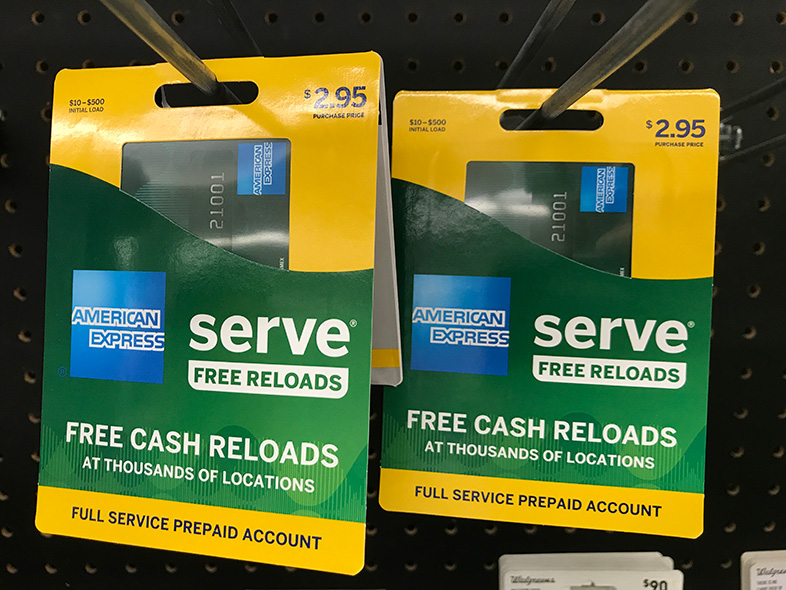
If you currently carry a balance on an Amex Serve or Walmart Bluebird card, the most urgent priority is funds retrieval. While American Express prepaid accounts carry pass-through FDIC insurance coverage through their holding institutions, those protections safeguard against institutional insolvency, not operational account freezes resulting from missed closure deadlines.
Cardholders have three direct options to recover their money prior to the operational cutoff:
- Direct Electronic Transfer (ACH): Link an external checking or savings account inside the Bluebird or Serve web interface. Initiate an automated clearinghouse transfer to pull the remaining account balance into your primary financial institution. This method typically takes 2 to 4 business days to clear.
- Point-of-Sale Depletion or ATM Withdrawal: Spend down the remaining balance across everyday retail transactions, or visit a network ATM to pull physical currency. Keep daily ATM limits in mind, as standard limits typically cap cash withdrawals at $750 to $1,000 per day.
- Automated Check Disbursement: Once the final closure deadline arrives, American Express will permanently freeze the account. Any unspent funds will be disbursed via a physical paper check mailed to the primary address on file. Verify that your mailing address in your online profile is completely accurate to prevent severe delivery delays.
Any automated direct deposit routing numbers linked to your card, such as Social Security disbursements, tax refunds, or employer payroll, must be rerouted immediately. Any deposits attempted after the shutdown window will automatically bounce back to the sender.
Where Ex-Prepaid Users Go: Amex Checking and Modern Alternatives
The sunset of Bluebird and Serve does not leave consumers without choices. In fact, the broader financial services landscape in 2026 offers significantly better terms than legacy prepaid cards ever did.
For loyal American Express customers, the primary internal replacement is the American Express Rewards Checking account. Unlike prepaid cards, this is a full-fledged consumer checking account issued directly by American Express National Bank. It provides genuine deposit insurance, charges no monthly maintenance fee, incurs zero account minimums, and earns Membership Rewards points on eligible debit purchases. It integrates cleanly into the main Amex mobile application alongside existing credit cards.
Outside the Amex garden, consumers requiring physical cash reload networks have several strong prepaid debit alternatives:
- Chime Checking: Ideal for fee-free banking with broad access to fee-free cash deposits at major retail partners like Walgreens.
- Green Dot Unlimited: A practical choice for individuals who rely heavily on cash reloads across brick-and-mortar retail stores and desire cash-back rewards on spending.
- Capital One 360 Checking: Offers zero monthly fees, no minimum deposit requirements, and allows users to make cash deposits directly at CVS and target locations nationwide.
The fundamental advantage of modern checking over early-generation prepaid setups is the elimination of friction fees. Most digital-first checking accounts completely waive out-of-network inquiry costs, card replacement fees, and secondary activation charges that quietly drained balances on older prepaid cards.
Frequently Asked Questions (FAQ)
Q1: Will my credit score drop when Amex closes my Serve or Bluebird account?
A1: No. Prepaid cards do not report payment performance, balances, or credit lines to the major credit reporting agencies (Experian, Equifax, TransUnion). The closure of a prepaid card has zero direct impact on your credit profile.
Q2: What happens if a direct deposit hits my Bluebird card after the account closes?
A2: The transaction will be rejected by the processor and returned to the originator. If your employer or a government agency attempts to deposit funds, expect a delay of 5 to 10 business days before the payer receives the returned funds and reissues your payment.
Q3: How long do I have to cash the closing balance check Amex sends in the mail?
A3: Corporate disbursement checks are generally valid for 180 days from the date of issue. If left uncashed past this window, the funds risk being transferred to your state's unclaimed property division under standard escheatment regulations.
Navigating the Post-Prepaid Financial Landscape
The retirement of Serve and Bluebird marks the end of an era when retail stores served as the primary banking portal for millions of American families. When American Express first introduced these cards, the gap between traditional banking institutions and unbanked households was vast, expensive, and predatory. These early prepaid cards helped establish that retail deposit tools could be provided affordably without punishing consumers with hidden fees.
Digital banking has evolved far beyond the limits of plastic cards that must be topped up at store counters. Full-featured, fee-free checking accounts now offer mobile check deposits, early payroll access, integrated savings tools, and authentic FDIC backing directly on a smartphone screen. If you still rely on an Amex prepaid card, review your current balance today, redirect your automatic deposits, and move your money to an updated financial account that offers long-term stability and modern protections.


