Why Millions of TikTok Accounts Are Suddenly Facing Sweeping Guideline Strikes

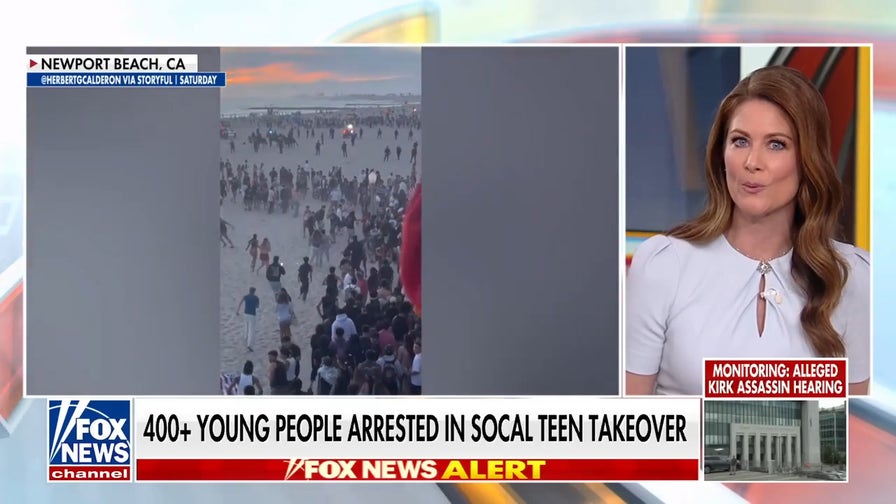
In early 2026, TikTok deployed an unprecedented overhaul of its safety infrastructure, triggering an avalanche of automated penalties across the globe. Creators with millions of followers have opened the app to discover their reach crushed overnight, while everyday users find short clips flagged, muted, or deleted within seconds of upload. Even critical community alerts, citizen journalism, and rapid local reporting, such as civic networks tracking local enforcement actions highlighted in recent coverage by a PBS Report, are frequently snagged by sweeping automated filters that struggle to separate sensitive public-interest documentation from prohibited conduct.
The sudden surge in disciplinary actions is not an accidental glitch. ByteDance has re-engineered the mechanics of enforcement to appease international regulators, prioritize child protection, and filter out low-effort synthetic media. The result is a friction-heavy platform where the line between minor infraction and permanent deplatforming has shrunk to razor-thin margins.
📌 Key Takeaways:
- Enforcement Surge: Millions of videos are vanishing as automated filters enforce zero-tolerance thresholds on borderline content.
- Structural Penalty Split: The platform now separates distribution penalties from account bans, silently revoking feed recommendations while keeping accounts active.
- Monetization Fallout: A single unoriginal content strike or safety flag immediately freezes creator rewards eligibility for 30 to 90 days.
The Shift to Zero-Tolerance Machine Vision
The vast majority of modern infractions never pass in front of a human moderator. Over 85% of removed videos in 2026 are flagged and pulled by automated content moderation systems before receiving a single user view. By deploying upgraded computer vision frameworks and real-time audio parsing, the platform scans every uploaded frame against dynamic threat databases.
Speed is the primary priority of this system. When a creator taps publish, neural networks inspect the file for visual hashes associated with banned topics, copyright matches, and prohibited behavioral markers. The algorithms also transcribe speech simultaneously, scanning spoken phrases against regional lexicons of restricted words. If the confidence score crosses a set threshold, the post disappears instantly. The creator receives an automated inbox notification citing broad safety provisions without specific timestamps or explanatory notes.
This automated approach creates significant collateral damage. Satirical commentary, fitness tutorials, medical education, and community warning footage routinely trigger false positives. The system flags fitness apparel as adult nudity. It mistakes kitchen cutlery for dangerous weapons. When community groups coordinate mutual aid or document law enforcement encounters, platform scanners often categorize the urgent dispatches as harassment or coordinated disruptive activity.
Deconstructing the Modern TikTok Strike System
TikTok operates an opaque disciplinary framework that isolates violations by policy vertical. Under the updated TikTok strike system, infractions do not gather into a single general tally. Instead, strikes accumulate within separate behavioral categories: safety, harassment, integrity, and commercial guidelines.
A strike inside the minor safety policy domain carries far heavier consequences than an intellectual property violation for unlicensed background audio. Two strikes under child protection rules can trigger an immediate, permanent device-level ban. By comparison, copyright infringements follow a standard statutory trajectory, typically providing multiple warnings before disabling account privileges.
The hate speech policy has experienced parallel tightening. Slang terms, political arguments, and heated cultural debates now trigger automatic review loops. Creators who reuse viral audio tracks that contain unrecognized slurs face severe distribution penalties, even when the underlying clip is entirely innocuous. Accumulating three strikes within any single high-severity policy bucket over a rolling 90-day window leads directly to irreversible termination.
Enforcement Tiers and Penalty Benchmarks
The consequences of guideline infractions range from silent algorithmic demotions to total profile purges. The following operational matrix outlines the primary enforcement categories active across the network in 2026:
| Violation Category | Enforcement Mechanism | Direct Account Consequence | Active Expiration Window |
|---|---|---|---|
| Minor Safety & Exploitation | Zero-tolerance automated purge | Immediate ban on 1st or 2nd strike | Permanent (No reset) |
| Unoriginal / AI Reposting | Recommendation suppression | Feed disqualification; payout freeze | 30, 90 days |
| Hate Speech & Harassment | Automated keyword & audio flags | Temporary comment & posting block | 90 days |
| Intellectual Property | Audio mute; DMCA removal | Live stream suspension after 3 strikes | 180 days |
The Algorithmic Blacklist: Reach Suppression and Feed Eligibility
The most widespread penalty in 2026 rarely arrives with a dramatic warning pop-up. Instead, the platform relies heavily on silent distribution throttling. The core engine driving this quiet punishment is the For You feed eligibility standard.
A video does not need to violate community standards outright to be stripped of algorithmic promotion. If the platform flags a post as borderline, repetitive, or sensationalist, it quietly tags the video as ineligible for recommendation. The creator can still see the video on their public profile, but non-followers will never encounter it. View counts collapse from hundreds of thousands down to a few dozen impressions.
Common shadowban triggers include abrupt surges in posting frequency, repurposing clips with existing digital watermarks, and triggering sensitive content filters. Furthermore, users operating with strict restricted mode settings will have your entire catalog filtered out if your content repeatedly brushes up against mild adult themes, profanity, or aggressive political debates.
Creator Rewards and the Financial Cost of Policy Flags
For independent digital businesses, content strikes carry immediate monetary penalties. ByteDance has tied creator rewards eligibility directly to clean compliance records. A single unoriginal content strike, often triggered by aggregating podcast clips, reaction templates, or royalty-free b-roll, instantly ejects the account from monetization programs.
Re-entry into monetization pipelines is not automatic once a penalty clears. When an account is removed from the rewards dashboard, creators face a mandatory waiting period of 30 days before they can reapply. During this lockout, existing payouts are routinely frozen pending a comprehensive account audit.
This policy specifically targets content farms relying on synthetic narration and clipped television segments. Yet independent video essayists and documentary creators often get trapped in the crossfire. Fair use defenses rarely register with automated screeners. A three-second clip of copyrighted broadcast news can wipe out a creator's entire monthly earnings in an afternoon.
Navigating the Appeals Process and Account Restoration
Challenging an automated strike requires navigating a notoriously opaque system. When content is flagged, the first line of defense is submitting a formal community guideline violation appeal directly through the in-app notification center. Speed is critical; appeals submitted within 24 hours of the initial strike achieve significantly higher reversal rates.
Avoid submitting generic defenses. The internal review queue prioritizes appeals that clearly state why the automated system misread the media context. Point directly to educational intent, journalistic documentation, or licensing clearances. If the automated tier rejects your submission, submit a secondary ticket via the safety reporting portal with full uncompressed video files and original script logs.
For complete deplatforming, filing an account suspension appeal demands rigorous documentation. Creators must provide legal verification, account ownership details, and a clear breakdown demonstrating that accumulated strikes stemmed from algorithmic false positives rather than intentional bad-faith activity. While simple strikes resolve in 48 to 72 hours, full restoration of a suspended account routinely takes 14 to 28 business days.
Frequently Asked Questions (FAQ)
Q1: How long do strikes stay active on a TikTok profile?
Standard guideline strikes remain active against an account for 90 days before expiring. However, severe infractions concerning child safety, violent extremism, or organized fraud never expire and remain permanently tied to your device identity and phone verification records.
Q2: Why are my videos suddenly getting zero views on the For You feed?
Your account has likely been marked as ineligible for recommendation. Check your post analytics: if the For You feed traffic source shows 0%, your content was flagged for unoriginal media, sensitive themes, or repetitive metadata, effectively cutting off algorithmic distribution to non-followers.
Q3: Does winning an appeal restore suppressed video analytics?
Winning an appeal removes the strike from your record and restores general monetization standing, but it rarely rescues the original video's momentum. Because the recommendation algorithm relies on rapid velocity within hours of upload, a post reinstated days later almost never regains its initial organic reach.
What Creator Operations Must Do Differently in 2026
Navigating the platform now requires proactive compliance management rather than reactive appeals. Creators can no longer afford to treat raw uploads as disposable experiments. Treat every visual asset, spoken phrase, and audio stem as an operational risk factor that algorithms parse for structural violations.
Keep raw source footage, edit files, and commercial licenses systematically archived. When publishing civic documentation, controversial commentary, or sensitive educational topics, clearly establish clear on-screen context within the first two seconds to lower automated machine-vision sensitivity. Relying entirely on platform algorithms to understand nuance is a direct route to channel extinction.