Why Schools Are Reversing Screen-First Tech Policies Despite Surging Classroom Gaming Tools
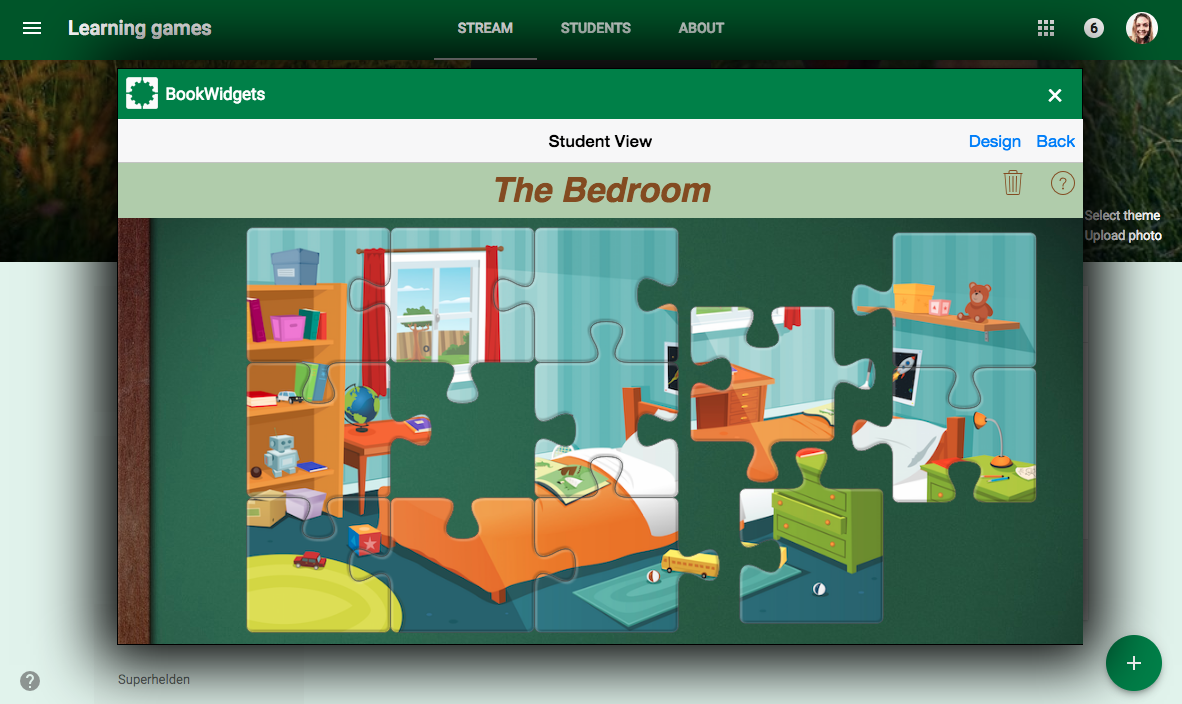
For nearly a decade, the standard American public school classroom ran on a familiar soundtrack: the percussive clatter of plastic laptop keys and the synth-heavy jingles of digital trivia countdowns. Educational platforms integrated seamlessly into Google Workspace for Education, transforming standard homework assignments into competitive, arcade-style drills. Yet across school districts in 2026, the chorus is quieting down. Teachers are shutting laptop lids mid-period, administrators are locking down web permissions, and school boards are facing heated parent meetings demanding an exit from tech-saturated pedagogy.
The reversal is unfolding in real time. As detailed in an ABC7 San Francisco Report tracking the nationwide pushback against classroom screens, schools that spent millions outfitting every child with a dedicated laptop are reassessing the pedagogical return on investment. Additional reporting from Education Week reveals that school districts are now bracing for organized resistance to excessive device usage. What began as an effort to keep remote students hooked on digital lessons has hardened into an exhausting baseline of continuous computer exposure.
📌 Key Takeaways:
- The Policy Reversal: US public school districts are rolling back one-to-one Chromebook usage models in favor of hard daily screen limits and pencil-and-paper assessments.
- The Behavioral Catalyst: Student digital fatigue, fragmented attention spans, and compulsive tab-switching have degraded reading endurance and classroom discussions.
- The Administrative Response: IT departments are introducing strict network filters to block gamified learning tools, unapproved third-party games, and idle web surfing during instruction hours.
How Classroom Gaming Conquered the School Day
The path toward screen saturation started with organizational convenience. When schools distributed millions of low-cost laptops during the shift toward remote learning, Google Workspace for Education established itself as the operating system of the modern school day. With it came an ecosystem of add-ons designed to capture the wandering attention of isolated students. Single-click logins through Google accounts removed technical friction. Teachers juggling hybrid cohorts turned to automated review platforms to verify that students remained logged in and active.
Software developers seized the opening. Gamified learning tools evolved rapidly from modest multiple-choice quizzes into high-octane battle royales, tower-defense simulators, and virtual economies. Platforms like Blooket, Gimkit, and Kahoot! relied on variable reward schedules, flashy digital avatars, and rapid-fire guessing loops borrowed directly from mobile gaming design.
Assigning these exercises required zero preparation: an educator imported a vocabulary list, clicked a sync button inside Google Classroom, and watched a dashboard light up with green activity checks. For overworked teachers facing systemic burnout, the setup served as an instant classroom manager. A quiet room filled with glowing faces looked, at least on administrative dashboards, like a room full of motivated learners.
The Rise of Student Digital Fatigue and Vanishing Focus
By 2025, the secondary effects of that uninterrupted screen consumption became impossible to overlook. Middle and elementary school educators reported sharp declines in student attention span when tasks demanded sustained focus without animated rewards. Seventh graders who could click through 120 trivia prompts in 10 minutes struggled to read four consecutive pages of printed text without checking for a notification or asking for a screen break.
The biological toll accumulated quietly. Optometrists reported record spikes in pediatric eye strain and dry eye symptoms among elementary students spending upwards of six hours per day staring at budget display panels under fluorescent lighting. In community forums and faculty lounges, the conversation shifted from the benefits of educational gamification to the realities of student digital fatigue.
The mechanics that made classroom web games popular also made them compulsive. When platforms reward speed over contemplation, students develop habits of rapid pattern recognition rather than conceptual understanding. Pupils routinely guess their way through math problem sets, clicking whichever answer prompt resets the cooldown timer on their virtual in-game upgrades. Instead of building literacy, the games trained children to hunt for dopamine hits between instructional modules.
District Crackdowns: The 2026 Policy Pivot
District leaders are responding with aggressive Chromebook policy restrictions. Rather than treating laptops as default instructional tools, schools are returning devices to locked storage carts, allocating access strictly for specific writing projects, state testing, or targeted research periods.
| Policy Category | One-to-One Expansion Era (2020, 2023) | Screen Retrenchment Era (2025, 2026) |
|---|---|---|
| Daily Device Allocation | Unrestricted; 5, 7 hours across all core subjects | Capped at 60, 90 minutes daily; cart-based checkouts |
| Gamified Web Platforms | Broadly encouraged for formative checks and warmups | Restricted via centralized IT blacklists; limited to weekly reviews |
| Primary Testing Mode | Automated online quizzes, LMS forms, digital dropboxes | Handwritten essays, paper test booklets, oral defenses |
| Network Management | Open browser environments with basic content filters | Strict application whitelisting and background tab monitoring |
The screen saturation backlash is driving institutional spending decisions. Districts in Texas, Ohio, and California that once budgeted for rolling four-year hardware upgrade cycles are reallocating tech funds toward physical textbooks, paper workbooks, and updated library collections. Device-free classroom initiatives are no longer confined to affluent private academies; public school districts now highlight analog instructional hours to reassure frustrated parents that children will write by hand and speak to one another during the school day.
The Flaw in EdTech Engagement Metrics
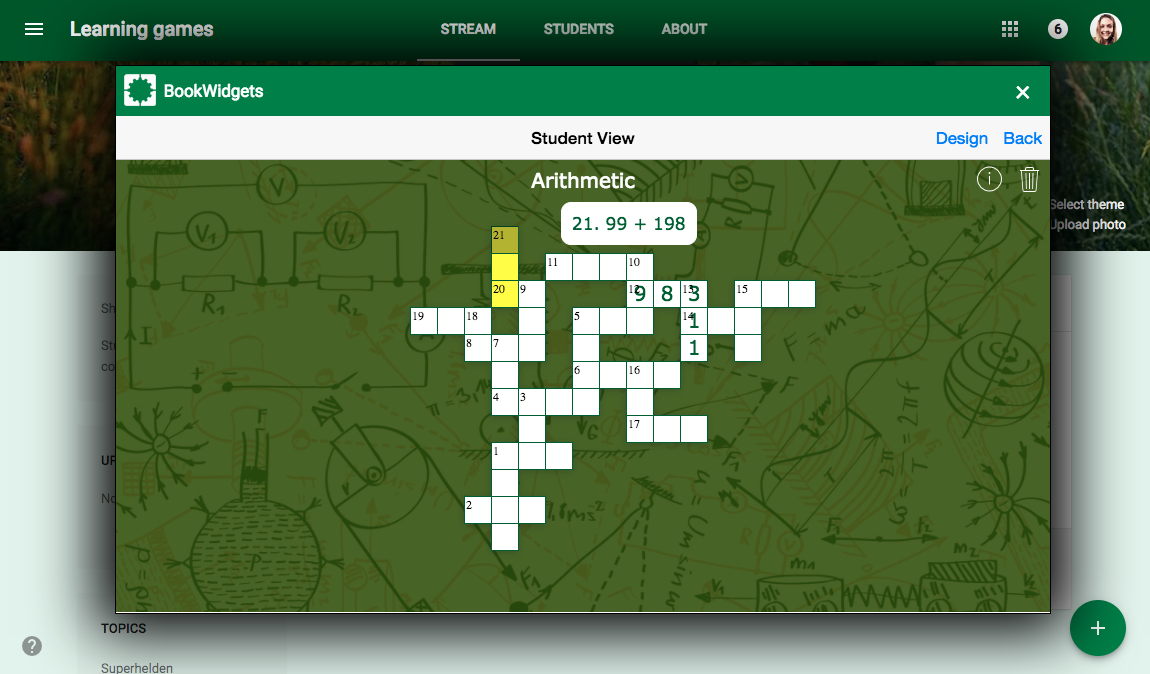
The central disconnect behind the software rollout lies in how modern software metrics define success. For enterprise venture funds and educational software companies, "engagement" is a technical measurement: sessions initiated, daily active users, click frequencies, and task completion percentages. A class running a live session of an interactive trivia title logs near-perfect engagement figures across every administrative telemetry dashboard.
Yet cognitive scientists and classroom observers emphasize that click frequency rarely mirrors retention. A student rapidly cycling through five-second questions on a screen is running through visual reflexes, not analytical reasoning. When the mechanics of game progression, collecting virtual gold, sabotaging classmates, or hatching digital pets, eclipse the instructional material, learning becomes incidental to the game loop.
Teachers also face the unending challenge of tab management. A middle-schooler with access to an unmanaged web browser quickly discovers unblocked browser games disguised as educational utility programs. The modern class period frequently degrades into a game of surveillance, with teachers monitoring screen mirrors on their own monitors while students switch back and forth between work tabs and illicit web games.
Evolving Digital Learning Regulations and District Mandates
The push to curtail digital dependence has reached state legislatures and regional boards of education. Several states are drafting digital learning regulations that mandate strict classroom screen time limits for students in grades K, 5, setting mandatory caps that bar schools from exceeding two hours of daily device use outside of specialized computer science electives.
These policies parallel the widespread surge in classroom smartphone bans. As schools successfully implemented cell phone lockboxes and pouch systems, the primary remaining vector for distraction stood open on the student's desk: the district-issued laptop.
IT departments are adapting by revoking blanket administrative privileges for teachers. Individual classrooms can no longer unilaterally integrate unvetted third-party web games into their daily routines. Web applications must now clear strict district audits that evaluate cognitive value alongside student privacy compliance under the Children's Online Privacy Protection Rule (COPPA). When platforms fail to demonstrate clear, measurable improvements in reading comprehension or long-term math retention, districts refuse to renew their enterprise site licenses.
Replacing Digital Loops with Device-Free Learning Activities
The departure from perpetual screen use is reviving interactive learning activities that rely on shared physical space rather than individual digital displays. Teachers are trading online review apps for whiteboard relays, card sorts, Socratic circles, and board games adapted for curricular topics.
These physical alternatives force students to negotiate, articulate arguments aloud, and handle tactile learning materials. A small-group debate requires an active human presence that cannot be replaced by clicking buttons on an animated interface. Students working through complex multi-step algebra problems on physical paper maintain an unbroken visual record of their errors, unlike digital platforms that simply spit out a red 'X' and encourage another fast guess.
Laptops are resuming their proper role as secondary research and production utilities rather than default curriculum deliverers. Students open devices when drafting an extended paper or compiling data, and close them when instruction begins. The priority has shifted from maintaining a seamless digital pipeline to establishing an environment where deep, uninterrupted attention can take root.
Frequently Asked Questions (FAQ)
Why are school districts placing limits on educational browser games?
Districts are intervening because rapid-fire trivia games encourage superficial guessing, weaken student attention spans, and contribute to severe classroom screen saturation without measurably improving comprehension or reading endurance.
How do classroom screen time limits work during a standard school day?
Most district policies set a maximum ceiling of 60 to 90 minutes of total device use per day for elementary and middle schoolers. Devices remain parked in charging carts until a teacher requires them for a designated, non-routine task like essay typing or primary source research.
Are schools entirely abandoning Google Workspace for Education?
No. Schools continue to use cloud suites for file distribution, document submission, and collaborative writing. The rollback targets excessive screen time, third-party gaming integrations, and the practice of using interactive digital platforms as all-day instructional substitutes.
The Road Ahead for Classroom Technology
The retrenchment taking place across American schools marks an overdue recalibration. The initial thesis of the digital classroom assumed that frictionless software distribution and game-like incentives would naturally produce deeper academic engagement. Five years of persistent behavioral friction, classroom fatigue, and uneven learning outcomes have tested that hypothesis to its limits.
Restoring balance does not mean stripping modern technology from public schools. It requires setting firm boundaries around when a screen aids instruction and when it gets in the way. By limiting gamified platforms and reinstituting physical, print-first instruction, schools are choosing long-term cognitive endurance over temporary software compliance. The focus in modern education is shifting back to the essentials: shared physical spaces, sustained focus, and instruction unmediated by an algorithmic scoreboard.
