Why the Viral ‘6-7’ Craze Is Taking Over NBA and College Arenas Nationwide
When the home team's digital scoreboard flips to 67 points inside collegiate and professional arenas this season, the reaction is no longer polite applause. Instead, entire arenas erupt into a thunderous, rhythmic chant while stadium sound systems queue up the opening horns of Philadelphia rapper Skrilla’s viral track. As detailed in a recent FOX Sports Report, the viral "6-7" phenomenon has swept basketball venues nationwide, evolving from a niche internet meme into an infectious live stadium tradition.
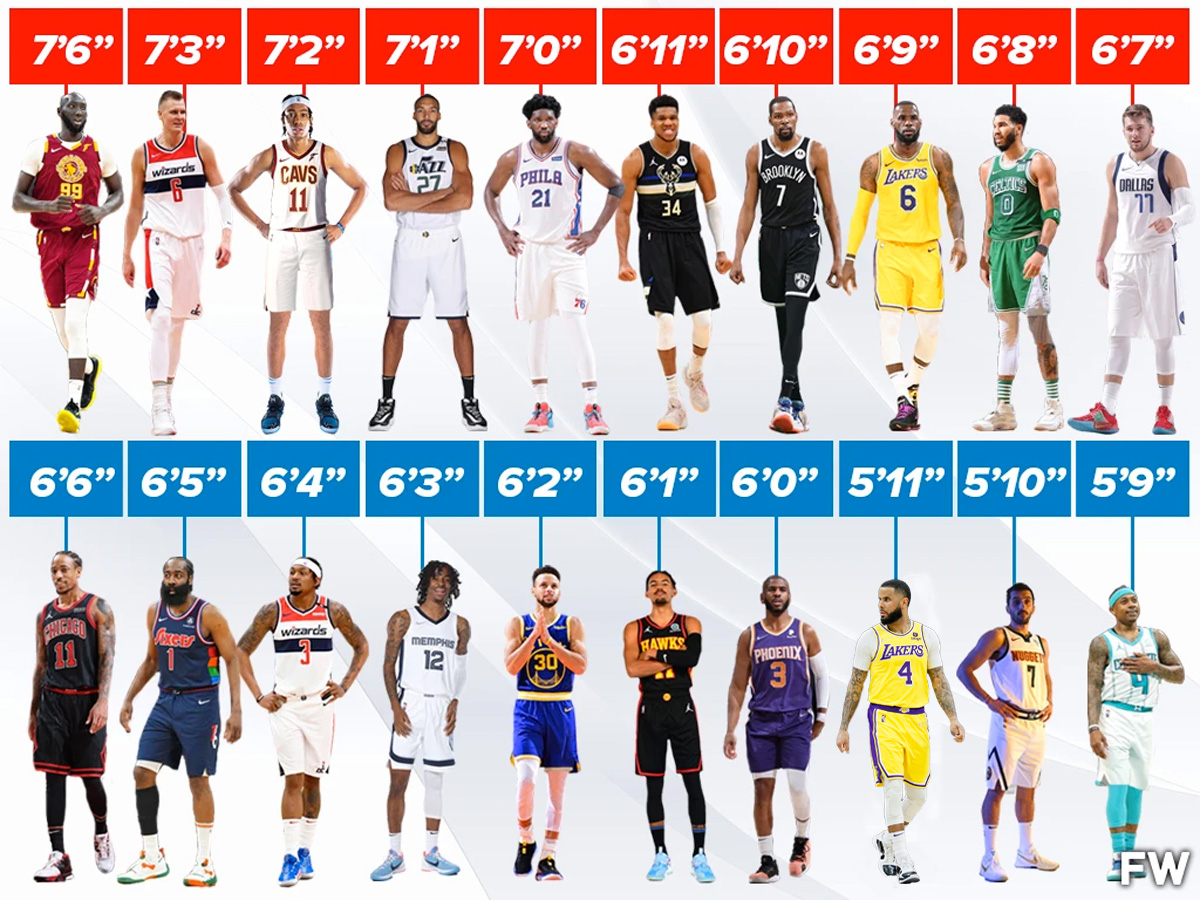
Yet beneath the deafening decibels of student sections lies a striking basketball coincidence. The exact metric fueling the sport's rowdiest audio sensation, 6-foot-7, also defines the tactical gold standard on the hardwood. In today's NBA and NCAA landscapes, the 6'7 frame has become the ultimate structural blueprint for positionless wings, bridging viral arena culture with modern defensive schemes and offensive shot creation.
📌 Key Takeaways:
- The Viral Arena Spark: What originated as Oklahoma Sooners student sections celebrating the 67th point with Skrilla's underground drill track has spread to NBA soundboards across the league.
- The Tactical Archetype: Modern front offices view 6-foot-7 as the mathematical sweet spot for basketball versatility, offering a 7-foot wingspan, multi-position defensive switching, and primary ball-handling duties.
- Cultural Convergence: The intersection of TikTok audio trends, student-section antics, and elite on-court archetypes demonstrates how digital basketball subcultures now directly shape live broadcast environments.
How a Philadelphia Drill Track Hijacked College Basketball Scoreboards
The wildfire began in Norman, Oklahoma. During early-season non-conference play in late 2025, the Oklahoma Sooners basketball student section started weaponizing a repetitive social media sound bite. Whenever the Sooners eclipsed the 66-point mark, students began anticipating the scoreboard transition. The moment the digital panel displayed 67, thousands bounced in unison, shouting the distinctive cadence from rapper Skrilla's track.
The ritual quickly detached from its local origin. Visiting opponents noticed it first, followed by conference rivals throughout the SEC, Big Ten, and Big 12. Student sections at Kentucky, Michigan State, and Kansas adopted the synchronized ritual, turning every routine free throw near the mid-60s into a high-stakes countdown.
The contagion did not stop at the collegiate level. By mid-February 2026, arena entertainment directors in NBA markets from Memphis to Chicago started loading the cue directly into their stadium audio boards. The transition from organic fan chant to corporate-approved stadium prompt happened in less than ninety days. In an interview with The Lufkin Daily News, Skrilla expressed genuine surprise at watching major arenas and family-friendly broadcast networks broadcast his underground cadence to millions of weekly viewers.
The Anatomy of 6-Foot-7: The NBA's Most Lethal Physical Archetype
While fans shout the number from upper decks, coaches obsess over it on their scouting whiteboards. The 6'7 frame represents the functional zenith of modern positionless basketball. Players at this exact height possess the center of gravity needed to slide with shifty 6-foot point guards on the perimeter, combined with the core strength and length to contest 6-foot-11 forwards at the rim.
Historically, players of this stature were shoehorned into traditional small forward duties. Today, they run the offense. NBA franchises build entire schemes around 6'7 engines who command possessions:
- Stars like Luka Dončić leverage a stout 6-foot-7 frame to post up smaller guards, see over trapping defenses, and rifle corner passes with clear sightlines.
- Defenders such as OG Anunoby and Scottie Barnes utilize high-motor wingspans between 7'0" and 7'2" to erase driving lanes and eliminate isolation attempts.
- Shot Creation Under Duress: Scorers like Kawhi Leonard and Jayson Tatum exploit the height to elevate cleanly over contested mid-range closeouts, rendering fundamental defense mathematically obsolete.
Front offices no longer search for conventional point guards or interior bangers. They collect 6'7 wings who handle like guards and rebound like centers.
Tracking the 6-Foot-7 Impact: Performance Metrics and Cultural Milestones
To understand how the physical archetype and the cultural trend took over the sport simultaneously, examining the metrics behind wing performance and the timeline of the viral frenzy provides clear perspective.
| Metric / Milestone | Collegiate Level (NCAA) | Professional Level (NBA) |
|---|---|---|
| Average Wingspan at 6'7" | 6'10", 7'0" | 7'0", 7'3" |
| Defensive Switch Rate | 58.4% across 1, 4 positions | 74.2% across all 5 positions |
| Viral Arena Adoption Date | November 2025 (Oklahoma Sooners) | January, February 2026 |
| Scoreboard Chant Trigger | Reaching 67 team points | Reaching 67 points / PA sound drop |

Why Student Sections Dictate Today's In-Game Arena Experience
The meteoric rise of the 6-7 chant exposes a shift in how sports culture propagates. A decade ago, in-game stadium entertainment followed a scripted, top-down model. Organizers blasted stadium-rock staples through the speakers, and fans clapped along on cue.
That framework is dead. Generation Z fans arriving in collegiate student sections demand collective participation rooted in internet authenticity. When a community rally point originates on campus, filmed on smartphones, edited into TikTok shorts, and amplified on X, it carries cultural equity that marketing teams cannot manufacture.
By the time athletic departments realized what was happening during the Sooners' home stands, trying to suppress the chant would have caused fan backlash. Athletic directors chose assimilation. When the home team hits 67 points, operators turn the volume knobs up, flashing custom graphics across the Jumbotron. The broadcast networks followed suit, with national commentators pausing their play-by-play analysis to let the arena audio feed wash over television living rooms.
The Defensive Cheat Code: Versatility Over Traditional Rim Protection
On the floor, coaches value 6-foot-7 talent because offensive spacing has dismantled traditional rim protectors. Drop-coverage big men who cannot leave the painted area get systematically torched in pick-and-roll mismatches. Modern offenses run five-out sets designed to drag traditional centers 25 feet away from the basket.
A lineup anchored by three or four 6'7 players neutralizes that strategy entirely. Switching screens becomes seamless because there is no tangible physical drop-off between the initiator and the helper. When an offensive ball-handler calls for a ball-screen to shake an elite 6'7 perimeter defender, the defense simply switches another 6'7 athlete with equal lateral quickness into the space.
This perimeter defense versatility strangles opposing shot clocks. Passing lanes vanish under outstretched 84-inch wingspans. Defenses force late-clock, contested step-backs rather than uncontested layups. In contemporary basketball theory, roster construction is no longer an arms race for height; it is a battle for functional wing length.
Frequently Asked Questions (FAQ)
Q1: What started the viral "6-7" chant at basketball games?
The trend began in late 2025 when the Oklahoma Sooners men's basketball student section started chanting along to Philadelphia rapper Skrilla's viral track whenever the team scored its 67th point. The interactive moment blew up across social media and quickly spread to collegiate and NBA venues nationwide.
Q2: Why are 6-foot-7 players considered so valuable in modern basketball?
A height of 6'7 provides the optimal balance of agility, lateral foot speed, and length. Players of this size are strong enough to battle power forwards inside while remaining fast enough to guard point guards on the perimeter, making them indispensable in switch-heavy defensive schemes.
Q3: How have NBA teams incorporated the viral 6-7 craze into their games?
Several NBA arena sound coordinators now queue Skrilla's track or visual "6-7" graphics on Jumbotrons when the home team reaches 67 points. The chant has transitioned from an organic student-section prank into an officially embraced stadium hype ritual.
The Evolution of In-Arena Basketball Culture
Basketball has entered a period where the barrier between internet culture and live sporting events has completely dissolved. The rapid spread of the 6-7 craze highlights how connected modern fan bases have become. A student section joke in Oklahoma can become a staple across twelve different professional arenas in a matter of weeks, fueled by algorithmic amplification and youthful fan energy.
At the same time, the sport’s strategic landscape continues to reward players who match that identical physical specification. Whether through the viral roar of thirty thousand fans celebrating the 67th point on the scoreboard or the smothering defense of a 6-foot-7 wing suffocating a championship possession, the number has become basketball's defining calling card. Teams that harness that energy in the stands, and draft that physical profile on the court, are dictating the sport's direction.
