Why TikTok Suddenly Banned the "Legging Legs" Trend: The Alarming Truth Behind the Viral Craze

When millions of TikTok feeds suddenly filled with short clips of creators posing in athletic wear, the videos looked innocent at first glance. Within weeks, however, the phrase "legging legs" evolved into a restrictive physical standard that triggered widespread outrage across the platform. As detailed in a Good Morning America report, the trend prompted an immediate intervention by ByteDance, culminating in a platform-wide search block aimed at halting the spread of harmful physical benchmarks.
The swift action highlighted a long-standing tension between viral social media aesthetics and adolescent mental well-being. What users witnessed was not an isolated fashion fad, but the algorithmic resurrection of early-2010s thinness obsession repackaged for a younger generation. By redirecting queries directly to support hotlines, TikTok acknowledged the acute danger posed by covert body-checking content circulating unchecked among millions of young viewers.
📌 Key Takeaways:
- The Core Driver: The "legging legs" phenomenon popularized the premise that workout tights only look flattering on bodies featuring a distinct, visible thigh gap.
- The Platform Response: TikTok enacted a full keyword ban, pointing search traffic directly to eating disorder recovery resources and the NEDA helpline.
- The Wider Impact: Healthcare providers point out that bone structure, not fitness or dieting, dictates thigh spacing, warning against algorithmically driven body dysmorphia risks.
How Activewear Sparked an Algorithmic Body Trap
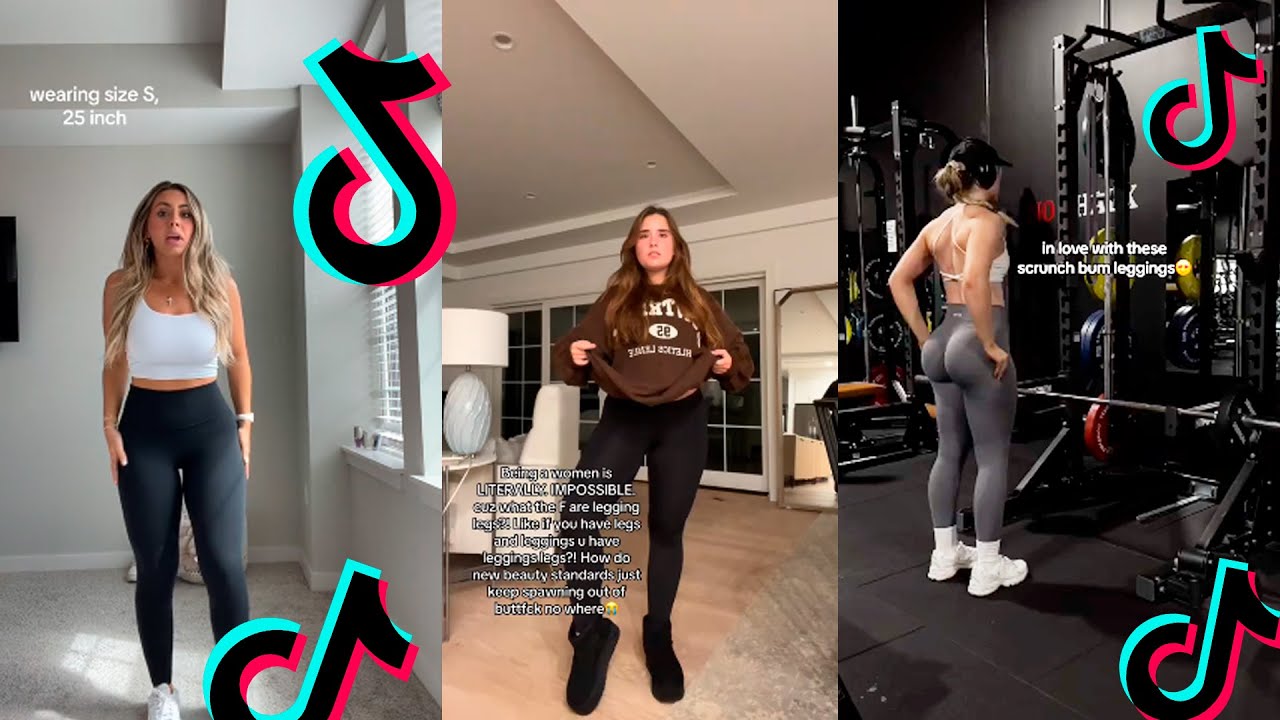
The phenomenon started subtly. Creators recorded standard fit checks wearing popular brands like Lululemon or Gymshark, turning toward full-length mirrors to showcase their silhouettes. Soon, audio clips and user commentary shifted the focus from the clothing to the space between the wearer's inner thighs. Within days, videos under the hashtag suggested that wearing leggings required a pronounced gap between the upper legs.
This subtle redefinition transformed activewear into a pass-fail test. Millions of teenage users encountered videos praising extreme thinness as a prerequisite for everyday casual wear. The platform's recommendation engine favored high-engagement clips, accelerating the spread of posts that elicited emotional reactions. Body anxiety fueled view counts, and the algorithm responded by serving similar clips to users who lingered on them.
Community backlash grew rapidly. Fitness trainers, pediatricians, and everyday users began posting stitches and duets denouncing the aesthetic benchmark. They pointed out that skeletal anatomy, specifically pelvic width and femoral angle, determines whether an individual has a gap between their thighs. No workout regimen or caloric restriction can fundamentally alter underlying hip bone geometry.
The 2010s Thigh Gap Comparison Resurfaces on Modern Feeds
Cultural observers immediately recognized the parallels between this craze and the pro-anorexia Tumblr culture of 2012, 2014. During that period, black-and-white photos celebrating severe calorie deficits and razor-thin lower bodies proliferated without moderation. The "legging legs" phrase simply applied modern athleisure branding to an older, discredited preoccupation with dangerous thinness.
The speed of modern distribution amplified the damage. On older blogging networks, users had to actively seek out specific tags to encounter extreme body-checking material. On TikTok, the For You Page delivers unsolicited clips directly to passive viewers based on engagement signals. A teenager watching stretching routines or campus vlogs could find their feed suddenly saturated with thigh gap comparison clips within hours.
This dynamic created severe body image concerns for vulnerable audiences. Psychologists note that passive consumption of physical comparisons inflicts more psychological damage than intentional searches. When users do not choose to see restrictive imagery, the content catches their critical defenses down, accelerating internal comparisons and dissatisfaction.
From Viral Growth to Platform Intervention: The Moderation Shift
Public pressure peaked when major media outlets began tracking the phenomenon in late January 2024. Reporting by CBS News and People pushed TikTok to alter its algorithmic content moderation. The company removed the search term and applied direct safety redirects for related phrases.
| Phase | User Activity | Platform Response |
|---|---|---|
| Initial Surge (Jan 2024) | Creators post outfit checks focused on leg spacing, generating tens of millions of views. | Automated distribution feeds videos to fitness and fashion feeds via recommendation systems. |
| Community Pushback (Late Jan 2024) | Medical professionals and body-positive creators upload counter-videos calling out disordered framing. | TikTok search ban initiated; queries route directly to the NEDA helpline redirect. |
| Evasion & Enforcement (2024, 2026) | Users attempt subtle misspellings (algospeak) to bypass keyword filters. | Continuous updates to community guidelines enforcement targeting coded weight-loss phrases. |
When users entered the phrase after the ban, the interface replaced video results with a message: "You are not alone. If you or someone you know is having a difficult time with body image or eating concerns, help is available." The prompt directed users to contact the National Eating Disorders Association (NEDA), marking a clear pivot from passive hosting to active harm reduction.
Clinical Perspectives on Body Dysmorphia and Micro-Trends
Medical professionals caution that short-lived social media tropes carry lasting consequences. The constant introduction of micro-standards targets specific body parts that young people previously gave little thought to. Instead of assessing overall wellness, viewers develop hyper-fixations on ankles, collarbones, or inner thigh gaps.
Organizations centered on eating disorder awareness have documented how hyper-focused trends trigger obsessive behaviors. Restricting food intake, over-exercising, and repetitive mirror checking frequently spike when a physical trend peaks. Because athletic clothing carries connotations of health and vitality, toxic beauty standards disguise themselves as fitness inspiration, making them harder for adolescents to evaluate critically.
Dr. Rachel Goldman, a licensed psychologist and clinical assistant professor at NYU Grossman School of Medicine, regularly cautions against equating arbitrary physical traits with health. Bone spacing between the legs correlates primarily with pelvic breadth, not cardiovascular endurance or muscle tone. Internalizing an unattainable anatomical baseline invariably sets individuals up for chronic psychological distress.
The Evasion Problem: Why Banning Single Keywords Falls Short
Banning hashtags offers necessary triage, but it rarely eradicates the underlying behavior. Once TikTok silenced the original term, users experimented with phonetic respellings, alternative terminology, and coded sounds to bypass filters. This persistent cat-and-mouse dynamic exposes the limitations of relying on static word blacklists.
Content moderation systems struggle when toxic messages hide inside ordinary behavior. A video featuring someone standing in front of a mirror does not inherently violate community guidelines. The harm stems from the accompanying context: caption prompts, background songs associated with disordered eating, and comment threads evaluating the creator's body proportions. Machine-learning classifiers often miss these social cues.
The regulatory pressure on platforms continues to build. Lawmakers in both the United States and the European Union have cited algorithmic amplification of body-checking trends in legislative hearings examining teen mental health. Platforms face rising demands to audit how their feed architectures prioritize content that accelerates physical self-scrutiny among minors.
Frequently Asked Questions (FAQ)
Q1: Why did TikTok ban the "legging legs" hashtag?
TikTok blocked the term because it promoted an unhealthy standard equating legging aesthetics with an anatomical thigh gap. The trend prompted extensive complaints from mental health professionals and educators who warned that the clips encouraged eating disorders and body dysmorphia among young users.
Q2: What happens now when someone searches for the term on TikTok?
Instead of displaying search results, TikTok displays a crisis intervention resource panel. Users receive direct links and contact details for eating disorder helplines, including the National Eating Disorders Association (NEDA) and equivalent regional crisis networks.
Q3: Can targeted workouts produce a gap between the thighs?
No. The presence of a gap between the upper legs is fundamentally dictated by genetics and bone architecture, specifically the width of the pelvis and the positioning of the hip sockets. Diet and targeted leg exercises cannot shift skeletal alignment or widen pelvic dimensions.
The Road Ahead for Social Media Body Standards
The rise and fall of this specific trend exposed how easily harmful physical ideals reinvent themselves inside modern video apps. Platform crackdowns provide a necessary shield, but digital literacy remains the ultimate long-term defense. Users who recognize that viral aesthetics recycle outdated body pressures are far better equipped to scroll past them without internalizing the harm.
Real progress requires digital platforms to move beyond surface-level keyword deletions. Addressing the problem means re-engineering recommendation systems so that videos profiting off physical insecurity do not receive outsized distribution in the first place. Until algorithms stop rewarding body scrutiny, the responsibility falls on communities, parents, and healthcare advocates to call out toxic standards whenever they emerge under a new name.


