Why Your Shower Drain Smells Awful and How Removing the Cover Fixes It
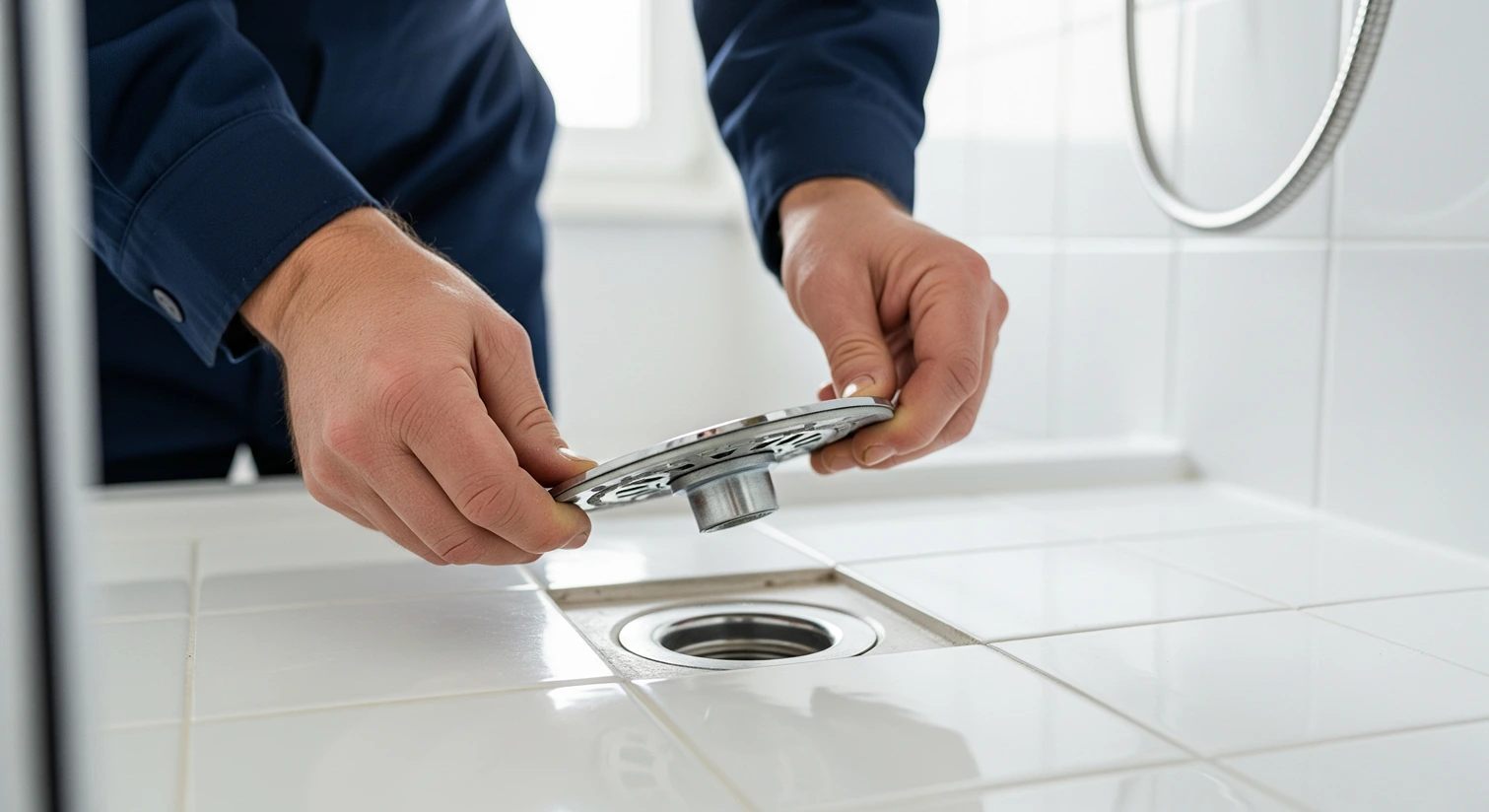
That sour, rotting funk drifting out of your shower stall rarely starts deep inside municipal sewer mains. Most homeowners smell an aggressive biological mat anchored directly to the underside of the metal grate, mere inches below their feet. As detailed in a recent Family Handyman Report on domestic drainage emergencies, sudden foul bathroom odors often trace back to trapped hair and decayed soap scum rather than municipal line failures.
Getting rid of the stench permanently requires pulling the hardware, mechanically clearing the trapped debris, and neutralizing the bacteria colonizing the fixture. Splashing scented bleach down the surface slots will not cut through dense layers of grease and hair. You have to remove the cover, scrub away the black slime clinging to the lip, and pull the roots of the clog from the pipe throat.
📌 Quick Summary:
- The Root Cause: Decaying hair, body oils, and shedding skin form a dense bio-film directly beneath your drain grate, creating a pungent swamp-gas odor before reaching the trap.
- Mechanical Removal: Most covers either pop off via flathead screwdriver prying or require backing out corrosion-prone screws with specialized extraction techniques.
- The Permanent Fix: Combine physical debris extraction with boiling water and mineral deposit dissolving agents, completely bypassing harsh caustics that eat residential plumbing.
The Biology Behind the Odor: P-Trap Bio-Film Buildup vs. Sewer Gas Odor
Distinguishing between true sewer gas and bio-film decay saves hundreds of dollars in unnecessary plumbing calls. Municipal sewer lines produce hydrogen sulfide, which carries a distinct, sharp rotten-egg smell that permeates the entire room evenly. A dry P-trap lets that gas slip past the water barrier when a guest bath sits unused for weeks. Running the tap for 60 seconds refills the water trap and seals off line vapor instantly.
If the water seal is intact and the odor smells moldy, sweet, and rotten all at once, you are dealing with P-trap bio-film buildup. Warm shower water acts as an incubator. Every shower washes down shed keratin, animal-fat soaps, skin cells, and loose strands of hair.
That material snags on the rough underside casting of your shower drain and the support lip of the PVC pipe. Bacteria and fungal colonies establish themselves on the debris lattice within 48 to 72 hours. As these colonies consume the trapped protein matrix, they off-gas volatile organic compounds right into your warm bathroom air currents.
Identifying Your Hardware: Snap-In Grates, Screws, and Stopper Assemblies
Before grabbing tools, check how your drain attaches to the floor flange. Forcing the wrong mechanism strips delicate brass threads, cracks tile grout, or tears old fiberglass pans. Residential construction generally relies on three standard configurations:
The snap-in shower grate dominates modern construction. These round, slotted plates feature tension clips stamped along the perimeter that grip the interior lip of the drain flange. They lack screw holes entirely.
The traditional screw-in drain cover anchors via one or two small countersunk machine screws set into threaded brass receivers. Over time, hard water and galvanic corrosion weld these tiny fasteners to their seats, making them notoriously prone to stripping.
Bathtub-shower hybrids frequently use a mechanical lift and turn stopper or a push-pull assembly. These units feature an internal brass friction pin or a hidden set screw beneath the top cap, requiring counter-clockwise rotation while holding the base cylinder steady.
| Drain Cover Type | Fastening Mechanism | Primary Removal Tool | Common Failure Point & Fix |
|---|---|---|---|
| Snap-In Shower Grate | Perimeter tension prongs | Flathead screwdriver or bent coat hanger | Prongs snapping off; lever gently from opposite edges |
| Screw-In Drain Cover | 1, 2 countersunk machine screws | #2 Phillips or flathead screwdriver | Stripped heads; soak in penetrant, apply rubber band friction |
| Lift and Turn Stopper | Threaded center spindle or set screw | Pliers and slotted driver | Spindle spinning freely; grip base shaft with channel locks |
Mechanical Extraction: From Prying to Stuck Rusted Screw Removal
Removing a snap-in model takes about 30 seconds. Slide the tip of a rigid flathead screwdriver into one of the outer perimeter slots. Place a clean microfiber rag directly beneath the screwdriver shaft to protect adjacent tile glaze from chip damage. Push down on the handle to pry the edge upward.
If the plate binds, use a needle-nose pliers technique: insert the plier tips into two central slots, expand the handles outward against the slot edges to create friction, and pull straight up toward the ceiling.
+-------------------------------------------------------+
+-------------------------------------------------------+
Screw-in covers present far more resistance. Mineral crusts and soap residue often cement the tiny steel screws into the brass receiver rim. Forcing a stripped screw head ruins the drain pan entirely. If the screw resists moderate hand pressure, apply a penetrating spray or soak the fastener in concentrated white vinegar for 15 minutes to dissolve calcium deposits.
For stuck rusted screw removal, place a wide rubber band across the screw head before inserting the driver bit. The rubber fills the worn recesses of the stripped cross, giving the steel bit enough bite to back the thread out smoothly without rounding the metal.

The Deep Clean Protocol: Slime Eradication and Drain Cleaner Safety
Once the cover is off, the source of the smell becomes immediately visible: a thick, black, gelatinous sleeve hanging from the rim down into the pipe neck.
Feed a barbed plastic hair clog extractor tool into the opening, push it past the first bend, twist it 360 degrees, and pull it out. Dispose of the collected hair rope immediately in an outdoor trash bin.
+-------------------------------------------------------+
+-------------------------------------------------------+
Do not pour industrial caustics down an open drain pan. Comprehensive consumer testing across eight major commercial drain agents published by CNET in April 2026 confirmed that while select alkaline cleaners clear standing water, harsh chemical drain cleaner safety remains a real concern for home plumbing. Highly corrosive sulfuric acid formulations generate intense exothermic heat that softens PVC connections, corrodes thin brass waste pipes, and permanently etches the glazed surface of ceramic and acrylic shower pans.
Stick to mechanical cleaning and basic biochemistry instead:
- Scrub the bare drain throat and the removed grate with an old dish brush dipped in hot water and grease-cutting dish detergent.
- Pour 1 cup of baking soda into the throat, followed by 1 cup of distilled white vinegar to attack residual clinging grease.
- Let the mixture foam for 10 minutes while the mineral deposit dissolving reaction breaks down hard water crusts.
- Flush the entire assembly with a tea kettle of water heated to roughly 200°F (93°C) to melt lingering fats off the pipe walls.
Long-Term Prevention and Drain Strainer Replacement
Standard factory drain grates feature large holes engineered to allow high water volume at the expense of catching debris. If long hair routinely clogs your plumbing, drop the original plate into a drawer and invest in a modern shower drain strainer replacement.
Drop-in stainless steel domes and silicone-rimmed mushroom catchers fit inside standard 2-inch shower throats without requiring screws. These aftermarket catchers capture hairs on a micro-perforated cylinder positioned beneath the visual floorline. Water passes freely around the edges, eliminating ponding while keeping hair out of the dark, moist pipe neck where bacterial mats thrive.
Rinse these drop-in strainers once a week under the faucet. A quick 30-second rinse stops organic matter from building up, keeping your shower smelling clean without requiring harsh chemicals or extensive plumbing work.
Frequently Asked Questions (FAQ)
Q1: How do I remove a shower drain cover that has no visible screws?
A1: Drains without screws are snap-in models secured by friction prongs. Insert the blade of a flathead screwdriver into a perimeter slot, place a rag under the tool to protect your tile, and gently pry upward. You can also insert the tips of needle-nose pliers into the slots, spread the handles outward to lock against the edges, and pull straight up.
Q2: Why does my shower smell like rotten eggs even after a thorough surface scrubbing?
A2: Shower floors and tile surfaces do not hold deep pockets of organic material. The foul odor comes from the hidden underside of the drain cover and the interior pipe lip, where hair, body grease, and soap scum form an anaerobic bio-film that constantly off-gasses decay compounds into the room.
Q3: Can I safely use liquid bleach to eliminate the drain smell permanently?
A3: Bleach temporarily kills surface bacteria, but it washes straight past the thick hair clog holding the decaying material together. Within three to four days, surviving colonies recolonize the damp hair lattice and the smell returns. You must physically pull out the hair mass to eliminate the odor source completely.
Maintaining Fresh Air and Clear Pipes Year-Round
Household plumbing issues often cause unnecessary panic, but an offensive shower drain odor rarely requires hiring a professional contractor. The smell comes from decaying organic matter clinging to the metal grate and pipe walls, not from a catastrophic failure deep in your sewer line.
Taking twenty minutes to remove the grate, clean out the trapped hair, and scrub away the bio-film restores proper drainage and completely clears the air in your bathroom. Pair that simple routine with an inexpensive drop-in hair catcher, and you will never have to deal with that foul drain funk again.


