10 Things I Hate About You on Broadway: Cast, Music, Release Dates, and Everything We Know
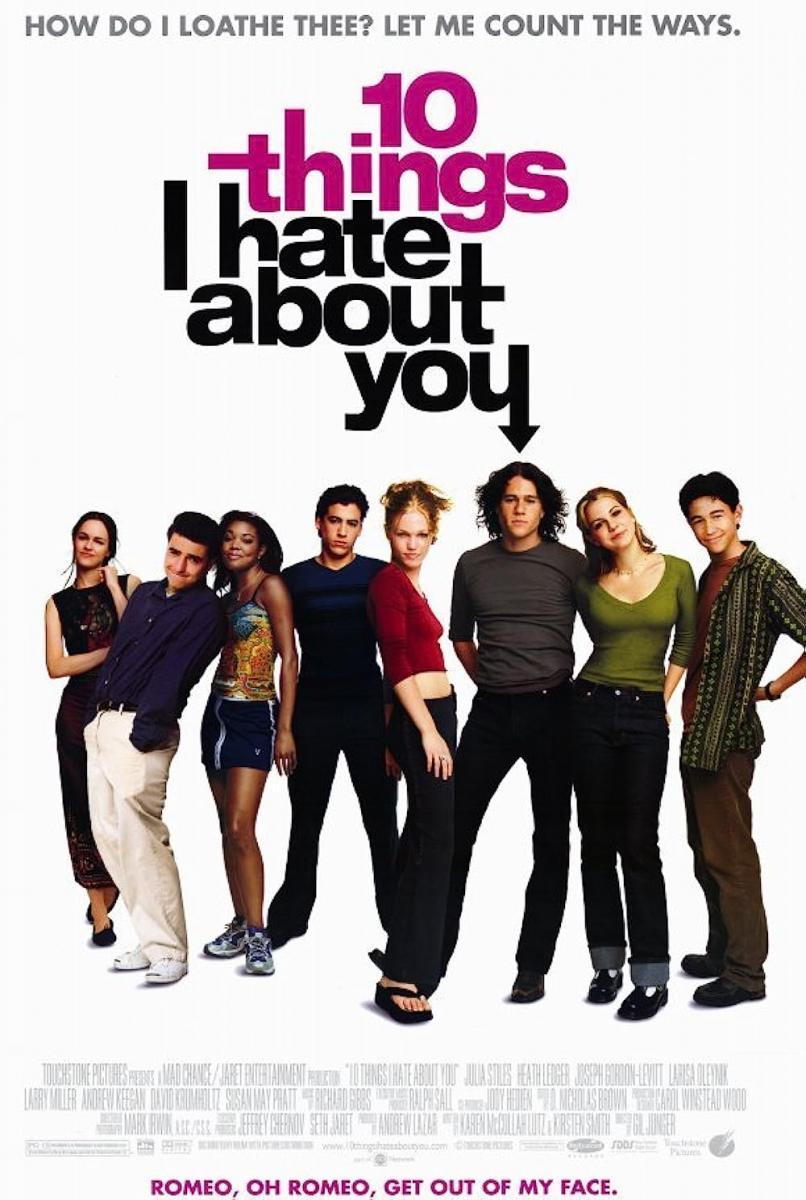
Twenty-seven years after Kat Stratford read her tear-streaked sonnet in front of an English class at Padua High, the quintessential late-nineties teen romance is headed for Midtown Manhattan. The long-rumored stage adaptation of the 1999 romantic comedy has officially locked its creative roster and targeted an arrival on Broadway for 2027, according to an industry dispatch from the New York Theatre Guide Report. The production pairs pop sensation Carly Rae Jepsen with an eclectic team of writers, signaling a project built on sharp character work rather than safe corporate homage.
The announcement from producers and industry trade trackers like Playbill confirmed that the stage adaptation features original music and lyrics by Jepsen alongside acclaimed songwriter-producer Ethan Gruska, with a libretto co-written by Lena Dunham and playwright Jessica Huang. For a title that launched the careers of Julia Stiles and the late Heath Ledger, the move from screen to stage carries both fervent multi-generational goodwill and an immense creative burden. Broadway audiences are notoriously skeptical of Hollywood hand-me-downs, but the deliberate choice to avoid a jukebox soundtrack gives this project immediate artistic gravity.
📌 Key Takeaways:
- Broadway Timeline: Producers are slating a premier Broadway run for the 2027 season following developmental labs and regional previews.
- The Creative Core: Carly Rae Jepsen and Ethan Gruska provide an entirely original score, while Lena Dunham and Jessica Huang collaborate on the book.
- Original Story Engine: Rather than curating a jukebox playlist of nineties alternative hits, the production translates William Shakespeare’s The Taming of the Shrew through modern feminist pop-punk and narrative-driven musical theater.
Translating Padua High: Why the 1999 Rom-Com Commands the Stage
Directed by Gil Junger and written by Karen McCullah and Kirsten Smith, the original 1999 film was never just another teen flick. It served as a razor-sharp modern translation of Shakespeare's The Taming of the Shrew, trading Renaissance Italy for a Pacific Northwest high school populated by ska kids, pseudo-intellectual poseurs, and cynical outcasts. At its center stood Kat Stratford, a defiant high school senior blasting Bikini Kill and reading Sylvia Plath, resisting social conformity before the term "riot grrrl" was co-opted by suburban malls.
The musical version steps into a Broadway marketplace currently renegotiating its relationship with cinematic intellectual property. While past decades saw producers slap existing pop catalogs onto recognizable film titles, modern audiences demand structural justification for why a movie needs to sing. By preserving the Shakespearean architecture underneath the high-school satire, the creative team has an innate theatrical engine. Shakespeare wrote with rhythmic monologues and dramatic irony that naturally lend themselves to Broadway song structure.
The stage version does not treat the source material as an untouchable relic. Instead, it interrogates Kat's uncompromising anger in a contemporary landscape where teenage agency and digital visibility have radically evolved. The clash between Kat’s defensive isolation and Patrick Verona’s performative outlaw charm offers fertile soil for Broadway character drama.
Pop Hooks Meet Riot-Grrrl Energy: Carly Rae Jepsen and Ethan Gruska’s Score
The most consequential creative choice of the production is the hiring of Carly Rae Jepsen and Ethan Gruska to write the score. Early whispers suggested the production might lean on the original film's iconic soundtrack, which featured Letters to Cleo, Save Ferris, and Semisonic. Choosing original music and lyrics instead marks a conscious bid for longevity.
Jepsen holds a unique place in popular culture. Beyond her 2012 chart-topper "Call Me Maybe," her albums Emotion and The Loneliest Time established her as one of modern pop's preeminent chroniclers of yearning, unrequited obsession, and euphoric release. Gruska brings complementary indie-rock pedigree, having produced and co-written defining records for artists like Phoebe Bridgers and Fiona Apple. Together, their sensibilities promise an acoustic-to-electric spectrum bridging punchy alt-rock guitar riffs with massive emotional hooks.
The score must solve a central tonal puzzle: Patrick serenading Kat. In the film, Heath Ledger dancing across concrete stadium bleachers while singing Frankie Valli’s "Can't Take My Eyes Off You" cemented cinema history. The Broadway team faces the challenge of replacing that cultural milestone with a new musical peak capable of delivering equal romantic charisma.
Lena Dunham and Jessica Huang’s Vision for Kat Stratford’s Book
Writing the book of a musical requires brutal economy. Every page of dialogue must earn its keep while leaving room for musical numbers to advance plot and emotion. The pairing of Lena Dunham and Jessica Huang unites two distinct writing voices to tackle Kat Stratford's worldview.
Dunham, who captured the prickly, self-conscious neuroses of young womanhood across six seasons of HBO’s Girls, brings an ear for brittle dialogue and social friction. Huang, a playwright whose work on Mother Machine and regional theater stages has earned widespread praise, provides the foundational architecture essential for stage pacing. Their joint assignment requires preserving the irreverent snap of the original film without letting Kat soften prematurely.
Kat Stratford cannot be tamed in the traditional Elizabethan sense. The 1999 movie famously subverted Shakespeare’s misogynistic resolution by having Kat retain her principles while finding vulnerability on her own terms. Dunham and Huang are expected to sharpen that dynamic, exploring what it costs an outspoken young woman to let her guard down without surrendering her autonomy.

Production Blueprint: Milestones and Creative Timeline
Developing a multi-million-dollar Broadway musical is an iterative process requiring extensive staging labs, cast readings, and out-of-town tryouts. The following timeline outlines the development benchmarks steering the production toward its 2027 bow:
| Phase / Window | Production Milestone | Key Creative Objectives |
|---|---|---|
| 2024, 2025 | Score Composition & Libretto Drafts | Jepsen and Gruska demo full score; Dunham and Huang establish new script beats. |
| August 2026 | Official Broadway Announcement | Lead producers lock key creatives; industry trades confirm production path. |
| Late 2026 | Industry Workshops & Staged Readings | Full musical staging tests in Manhattan; choreography and ensemble structure tested. |
| Spring 2027 | Out-of-Town Tryout (Anticipated) | Regional theater premiere to refine running time, songs, and crowd engagement. |
| Summer 2027 | Official Broadway Opening | Main-stem theater debut in New York; opening night press reviews. |
Casting Kat and Patrick: The Shadow of Stiles and Ledger
No creative choice will face sharper public scrutiny than the casting of Kat Stratford and Patrick Verona. Julia Stiles played Kat with a grounded, unblinking intelligence that avoided every generic teen trope. Heath Ledger’s Patrick crackled with dangerous charm, turning smoke rings and an Australian drawl into an indelible cinematic entrance.
Stiles has regularly spoken about the film's lasting imprint on her career, noting in recent retrospective appearances that Kat’s refusal to shrink herself resonated because young women so rarely saw that kind of unvarnished anger celebrated on screen. Stiles emphasized that whoever takes on the role on stage needs room to interpret that fury through a modern prism rather than trying to replicate her performance beat-for-beat.
The casting search will likely bypass straightforward celebrity stunts in favor of formidable vocal athletes. The role of Kat requires a performer capable of shifting from sarcastic spoken sparring matches to belting pop-punk climaxes eight shows a week. Similarly, Patrick demands an actor who can exude effortless, slightly ragged rock-star magnetism without descending into caricature.
Commercial Stakes: Can 90s Teen Nostalgia Fill 1,500 Broadway Seats?
The Broadway musical economy in 2026 is unforgiving. Weekly running costs for a mid-to-large-scale musical regularly surpass $750,000 to $900,000, requiring productions to maintain consistent box office grosses north of $1 million to sustain profitability. Relying purely on nostalgic millennial ticket buyers is not a viable long-term business plan.
The theatrical graveyard is packed with high-profile teen film adaptations that flamed out after failing to expand their audience. Mean Girls achieved healthy commercial success by leaning into contemporary social dynamics and rapid pacing, whereas adaptations like Almost Famous struggled to convert affection for the film into sustained ticket demand. For 10 Things I Hate About You, success hinges on whether Carly Rae Jepsen’s score can produce standalone theater hits that go viral on social platforms, pulling Gen Z and theater purists who may not hold sacred memories of the original movie.
If the creative team can capture the kinetic tension between genuine vulnerability and blistering teenage defiance, Padua High will find a second life on Broadway that stands entirely on its own musical feet.
Frequently Asked Questions (FAQ)
Q1: When does the 10 Things I Hate About You musical open on Broadway?
A1: Industry announcements published in August 2026 project an official Broadway opening for the 2027 season, following developmental workshops and anticipated out-of-town regional tryouts.
Q2: Will the Broadway adaptation feature songs from the 1999 movie soundtrack?
A2: No. The stage adaptation features an original score written specifically for the production by Carly Rae Jepsen and Ethan Gruska, rather than serving as a jukebox musical of existing tracks.
Q3: Who is writing the script for the stage musical?
A3: The book is co-written by Lena Dunham (creator of HBO's Girls) and acclaimed playwright Jessica Huang.
What Lies Ahead for Padua High in 2027
The path from a high-profile press release to a packed Broadway theater is long, fragile, and fraught with financial peril. Musical adaptations live or die by the emotional authenticity of their songcraft. By assembling a team that pairs indie pop masterminds with incisive literary dramatists, the producers have taken an ambitious path.
If Carly Rae Jepsen and Ethan Gruska can translate Kat Stratford’s raw heartbreak into anthems that rival her final classroom sonnet, the stage version will not just ride nineties nostalgia. It will secure its own place under the Broadway marquee.


