Acne vs. Perioral Dermatitis: Visual Signs and Symptoms Around Your Mouth
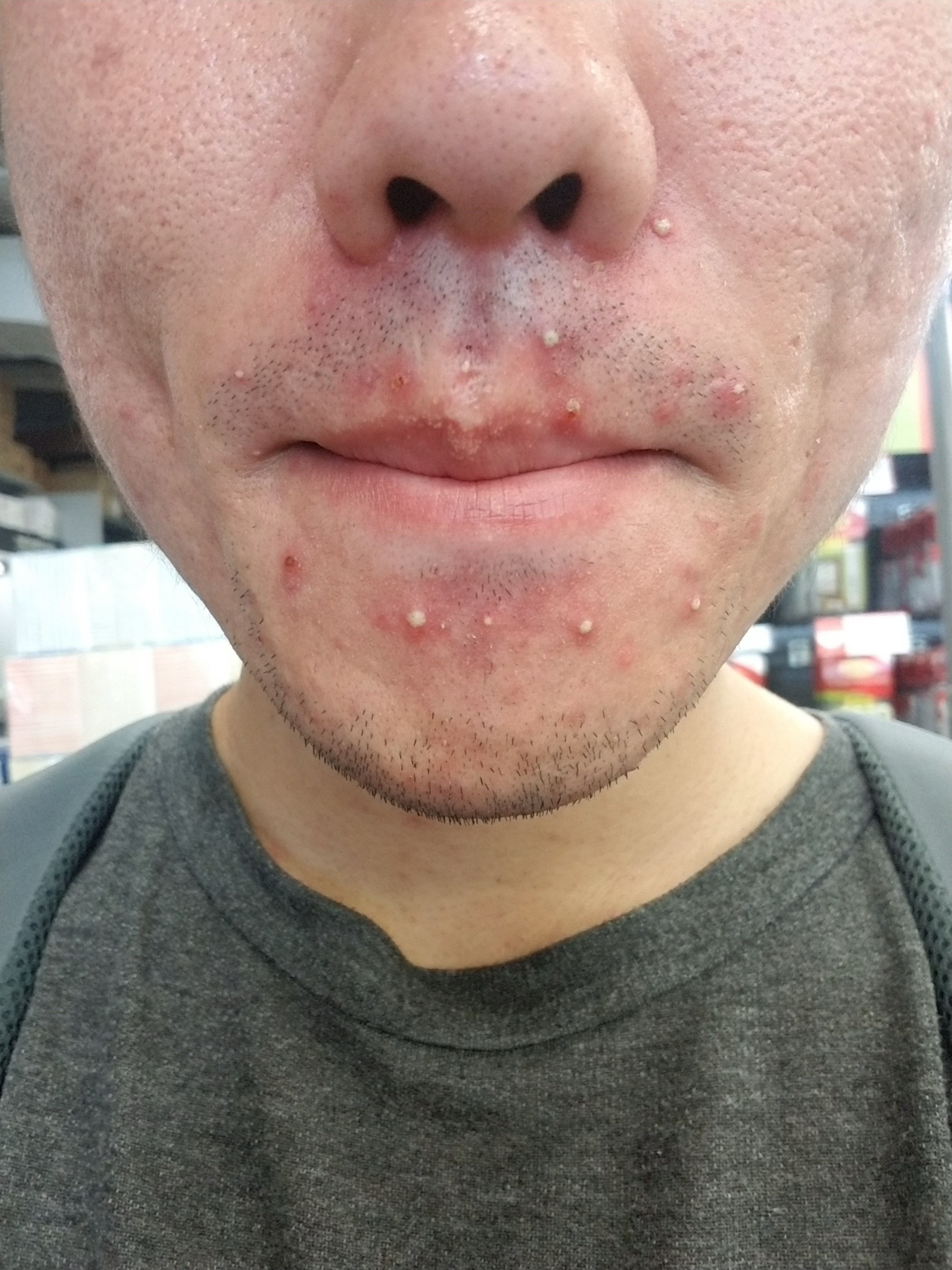
Few dermatological dilemmas provoke as much daily exasperation as an angry cluster of bumps encircling the lips. You apply a dab of drying lotion, swipe on an exfoliating acid, and wait for the swelling to recede, only to wake up forty-eight hours later with raw, burning skin and twice as many red spots. Clinical dermatologists observe this exact cycle on an almost daily basis. As clinical authorities highlighted in a UNC Health Talk Report, persistent breakouts across adulthood stem from varied underlying mechanisms, meaning treating every red bump like standard acne frequently backfires.
When persistent pimples around mouth margins refuse to budge, misidentification is usually the culprit. Standard inflammatory acne behaves fundamentally differently from perioral dermatitis, an inflammatory rash that mimics acne while reacting disastrously to typical acne products. Treating the wrong condition strips the epidermal mantle, escalates irritation, and delays recovery.
📌 Key Takeaways:
- Visual Hallmark: Classic acne features comedones alongside inflamed pustules, whereas perioral dermatitis produces uniform pink papules that characteristically spare a narrow zone directly surrounding the lip border.
- The Flare Trigger: Applying aggressive chemical exfoliators or over-the-counter hydrocortisone severely aggravates perioral dermatitis, transforming mild irritation into severe flare-ups.
- Treatment Divide: Resolving these eruptions requires accurate clinical sorting, shifting from pore-clearing retinoids for acne toward zero-therapy, barrier repair, or targeted antibiotics for dermatitis.
The Frustrating Dynamics of Lower-Face Eruptions
The lower third of the face represents a uniquely volatile microenvironment. The skin surrounding the mouth endures constant mechanical movement, continuous exposure to salivary enzymes, and direct contact with cosmetic formulas, toothpastes, and food oils. Hormones also exert an outsized influence here. Elevated androgen sensitivity stimulates sebaceous glands concentrated along the chin and jawline, manufacturing dense sebum that coalesces with dead keratinocytes to form stubborn microcomedones.
Yet oil production explains only half the story. The skin barrier around the perioral zone is noticeably thinner and more reactive than the skin on the cheeks or forehead. When people encounter persistent chin and jawline breakouts, their immediate reflex involves ramping up clarifying cleansers, applying leave-on peeling solutions, and washing aggressively.
This aggressive intervention triggers acute skin barrier damage. Stripping the stratum corneum disrupts the delicate balance of intercellular lipids, allowing opportunistic microbes to trigger inflammation. What began as a handful of minor clogged pores quickly evolves into a reactive inflammatory cascade, leaving the lower face sensitized, inflamed, and prone to chronic secondary rashes.
Reading the Skin: Visual Cues and Sensory Signals
Distinguishing ordinary acne from conditions like perioral dermatitis or folliculitis requires scrutinizing subtle physical characteristics. Acne vulgaris relies on the presence of the comedone. If you examine the breakout in bright, indirect light and spot open comedones (blackheads) or closed comedones (flesh-colored whiteheads) intermingled with inflamed red bumps, the pathology belongs squarely in the acne camp. Acne lesions vary widely in scale, presenting simultaneously as tiny surface bumps, deeper papules and pustules, and occasionally tender cysts.
ACNE VULGARIS PERIORAL DERMATITIS
• Open/closed comedones present • No true comedones (no blackheads)
• Lesions vary in size and stage • Uniform, pinhead-sized pink papules
• Touches the lip vermilion border • Clear white "halo" spares lip line
• Aching, throbbing, tender to touch • Prickling, burning, dry tight sensation
Perioral dermatitis presents a strikingly uniform picture. The lesions manifest as tiny, monomorphic pink papules, often clustered closely together against a backdrop of mild scaling and erythema. A defining clinical indicator is the "vermilion border sparing" effect: the bumps will crowd the skin around the lower face but almost always leave a clear, unaffected band of pale skin roughly two millimeters wide immediately surrounding the lip margin.
Sensory feedback provides another vital diagnostic clue. Acne throbs and aches, generating localized soreness beneath the dermis when pressure is applied. Perioral dermatitis rarely throbs; instead, patients describe a persistent stinging, itching, or hot burning sensation that intensifies whenever moisture or standard skincare products touch the area.
Clinical Diagnostic Matrix: Lower-Face Breakout Profiles
Accurately identifying the root cause prevents weeks of ineffective self-treatment. The following matrix illustrates the clinical divides separating common lower-face conditions encountered in clinical dermatology:
| Condition | Primary Visual Morphology | Physical Sensation | Common External Catalysts |
|---|---|---|---|
| Hormonal Acne | Mixed comedones, deep inflammatory cysts, nodules | Deep, tender aching under palpation | Menstrual cycle surges, androgen fluctuations |
| Perioral Dermatitis | Monomorphic micro-papules, clear lip border ring, flaky base | Stinging, tight dryness, surface burning | Topical steroids, heavy occlusives, fluorinated products |
| Pityrosporum Folliculitis | Uniform pustules centered strictly around hair follicles | Marked, persistent itching | Sweat trapping, occlusive cosmetics, humidity |
| Contact Cheilitis | Diffuse peeling, cracking, fissuring extending onto lip surface | Intense burning, tightness, raw tenderness | Lipstick fragrance, propolis, cinnamon flavorings |
Common Hidden Catalysts: From Toothpaste to Lip Balms
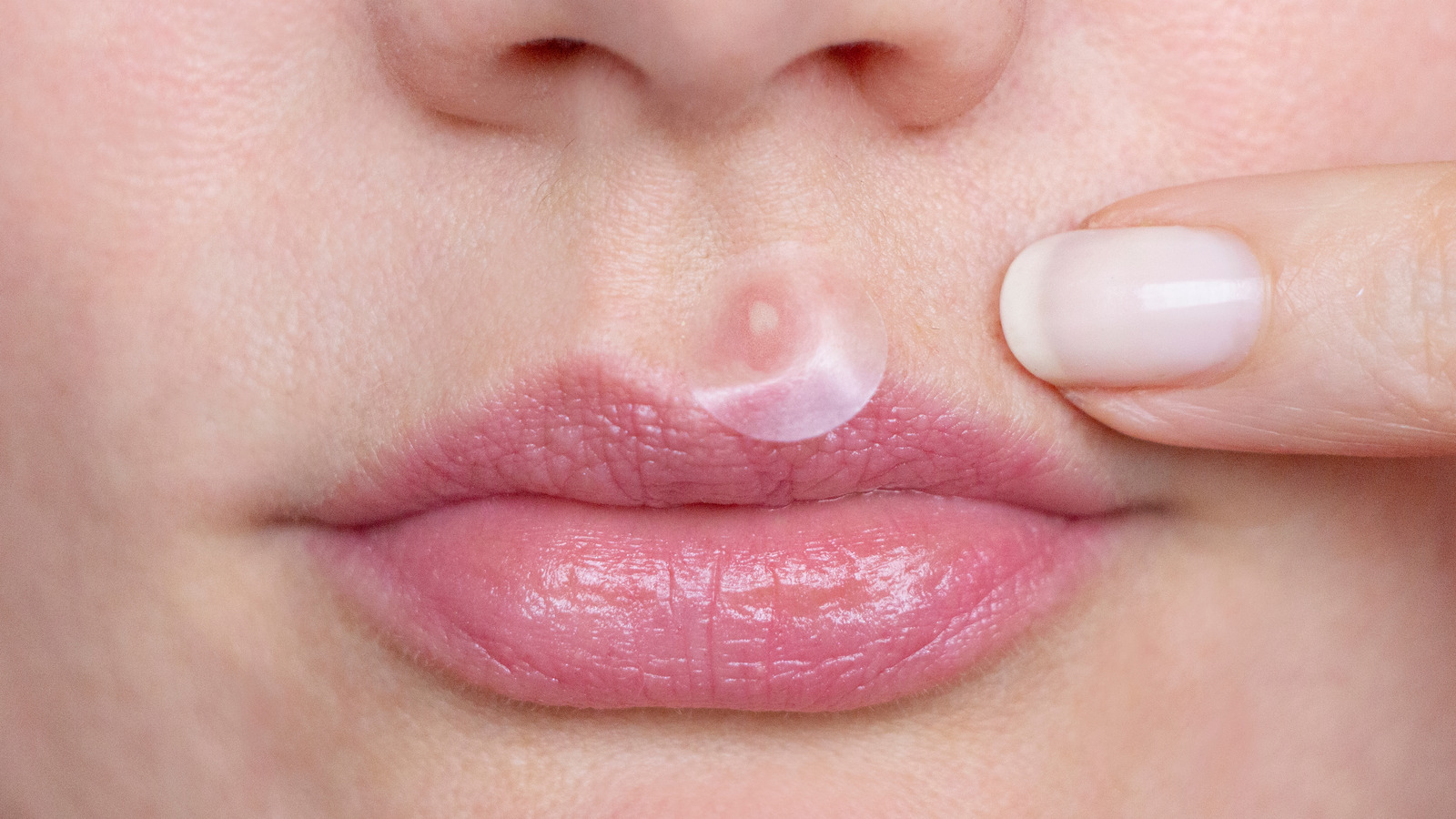
When breakouts concentrate around the mouth, the culprit is often hiding in your daily routine. Chief among external irritants is the standard dental hygiene regimen. A fluoride toothpaste reaction can provoke local contact irritation or perioral flare-ups in susceptible individuals. The foaming surfactants present in commercial pastes, particularly sodium lauryl sulfate (SLS), weaken the lipid bilayer of perioral skin. When that foamy lather dribbles over the chin twice daily, the surfactant disrupts local proteins, facilitating deep penetration of flavorings, essential oils, and fluoride salts.
Lip products represent another overlooked source of irritation. Many individuals attempt to manage the peeling skin around their mouth by slathering on thick ointments. Using a comedogenic lip balm enriched with heavy waxes, mineral oil, lanolin, or synthetic fragrances can quickly backfire.
These dense occlusives trap sweat, epidermal debris, and skin microbes against hair follicles, creating micro-comedones along the outer vermilion edge. If the product contains botanical extracts or artificial aromas, allergic sensitization can develop concurrently, layering contact inflammation right on top of follicular occlusion.
The most severe trigger remains the use of topical steroids. When faced with an itchy, inflamed perioral rash, patients frequently grab an over-the-counter hydrocortisone tube. Corticosteroids suppress inflammation temporarily, making the skin appear miraculously calmer for forty-eight hours.
However, continued application suppresses local cutaneous immunity, alters microbial balance, and damages connective tissue. The moment the cream is stopped, the condition rebounds aggressively into full-blown steroid-induced perioral dermatitis, complete with fiery erythema and dense papular eruptions.
Resolving the Outbreak: Medical Protocols and Active Ingredients
Selecting the correct active ingredient is critical. For genuine acne, proven keratolytic agents clear cellular buildup efficiently. Formulations containing salicylic acid penetrate deep into the lipid-rich pore lining, dissolving accumulated sebum and shedding stuck corneocytes. Pairing a beta-hydroxy acid with a topical retinoid normalizes cellular turnover, gradually eliminating chin and jawline breakouts over an eight-to-twelve-week window.
If the diagnosis is perioral dermatitis, those very same acne treatments create severe flare-ups. Beta-hydroxy acids, benzoyl peroxide, and retinoids inflict devastating mechanical and chemical stress upon the weakened perioral mantle.
The immediate standard of care is "zero therapy", ceasing all active serums, manual exfoliators, fragranced products, and rich facial oils. Patients must switch to lukewarm water and an inert, surfactant-free cleanser.
When topical measures fail to clear the irritation, a formal dermatologist diagnosis becomes indispensable. Board-certified clinicians routinely prescribe anti-inflammatory therapies that quiet follicular reactivity without relying on skin-thinning steroids.
Topical calcineurin inhibitors, such as pimecrolimus or tacrolimus, suppress immune responses without triggering corticosteroid rebounds. Topical metronidazole or azelaic acid at 15% concentration works effectively against both the microbial and inflammatory components of the condition. For severe, persistent cases, a six-to-eight-week course of low-dose oral tetracyclines (such as doxycycline) provides systemic anti-inflammatory benefits, clearing the eruption from within.
Frequently Asked Questions (FAQ)
Q1: Why do my chin and mouth pimples get worse right before my period?
Progesterone levels rise during the luteal phase of the menstrual cycle, while estrogen levels decline. This hormonal shift increases sebum viscosity and stimulates sebaceous gland output. For women predisposed to hormonal acne, this surge reliably produces deep, inflammatory pustules along the chin and jawline roughly seven to ten days prior to menstruation.
Q2: Can switching my toothpaste really make mouth breakouts go away?
Yes. If your perioral eruption stems from sensitivity to sodium lauryl sulfate (SLS) or flavoring compounds like cinnamates and peppermint oils, switching to a gentle, SLS-free, and unflavored or mild formulation often yields marked improvements within three to four weeks. Washing your face after brushing your teeth also prevents surfactant residues from lingering on the chin.
Q3: Is it safe to extract or pop the small white bumps around my lips?
Extraction is strongly discouraged. If the bumps are perioral dermatitis papules, they contain inflammatory fluid rather than an extractable keratin plug; attempting to squeeze them merely spreads inflammation, crushes delicate capillary networks, and risks secondary bacterial infection. If the lesion is an acne cyst, squeezing can force infected material deeper into the dermis, heightening the risk of permanent scarring.
Q4: How long does perioral dermatitis typically take to heal?
With an immediate cessation of all irritating cosmetics, heavy creams, and topical steroids, mild cases begin settling within two to three weeks. However, complete resolution under medical guidance, utilizing barrier-repair creams and targeted topical or oral anti-inflammatories, often spans six to eight weeks. Prematurely reintroducing active skincare products frequently restarts the flare.
Restoring and Protecting the Perioral Barrier
Achieving long-term clarity across the lower face requires patience rather than harsh intervention. When unpredictable eruptions emerge near the lips, step away from magnifying mirrors and resist the urge to deploy every peel, pad, and purifying mask in your bathroom cabinet. Aggression is the enemy of compromised skin.
Prioritize baseline skin comfort over rapid resurfacing. Strip the daily routine down to its bare essentials: an exceptionally mild cleanser, a basic barrier cream packed with skin-identical ceramides and squalane, and a physical zinc oxide sunscreen that calms inflammation while shielding vulnerable tissue from UV stress.
Monitor lesion characteristics closely over a two-week period. If the bumps maintain their uniform pink layout, sting under light application, and avoid the lip border, schedule a clinical consultation rather than purchasing another acne wash. Once the skin barrier heals, the cycle of recurrent irritation finally breaks, restoring stability and smooth texture to the lower face.


