Alex Pereira Fight Reveal & Viral Skits: How Nina Marie Daniele Redefined Fighter Content
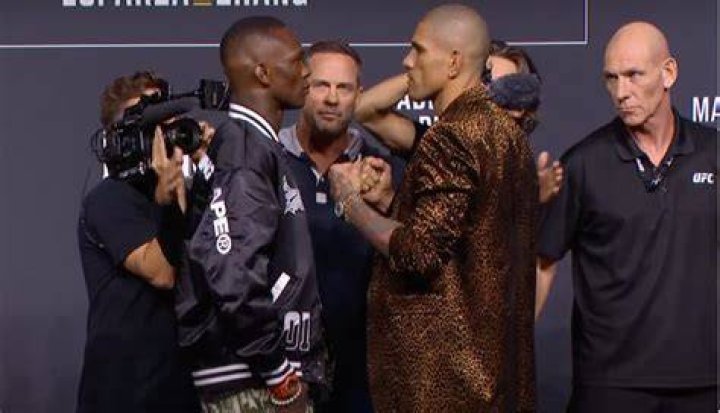
Dana White bypassed traditional cable sports networks and formal press desks to deliver one of the promotion's biggest announcements directly through social video. As reported by the Yahoo Sports Report, the UFC chief executive confirmed Alex Pereira's upcoming championship matchup during an official UFC live stream hosted by Nina Marie Daniele. The move affirmed what digital media observers had suspected for months: informal creator channels now hold equal billing with heritage broadcast networks.
Operating under her digital moniker Nina Drama, Daniele transformed how the mixed martial arts world interacts with its top competitors. Rather than quizzing fighters about weight cuts, underhooks, or contractual disputes, she placed stone-faced knockout artists into absurd comedy skits, bizarre food challenges, and unscripted verbal sparring. That disarming style turned multi-division champion Alex Pereira into a viral comedy sensation and helped lightweight contender Arman Tsarukyan connect with global fans. In doing so, she became the UFC's most potent promotional asset.
📌 Executive Brief:
- The Matchmaking Shift: Dana White selected Nina Drama's live streaming broadcast to break an exclusive Alex Pereira fight reveal, bypassing legacy sports bureaus.
- The Creative Blueprint: Daniele dismantles traditional sports media barriers by substituting rote training camp interrogations with self-deprecating skits and offbeat cultural exchanges.
- Institutional Access: UFC management has integrated creator-led entertainment directly into fight-week operations, rewarding high digital retention over adversarial press conferences.
From Fashion Runways to Mixed Martial Arts Comedy
Daniele arrived in the combat sports sector without an athletic background or an apprenticeship in sports journalism. Born in Westchester County, New York, the American content creator began her career in commercial fashion and modeling, eventually earning the title of Playboy Playmate of the Month in late 2018. When social distancing altered the entertainment industry in 2020, she pivoted toward digital sketch comedy, posting short videos centered on absurdist dialogue and awkward public interactions.
Her entry into the Ultimate Fighting Championship came through an organic alignment with executive brass. White encountered Daniele's rapid-fire video sketches online and offered her behind-the-scenes access at UFC events. Critics initially dismissed her presence as a transient promotional gimmick. Yet Daniele, now 37 years old, identified an overlooked void in fight-week content: modern viewers found standard backstage questions repetitive, and athletes were weary of answering them.
Her early videos featured middleweight brawler Sean Strickland, whose unfiltered conversational style matched Daniele’s unpredictable questioning. Rather than retreating when fighters made provocative jokes, she volleyed back with deadpan humor. That initial series proved athletes would drop their defensive press-conference armor if the interviewer abandoned standard journalistic talking points.
Dismantling the Stone Face: The Pereira and Tsarukyan Dynamic
Alex Pereira built a terrifying reputation across kickboxing and the UFC on cold stares, minimal speech, and left hooks. Traditional broadcast interviews struggled to draw personality from the Brazilian striker, who spoke Portuguese through translators and rarely smiled on camera. Daniele cracked that public persona through an intentional subversion of machismo.
She brought Pereira miniature toys, taught him English internet slang, and orchestrated videos where the heavyweight champion deadpanned through juvenile pranks. The single-word catchphrase "Chama" transformed from a personal Brazilian Portuguese expression into a dominant social media trend. Under Daniele’s production style, Pereira remained lethal in the cage while becoming relatable online, generating tens of millions of views across TikTok and Instagram reels.
A similar transformation unfolded with lightweight contender Arman Tsarukyan. When Tsarukyan prepared for high-stakes bouts against elite competition, Daniele brought him onto street interviews, challenging his competitive pride over casual arm-wrestling matches and personal trivia. Where traditional pre-fight features painted Tsarukyan solely as a technical, calculating wrestler, Daniele's sketches framed him as charismatic and approachable. That digital engagement translated directly into fan loyalty, turning casual viewers into pay-per-view buyers.
The Evolution of Fight Week Media Coverage
The UFC's traditional media infrastructure relied on post-fight scrums, credentialed beat reporters, and linear cable segments. Over the past four years, that hierarchy inverted as creator-driven platforms outpaced conventional broadcast ratings.
| Operational Dimension | Traditional Press Scrum (2014, 2020) | Creator Stream Model (2021, 2026) |
|---|---|---|
| Primary Setting | Basement press rooms, metal risers, dais podiums | Fighter lounges, hotel hallways, live-stream sets |
| Primary Objective | Extract injury details, game plans, contract disputes | Humanize athletes through character sketches and humor |
| Audience Demographics | Hardcore fight fans, sports radio listeners (ages 30, 55) | Short-form video consumers, youth culture (ages 16, 34) |
| Fighter Receptivity | Defensive, guarded, repetitive responses | Relaxed, participatory, collaborative banter |
| Distribution Reach | Niche sports websites, syndicated cable highlights | Algorithmic virality across TikTok, Reels, YouTube Shorts |
Why Dana White Treats Creator Channels as Primary News Desks
Dana White's long-running war of words with traditional sports journalists is well documented. For two decades, UFC management pushed back against legacy outlets over coverage of fighter pay, medical safety, and commercial partnerships. Influencer content creators provided the promotion with an appealing alternative: partners who do not focus on corporate governance, labor lawsuits, or regulatory disputes.
When White sat beside Daniele to announce Alex Pereira's headline fight for an upcoming major card, the strategic message was unmistakable. Daniele commands direct access to hundreds of thousands of concurrent viewers who may never watch a formal mid-week media availability. By feeding breaking news directly to her channels, the UFC maintains an upbeat, entertainment-forward narrative around its top stars.
This dynamic benefits both sides financially. Daniele gains unmatched legitimacy by breaking news that sports editors once spent weeks chasing through athlete management agencies. Simultaneously, the UFC secures free, algorithmic reach that outpaces traditional advertising buys. Viewers tuned in for entertainment receive genuine news scoops, eliminating the distinction between official broadcast and social content.
Access, Entertainment, and the Shifting Role of the Press
The rise of creator-led fight promotion raises valid questions about accountability within combat sports. Traditional beat writers maintain that real sports coverage requires pressing promoters on fighter pay structures, post-concussion protocols, and antitrust litigation. Influencers like Daniele do not ask those questions, by design.
Fighters themselves appear to favor the creator model. Weight cuts leave athletes dehydrated, irritable, and depleted during fight week. Facing twenty minutes of identical tactical interrogations under hot television lights is an exhausting obligation. Playing an awkward trivia game with Daniele for five minutes feels like a welcome distraction.
That comfort creates genuine audience engagement. Viewers do not watch Daniele's channel for a technical breakdown of Pereira's calf kicks; they watch to see if Pereira will break character when presented with an absurd prop. By focusing on personality over technical mechanics, Daniele expanded the boundaries of mixed martial arts promotion, drawing viewers who had never previously watched a minute of live combat.
Frequently Asked Questions (FAQ)
Q1: What is Nina Marie Daniele's official role within the UFC?
Daniele operates as an independent digital creator, social media personality, and collaborative broadcast host affiliated directly with the UFC. She hosts official live-stream segments, conducts fight-week athlete interviews, and partners with UFC executives for exclusive digital releases.
Q2: What is Nina Drama's age and nationality?
Nina Marie Daniele is an American content creator born on December 27, 1988, in Westchester County, New York. She is 37 years old.
Q3: Why did Dana White use Nina Drama's live stream to announce Alex Pereira's fight?
White used the platform to reach a younger, digital-first audience that consumes sports content through short-form video and informal streams rather than cable broadcasts or written news publications. The stream guaranteed high concurrent viewership and immediate social sharing.
The Future of Mixed Martial Arts Storytelling
The transformation of combat sports coverage will not reverse. As major media companies reconsider rights fees and traditional cable packages shed subscribers, sports leagues must engage viewers directly through internet-native personalities. Nina Marie Daniele proved that entertainment-first content can build athlete brands faster than months of conventional fight promotion.
Traditional sports journalism still serves an essential function in holding promoters accountable and documenting institutional records. Yet when fighters step into the media rotation to build their personal followings, they increasingly bypass podiums in favor of skit-based creator studios. By turning dangerous world champions into comedic collaborators, Daniele permanently altered how modern fight cards are sold.


